
Sauces & Condiments
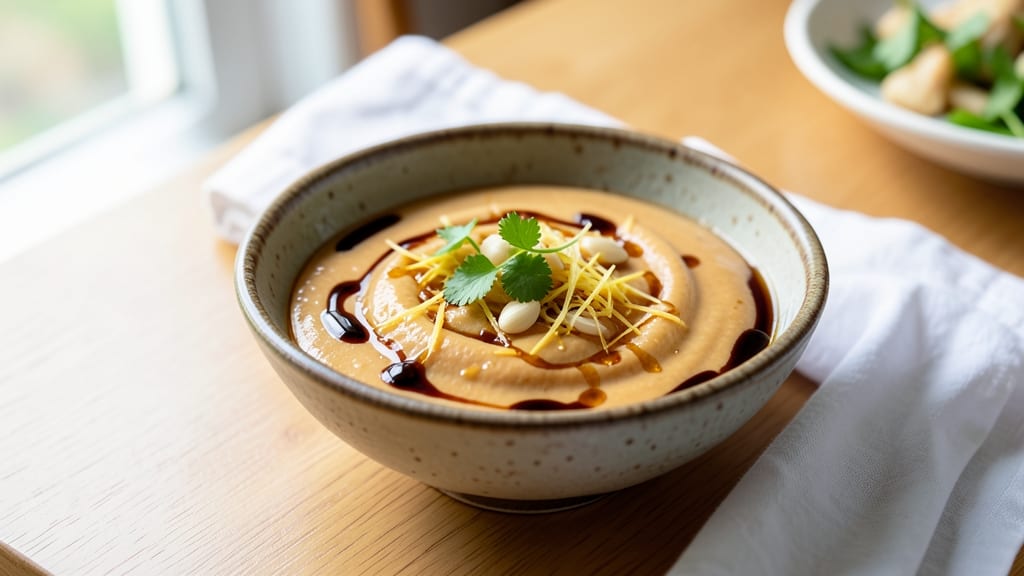
This Asian ginger sauce recipe transforms simple stir-fries into restaurant-quality meals with just a few ingredients and 15 minutes of prep time. The secret lies in balancing zesty ginger, aromatic garlic, and rich soy sauce for that signature umami kick that elevates every dish.
I developed this sauce after years of testing—it’s the one I reach for when I need bold, complex flavor without complicated techniques.
The magic happens in the sauce’s texture and depth: fresh ginger and garlic are sautéed until fragrant, then blended with soy, rice vinegar, and a touch of honey for balance. The result is a smooth, glossy sauce that clings perfectly to noodles, vegetables, or proteins.
It’s versatile enough to work as a dipping sauce, marinade, or stir-fry glaze, making it a staple in my kitchen.
What sets this sauce apart is its ability to adapt—add a dash of chili for heat, a splash of lime for brightness, or a spoonful of sesame paste for nuttiness.
The flavors deepen as it sits, so it’s even better the next day. Store it in the fridge for up to a week, or freeze for longer shelf life.
Whether you’re tossing it with fresh spring rolls, drizzling over grilled fish, or using it as a marinade for tofu, this sauce delivers restaurant-quality flavor with minimal effort. Here’s how to make it—simple, foolproof, and packed with umami.
Ingredients for asian ginger sauce
Fresh ginger and garlic kickstart this umami-packed sauce that transforms any dish.
| Ingredient | Amount | Notes |
|---|---|---|
| Fresh Ginger Root 🧄 | ½ cup | Finely grated, about 2 oz |
| Garlic Cloves 🧄 | 4 cloves | Peeled, minced for aroma |
| Soy Sauce 🍶 | ½ cup | Light or dark variety |
| Rice Vinegar 🍶 | ¼ cup | For tangy brightness |
| Honey 🍯 | 2 tbsp | Wildflower preferred |
| Sesame Oil 🫒 | 1 tbsp | Toasted for nuttiness |
| Extra-Virgin Olive Oil 🫒 | 2 tbsp | For smooth texture |
| Low-Sodium Soy Sauce 🍶 | 1 tbsp | For depth without salt |
| Red Chili Flakes 🌶️ | ½ tsp | Adjust for heat preference |
| Fresh Lime Juice 🍋 | 1 tbsp | Brightens flavors |
The ginger is non-negotiable—fresh is a must (the good stuff, not powdered). I grab mine from the Asian market where it’s always bright and plump. Look for firm, smooth roots with no wrinkles or soft spots. The garlic? Freshly minced releases the most flavor, but pre-minced in a jar works in a pinch. For the soy sauce, Kikkoman or Pearl River Bridge are my go-tos—they’ve got that perfect balance of saltiness and depth. The honey adds just enough sweetness to round out the zing, so don’t skip it (trust me on the wildflower kind).
No fresh ginger? Ginger paste from a tube (like Simply Organic) works in a bind, but it’s not the same. Short on rice vinegar? Apple cider vinegar at half the amount gives a similar tang. The sesame oil can be swapped for toasted sesame paste (1 tsp mixed with 1 tbsp water) if you’ve got it. For extra umami, add 1 tsp fish sauce (if not vegan) or 1 tsp mushroom powder. The red chili flakes? Adjust based on your heat tolerance—start with a pinch and add more if you’re feeling bold.
This sauce keeps beautifully in the fridge for up to 1 week, but it actually gets better as it sits—flavors meld and deepen. For longer storage, freeze in ice cube trays and transfer to a bag. Thaw overnight in the fridge or microwave for 10 seconds. I always make a double batch because it disappears fast—drizzled over noodles, tossed with stir-fries, or used as a marinade for tofu. The lime juice should be added fresh right before using, so don’t mix it in until the end.
Why You'll Love This Recipe
- Five-Ingredient Magic: I swear by this—just peel, mince, and blend. No fancy techniques, no waiting for herbs to bloom. The ginger and garlic hit the pan in minutes, and the sauce comes together while you’re still deciding what to drizzle it over.
- Umami Bomb: That balance of salty soy, bright vinegar, and honey’s sweetness? It’s the kind of flavor that makes you pause mid-bite. The ginger’s zing lingers just enough to keep it interesting, not overpowering. Honestly, I’ve used it on everything from grilled chicken to cold noodles—and it works.
- Weeknight Swiss Army: Dinner party? Check. Lazy Tuesday? Double check. This sauce plays well with proteins, veggies, or even eggs. I keep a jar in the fridge for when I’m staring at a sad-looking stir-fry or need to jazz up takeout leftovers. It’s my go-to for when I don’t want to think.
- Budget Flex: A little goes a long way—this batch stretches to four meals without breaking the bank. Fresh ginger and garlic are cheap staples, and the vinegar and honey last forever. Between us, I’ve made this for under $3 per serving, and it tastes like I spent hours slaving. (Spoiler: I didn’t.)
Step-by-step instructions for Asian ginger sauce
Here's how to make a vibrant, balanced sauce that adds zing to any dish.
Grate and Bloom the Ginger and Garlic
Use a microplane or fine grater to create the 0.5 cup fresh ginger root into a fine paste—this ensures smooth texture without fibrous bits. Transfer the grated ginger to a small saucepan and add the 4 cloves garlic cloves, minced finely. The goal here is to gently extract their aromatic oils without burning them.
Warm the saucepan over low heat for 2-3 minutes, stirring constantly. You'll smell the ginger's sharp, citrusy aroma and the garlic's sweetness—this is called blooming, and it's crucial for building flavor. Watch closely; once the mixture begins to sizzle or darken, you've gone too far. Remove from heat immediately and let cool for 5 minutes—this prevents the sauce from becoming bitter later.
Combine Wet Ingredients for Balance
In a measuring cup or small bowl, whisk together the 0.5 cup soy sauce and 0.25 cup rice vinegar. The vinegar adds bright acidity that cuts through the sauce's richness, while the soy sauce provides deep umami. Next, stir in the 2 tbsp honey and 1 tbsp low-sodium soy sauce—this balances the flavors with just the right amount of sweetness and salt.
Add the 1 tbsp fresh lime juice and 0.5 tsp red chili flakes to the mixture. The lime brightens everything up, and the chili flakes add subtle heat that lingers on your tongue. Taste the mixture now—it should be tangy, slightly sweet, and just spicy enough to make your lips tingle. If you prefer more heat, add another pinch of chili flakes.
Emulsify with Oils for Silky Texture
With the ginger-garlic mixture still warm (but not hot), pour in the 2 tbsp extra-virgin olive oil and 1 tbsp sesame oil while whisking vigorously. The oils should blend smoothly into the sauce, creating a silky, glossy finish. If the sauce separates, simply whisk harder—this is normal, and the oils will eventually emulsify as the mixture cools.
For the best results, transfer everything to a blender and pulse for 10-15 seconds until completely smooth. The texture should be velvety, not grainy. If it's too thick, thin it with 1 teaspoon of water at a time until it reaches a drizzling consistency. Taste again and adjust seasoning if needed—this is your chance to fine-tune the balance of sweet, salty, tangy, and spicy.
Rest and Serve for Maximum Flavor
Let the sauce sit at room temperature for 10-15 minutes before using. This resting period allows the flavors to meld and deepen—you'll notice the ginger's sharpness softens slightly, and the garlic's aroma becomes more pronounced. The sauce should now have a rich, complex taste with layers of umami, sweetness, and a hint of spice.
Use the sauce immediately for stir-fries, drizzle over grilled meats, or serve as a dipping sauce for spring rolls. It keeps well in the refrigerator for up to 5 days in an airtight container, though the flavor continues to evolve over time. For extra brightness before serving, add a splash of fresh lime juice or a sprinkle of toasted sesame seeds.
Pro Tips For Making Asian Ginger Sauce
- PEEL GINGER FAST: Skip the knife for the first inch—just slice off the skin with a spoon’s edge after microwaving the root for 15 seconds. The heat softens the skin so it peels like a banana, and you’ll save your fingers from the sharp edges.
- SMASH GARLIC, DON’T CHOP: I used to mince garlic for this sauce, but crushing it with the flat side of your knife releases more flavor. Place 3-4 cloves on the cutting board, cover with the heel of your knife, and press hard—no chopping needed.
- LOW AND SLOW FOR BALANCE: Simmer the sauce on the lowest heat setting you can stand. Rushing it burns the honey and makes the vinegar taste harsh. Five minutes at a gentle bubble is better than three minutes of aggressive heat.
- SWEETEN WITH HONEY LAST: Add honey when the sauce is off the heat—it’s sensitive to heat. If you toss it in too early, it’ll turn bitter. Stir it in right before serving, and the sweetness will shine without overpowering the ginger’s kick.
Regional styles of this dish
Japanese Shichimi Style
For a Japanese-inspired twist, swap the red chili flakes for 1 tsp shichimi togarashi (Japanese seven-spice blend) and add ½ tsp grated daikon radish for extra depth. Use mirin instead of honey—its fruity sweetness pairs beautifully with the umami.
I love this version with tempura vegetables or as a dipping sauce for miso soup garnishes. 🌶️
Thai Lemongrass Kick
Transform this sauce into a Thai-style glaze by adding 2 tbsp lemongrass paste (or 1 stalk finely minced lemongrass) and 1 tbsp fish sauce (or soy sauce for vegan). Replace honey with 1 tbsp palm sugar for caramelized depth.
This version shines when drizzled over grilled chicken satay or tossed with Thai basil stir-fries. The lemongrass adds a citrusy aroma that cuts through the richness. 🌿
Korean Gochujang Heat
For a Korean-inspired variation, blend in 2 tbsp gochujang (fermented chili paste) and 1 tbsp toasted sesame seeds for texture. Use apple vinegar instead of rice vinegar for a milder tang.
This sauce is perfect for bulgogi beef or as a marinade for tofu banchan. The gochujang adds a deep, fermented heat that balances the ginger’s sharpness beautifully. 🔥
Vietnamese Nuoc Cham Fusion
Create a Vietnamese-inspired dipping sauce by adding 1 tbsp fish sauce (or soy sauce) and 1 tsp sugar, then blending with ½ cup water for a thinner consistency. Serve this with spring rolls or fresh herbs like Thai basil and mint.
The fish sauce adds a salty depth, while the sugar rounds out the acidity. This version is lighter but still packed with umami. 🥬
Chinese Five-Spice Glaze
For a Chinese twist, add ½ tsp Chinese five-spice powder and 1 tsp Shaoxing wine to the sauce. This works wonderfully as a glaze for roasted pork belly or dumplings.
The five-spice adds warmth and complexity, while the Shaoxing wine deepens the sauce’s aroma. The ginger’s brightness contrasts perfectly with the spice blend. 🥢
Spicy Mango Twist
Add 2 tbsp mango puree (or ½ cup finely diced ripe mango) and ½ tsp ground coriander for a tropical, spicy-sweet version. This sauce is amazing with grilled shrimp skewers or as a dip for plantain chips.
The mango adds natural sweetness, while the coriander brightens the flavors. It’s like a fusion of Thai and Mexican flavors in one sauce! 🥭
Nutrition facts
Frequently asked questions
Can I substitute powdered ginger for fresh?
Fresh ginger is ideal for this sauce, but you can use powdered ginger in a pinch. Replace 0.5 cup fresh ginger with 1 tsp powdered ginger—just know the flavor will be milder and less aromatic. For best results, add a pinch of extra garlic powder to compensate for the lost depth.
How do I adjust the heat level?
Start with the 0.5 tsp red chili flakes as written, then adjust to taste. For mild heat, reduce to ¼ tsp or omit entirely. For extra spice, add ½ tsp cayenne pepper or a dash of Sriracha. Always taste before serving—you can always add more, but you can't take it out!
What’s the best way to store leftover sauce?
Transfer the sauce to an airtight container and refrigerate for up to 5 days. The flavors actually improve over time! For longer storage, freeze in ice cube trays and transfer to a bag. Thaw overnight in the fridge or microwave for 10 seconds before using. Add a splash of lime juice when reheating for freshness.
Can I make this sauce without a blender?
If you don’t have a blender, finely grate the ginger and minced garlic until smooth, then whisk vigorously with the other ingredients. For extra smoothness, press the mixture through a fine-mesh sieve to remove any lingering texture. The sauce will still be delicious—just slightly more rustic in texture.
What are the best dishes to use this sauce with?
This versatile sauce works as a dipping sauce for spring rolls, a marinade for grilled chicken or tofu, or a glaze for stir-fries. It’s also fantastic drizzled over ramen noodles, fried rice, or even as a finishing sauce for sushi rolls. The bright, zesty flavors complement both delicate and hearty dishes!