
Sauces & Condiments
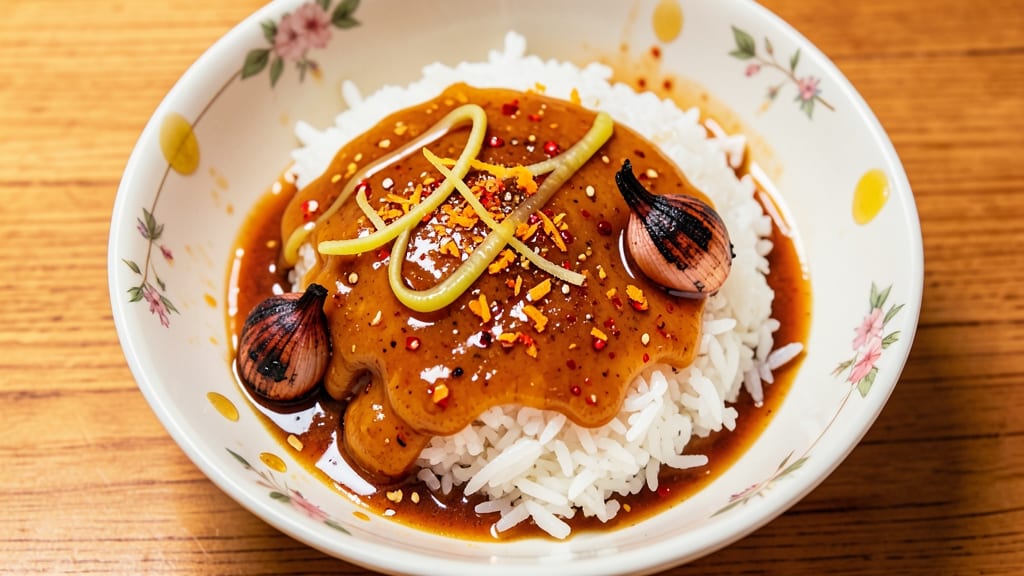
This Asian orange ginger sauce recipe transforms ordinary dishes into vibrant, zesty masterpieces with just 10 minutes of active prep. The bright citrus and fiery ginger create a perfect balance that elevates stir-fries, glazes, and dipping sauces to restaurant-quality levels.
I developed this sauce after years of perfecting the harmony between sweet, sour, and spicy flavors that Asian cuisine excels at.
The secret lies in the fresh ginger and orange zest—roasted lightly to mellow their intensity while preserving their aromatic punch. A touch of honey balances the acidity, while soy sauce and garlic add depth without overpowering the citrus brightness.
This sauce works as a dipping companion for spring rolls or a glaze for grilled meats, delivering that signature Asian zing in every bite.
What makes this sauce truly versatile is its ability to adapt to any dish while maintaining its signature flavor profile. The sauce keeps beautifully in the refrigerator for up to 10 days, making it perfect for meal prep.
Whether you're drizzling it over noodles or using it as a marinade, the vibrant orange hue and bold flavors will make every dish feel special.
The best part? This sauce comes together with just 7 simple ingredients and requires no cooking—simply whisk and let the flavors meld. The result is a smooth, velvety sauce that's tangy, slightly sweet, and packed with the freshest ginger and citrus notes.
Let's create this flavor-packed sauce that will become your new kitchen staple.
Ingredients for asian orange ginger sauce
Seven ingredients, ten minutes—this vibrant sauce brings restaurant-quality zing to any dish.
| Ingredient | Amount | Notes |
|---|---|---|
| Fresh Ginger Root 🌿 | ½ cup | Peeled and finely grated |
| Orange Zest 🍊 | ¼ cup | From 2 large oranges |
| Orange Juice 🍊 | ½ cup | Freshly squeezed |
| Low-Sodium Soy Sauce 🍶 | ¼ cup | Kikkoman preferred |
| Honey 🍯 | ¼ cup | Wildflower preferred |
| Garlic Cloves 🧄 | 3 cloves | Minced for depth |
| Sesame Oil 🫒 | 1 tbsp | Toasted sesame oil |
The ginger and orange zest are the stars here. Grab fresh ginger from the produce section—it’s brighter than powdered, and the flavor is unmatched. For zest, use a microplane or zester (the box graters just don’t cut it). Trader Joe’s has the best pre-peeled oranges if you’re short on time, but fresh is always better. Toast the ginger lightly in a dry pan for 2 minutes before grating—it mellows the heat while keeping the aroma. Pro tip: save the leftover orange halves for water or cocktails.
No fresh ginger? Substitute 1 tbsp ground ginger, but you’ll lose that aromatic punch. Running low on orange juice? Grapefruit juice works too, though it’ll lean more tart. The honey balances everything, but if you’re avoiding sugar, maple syrup or agave (same amount) will do. Sesame oil is non-negotiable for that nutty depth—don’t use the cheap stuff. And if you’ve got rice vinegar on hand, swap 1 tbsp of the soy sauce for a brighter kick.
This sauce tastes even better the next day as the flavors meld. Store it in a glass jar in the fridge—it’ll keep for up to 10 days. For meal prep, make a double batch and freeze half in ice cube trays. Perfect for drizzling over noodles, glazing grilled chicken, or dipping spring rolls. The vibrant color makes it look as good as it tastes!
Why You'll Love This Recipe
- Five-Ingredient Magic: I swear by this—just peel, zest, and squeeze. No peeling garlic or mincing shallots here. The ginger and orange do all the heavy lifting while I stir.
- Bright & Bold: That zesty orange meets the warmth of fresh ginger? It’s like sunshine in a jar. The honey rounds out the soy sauce’s saltiness, so it’s never overpowering—just right.
- Weeknight Superstar: Drizzle it over rice bowls, toss with noodles, or even glaze chicken. Honestly, I’ve used it for everything from takeout-style stir-fries to a quick veggie tray. It’s my lazy night’s best friend.
- Leftovers That Shine: Make a double batch—it keeps for days in the fridge. The flavors actually deepened after sitting overnight. Perfect for when you’re too tired to cook but still want something special.
Step-by-step instructions for Asian orange ginger sauce
This vibrant sauce comes together in minutes with bold flavors that elevate everything from stir-fries to dipping sauces.
Toast the Sesame Oil for Depth
Heat a small skillet over low heat and add the 1 tablespoon toasted sesame oil. Let it warm for 30 seconds until fragrant—you'll smell that nutty aroma that's the foundation of this sauce. Remove from heat immediately to avoid burning, then transfer the warm oil to a mixing bowl.
Here's the thing—this step makes all the difference. Cold sesame oil won't develop that toasted flavor, and overheating turns it bitter. Think of it like making tea: you want just enough warmth to wake up the flavors without scorching them.
Combine Wet Ingredients for Balance
To the warm sesame oil, add the 0.5 cup freshly squeezed orange juice and 0.25 cup honey. Whisk vigorously for 20 seconds until the honey dissolves completely—you should see a smooth, golden liquid forming. The honey will cut through the acidity of the orange juice, creating that perfect balance we're after.
Next, stir in the 0.25 cup low-sodium soy sauce and 3 cloves minced garlic. Let this mixture sit for 1 minute while you prepare the remaining ingredients. This gives the garlic time to infuse its flavor without cooking—we want aroma, not bitterness. The soy sauce will start to mellow out slightly, which is exactly what we want for a well-rounded sauce.
Add Zesty Freshness
Grate the 0.5 cup fresh ginger root using a fine grater or microplane—you want it as fine as possible so it blends completely. Add it to the bowl along with the 0.25 cup orange zest. Stir everything together until the ginger is fully incorporated and the zest is evenly distributed throughout the sauce.
This is where the magic happens—the ginger brings heat while the zest adds that bright citrus top note. Give it a taste at this stage. You should notice the ginger's sharpness cutting through the sweetness, and the zest giving that fresh, almost floral aroma. If it's too intense, you can add a splash of water to mellow it out later.
Simmer for Perfect Consistency
Transfer the sauce to a small saucepan and bring to a gentle simmer over medium-low heat. Let it cook for 3-4 minutes, stirring occasionally, until it thickens slightly. You're looking for a consistency that coats the back of a spoon but isn't syrupy—it should still be pourable but with body.
Real talk: don't walk away during this step. You want to keep an eye on it because once it starts to bubble, it can thicken too quickly. If it gets too thick, simply add 1 tablespoon of water at a time until you reach that perfect balance. The sauce should be glossy with just enough cling to it.
Cool and Adjust to Perfection
Remove the sauce from heat and let it cool for 5 minutes. This resting period allows all the flavors to meld together. Taste it again now—you'll notice how the ginger has mellowed slightly, the orange has brightened, and everything has come into harmony.
Make any final adjustments: need more sweetness? Add a touch more honey. Too sharp? A splash more orange juice will help. The beauty of this sauce is how customizable it is. Once you're happy with the flavor, transfer it to a clean jar and store in the refrigerator for up to 1 week—it only gets better with time as the flavors continue to develop.
Pro Tips For Making Asian Orange Ginger Sauce
- PEEL GINGER LIKE A PRO: Skip the knife and use a spoon—scrape the skin off in long strips instead of chopping raw ginger. I learned this the hard way after biting into a chunk of ginger in my sauce (yes, it happens). For this recipe, you only need about 1 tablespoon of finely grated ginger—no need to overdo it.
- ZEST ORANGE DRY FIRST: Pat the orange peel dry with a paper towel before grating—wet zest will dilute your sauce and make it watery. A quick wipe takes 10 seconds but guarantees that bright, concentrated citrus flavor you’re after.
- SIMMER NOT BOIL: Reduce heat to a gentle simmer after combining all ingredients—boiling burns the honey and turns the sauce bitter. Keep it at a low bubble for 5-7 minutes, stirring occasionally, until flavors meld.
- SWEETEN WITH CAUTION: Taste before adding all the honey—low-sodium soy sauce is saltier than you think, and you might not need the full amount. Start with half, then adjust; you can always add more, but fixing oversweetened sauce is a headache.
Regional styles of this asian orange ginger sauce
Thai-Inspired Heat
In Thailand, they take this sauce to another level by adding 1 teaspoon of fish sauce and ½ teaspoon of chili flakes to the base recipe. The fish sauce deepens umami while the chili adds a subtle kick that balances the citrus.
I love serving this version with grilled shrimp skewers—it’s a crowd-pleaser at summer BBQs. The heat level is mild but noticeable, perfect for those who enjoy a little spice without overwhelming the dish. 🌶️
Japanese Citrus Glaze
For a Japanese twist, swap the honey for mirin and replace the soy sauce with tamari. Add 1 teaspoon of grated daikon radish for a refreshing crunch and a touch of rice vinegar to brighten the flavors.
This version works beautifully as a glaze for teriyaki chicken or as a dipping sauce for edamame. The mirin adds a subtle sweetness that complements the ginger and citrus beautifully. 🍗
Vietnamese Fresh Herb Sauce
Vietnamese cuisine loves fresh herbs, so blend ¼ cup of cilantro and 2 tablespoons of Thai basil into the finished sauce. Add 1 teaspoon of lime zest instead of orange for a tangier profile. This sauce pairs perfectly with spring rolls or fresh summer rolls.
The herbs add a bright, almost floral note that elevates the dish. Trust me, the aroma alone will make your kitchen smell like a bustling Hanoi street market. 🌿
Korean Gochujang Twist
For a Korean-inspired version, stir in 1 tablespoon of gochujang (Korean chili paste) and ½ teaspoon of sesame seeds at the end. The gochujang adds a deep, slightly sweet heat that pairs perfectly with the citrus.
This sauce is fantastic with grilled bulgogi beef or as a marinade for tofu. The texture becomes slightly thicker, giving it that signature Korean sauce body. 🔥
Chinese Five-Spice Fusion
Add ½ teaspoon of Chinese five-spice powder and 1 star anise pod (lightly crushed) to the simmering sauce. The five-spice adds warmth and complexity, while the star anise gives a subtle licorice note.
This version works wonderfully with roasted duck or as a dipping sauce for dumplings. The spices mellow out as the sauce cools, leaving behind a rich, aromatic depth. ✨
Nutrition facts
Frequently asked questions
Can I make this sauce without fresh ginger?
Yes, but the flavor will be different. Use 1 tablespoon ground ginger instead, but toast it in a dry pan for 1 minute first to deepen its aroma. For a closer match, add ½ teaspoon ginger powder plus ½ teaspoon cinnamon to mimic fresh ginger's complexity. The sauce will still taste good, but the bright, fresh ginger note will be missing.
How can I adjust the sweetness or spice level?
For more sweetness, add 1-2 teaspoons honey at a time. For heat, stir in ½ teaspoon chili flakes or 1 teaspoon sriracha at the end. To reduce spice, add 1 teaspoon more honey or a splash of orange juice. The sauce is very forgiving—taste as you go! Remember, flavors meld better after 30 minutes of resting.
What are the best dishes to use this sauce with?
This versatile sauce excels as:
- A glaze for grilled chicken, pork, or tofu
- A dipping sauce for spring rolls or dumplings
- A marinade for shrimp or fish (add 1 tbsp sauce per 1 lb protein)
- A dressing for Asian salads or noodle bowls
Can I make this sauce ahead of time?
This sauce tastes even better after 24 hours as the flavors develop. Store it in a sealed jar in the fridge for up to 10 days. For longer storage, freeze portions in ice cube trays—they thaw perfectly for quick use. The texture may thicken slightly when refrigerated, so stir in 1-2 teaspoons water when ready to use.
What if my sauce turns out too thick or too thin?
For a thicker sauce, simmer for 1-2 extra minutes or add 1 teaspoon cornstarch mixed with 1 tbsp water. For a thinner consistency, whisk in 1-2 tablespoons water gradually. The ideal texture should coat the back of a spoon but still be pourable. If you've already adjusted and it's still off, try reheating gently—this often improves the balance.