
Sauces & Condiments
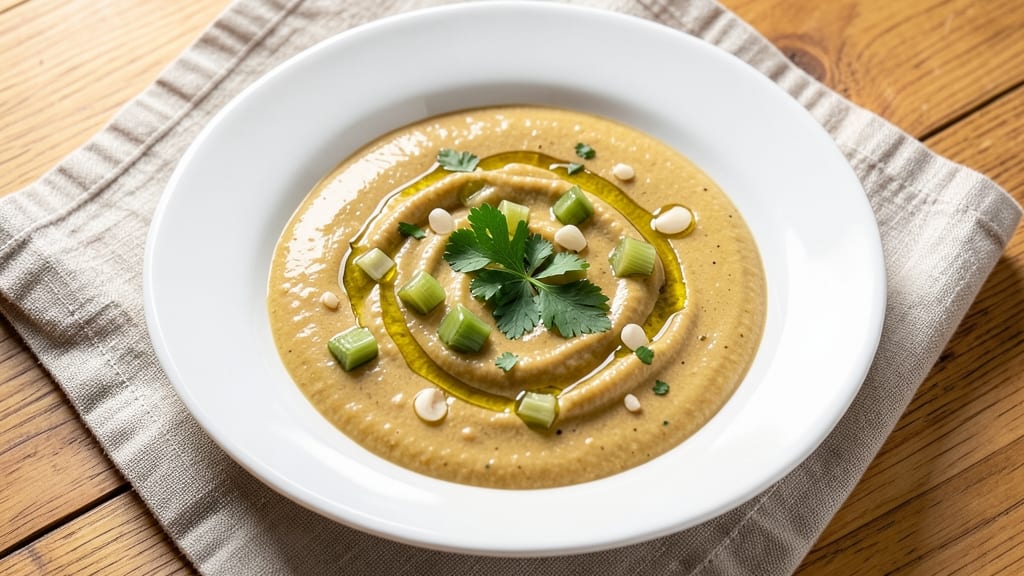
This artichoke aioli sauce recipe transforms humble ingredients into a velvety, herb-infused spread that elevates everything from grilled shrimp to crispy fries. The secret lies in blending tender artichoke hearts with classic aioli for a texture that's both creamy and subtly crunchy—thanks to a touch of celery crown for freshness.
What sets this apart is the balance of garlic, lemon, and fresh herbs, which brighten the rich mayonnaise base without overpowering the artichoke's natural nuttiness.
Perfect for dipping, drizzling, or spreading, this sauce delivers restaurant-quality flavor with minimal effort. The process is straightforward: chop, blend, and taste as you go, adjusting seasoning until it's just right.
What makes it truly versatile is its ability to complement both bold flavors—like seared scallops—and lighter dishes, such as roasted vegetables or crusty bread. The artichoke hearts add a subtle earthiness that rounds out the garlic-forward aioli, creating a harmonious blend.
Storage is simple: keep the sauce refrigerated in an airtight container for up to 5 days, or freeze for longer shelf life. The flavors actually deepen over time, making it an ideal make-ahead condiment for gatherings or weeknight meals.
Whether you're serving it as a dip for veggie sticks or a sauce for grilled proteins, this artichoke aioli brings a sophisticated touch to any dish.
For extra flair, garnish with a sprinkle of chopped parsley or a drizzle of olive oil before serving. The celery crown not only adds freshness but also introduces a satisfying crunch that contrasts beautifully with the sauce's smooth texture.
This recipe is your go-to for turning simple meals into something extraordinary.
Ingredients for artichoke aioli sauce
Nine ingredients blend into a restaurant-worthy sauce that elevates any dish with velvety artichoke richness.
| Ingredient | Amount | Notes |
|---|---|---|
| Canned Artichoke Hearts 🍃 | 1 cup | Drained and chopped into small pieces |
| Mayonnaise 🥫 | 1 cup | High-quality, preferably homemade or Duke's |
| Garlic Cloves 🧄 | 4 cloves | Freshly minced for maximum flavor |
| Fresh Lemon Juice 🍋 | 2 tbsp | Freshly squeezed for brightness |
| Extra-Virgin Olive Oil 🫒 | 2 tbsp | High-quality, fruity variety |
| Fresh Parsley 🌿 | ¼ cup | Chopped, for garnish and freshness |
| Celery Crown 🧅 | ¼ cup | Finely chopped for crunch |
| Fresh Dill 🌿 | 1 tbsp | Chopped, for herb infusion |
| Salt 🧂 | ½ tsp | Diamond Crystal kosher salt |
| Black Pepper 🌶️ | ¼ tsp | Freshly ground for depth |
The artichoke hearts are the foundation—opt for high-quality canned hearts like Meijer or Whole Foods brands for tender texture. Fresh garlic and lemon juice are non-negotiable; garlic should smell pungent when minced, and lemon should be freshly squeezed for optimal brightness. Celery crown adds that signature crunch, so choose fresh, crisp stalks from the produce section. For the mayonnaise, Duke's or homemade provides the best creaminess without overpowering the artichoke's earthy notes. Fresh herbs like parsley and dill should be vibrant green—avoid wilted bunches, as they'll compromise flavor.
No fresh garlic? Garlic powder at half the amount works, but the flavor will be milder. Substitute lemon juice with white wine vinegar in a pinch, though the sauce will be slightly tangier. Short on artichoke hearts? Chopped roasted eggplant adds a similar texture and earthiness. For a richer base, blend in 1 tablespoon of crème fraîche or Greek yogurt with the mayonnaise. The celery crown can be swapped for finely chopped fennel for a slightly sweeter crunch. If you're avoiding dairy, ensure your mayonnaise is egg-based—vegan mayo won't provide the same luxurious texture.
Store the sauce in an airtight container in the refrigerator for up to 5 days, though flavors deepen after 24 hours. For longer storage, freeze in ice cube trays—each cube makes a perfect single-serving portion. Before serving, garnish with extra chopped parsley and a drizzle of high-quality olive oil to enhance presentation. The sauce thickens as it chills, so stir before using if it seems too stiff. Leftovers reheat beautifully in the microwave for 10-15 seconds, though it's best served at room temperature for optimal texture.
Why You'll Love This Recipe
- Five-Ingredient Magic: I swear by this recipe because it’s the kind of thing you can make while waiting for the pasta to boil. Just mash those drained artichoke hearts with mayo, minced garlic, a splash of lemon, and olive oil—no blender, no fuss. That’s it. Honestly, the simplicity makes it feel like cheating, but the flavor? Pure satisfaction.
- Garlic-Kissed Umami Bomb: Between us, the garlic and lemon cut through the richness of the mayo, giving this aioli a bright, tangy punch that’s anything but boring. The artichokes add that briny, meaty depth—like a fancy dip but with the soul of a Mediterranean summer. One taste and you’ll be nodding along like, “Yeah, this is why we eat.”
- Dip, Spread, or Sauce: This stuff works everywhere. Slather it on grilled chicken, use it as a sandwich spread, or serve it with crusty bread for a no-fuss appetizer. I’ve even drizzled it over roasted potatoes—it’s the kind of versatile sauce that makes you feel like a culinary chameleon without trying.
- Budget-Friendly Pantry Hero: No need to break the bank for this. Canned artichokes and mayo last forever, and you’re probably already using garlic and lemon in your kitchen. It’s the kind of recipe that stretches your dollar while still feeling special—like a restaurant-quality dip for half the price. Plus, it keeps for days in the fridge, so you’re never scrambling for a last-minute snack.
Step-by-step instructions for artichoke aioli sauce
This herb-infused aioli delivers bright, creamy perfection with every dip.
Prepare the Artichoke and Celery Base
Drain the 1 cup canned artichoke hearts thoroughly and pat them completely dry with paper towels. Chop them into small, even pieces—about ¼-inch cubes—to ensure they blend smoothly into the sauce. In a small bowl, combine the chopped artichokes with the 0.25 cup finely chopped celery crown. This step builds the foundation for that signature crunch and artichoke flavor that sets this aioli apart.
Set this mixture aside for now. The celery crown adds a subtle freshness that balances the richness of the mayonnaise and enhances the overall texture. Make sure to remove any tough stems or fibrous parts from the celery crown before chopping—this ensures a silky-smooth final product.
Blend the Garlic and Olive Oil
In a food processor or high-speed blender, combine the 4 cloves freshly minced garlic with the 2 tablespoons extra-virgin olive oil. Pulse the mixture until the garlic is finely minced but not pasty. This step is critical—you want the garlic to release its aromatic oils without turning into a thick paste, which can make the aioli bitter.
Add the 2 tablespoons fresh lemon juice and pulse again to incorporate. The lemon juice brightens the flavors and prevents the garlic from overpowering the sauce. If you're using a food processor, scrape down the sides occasionally to ensure everything blends evenly.
Combine Wet and Dry Ingredients
With the food processor running on low speed, gradually add the 1 cup mayonnaise to the garlic mixture. Let it blend for about 30 seconds to ensure the mayonnaise is fully incorporated and smooth. Next, add the chopped artichoke and celery mixture, followed by the 0.25 cup chopped fresh parsley, 1 tablespoon chopped fresh dill, 0.5 teaspoon salt, and 0.25 teaspoon black pepper. Pulse until everything is fully combined and the texture is smooth but still slightly textured for that desirable bite.
Taste the mixture and adjust the seasoning if needed. If it needs more brightness, add a touch more lemon juice. If it's too thick, you can thin it slightly with a teaspoon or two of water or additional lemon juice. The sauce should be thick enough to coat the back of a spoon but still spreadable.
Rest and Serve
Transfer the aioli to a serving bowl and let it rest at room temperature for 10-15 minutes. This resting period allows the flavors to meld together, creating a more cohesive and delicious sauce. The artichoke hearts will soften slightly, and the celery crown will release its juices, enhancing the overall texture and taste.
Garnish with an additional sprinkle of chopped parsley and dill for a pop of color and freshness. Serve immediately with your favorite dippers—crusty bread, fresh vegetables, or even grilled meats. This aioli pairs beautifully with seafood, making it a perfect addition to any seafood platter or as a dip for shrimp cocktails.
Pro Tips For Making Artichoke Aioli Sauce
- Drain and Rinse Hearts: Canned artichoke hearts come packed in brine or water, and that extra liquid turns your aioli watery fast. Dump them into a colander and give them a quick rinse under cold water—especially if they’re packed in salted brine. Pat them dry with a paper towel before blending, or your sauce will thin out like soup.
- Roast the Garlic First: Raw garlic in aioli can taste sharp and harsh, no matter how much you blend. Toss peeled cloves in olive oil, wrap them in foil, and roast at 400°F (200°C) for 15 minutes until soft and golden. Mash them right into the mayo—sweet, mellow flavor every time.
- Blend in Stages: Don’t just dump everything into the blender and hope for the best. Start with mayo and lemon juice, pulse until smooth, then add the drained artichokes in batches. If it’s too thick, thin it with a splash of olive oil; if it’s too thin, stir in a spoonful of mayo. This keeps the texture creamy without turning it into a gloppy mess.
- Add Lemon Last: The acid in lemon juice breaks down mayo faster, so save it for the final pulse. Mix a tablespoon at a time while tasting—you want brightness, not a puckery aftertaste. If the sauce curdles, immediately stir in another spoonful of mayo to stabilize it.
Pro cooking tips for this dish
Garlic Mastery
Fresh garlic is non-negotiable for authentic flavor—4 cloves minced to a paste releases maximum aroma without bitterness. Use a microplane for ultra-fine texture or a garlic press for quick results.
I pulse mine in the food processor until just combined with olive oil, then add lemon juice immediately to balance the raw garlic punch. 🧄
Texture Control
For that signature artichoke crunch, pulse the blended sauce 3-4 times in short bursts rather than continuous blending. Over-blending turns artichokes into mush. If the sauce thickens too much, add 1 tsp water or lemon juice at a time while tasting—this keeps it spreadable without diluting flavors.
Equipment Upgrades
Invest in a high-speed blender like the Ninja BN601 for silky-smooth results, or use a food processor with a sharp blade. A fine-mesh sieve helps strain any stubborn artichoke fibers if you prefer ultra-smooth texture. For garlic lovers, a garlic press saves time while ensuring even mincing.
Flavor Boost Hacks
Add ½ tsp smoked paprika for depth or 1 tsp capers for briny contrast. For heat, stir in ½ tsp red pepper flakes after blending. I also like adding 1 tsp Dijon mustard to the mayo base for subtle tang—it emulsifies better than regular mustard and adds complexity.
Storage Secrets
Transfer to an airtight glass container and press plastic wrap directly on the surface to prevent oxidation. Label with the date—this sauce keeps 5 days refrigerated or 3 months frozen in ice cube trays.
Thaw frozen portions in the fridge overnight for best texture. Always stir before serving if it thickens during storage.
Make-Ahead Magic
Prepare this sauce 24 hours ahead—flavors meld beautifully overnight. For parties, assemble all ingredients except lemon juice, then blend and add lemon juice just before serving.
This prevents the sauce from becoming too tangy. Store the dry ingredients in a sealed container in the fridge for up to 2 days before blending.
Nutrition facts
Frequently asked questions
Why does my artichoke aioli turn grainy?
Over-blending transforms artichoke hearts into mush, creating texture issues. Pulse the food processor in 3-4 short bursts instead of continuous blending. Also ensure your artichoke hearts are completely drained and patted dry before chopping—excess moisture disrupts emulsification.
Can I make this aioli without a food processor?
Use a mortar and pestle to crush garlic with olive oil, then mix everything by hand in a bowl with a whisk. For extra creaminess, mash the artichoke hearts with a fork before combining. The texture will be slightly chunkier but still delicious—just stir vigorously for 2-3 minutes to fully incorporate.
What's the best way to use leftover artichoke aioli?
This versatile sauce works as a seafood dip, pasta sauce, or grilled chicken glaze. For extra flavor, mix with 1 tbsp crème fraîche or drizzle over roasted vegetables. It also makes an excellent sandwich spread—try it on ciabatta with prosciutto for an Italian-inspired twist.
How do I fix aioli that's too thick?
Thin gradually with 1 tsp lemon juice or water at a time while tasting. For a richer texture, stir in ½ tsp olive oil instead—it won't dilute flavors like water would. If the sauce separates, whisk vigorously or re-blend briefly. The ideal consistency coats the back of a spoon but remains spreadable.
Can I substitute jarred artichokes for fresh?
Jarred artichokes work perfectly—they're pre-cooked and tender. For fresh artichokes, trim the base, remove tough outer leaves, and steam for 15-20 minutes until tender. Extract the hearts, chop them, and use as directed. Fresh artichokes have a slightly firmer texture that holds up better to blending than jarred versions.