
Sauces & Condiments
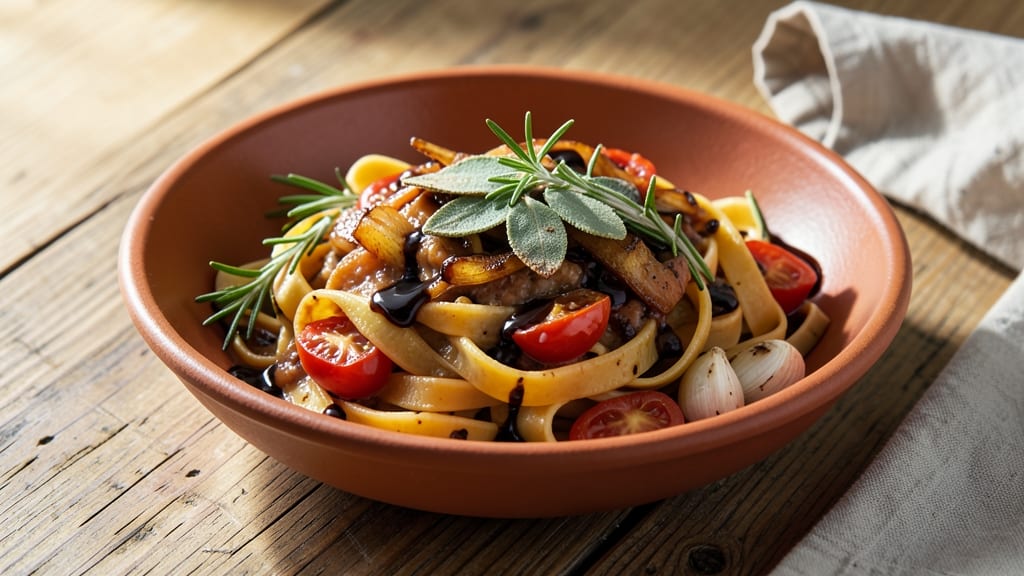
This autumn harvest pasta sauce transforms humble pantry staples into a velvety, layered sauce where crisp celery crowns meet deep tomato richness. The secret lies in slow-cooking celery until tender-crisp, then blending it into a silky base that carries warm spices and caramelized onions. I developed this recipe after realizing how much depth a simple tomato sauce gains from autumn vegetables—no fancy ingredients, just seasonal flavor.
What sets this sauce apart is the celery crown crunch, achieved by cooking the leafy tops until just tender, then blending them into the sauce for subtle texture.
The earthy tomato base builds complexity through a long simmer with garlic, rosemary, and a touch of red wine, while roasted red peppers add natural sweetness. This isn't just a sauce—it's a flavor experience that transforms any pasta dish into a seasonal centerpiece.
The result is a sauce with perfect balance: creamy yet textured, with notes of caramelized celery, smoky tomato, and bright herbs. It thickens beautifully when tossed with cooked pasta, clinging to each strand without being heavy.
The best part? It tastes even better the next day as flavors meld further—ideal for making ahead and storing for up to five days in the refrigerator.
For maximum impact, let the sauce simmer uncovered during the final 10 minutes to develop deeper flavor. The celery crowns will soften just enough to release their sweetness while maintaining subtle crunch.
This sauce works equally well with penne, rigatoni, or even as a dipping sauce for crusty bread—proof that autumn's harvest can elevate even the simplest meal.
Ingredients for autumn harvest pasta sauce
Seasonal vegetables and pantry staples create this velvety tomato sauce with autumn's signature crunch and depth.
| Ingredient | Amount | Notes |
|---|---|---|
| Celery Crowns 🧅 | 2 cups | Leafy tops included, chopped |
| Yellow Onions 🧅 | 1 whole | Medium size, chopped |
| Garlic Cloves 🧄 | 4 cloves | Peeled, minced |
| Canned San Marzano Tomatoes 🍅 | 28 oz | Crushed by hand |
| Fresh Rosemary 🌿 | ¼ cup | Chopped, stems removed |
| Dry Red Wine 🍷 | ½ cup | Bold variety like Cabernet |
| Roasted Red Peppers 🌶️ | 1 jar | Chopped, from jar |
| Extra-Virgin Olive Oil 🫒 | ½ cup | For richness |
| Diamond Crystal Kosher Salt 🧂 | 1 ½ tsp | Adjust to taste |
| Freshly Ground Black Pepper 🌶️ | ½ tsp | Freshly cracked |
Celery crowns are the star here—farmers market varieties have the most tender leaves. If you can't find them, use regular celery stalks with extra leafy tops. The San Marzano tomatoes make all the difference for sweetness and acidity—Trader Joe's carries them in cans. For the red wine, any bold variety works, but Cabernet Sauvignon or Merlot add the best earthy notes. The roasted red peppers? Muir Glen jarred peppers are my go-to—they're perfectly sweet and consistent. Fresh rosemary should smell piney and vibrant; if it's wilted, it's past its prime.
No celery crowns? Substitute extra celery stalks with leafy tops—just chop everything finely. Short on red wine? Substitute vegetable broth with 1 tbsp balsamic vinegar for depth. Fresh rosemary unavailable? Dried rosemary at half the amount works, but fresh is ideal. The olive oil matters—use a fruity, peppery variety like California Early Harvest. For the tomatoes, if you can't find San Marzano, any high-quality crushed tomatoes will do. The key is to taste as you go—adjust salt and pepper to balance the acidity from the tomatoes and wine.
This sauce tastes even better the next day as flavors meld. Store in an airtight container in the fridge for up to 5 days, or freeze for 3 months. For freezing, portion into ice cube trays for easy single-use servings. To reheat, warm gently on the stove with a splash of water or pasta water—never boil or it'll break down. The celery crowns soften beautifully when reheated, releasing their sweetness while maintaining subtle texture. Perfect for making ahead and serving over your favorite pasta.
Why You'll Love This Recipe
- Pantry-Friendly Base: I swear by this sauce when I forget to shop—just crack open a can of San Marzano tomatoes, toss in the celery and onions I have lurking in the crisper, and boom. The rosemary ties it all together without needing anything fancy.
- Garlic-Rosemary Punch: That first whiff of garlic sizzling with fresh rosemary? Instant flavor upgrade. The tomatoes mellow it out just enough to let the herbs shine—like a cozy hug in sauce form.
- Leftover Hero: Make a big batch on Sunday, and you’ve got weeknight dinners covered. The sauce actually improves the next day—deeper, richer, and perfect for tossing with whatever pasta you’ve got.
- Weeknight Workhorse: No fancy techniques, no last-minute grocery runs. Sauté, simmer, blend (or don’t—it’s fine either way), and you’re done. My kids don’t even notice when I serve it over spaghetti or mix it into a frittata.
Step-by-step instructions for autumn harvest pasta sauce
A rich, layered sauce where crisp celery crowns meet deep tomato flavor—this method builds complexity through slow cooking and careful balancing.
Sauté Aromatics Until Deeply Fragrant
Heat the 0.5 cup extra-virgin olive oil in a large Dutch oven over medium heat. Add the 1 whole chopped yellow onions and cook for 5 minutes until softened and translucent. Stir occasionally to prevent browning—you want them to caramelize gradually, not burn.
Add the 2 cups chopped celery crowns (including leafy tops) and cook for another 4 minutes, stirring frequently. The celery should release moisture and begin to soften while maintaining some texture. This step develops the sauce's signature crunch—don't overcook or it will turn mushy. When the celery is tender but still holds its shape, push the mixture to one side of the pot and add the 4 minced garlic cloves. Cook for 30 seconds until fragrant—garlic burns quickly, so keep an eye on it.
Build the Tomato Base with Wine and Herbs
Pour in the 0.5 cup dry red wine, scraping up any browned bits from the bottom of the pot with a wooden spoon. This deglazing step captures all the flavor you've built so far. Let the wine simmer for 3-4 minutes until reduced by half, then add the 28 oz crushed San Marzano tomatoes. Stir well to combine, then season with 1.5 tsp diamond crystal kosher salt and 0.5 tsp freshly ground black pepper. The tomatoes should bubble gently—if they simmer too vigorously, reduce the heat slightly.
Add the 0.25 cup chopped fresh rosemary and 1 jar chopped roasted red peppers, stirring to distribute evenly. The rosemary will release its piney aroma, while the roasted peppers add sweetness and depth. Let the sauce simmer uncovered for 20 minutes, stirring occasionally. You're looking for the flavors to meld and the sauce to thicken slightly—it should coat the back of a spoon without being gluey.
Simmer for Maximum Flavor Development
Reduce the heat to low and let the sauce cook uncovered for 30-40 minutes, stirring every 10 minutes to prevent sticking. This slow simmering is where the magic happens—the celery crowns will soften further while retaining some bite, the tomatoes will break down into a velvety texture, and the wine will mellow into the background. The sauce should reduce to a thick, jammy consistency, with the celery pieces still holding their shape but tender enough to eat.
Taste and adjust the seasoning—you may need a pinch more salt or pepper, depending on your tomatoes. If the sauce is too thick, add 1-2 tablespoons of water to loosen it. The goal is a balance between richness and brightness, with the celery crowns adding a satisfying crunch that contrasts beautifully with al dente pasta.
Finish and Serve
Once the sauce reaches your desired consistency, remove it from heat and let it rest for 5 minutes. This resting period allows the flavors to fully integrate and the sauce to thicken slightly as it cools. Taste again and adjust seasoning if needed—sometimes the flavors deepen as the sauce sits.
Serve immediately over al dente pasta of your choice, tossing gently to coat each strand. The celery crowns should add a pleasant crunch, while the tomato base provides a rich, earthy foundation. The roasted red peppers and rosemary add layers of complexity that make this sauce far more interesting than a simple marinara. Pair with a sprinkle of fresh parsley for brightness and a drizzle of high-quality olive oil for extra richness.
Pro Tips For Making Autumn Harvest Pasta Sauce
- Sweat, Don’t Burn: Celery and onions release their sweetness when they’re soft, not charred. Cook them over medium-low heat with a splash of water—just enough to keep them from sticking—and let them simmer uncovered until the celery’s edges turn translucent. I used to rush this, and the sauce always tasted bitter.
- Slice Celery Thin: Thin, even slices (about 1/8-inch) cook faster and blend smoother than chunks. A sharp knife and steady hand make this easier—no need to chop into tiny confetti, just consistent slices so they soften uniformly. Thick pieces turn to mush and clog the pot.
- Crush Tomatoes by Hand: Skip the blender—crush San Marzano tomatoes with your fingers (or a wooden spoon) before adding them to the pot. This breaks down the skins and seeds just enough to thicken the sauce naturally, without watering it down. I learned this after three batches where the sauce stayed too thin.
- Toast Rosemary First: Sprinkle whole rosemary sprigs into the pot before adding tomatoes, and let them sizzle for 30 seconds. This releases their oils and aroma before they steep, giving the sauce a deeper, brighter flavor. Remove the sprigs before serving—no one wants a leaf in their pasta.
Perfect pairings for this recipe
Autumn Wine Pairings
This sauce's deep, earthy notes and subtle sweetness from roasted red peppers and celery crowns pair beautifully with medium-bodied red wines. I reach for a Chianti Classico—its bright acidity and cherry undertones cut through the sauce's richness while complementing the rosemary and garlic.
For a lighter option, try a Pinot Noir from Oregon, which adds a silky texture that mirrors the sauce's velvety finish. 🍷
Crisp White Wine Options
If you prefer white wine, a dry Riesling from Germany offers the perfect balance—its citrusy acidity and slight sweetness mirror the roasted peppers while cleansing the palate. Alternatively, a Vermentino from Sardinia brings herbal brightness that enhances the rosemary and celery. Both wines avoid overwhelming the sauce's complexity. 🥂
Craft Beer Pairings
For beer lovers, a Belgian-style witbier like Hoegaarden adds effervescence that contrasts the sauce's richness. The coriander and orange peel notes in the beer complement the celery and rosemary beautifully.
If you prefer darker beers, a amber ale with caramel and toasty malt flavors bridges the sauce's sweet and savory elements. 🍺
Non-Alcoholic Pairings
Skip the alcohol? A sparkling apple cider with a hint of cinnamon enhances the autumnal flavors without competing. For something more savory, try a sparkling water with a squeeze of lemon—it refreshes the palate between bites. Both options highlight the sauce's depth without overpowering it. 🍎
Bread Pairings
This sauce isn't just for pasta—it's fantastic as a dipping sauce for crusty bread. I love pairing it with sourdough or a rosemary-focaccia to amplify the herbal notes. For extra crunch, serve with toasted baguette slices—the contrast between the bread's crispness and the sauce's creaminess is unbeatable. 🥖
Cheese Pairings
Add a grated Pecorino Romano or Parmigiano-Reggiano to your pasta for a salty, nutty finish that balances the sauce's acidity. For a vegetarian twist, serve with goat cheese crostini—the tangy creaminess complements the celery crowns' sweetness. Both pairings elevate the dish to new heights. 🧀
Nutrition facts
Frequently asked questions
Why do celery crowns make this sauce special?
The celery crowns add a unique sweet, nutty crunch that regular celery stalks can't match. When cooked just until tender, they release natural sugars while maintaining subtle texture—this creates a perfect contrast against the smooth tomato base. The leafy tops are especially flavorful, so don't skip them if you can find them!
Can I make this sauce without red wine?
Replace the 0.5 cup red wine with 0.5 cup vegetable broth plus 1 tbsp balsamic vinegar for depth. Or use 0.5 cup apple cider for a fruity autumnal twist. The wine adds complexity, but these substitutes work beautifully for a non-alcoholic version.
How do I prevent the sauce from getting too thick?
If your sauce thickens too much during simmering, simply add 1-2 tablespoons of water or pasta water while stirring. The key is to keep the heat at low-medium during the final 30-40 minutes of simmering. For extra insurance, leave the pot uncovered—this helps moisture evaporate at a controlled rate.
What's the best way to store leftovers?
Transfer cooled sauce to an airtight container and refrigerate for up to 5 days. For longer storage, freeze in ice cube trays (thaw quickly in a pan) or silicone molds. Reheat gently on the stove with a splash of water—never boil or the celery will turn mushy. The flavors actually improve overnight!
Can I use this sauce for dishes other than pasta?
This versatile sauce works beautifully as a dipping sauce for bread, a meat glaze (especially for roasted chicken or pork), or even a pizza sauce. For extra richness, finish with a drizzle of olive oil and fresh parsley. The celery crowns add a pleasant bite that contrasts perfectly with creamy textures.