
Sauces & Condiments
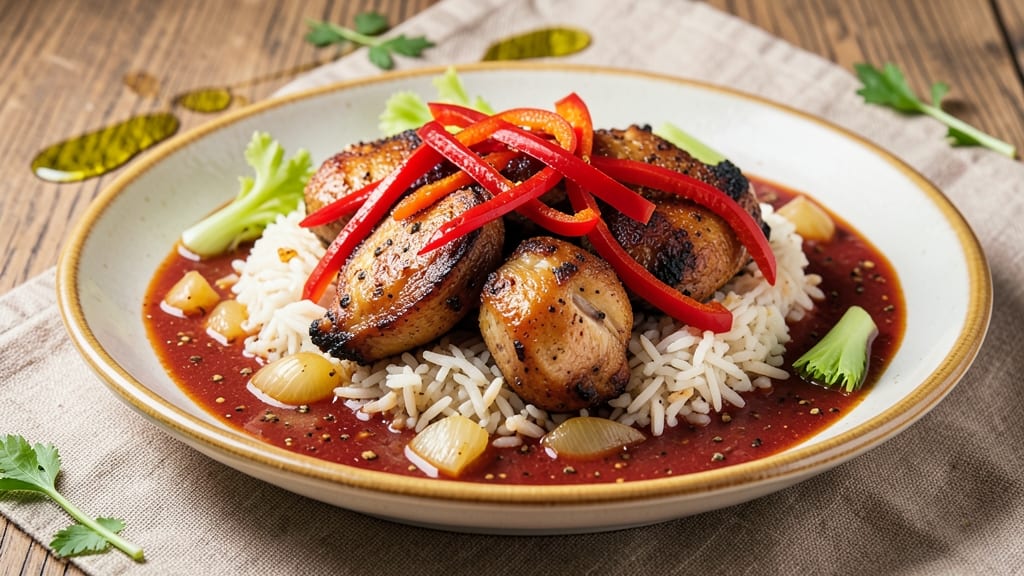
The arroz con pollo sauce recipe transforms simple ingredients into a rich, aromatic foundation that elevates every bite of this beloved Latin dish. This sauce—built on sofrito, tomatoes, and warm spices—carries layers of smoky cumin, bright oregano, and sweet bell peppers that simmer into a velvety, deeply flavorful base.
What sets this version apart is the celery crown technique, where whole celery stalks create a fragrant crown that infuses the sauce with subtle bitterness and earthy depth.
Unlike store-bought versions, this sauce develops its complexity through careful sautéing and slow simmering, allowing the spices to bloom and the tomatoes to break down into a luscious, slightly thickened consistency. The process is straightforward but requires patience—no shortcuts here.
You'll start with a simple mirepoix of onions, garlic, and peppers, then build flavor through toasted spices and simmered aromatics. The result? A sauce that's restaurant-quality and ready to pair with rice, chicken, or even as a standalone dip.
What makes this sauce truly special is its versatility. Use it as the foundation for your arroz con pollo, drizzle it over grilled meats, or serve it with crusty bread for dipping.
The flavors deepen over time, making it perfect for meal prep—simmer a double batch and store it for up to 5 days in the refrigerator or 3 months in the freezer. Each spoonful delivers that perfect balance of sweet, smoky, and tangy notes that define Latin comfort food.
The secret lies in the technique: sautéing the vegetables until deeply caramelized before adding the tomatoes and spices ensures a rich, complex flavor profile. Let the sauce reduce slightly at the end to concentrate those flavors, creating a base that's bold yet balanced.
Whether you're cooking for a family gathering or a weeknight dinner, this sauce will become your go-to for adding depth and warmth to any dish.
Ingredients for arroz con pollo sauce
This sauce starts with a sofrito base and builds to restaurant-quality depth through celery crown technique and slow simmering.
| Ingredient | Amount | Notes |
|---|---|---|
| Extra-Virgin Olive Oil 🫒 | ½ cup | High-quality, fruity variety |
| Yellow Onions 🧅 | 1 whole | Medium size, diced |
| Green Bell Peppers 🌶️ | 1 whole | Medium size, sliced |
| Celery Stalks 🥬 | 3 whole | For celery crown technique |
| Garlic Cloves 🧄 | 4 cloves | Peeled and minced |
| Ground Cumin 🌿 | 1 ½ tbsp | Toasted for depth |
| Dried Oregano 🍃 | 1 tbsp | Mexican oregano preferred |
| Smoked Paprika 🌶️ | 1 tbsp | For smoky flavor |
| Canned San Marzano Tomatoes 🍅 | 28 oz | Crushed or diced |
| Chicken Broth 💧 | 1 cup | Low-sodium preferred |
| Bay Leaves 🌿 | 2 whole | Fresh or dried |
| Salt 🧂 | 1 tsp | Diamond Crystal preferred |
| Black Pepper 🌶️ | ½ tsp | Freshly ground |
The celery crown technique is what sets this sauce apart. Whole celery stalks create a fragrant crown that infuses the sauce with subtle bitterness and earthy depth. For best results, use fresh, crisp celery—avoid the wilted kind at the back of the produce section. The San Marzano tomatoes are non-negotiable here; their sweetness and low acidity create a velvety texture. If you can't find them, Roma tomatoes are your second choice. Toast the cumin and smoked paprika in the olive oil until fragrant—this step is crucial for developing the sauce's complex flavor profile.
No Mexican oregano? Regular dried oregano at half the amount works in a pinch, though the flavor won't be quite the same. Running low on chicken broth? Vegetable broth with a splash of soy sauce mimics the umami depth. The bay leaves add subtle earthiness, but if you're short on time, 1 tsp dried thyme can substitute. For the celery crown, leave the stalks whole and tie them together with kitchen twine before removing them after simmering—this keeps them intact for easy removal. The onions and bell peppers should be sautéed until deeply caramelized, which takes about 10-12 minutes over medium-low heat.
This sauce tastes even better the next day as the flavors meld. Store it in an airtight container in the refrigerator for up to 5 days or freeze for 3 months in portion-sized containers. For meal prep, double the batch—it's perfect for arroz con pollo, grilled meats, or as a standalone dip. When reheating, add a splash of water or broth to prevent thickening. The celery crown can be reused in soups or stocks after removing from the sauce.
Why You'll Love This Recipe
- One-Pot Magic: I swear by this recipe because it’s foolproof—just sauté onions, peppers, and celery in that golden olive oil until they’re soft, add the garlic, and let the sauce build. No fancy techniques, no stress, just layers of flavor in one pot.
- Garlic Kiss: That moment when you crush fresh garlic into the olive oil and let it bloom? Pure satisfaction. The sauce gets this deep, savory richness that clings to every grain of rice, making it taste like it simmered all day.
- Weeknight Hero: Between us, this is my go-to when I’m exhausted but still want something hearty. Double the batch on Sunday, and you’ve got lunch and dinner covered—plus, it reheats like a dream (no mushy rice here).
- Budget Win: Onions, peppers, celery, and garlic? Pantry staples that won’t break the bank. The olive oil adds a touch of luxury, but the rest is cheap, filling, and always hits the spot—whether it’s a quick weeknight meal or a potluck crowd-pleaser.
Step-by-step instructions for arroz con pollo sauce
This sauce builds flavor in layers—start with the aromatic base, then let the spices bloom before finishing with tomatoes and herbs.
Develop the Sofrito Base
Heat the 0.5 cup extra-virgin olive oil in a large Dutch oven over medium heat. Add the diced yellow onions, sliced green bell peppers, and 3 whole celery stalks (cut into celery crowns). Cook for 8-10 minutes until the vegetables soften and release their moisture, but don't let them brown.
This step creates the foundational texture of your sauce. The celery crowns add a delicate crunch that contrasts beautifully with the creamy rice later. Stir occasionally to prevent sticking, and keep the heat steady—too high will burn the vegetables before they soften properly.
Bloom the Spices
Add the 4 minced garlic cloves, 1.5 tbsp ground cumin, 1 tbsp dried oregano, and 1 tbsp smoked paprika to the pot. Stir constantly for 1-2 minutes until the spices are fragrant and the garlic turns golden. This is where the magic happens—the spices release their essential oils, creating deep, complex flavor.
Watch closely during this step. The cumin especially can burn quickly, so keep the heat at medium-low if needed. The moment the spices are aromatic but not browned, move to the next step. This prevents bitterness and ensures a balanced flavor profile.
Incorporate Tomatoes and Broth
Pour in the 28 oz canned San Marzano tomatoes and 1 cup chicken broth. Add the 2 whole bay leaves, 1 tsp salt, and 0.5 tsp black pepper. Bring the mixture to a gentle simmer over medium heat, then reduce heat to low and let it cook uncovered for 20-25 minutes.
Stir occasionally to prevent the sauce from sticking to the bottom. You're looking for a slightly thickened consistency with the tomatoes breaking down into a rich, velvety texture. The bay leaves will infuse subtle herbal notes, and the tomatoes will deepen in color to a rich, rustic red.
Simmer to Perfection
Once the sauce has thickened and reduced by about one-third, taste and adjust seasoning if needed. Remove the bay leaves at this point—they've done their job. For the best texture, strain the sauce through a fine-mesh sieve if you prefer a silky finish, or leave it slightly rustic with small vegetable pieces for added texture.
This sauce should coat the back of a spoon with a velvety consistency. If it's too thick, add a splash of warm water or broth to reach your desired texture. The finished sauce should have a balanced blend of smoky, earthy, and slightly sweet flavors with a subtle herbal depth from the bay leaves.
Pro Tips For Making Arroz Con Pollo Sauce
- Sweat the Sofrito Slowly: Start your onions, bell peppers, and celery in olive oil over medium-low heat—not high, not rushed. I used to blast this mix and end up with charred bits that tasted bitter, so now I let it cook for 8-10 minutes, stirring occasionally, until the veggies are soft and the oil is infused with their flavor. The garlic goes in last, just until fragrant—no browning.
- Chop Celery Like a Pro: Cut the celery stalks lengthwise first, then crosswise into thin half-moons. This gives you more surface area to cook down into the sauce without leaving bulky chunks that stay underdone. (Yes, it takes 30 seconds extra, but your sauce will actually blend smoothly instead of looking like a veggie stew.)
- Don’t Rush the Deglaze: After browning your chicken, let those fond bits cool for just 30 seconds before adding liquid. Scrape the pan with a wooden spoon while pouring in the broth or tomato sauce—this lifts all the flavor stuck to the bottom. Skimping here means a dull, watery sauce instead of something rich and layered.
- Toast the Garlic Right: Add the minced garlic to the sofrito only in the last 30 seconds of cooking, when the veggies are already soft. It should sizzle but not turn golden—just perfume the oil. Overcooked garlic turns acrid, and that’s the last thing you want in a dish where the sauce carries the whole meal. (Trust me, I’ve ruined batches.)
Health benefits of arroz con pollo sauce
Rich in Antioxidants
The vibrant green bell peppers and celery in this sauce are packed with vitamin C and vitamin A, both powerful antioxidants that help fight free radicals in your body. A single serving delivers about 50% of your daily vitamin C needs, supporting immune function and collagen production.
The smoked paprika also contains capsaicin, a compound linked to reduced inflammation. 💪
Fiber for Digestion
The whole celery crown technique adds soluble fiber that promotes healthy digestion and helps regulate blood sugar levels. The onions contribute prebiotic fiber, feeding the beneficial bacteria in your gut.
Together, these ingredients create a sauce that's not just flavorful but also supports your digestive health. The slow simmering process preserves these nutrients better than quick cooking methods.
Heart-Healthy Fats
The extra-virgin olive oil used as the base provides monounsaturated fats, known for supporting heart health by lowering bad cholesterol levels. Just 0.5 cup contains about 14 grams of healthy fats that help reduce inflammation throughout your body.
The combination of olive oil and tomatoes also creates a sauce with anti-inflammatory properties, making it beneficial for long-term cardiovascular health.
Protein Boost
While this sauce isn't a protein powerhouse on its own, it's designed to pair perfectly with protein-rich dishes like arroz con pollo. The chicken broth adds collagen and amino acids that support muscle repair and tissue growth.
When combined with chicken or other proteins, this sauce creates a complete meal with balanced nutrition. The spices like cumin and oregano also contain small amounts of protein and essential minerals.
Low-Calorie Comfort
This sauce delivers rich, satisfying flavors while remaining relatively low in calories—about 120 calories per serving when made with the full recipe. The tomato base provides natural sweetness without added sugars, while the vegetables add volume and nutrients without excess fat.
It's the perfect way to enjoy flavorful, comforting food without the heavy calorie load of many restaurant versions. 🌱
Blood Sugar Balance
The combination of complex carbohydrates from the vegetables and the fiber content helps stabilize blood sugar levels after meals. The slow cooking process allows the natural sugars in the tomatoes and onions to caramelize, creating a sauce with a deeper flavor profile that satisfies cravings without spiking blood sugar.
This makes it an excellent choice for those managing diabetes or watching their carbohydrate intake.
Nutrition facts
Frequently asked questions
Can I substitute San Marzano tomatoes for regular canned tomatoes?
You can, but expect a slightly different flavor profile. San Marzano tomatoes are sweeter and less acidic, creating a velvety texture. Regular crushed tomatoes work in a pinch, but add ½ tsp sugar and ½ tsp lemon juice to mimic the balance. For the best results, use Roma tomatoes or high-quality crushed tomatoes. The sauce will still be delicious, just with a slightly more pronounced tomato acidity.
How do I adjust the spice level for kids or sensitive palates?
Reduce the smoked paprika to ½ tbsp and omit the oregano entirely—it's the most flavorful spice. For extra mildness, skip the celery crowns (they add subtle bitterness) and use ½ tsp mild paprika instead. The sauce will still have depth from the cumin and garlic, just without the bold Latin flavors. Always taste as you go!
What's the secret to making this sauce thicker for arroz con pollo?
Simmer the sauce uncovered for an extra 5-10 minutes to reduce it further, or mash 1-2 cooked celery crowns into the sauce before removing them. For instant thickening, mix 1 tbsp cornstarch with 2 tbsp cold water, stir into the sauce, and simmer for 2 minutes until it reaches your desired consistency. The key is patience—don't rush the reduction!
Can I make this sauce in a slow cooker or Instant Pot?
Yes! For a slow cooker, sauté the vegetables and spices first, then transfer everything to the pot and cook on low for 4-5 hours or high for 2-3 hours. For an Instant Pot, sauté the veggies, then add everything else and cook on high pressure for 8 minutes, followed by a natural release. The Instant Pot version will be slightly thinner—reduce it further on the stovetop if needed.
Why does my sauce taste bitter? What went wrong?
Bitterness usually comes from overcooking the spices (especially cumin) or burning the vegetables. Keep heat at medium-low when blooming spices, and never let the onions or peppers brown. If it's too late, balance the flavor with 1 tsp honey or sugar and a pinch of salt. For future batches, remove the celery crowns earlier—they can contribute bitterness if overcooked.