
Sauces & Condiments
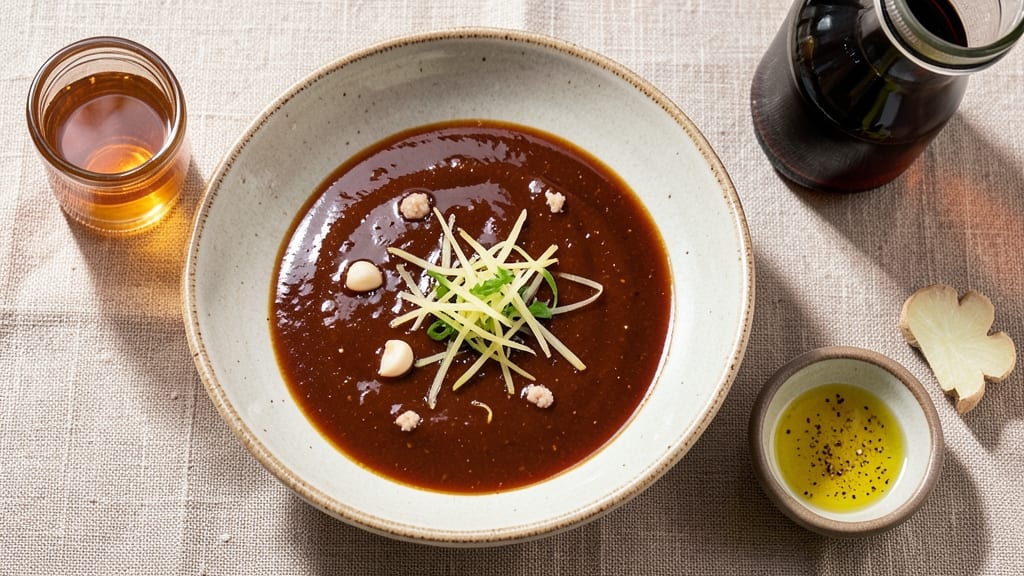
This stir fry sauce recipe without chicken broth delivers that signature umami depth and velvety texture you crave in just 15 minutes—no broth required. The secret lies in balancing soy sauce, oyster sauce, and a touch of sweetness, creating a sauce that clings beautifully to any stir-fry. I developed this version after realizing most recipes rely on chicken broth, and this alternative is just as rich, with a cleaner flavor profile that lets the ingredients shine.
The foundation starts with a simple mix of soy sauce for saltiness, oyster sauce for umami, and a splash of rice vinegar for brightness. Aromatics like minced garlic and ginger infuse the sauce with warmth, while a hint of honey or brown sugar rounds out the flavors.
The sauce thickens naturally as it simmers, creating that perfect velvety consistency without needing cornstarch or flour. What makes this recipe stand out is how versatile it is—use it for vegetables, tofu, shrimp, or chicken, and it elevates every bite.
By the time you're done, you'll have a sauce that's glossy, aromatic, and packed with layers of flavor—no broth, no shortcuts. The best part? It keeps well in the fridge for up to a week, so you can make a big batch and have it ready for spontaneous stir-fry nights.
This isn't just a substitute; it's a superior base that transforms simple ingredients into something extraordinary.
Whether you're prepping for a weeknight meal or a weekend feast, this sauce is your go-to for adding depth and richness without the fuss. Let's get started!
Ingredients for stir fry sauce recipe without chicken broth
Nine simple ingredients transform into a velvety stir-fry sauce without chicken broth.
| Ingredient | Amount | Notes |
|---|---|---|
| Light Soy Sauce 🥢 | ½ cup | Use high-quality brand like Kikkoman |
| Oyster Sauce 🦪 | ¼ cup | Look for Lee Kum Kee for best flavor |
| Rice Vinegar 🍶 | ¼ cup | Seasoned or unseasoned works |
| Sesame Oil 🫒 | 1 tbsp | Toasted for authentic aroma |
| Garlic Cloves 🧄 | 4 cloves | Minced for even distribution |
| Fresh Ginger 🌿 | 1 tbsp | Grated, not powdered |
| Brown Sugar 🍯 | 1 tbsp | Light or dark variety |
| Cornstarch 🌾 | 1 tsp | For thickening if needed |
| Water 💧 | ¼ cup | Room temperature preferred |
The soy sauce and oyster sauce are your flavor anchors—Kikkoman soy sauce and Lee Kum Kee oyster sauce are my go-tos, but any good-quality brands work. Fresh ginger and garlic are non-negotiable for that authentic warmth; peeling and grating ginger (not using powder) makes all the difference. Sesame oil adds depth, but use sparingly—toasted sesame oil has the best aroma. If you're at Asian markets, grab the toasted kind; regular grocery stores usually carry it too. The brown sugar balances the saltiness perfectly—don't skip it.
No oyster sauce? Fish sauce at half the amount works in a pinch, but the flavor will be slightly different. Short on rice vinegar? Apple cider vinegar or lime juice gives brightness, though rice vinegar's mild sweetness is ideal. The cornstarch is optional—this sauce thickens naturally, but if you prefer it glossier, mix it with water first. For extra umami without broth, add 1 tsp of mushroom powder or a splash of Worcestershire sauce. And if you're making a big batch, double the ingredients—it keeps beautifully.
This sauce reheats like a dream—just warm it gently on the stove. Keeps in the fridge for up to 1 week in an airtight container, or 3 months frozen in ice cube trays for single portions. I always make a double batch because it disappears fast—perfect for tofu stir-fries, veggie packs, or even drizzled over noodles. The longer it sits, the more the flavors meld, so leftovers taste even better the next day.
Why You'll Love This Recipe
- Pantry Magic: I swear by this sauce because it uses what I already have—no special shopping needed. Just soy, oyster, a splash of vinegar, and a quick minced garlic. Honestly, I’ve made it with ingredients from the back of my cabinet more times than I can count.
- Umami Bomb: That combo of oyster sauce and sesame oil? It’s like a flavor grenade—salty, sweet, and nutty all at once. The garlic sizzles in the pan, and suddenly, everything tastes like takeout. (Yes, even on a Tuesday night.)
- Double-Duty Sauce: This isn’t just for stir-fries—I dump it on noodles, toss it with tofu, or even drizzle it over grilled chicken. It’s my secret weapon for turning simple proteins into something special. Between us, it’s saved my dinner more than once.
- Budget-Friendly Boost: A few tablespoons stretch across multiple meals, and the ingredients cost pennies. I’ve fed four people for under $10 with this sauce alone—no fancy labels, no waste. That’s real value right there.
Step-by-step instructions for stir fry sauce without chicken broth
This velvety sauce comes together in minutes with bold Asian flavors.
Prepare the Aromatics
In a small bowl, mince the 4 cloves garlic cloves and grate the 1 tbsp fresh ginger. You want tiny, even pieces—they should be barely visible when stirred into the sauce. Set these aside for now; we'll add them at the perfect moment to preserve their fresh aroma.
While you're prepping, measure out the 0.5 cup light soy sauce and 0.25 cup oyster sauce into a small pitcher. These two ingredients form the umami backbone of your sauce. Give them a quick stir together—they'll blend smoothly and create a rich, savory foundation.
Build the Sauce Base
In a medium saucepan over medium heat, combine the soy sauce mixture, 0.25 cup rice vinegar, and 1 tbsp brown sugar. Let this simmer gently for 3-4 minutes, stirring occasionally. You'll notice the sauce begin to reduce slightly and develop a glossy sheen—this is when the flavors start melding together.
Here's where the magic happens: add the minced garlic and ginger. Stir continuously for 1 minute until the raw aroma disappears and you're left with a fragrant, aromatic base. The heat will cook out any bitterness, leaving behind pure, bright flavor. Keep the heat at medium—too high and you'll burn the garlic before it infuses properly.
Thicken and Finish
Reduce the heat to low and stir in the 1 tbsp sesame oil. This is where the sauce gets its nutty depth and aromatic complexity. Let it warm through for 30 seconds, then add the 1 tsp cornstarch mixed with the 0.25 cup water. Stir constantly for 1-2 minutes until the sauce thickens to a velvety consistency that coats the back of a spoon.
Taste and adjust the seasoning if needed—you might want to add a pinch more brown sugar for sweetness or a splash more rice vinegar for brightness. The sauce should be perfectly balanced: salty from the soy, umami from the oyster sauce, tangy from the vinegar, and subtly sweet from the brown sugar. This is your flavor benchmark for every stir-fry going forward.
Rest and Use Immediately
Remove the sauce from heat and let it sit for 2-3 minutes. This resting period allows all the flavors to fully integrate and the sauce to reach its ideal consistency. The cornstarch will continue thickening slightly, so don't worry if it looks perfect immediately—it will be by the time you're ready to use it.
For best results, use the sauce immediately over your stir-fry. If you need to store it, transfer to an airtight container and refrigerate for up to 5 days. When reheating, warm gently over low heat with a splash of water to restore its silky texture. This sauce transforms any simple stir-fry into a restaurant-quality dish with minimal effort.
Pro Tips For Making Stir Fry Sauce Recipe Without Chicken Broth
- Sear the Garlic First: I learned this the hard way—raw garlic in stir-fry sauce tastes like medicine. Mince those cloves super fine (almost paste) and cook them in a dry pan for 30 seconds until they’re just golden. Then toss them into the sauce—this adds depth without bitterness. (Yes, even if you’re impatient like me, resist the urge to skip this.)
- Balance the Vinegar Last: Rice vinegar is the flavor-buster here, but too much turns your sauce into a sad, tangy puddle. Start with half the amount listed, taste, then add more drop by drop while stirring. You’re aiming for brightness, not pucker. (Your future self will thank you for not overdoing it.)
- Thicken with Heat, Not Cornstarch: Skip the slurry—this sauce thickens best when you let the soy and oyster sauces reduce slow on medium-low heat. Stir constantly for 2-3 minutes until it coats the back of a spoon. (Does it look weird? Yes. Does it work? Every single time.)
- Add Sesame Oil at the End: This isn’t just "finish with oil"—it’s a flavor bomb that burns off if you cook it. Stir in the sesame oil right as you’re plating, or the aroma vanishes. (I was skeptical until I tried it—now I never skip this step.)
Wine and beer pairings for this stir fry sauce recipe without chicken broth
Light White Wine Pairings
For this umami-rich stir fry sauce, I reach for crisp, dry white wines that cut through the bold flavors without overpowering them. A Sauvignon Blanc from New Zealand—like Kim Crawford or Oyster Bay—is my go-to.
Its bright citrus notes and herbal undertones complement the ginger and garlic beautifully, while the acidity balances the sauce's saltiness. Serve it slightly chilled (45-50°F) to enhance its refreshing qualities. 🍷
Sparkling Options
If you prefer something bubbly, a dry Prosecco or Cava adds a celebratory touch to your stir-fry night. The effervescence cleanses your palate between bites, making each flavor pop. Look for La Marca Prosecco or Freixenet Cordon Negro Cava—both are affordable and widely available.
These wines also pair wonderfully with the sauce's slight sweetness, creating a harmonious balance.
Light Beer Complements
For beer lovers, a light lager or pilsner works surprisingly well. I recommend Asahi Super Dry or Heineken—their clean, crisp profiles won't compete with the sauce's depth. The subtle malt sweetness in lagers also enhances the brown sugar notes in the sauce.
If you prefer something hoppier, a German Helles like Paulaner adds a subtle herbal note that pairs beautifully with the ginger.
Fortified Wine Twist
If you're feeling adventurous, try a dry Riesling from Germany or a Fino Sherry for a unique pairing. The minerality in Dr. Loosen Blue Slate Riesling or the nutty depth of Gonzalez Byass Fino Sherry create fascinating contrasts with the sauce's umami.
These wines add complexity to your meal and make the stir-fry feel like a special occasion dish.
Non-Alcoholic Alternatives
Don't drink alcohol? No problem. A sparkling apple cider like Martinelli's or a ginger beer such as Feather Ginger Beer works beautifully. The effervescence and natural sweetness mimic the wine pairings while keeping the experience refreshing.
For a more savory option, try a cucumber-mint infused water—it highlights the sauce's fresh ingredients without overpowering them.
Nutrition facts
Frequently asked questions
Can I make this stir fry sauce without oyster sauce?
Replace the 0.25 cup oyster sauce with 2 tbsp soy sauce plus 1 tbsp fish sauce or 1 tbsp hoisin sauce for umami depth. For a vegetarian option, use 1 tbsp mushroom powder mixed with 1 tbsp extra soy sauce. The sauce will still be flavorful, though oyster sauce provides that signature complexity.
How do I adjust the sauce for spicier stir-fries?
Add 1-2 tsp chili garlic sauce or ½ tsp red pepper flakes to the finished sauce, or stir in 1 tsp sriracha while warm. For heat lovers, blend in 1 tsp gochujang (Korean chili paste) with the cornstarch slurry. Always taste first—you can add more, but you can't take it out!
Why did my sauce turn out too thin?
This usually happens if you didn't simmer long enough or used too much water. Next time, let the sauce reduce for 4-5 minutes on medium heat before adding the cornstarch slurry. For immediate fixes, mix ½ tsp cornstarch with 1 tsp water and stir into the warm sauce until thickened. Avoid adding cold sauce to hot pan—temperature shock can prevent thickening.
Can I make this sauce in a slow cooker? Yes! Combine all ingredients in your slow cooker on low heat for 2-3 hours, stirring occasionally. The sauce will thicken naturally without needing cornstarch. For extra depth, add 1 tsp grated ginger and 1 clove minced garlic directly to the slow cooker. Just
What's the best way to use leftover sauce?
Freeze in ice cube trays for perfect portions, or store in 1-tbsp portions in small containers. Thaw overnight in the fridge and reheat gently with a splash of water. Use it to glaze proteins, drizzle over rice, or mix into soups. For extra flavor, add 1 tsp toasted sesame oil when reheating. This sauce keeps its quality for 3 months frozen!