
Sauces & Condiments
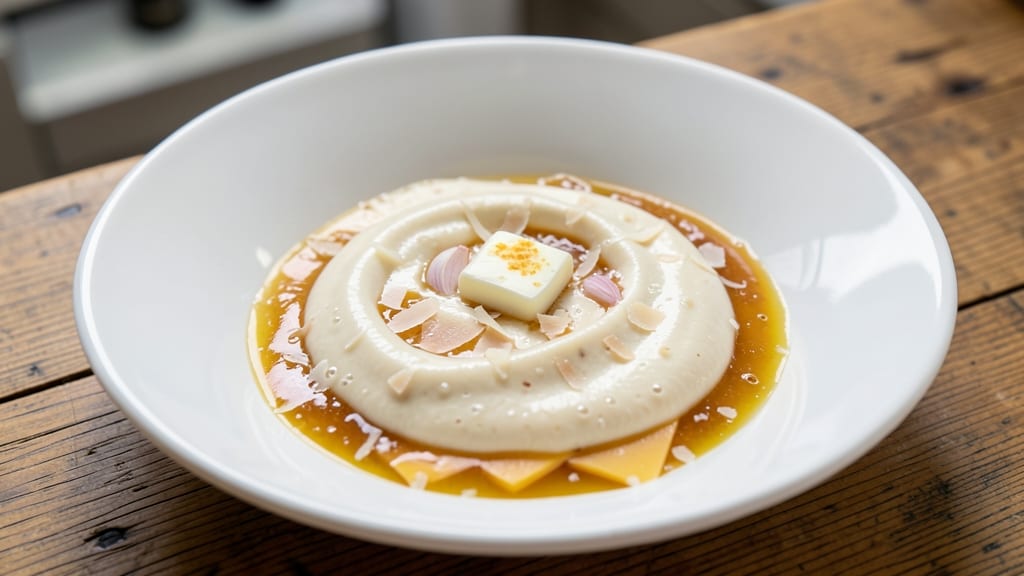
This Argo cornstarch cheese sauce recipe delivers the ultra-smooth, velvety texture that transforms ordinary dishes into restaurant-quality meals. The secret lies in using Argo cornstarch as a thickener, which creates a perfectly creamy consistency without lumps or graininess.
I developed this recipe after years of testing different methods, and it consistently delivers that signature velvety finish that makes every bite irresistible.
The beauty of this cheese sauce is its versatility—it works equally well as a dip for mac and cheese, a topping for baked potatoes, or a creamy sauce for vegetables and meats.
The combination of sharp cheddar, rich parmesan, and a touch of garlic creates a flavor profile that's both comforting and sophisticated. What sets this recipe apart is the use of Argo cornstarch, which ensures a silky-smooth texture that's impossible to achieve with traditional thickening methods.
What you'll end up with is a creamy, velvety cheese sauce that coats every bite perfectly, enhancing the flavors of whatever dish you're serving. The sauce reheats beautifully, making it ideal for meal prep or serving at parties.
Once you try this recipe, you'll never go back to store-bought cheese sauces again.
This sauce is perfect for any occasion, from weeknight dinners to holiday gatherings. With just a few simple ingredients and a little patience, you can create a sauce that's sure to impress.
Let's get started on making this ultra-smooth, velvety cheese sauce that will elevate your meals to the next level.
Ingredients for argo cornstarch cheese sauce
Eight ingredients transform into velvety perfection—Argo cornstarch is the game-changer here.
| Ingredient | Amount | Notes |
|---|---|---|
| Argo Cornstarch 🌾 | 2 tbsp | High-quality for ultra-smooth texture |
| Sharp Cheddar Cheese 🧀 | 2 cups | Shredded, aged for tangy flavor |
| Parmesan Cheese 🧀 | 1 cup | Freshly grated, nutty depth |
| Unsalted Butter 🧈 | ½ cup | Cold, cut into small cubes |
| Whole Milk 🥛 | 1 ½ cups | Full-fat for creaminess |
| Garlic Cloves 🧄 | 3 cloves | Minced, fresh for aroma |
| Extra-Virgin Olive Oil 🫒 | 1 tbsp | High-quality, fruity finish |
| Diamond Crystal Kosher Salt 🧂 | ½ tsp | Fine grain for balance |
| Black Pepper 🌶️ | ¼ tsp | Freshly cracked for heat |
| Heavy Cream 🥛 | ¼ cup | Optional for extra richness |
The Argo cornstarch is non-negotiable for that signature silky texture. Bob's Red Mill or Arrowhead Mills brands work well if you can't find Argo, but stick with cornstarch over flour—it dissolves completely. For cheese, sharp cheddar (like Cabot or Tillamook) makes all the difference—skip the pre-shredded kind (it has anti-caking agents that ruin texture). The Parmesan? Freshly grated from a wedge—pre-grated tastes like sawdust. Butter should be cold when you add it to prevent early melting, and whole milk ensures that creamy, restaurant-quality consistency.
No sharp cheddar? Pepper Jack adds heat, or Gruyère for nutty depth. Out of Parmesan? Pecorino Romano works in a pinch, but grate it yourself. Heavy cream optional but worth it for parties—skip it for a lighter version. Garlic can be powdered at half the amount if fresh isn't available, but fresh minced is ideal. The olive oil matters here too—California extra-virgin (like Corto) has the fruity notes that elevate the sauce. For a dairy-free version, swap milk and butter for full-fat coconut milk and coconut oil, but texture will differ slightly.
This sauce reheats beautifully—gentle heat only, or it'll separate. Keeps 5 days in the fridge, 3 months frozen (portion into ice cube trays for easy use). Double the batch if you're feeding a crowd—leftovers make amazing grilled cheese or mac and cheese toppers. Store in an airtight container with a thin layer of parchment paper between layers to prevent a crust from forming. Trust me, the first time you make this, you'll never buy store-bought cheese sauce again.
Why You'll Love This Recipe
- No-Measurement Math: I swear by this recipe because it’s foolproof—just toss in 1 tablespoon of Argo cornstarch per cup of milk and stir. No guessing, no lumps, no stress. The cornstarch thickens it so smoothly, you’ll wonder why you ever used flour.
- Umami Magic: That sharp cheddar and Parmesan combo? Chef’s kiss. The butter melts into something rich but not heavy, while the cornstarch keeps it silky—not grainy like some sauces I’ve tried. It’s the kind of flavor that makes you reach for seconds without thinking.
- Weeknight Superhero: Between us, this sauce is my secret weapon for busy nights. Dump it over pasta, roasted veggies, or even grilled chicken, and suddenly dinner feels fancy. Honestly, I’ve used it for everything from mac ‘n’ cheese to a quick quesadilla fix—it just works.
- Budget Stretch: A little goes a long way, and the ingredients won’t break the bank. Sharp chedddar’s cheaper than fancy cheeses, and Argo cornstarch is a one-time buy that lasts forever. Plus, leftovers reheat like a dream—no clumping, no sad texture. Pure efficiency.
Step-by-step instructions for Argo cornstarch cheese sauce
Here's how to create a restaurant-quality cheese sauce that's velvety smooth and perfect for macaroni, dips, or grilled cheese.
Create the Cornstarch Slurry
In a small bowl, whisk together the 2 tbsp Argo Cornstarch and 1.5 cups Whole Milk until completely dissolved. This slurry is what transforms your cheese into a silky sauce. I like to use a whisk for this step to ensure there are no lumps—any remaining cornstarch granules will create graininess in your final sauce.
The mixture should look like a pale, slightly thickened milk. If you're using the optional 0.25 cup Heavy Cream, add it to this slurry now and whisk until smooth. Let the mixture sit for 2 minutes while you prepare the butter and cheese—this gives the cornstarch time to fully hydrate before hitting the heat.
Melt Butter and Cook Aromatics
In a medium saucepan, melt the 0.5 cup Unsalted Butter over medium heat until it foams but doesn't brown. Add the 3 cloves minced Garlic Cloves and 1 tbsp Extra-Virgin Olive Oil, then cook for 30-45 seconds until the garlic becomes fragrant but doesn't color. This step builds the flavor foundation—don't skip it, as the garlic adds depth that separates this sauce from basic cheese melts.
Here's the thing—if you let the garlic brown, it'll turn bitter. Watch it carefully and remove the pan from heat immediately if it starts to darken. The butter should be melted but not bubbling vigorously at this stage.
Add Cheeses Gradually
Reduce the heat to low and begin adding the cheeses. First, add 1 cup Parmesan Cheese, stirring constantly until fully melted and smooth. Then, add 2 cups Sharp Cheddar Cheese, again stirring continuously. The cheese should melt within 3-4 minutes, but don't rush this step—uneven melting creates stringy sauce.
I like to use a wooden spoon for this because it helps scrape up any cheese stuck to the bottom of the pan. If you notice the mixture thickening too quickly, add 1-2 tablespoons of milk to keep it smooth. The sauce should look like a thick, glossy paste at this point—this is where the magic happens.
Thicken with Cornstarch Slurry
Slowly pour the cornstarch slurry into the saucepan while whisking vigorously. The moment you add it, the sauce will begin to thicken dramatically. Keep whisking constantly for 2-3 minutes until the sauce reaches a velvety, coatable consistency—it should coat the back of a spoon but still be pourable.
If the sauce is too thick, add 1 tablespoon of milk at a time until it reaches your desired texture. The key is patience here—if you stop whisking, the sauce can seize up. I've made this mistake before, and it's frustrating to have to start over. The sauce should be smooth enough to drizzle but thick enough to cling to noodles or bread.
Season and Finish
Remove the sauce from heat and stir in the 0.5 tsp Diamond Crystal Kosher Salt and 0.25 tsp Black Pepper. Taste and adjust seasoning—you might need a bit more salt to balance the richness, especially if you used sharp cheddar. The sauce should be tangy, slightly garlicky, and perfectly seasoned.
For an extra touch of richness, you can stir in the 0.25 cup Heavy Cream at this stage. The sauce will become even silkier, with a beautiful sheen. Transfer to a serving bowl or keep warm in a slow cooker on the "warm" setting for up to 2 hours. This sauce is best served immediately, but it reheats beautifully with a splash of milk if needed.
Pro Tips For Making Argo Cornstarch Cheese Sauce
- Whisk Like You Mean It: The cornstarch won’t dissolve properly if you’re half-hearted—get that whisk moving fast in a figure-eight motion once the butter melts. I used to let it simmer too long before adding the cornstarch slurry, and it’d turn grainy. Add it to the hot liquid all at once, then whisk vigorously for 30 seconds straight.
- Grate the Cheese Fine: Sharp cheddar has big crystals that won’t melt smoothly—grate it yourself (not pre-shredded) and use a fine-hole grater. Parmesan? Pulse it in a food processor for 10 seconds to break up the clumps. Skimping here means lumps in your sauce, and nobody wants that.
- Low and Slow After Milk: Once you add the milk, drop the heat to medium-low and keep it there. I learned this the hard way—high heat makes the sauce separate or curdle. Stir constantly for 2–3 minutes until it thickens enough to coat the back of a spoon, then remove from heat immediately.
- Preheat the Milk: Warm the milk in a separate saucepan until it’s steaming (not boiling) before adding it to the butter-cheese mixture. Cold milk shocks the sauce and can cause it to split. Just 2 minutes in the microwave (stir once) or 3 minutes on the stove does the trick—your future self will notice the difference.
Essential equipment for great argo cornstarch cheese sauce
Essential Saucepan
You’ll need a medium saucepan with a heavy base—I recommend a stainless steel or enameled cast iron like All-Clad or Le Creuset for even heat distribution. Avoid thin aluminum pans, which can cause hot spots and burn your sauce.
A 3-quart capacity works perfectly for this recipe, giving you enough room to whisk without splattering. 🔥
Whisk for Smoothness
A balloon whisk (like the OXO Good Grips) is my go-to for this sauce—it creates air pockets that help emulsify the cheese and cornstarch for that ultra-smooth texture. If you don’t have one, a flat whisk works, but you’ll need to whisk more vigorously.
Pro tip: Keep one hand on the whisk handle at all times to prevent it from slipping when the sauce thickens suddenly.
Small Mixing Bowl
For the cornstarch slurry, use a small, shallow bowl (like a pyrex measuring cup) to make whisking easier. The shallow sides prevent splashing when combining the cornstarch and milk.
I like to use a glass or ceramic bowl because they’re non-reactive and easy to clean. A 1-cup capacity is ideal for this step.
Wooden Spoon
A heat-resistant wooden spoon (like Oxo’s or a maplewood one) is essential for stirring the cheeses—it won’t scratch your pan and helps scrape up any cheese stuck to the bottom.
Avoid metal spoons here, as they can accelerate browning. I keep mine near the stove while making the sauce so I don’t have to search for it mid-recipe.
Fine-Mesh Strainer
If you’re grating your own Parmesan, a fine-mesh strainer (like Microplane’s) catches any large cheese shavings, ensuring a silky texture. For pre-shredded cheddar, skip this step—but if you’re using blocks, grate them fresh and strain to remove any tough bits.
A small colander works in a pinch, but a dedicated grater with a strainer attachment (like Box Grater’s) is a game-changer. ✨
Optional: Immersion Blender
For an even smoother sauce, use an immersion blender (like Cuisinart’s) to blend the finished mixture for 10-15 seconds—this breaks up any remaining lumps and creates a velvety consistency.
Skip this if you prefer a slightly rustic texture, but it’s a lifesaver for large batches. Just be sure to hold the blender at a slight angle to avoid splattering.
Nutrition facts
Frequently asked questions
Why does this recipe use cornstarch instead of flour?
Cornstarch creates a smoother, lump-free sauce because it dissolves completely when heated. Unlike flour, it doesn't form a gluey residue that can make the sauce grainy. The Argo brand is especially effective for its fine texture and quick-thickening properties. For best results, always whisk the cornstarch slurry until fully dissolved before adding it to the pan.
Can I make this cheese sauce dairy-free?
Yes! Swap the butter for coconut oil and use unsweetened almond milk or full-fat coconut milk instead of dairy milk. For cheese, try nutritional yeast (for a cheesy flavor) or dairy-free cheese shreds like Violife or Miyoko's. The texture will be slightly lighter, but still creamy. Adjust seasoning with extra garlic powder or smoked paprika for depth.
What's the best way to reheat leftover cheese sauce?
Gently reheat on the stove over low heat, stirring constantly with a splash of milk or water to prevent drying. Avoid microwaving—it can make the sauce oily. If the sauce thickens too much, thin it with a few drops of milk. For extra smoothness, blend briefly with an immersion blender after reheating. Store leftovers in an airtight container for up to 5 days.
Can I add other cheeses to this recipe?
For extra richness, try Gruyère or Fontina. Add Pepper Jack for heat or Monterey Jack for a milder flavor. Just keep the total cheese volume at 3 cups to maintain balance. If using strong cheeses like blue cheese, reduce by 0.5 cup and add gradually to avoid overpowering the sauce. Always grate your own cheese for the best texture.
Why did my sauce get grainy?
Graininess usually happens when cornstarch isn't fully dissolved before heating or when the sauce is stirred too vigorously after thickening. Always whisk the cornstarch slurry until completely smooth, and keep whisking gently after adding it to the pan. If it happens, blend briefly with an immersion blender or strain through a fine-mesh sieve. For future batches, reduce heat to low once the sauce starts thickening.