
Sauces & Condiments
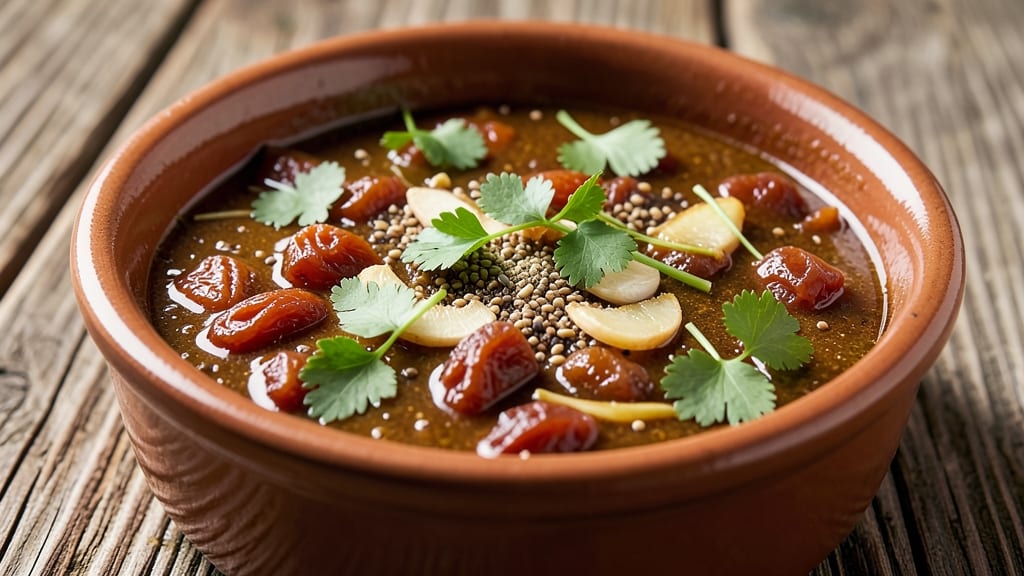
This apricot and coriander tagine sauce transforms ordinary meals into North African-inspired masterpieces with just a few simple ingredients. 🌟 The perfect balance of sweet dried apricots, bright coriander, and warm spices creates a versatile sauce that works as a glaze, marinade, or rich accompaniment for grilled meats and vegetables.
What makes this sauce truly special is how effortlessly it combines sweet, tangy, and aromatic flavors into one cohesive, restaurant-quality dish.
The foundation of this sauce lies in its rich, spiced base—cumin, cinnamon, and ginger infuse the broth with deep warmth, while dried apricots add natural sweetness that caramelizes beautifully as it simmers. Fresh coriander brings a bright, citrusy contrast that cuts through the richness, making every spoonful vibrant and complex.
Unlike many sauces that require complex techniques, this one relies on a slow reduction to intensify flavors naturally, ensuring depth without overpowering the dish it accompanies.
What you’ll end up with is a luscious, velvety sauce that clings to everything it touches—whether drizzled over grilled lamb, spooned over couscous, or used as a marinade for chicken. The texture is smooth yet slightly chunky, with tender pieces of apricot adding both visual appeal and bursts of sweetness.
This sauce doesn’t just elevate a meal; it transports you to the bustling spice markets of Marrakech with every bite.
Best of all, this recipe scales perfectly for any occasion—whether you’re hosting a dinner party or simply craving a taste of North Africa on a weeknight. Let’s get started on creating this sweet-spiced sauce that will become a staple in your kitchen.
Ingredients for apricot and coriander tagine sauce
Sweet dried apricots, bright coriander, and aromatic spices—just eleven ingredients for North African magic.
| Ingredient | Amount | Notes |
|---|---|---|
| Dried Apricots 🍑 | 1 cup | Chopped into small pieces |
| Fresh Coriander Leaves 🌿 | ½ cup | Stems removed, loosely packed |
| Ground Cumin 🌶️ | 1 ½ tbsp | Toasted for deeper flavor |
| Ground Cinnamon 🌿 | 1 tsp | High-quality Ceylon preferred |
| Fresh Ginger 🧄 | 1 tbsp | Grated, freshly peeled |
| Garlic Cloves 🧄 | 4 cloves | Minced, fresh preferred |
| Extra-Virgin Olive Oil 🫒 | ½ cup | For richness and balance |
| Vegetable Broth 💧 | 1 ½ cups | Low-sodium preferred |
| Orange Juice 🍊 | ¼ cup | Freshly squeezed |
| Honey 🍯 | 1 tbsp | For subtle sweetness |
| Lemon Juice 🍋 | 1 tbsp | Freshly squeezed |
| Salt 🧂 | ½ tsp | Diamond Crystal preferred |
| Black Pepper 🌶️ | ¼ tsp | Freshly ground |
The dried apricots are the heart of this sauce—look for plump, vibrant pieces at Whole Foods or specialty markets. The coriander should be fresh, with bright green leaves and no wilting, so hit the produce section first. Penzeys or bulk bins are great for spices like cumin and cinnamon, but if you're using pre-ground, check the date—freshly toasted cumin makes all the difference. For ginger and garlic, organic is ideal (no dirt clinging to roots), and I always grab extra since they're used in so many dishes. The orange juice should be freshly squeezed—Valencia oranges work best, and if you're using bottled, look for no-preservative-added brands.
No fresh coriander? Dried coriander at half the amount works, but it lacks that bright punch. Running low on orange juice? Lemon juice with a splash of maple syrup mimics the tangy-sweet balance. Substituting honey? Agave nectar or maple syrup keeps it vegan-friendly. The vegetable broth can be swapped for coconut milk for extra richness, though it'll change the texture slightly. For a quicker version, use low-sodium bouillon powder instead of broth, but dissolve it properly to avoid clumps. The olive oil is non-negotiable—extra-virgin with fruity notes ensures that perfect balance of richness.
This sauce keeps beautifully in the fridge for 5 days, with flavors deepening over time. For longer storage, freeze in ice cube trays—perfect for single-use portions. The texture will thicken when chilled, so give it a quick whisk with a splash of water or broth when reheating. I always make double batches because it disappears faster than you'd think—great for marinades, drizzling over grilled meats, or spooned over couscous. The sauce reheats beautifully on the stove (low heat, stirring often) or in the microwave (30-second bursts), though I prefer the stove for that silky texture.
Why You'll Love This Recipe
- One-Pot Magic: I swear by this recipe—just toss everything into a pot, simmer, and let the spices do the work. No chopping mountains of veggies, no fancy techniques, just dried apricots plumping up in warm broth and coriander brightening the whole thing with its citrusy punch.
- Sweet-Spicy Wake-Up Call: That first bite? It’s like a hug for your taste buds—cinnamon and cumin warm you up while the ginger adds a little kick, and the dried apricots bring this caramelized sweetness that makes it impossible to stop eating. Honestly, I’ve made it for breakfast with yogurt and it still holds its own.
- Weeknight to Dinner Party: Between us, this sauce is my secret weapon for lazy nights and when I’m trying to impress. Drizzle it over grilled chicken for a quick weeknight dinner, or serve it with couscous and roasted veggies for a fancy-ish spread. The coriander keeps it fresh, so it never feels heavy.
- Leftovers That Beg for More: Here’s what sold me—this sauce actually improves the next day. The flavors meld even deeper, and I’ve reheated it for days without getting tired of it. Plus, dried apricots and spices are cheap, so you’re getting a ton of servings for pennies. My freezer’s full of it right now.
Step-by-step instructions for apricot, coriander, and tagine sauce
Here's how to create a vibrant North African sauce that balances sweet, spiced, and herby notes perfectly.
🍳 Step 1: Toast the Spices for Deep Flavor
Heat the 0.5 cup extra-virgin olive oil in a medium saucepan over medium-low heat. Add the 1.5 tbsp ground cumin and 1 tsp ground cinnamon, stirring constantly for 1-2 minutes until fragrant and lightly toasted—you'll smell an earthy, warm aroma that signals the spices are ready.
This toasting step is crucial; it deepens the spice flavors and prevents them from tasting raw. Watch carefully—the moment they darken slightly (but don't burn), remove from heat immediately. Add the 1 tbsp freshly grated ginger and 4 minced garlic cloves, stirring for another 30 seconds until the garlic becomes translucent and fragrant.
🍳 Step 2: Build the Sauce Base with Apricots and Broth
Add the 1 cup chopped dried apricots and 1.5 cups vegetable broth to the pan. Bring to a gentle simmer over medium heat, then reduce heat to low and let cook uncovered for 10-12 minutes until the apricots soften and release their jammy sweetness into the broth.
Here's the thing—you want the apricots to break down but not dissolve completely. Stir occasionally and taste after 8 minutes; they should be tender but still hold their shape. If the mixture gets too thick, add 1-2 tablespoons water to maintain a smooth, pourable consistency.
🥘 Step 3: Balance Sweet and Tangy Elements
Remove from heat and stir in the 0.25 cup freshly squeezed orange juice, 1 tbsp honey, and 1 tbsp freshly squeezed lemon juice. This combination brightens the sauce with citrus notes while maintaining the apricot's natural sweetness. Taste and adjust—you're aiming for a balance where the sweetness and acidity complement each other without overpowering.
Return the pan to low heat and simmer gently for 3-4 minutes to let the flavors meld. The sauce should now have a glossy sheen and a rich, complex aroma. Here's where it gets fun—toss in the 0.5 cup chopped fresh coriander leaves and stir just until wilted, about 1 minute. This preserves their vibrant color and fresh flavor.
🔪 Step 4: Season and Finish to Perfection
Remove from heat completely and stir in the 0.5 tsp salt and 0.25 tsp freshly ground black pepper. Let the sauce sit for 5 minutes to allow all the flavors to fully integrate—this resting period makes a noticeable difference in the final taste.
For the best texture, strain the sauce through a fine-mesh sieve if you prefer a smoother consistency, or leave it slightly chunky for added texture. The sauce should coat the back of a spoon with a velvety finish. Serve warm over couscous, grilled chicken, or roasted vegetables for an authentic North African dining experience.
Pro Tips For Making Apricot And Coriander Tagine Sauce
- SOAK DRY FRUIT FIRST: Dried apricots are stubborn—soak them in warm water for 15 minutes before adding to the tagine. They’ll soften faster and release their sweetness instead of sitting like chewy rocks in your sauce.
- TOAST SPICES SEPARATELY: Ground cumin and cinnamon burn in seconds. Warm them dry in a small pan for 30 seconds until fragrant, then add to the sauce. This deepens their flavor without turning bitter—trust me, I’ve ruined batches by skipping this.
- CHOP CORIANDER LAST: Fresh coriander wilts fast in heat. Toss it in at the very end, just before serving, so it stays bright and fresh. If you add it early, you’ll end up with sad, limp leaves in a mushy sauce.
- GRATE GINGER FINE: Use the smallest holes on your grater—this way, the ginger blends smoothly into the sauce instead of leaving gritty bits. I used to just chop it, but now I swear by the fine grate for that silky texture.
Troubleshooting this dish
Sauce Too Thin?
If your sauce ends up thinner than expected, it’s likely because the apricots released too much liquid during simmering. To fix this, return the sauce to low heat and simmer uncovered for an extra 5-7 minutes to reduce the liquid naturally.
Alternatively, whisk in 1 tbsp cornstarch mixed with 1 tbsp cold water and simmer for 2-3 minutes until thickened. For a smoother texture, strain through a fine-mesh sieve afterward. 🌡️
Sauce Too Thick?
A thick sauce often happens if the broth reduces too much or if you didn’t add enough liquid initially. Thin it out by whisking in 1-2 tablespoons of warm water or broth while stirring constantly.
If the sauce is still too thick after adding liquid, return it to low heat and simmer for another 3-4 minutes to let the flavors meld without over-reducing. The goal is a pourable but slightly glossy consistency. ✨
Apricots Not Softening?
If your dried apricots remain tough after simmering, they likely need more time or a bit of acidity to break them down. Add 1 extra tablespoon of lemon juice and simmer uncovered for another 5-7 minutes.
For extra help, mash a few apricots with a fork to release their natural pectin, which will thicken the sauce and help tenderize the rest. Avoid high heat—it can make the apricots leathery rather than soft. 🍑
Spices Overpowering?
If the cumin or cinnamon taste is too strong, balance it by adding 1 extra tablespoon of honey or 1 tablespoon of orange juice to mellow the heat. For a smoother flavor, strain the sauce through a fine-mesh sieve to remove some of the spice particles.
If you prefer a milder spice profile, reduce the cumin to 1 tbsp in future batches. Taste as you go—adjust gradually! 🌶️
Sauce Too Sweet?
An overly sweet sauce usually means the apricots or honey were too dominant. Brighten it by adding 1 extra tablespoon of lemon juice or 1 tablespoon of freshly squeezed lime juice.
For a more balanced sweetness, simmer the sauce uncovered for 2-3 extra minutes to let some of the liquid evaporate, concentrating the flavors. If it’s still too sweet, a pinch of smoked paprika or ground cardamom can add depth without extra sweetness. 🍋
Sauce Separating?
If the sauce separates into oil and liquid, it’s likely from the olive oil or spices not being fully incorporated. Whisk vigorously to re-emulsify, then return to low heat and simmer for 1-2 minutes while stirring constantly.
For a smoother finish, blend the sauce briefly with an immersion blender—this helps distribute the oil evenly. Avoid adding cold liquids, as they can cause separation. 💫
Nutrition facts
Frequently asked questions
Can I use fresh apricots instead of dried?
Fresh apricots won't work the same way—they lack the concentrated sweetness and jammy texture of dried ones. For a similar effect, you could use 1 cup of fresh apricot jam (reduced by half) or 1 cup of apricot puree (simmered until thickened), but dried apricots give that signature depth to the sauce.
How long will this sauce keep in the fridge?
The sauce stays fresh for 5-7 days when stored in an airtight container in the refrigerator. The flavors actually deepen over time, making it perfect for meal prep. For longer storage, freeze in ice cube trays—thaw overnight in the fridge before using.
What's the best way to use this sauce?
This versatile sauce works as a glaze for grilled meats, a marinade for chicken or lamb, or a drizzle over couscous and roasted vegetables. For extra richness, reduce it by half before using as a glaze. It also pairs beautifully with Moroccan-style fish or spiced lentils.
Can I make this sauce without orange juice?
Yes! Substitute with lemon juice (add 1 extra tbsp) or apple cider vinegar (start with 1 tsp and adjust to taste). For a fruitier alternative, try peach nectar (reduce by half) or grape juice (use 0.25 cup). The key is balancing the sweetness with acidity.
Why does my sauce taste bitter?
Bitterness usually comes from over-toasting the spices or using old ingredients. To fix it, balance with 1 extra tbsp honey or 1 tbsp maple syrup. If using pre-ground spices, check the date—freshly toasted cumin and cinnamon make all the difference. For future batches, toast spices just until fragrant (1-2 minutes).