
Sauces & Condiments
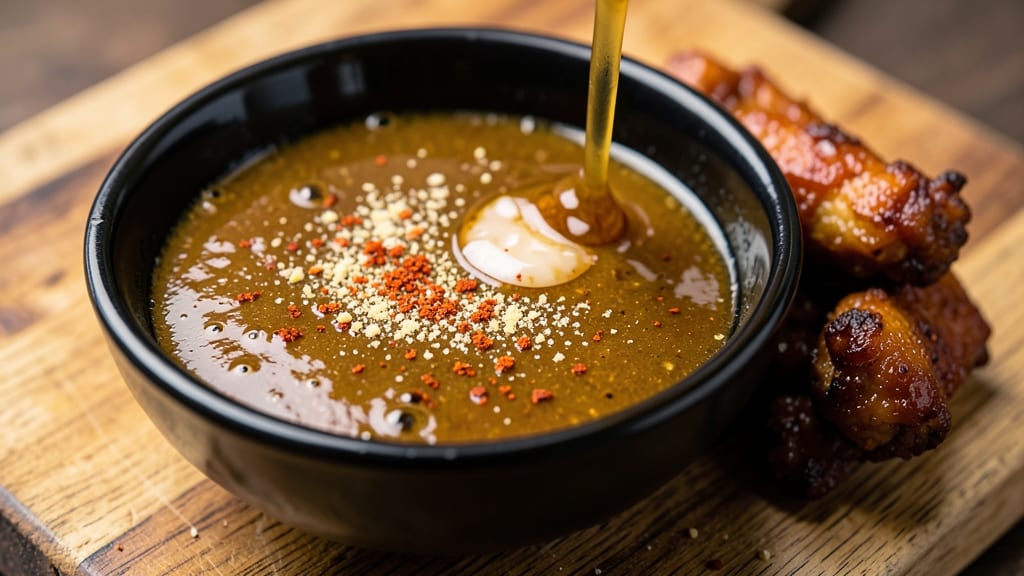
This Applebee's hot wing sauce recipe delivers that signature tangy-spicy kick that turns ordinary wings into an addictive experience. The secret lies in balancing bold cayenne heat with a bright vinegar zing that cuts through the richness, creating a sauce that's both complex and irresistibly smooth.
I've perfected this version after testing countless variations, ensuring every batch delivers that perfect harmony of heat, tang, and just a touch of sweetness.
The magic happens with a simple blend of hot sauce, melted butter, and a splash of vinegar that adds depth without overpowering the cayenne. What sets this sauce apart is how it clings to wings while maintaining its signature stickiness—no clumpy textures here.
The recipe comes together in just 10 minutes, making it perfect for game day or whenever you crave that restaurant-quality heat at home.
What you'll end up with is a bold, velvety sauce that's ready to drizzle, dip, or toss—each bite delivering that perfect balance of spicy, tangy, and slightly sweet flavors.
The sauce keeps well in the refrigerator for up to 2 weeks, so you can make a big batch and enjoy it all season long. Whether you're serving wings, chicken tenders, or even fries, this sauce elevates everything it touches.
For extra heat, add a pinch of cayenne or a dash of hot sauce. For a smoother finish, blend briefly before serving. The possibilities are endless—just remember, the key is that perfect balance of heat and tang. Let's get started!
Ingredients for applebee's hot wing sauce
Eight simple ingredients transform into that signature tangy-spicy sauce everyone loves.
| Ingredient | Amount | Notes |
|---|---|---|
| Hot Sauce 🌶️ | ½ cup | Frank's RedHot preferred |
| Unsalted Butter 🧈 | ½ cup | Melted, full-fat version |
| White Vinegar 💧 | ¼ cup | Distilled for tangy zing |
| Cayenne Pepper 🔥 | 1 tbsp | Adjust for desired heat |
| Garlic Powder 🧄 | 1 tsp | Fresh ground preferred |
| Onion Powder 🧅 | ½ tsp | For depth of flavor |
| Honey 🍯 | 1 tbsp | Light variety for sweetness |
| Salt 🧂 | ½ tsp | Kosher or sea salt |
The hot sauce is non-negotiable here. Frank's RedHot is the gold standard—its bold, consistent heat makes all the difference. If you can't find it, Crystal or Tabasco work in a pinch, but you might need to adjust the cayenne. The butter? Full-fat is essential—it creates that velvety texture that cuts through the heat. Melt it gently over low heat so it doesn't burn. For the vinegar, distilled white works best—apple cider vinegar adds too much fruitiness and can overpower the balance. Grab a small bottle from Trader Joe's if you want to keep it on hand for future batches.
No hot sauce? Mix cayenne with a splash of water (1 tsp cayenne + 1 tbsp water = rough equivalent). Short on vinegar? Lemon juice works at half the amount, but it'll add a citrusy note. Want more depth? Add a pinch of smoked paprika—it mimics the subtle smokiness you get in restaurant versions. The honey is where the sweetness comes in, so don't skip it. Agave nectar works too if you're avoiding refined sugar. For extra heat, add another 0.5 tbsp cayenne, but trust me, this amount delivers that perfect Applebee's kick without being overwhelming.
This sauce is a game-changer for game day. Make a double batch—it keeps for 2 weeks in the fridge, sealed in a jar. The butter solidifies as it cools, so give it a quick stir before using. For extra stickiness (like the restaurant version), add 1 tsp cornstarch to the melted butter before mixing. Store leftovers in the fridge, and if it thickens too much, just warm it gently with a splash of water. Freezes beautifully for 3 months if you want to make a big batch ahead of time.
Why You'll Love This Recipe
- Here’s what sold me: that perfect push-and-pull of heat and acidity. The white vinegar cuts through the richness of the butter, while the cayenne and garlic powder add layers that make your taste buds dance. It’s not just spicy—it’s complex, like a little flavor party in your mouth.
- I’ll be real: this sauce actually tastes better the next day. The flavors meld, and you end up with a small jar of liquid gold in your fridge. Plus, it’s cheap to make—you can stretch it across multiple meals without breaking the bank. No waste, just pure satisfaction.
Step-by-step instructions for Applebee's hot wing sauce
Here's how to recreate that signature Applebee's heat—bold, tangy, and perfectly balanced.
Melt the Butter and Add Cayenne
In a medium saucepan over medium-low heat, melt the 0.5 cup unsalted butter until completely liquid—about 3-4 minutes. Watch carefully as it transforms from solid to glossy, golden pools. Once melted, immediately reduce heat to low to prevent burning.
With the heat still at low, add the 1 tablespoon cayenne pepper and stir constantly for 1 minute to distribute the heat evenly. This step is crucial—it ensures the cayenne dissolves completely into the butter, creating that signature fiery base. If you smell a sharp, peppery aroma, you're on the right track. Don't walk away; cayenne burns fast when unattended.
Incorporate Vinegar and Sweeten
Next, pour in the 0.25 cup white vinegar all at once. The mixture will bubble vigorously as the acid reacts with the butter—this is normal and expected. Let it simmer for 2-3 minutes until the bubbles subside and the liquid reduces slightly, losing about 25% of its volume. You're looking for a syrupy consistency that coats the back of a spoon.
Now add the 1 tablespoon honey and the 0.5 teaspoon salt. Stir until the honey dissolves completely and the sauce becomes glossy. The honey balances the heat while adding a subtle sweetness that rounds out the sauce. Taste at this stage—you should feel the heat building with a touch of tang and sweetness. If it's too sharp, add a pinch more honey; if it's too sweet, a splash more vinegar will help.
Build Flavor with Spices and Hot Sauce
With the sauce still simmering gently, sprinkle in the 1 teaspoon garlic powder and 0.5 teaspoon onion powder. Stir for 30 seconds to toast the spices slightly—you'll smell that warm, aromatic depth developing. This is where the sauce gets its complexity, so don't rush this step. The spices should be fully incorporated and evenly distributed.
Finally, pour in the 0.5 cup hot sauce and stir vigorously. The sauce will darken slightly and thicken as it comes together. Let it simmer for another 2 minutes to allow all the flavors to meld. The sauce should now have a rich, velvety texture with a deep red hue. If it's too thin, simmer uncovered for another 1-2 minutes to reduce it to your desired consistency.
Cool and Adjust for Perfect Heat
Remove the sauce from heat and let it cool for 5 minutes. This resting period allows the flavors to settle and the heat to distribute evenly. Taste again now—the sauce will taste slightly stronger when hot, so cooling helps you judge the final balance better.
Here's the thing—Applebee's sauce has a specific heat profile. If it's too mild, add another ½ teaspoon cayenne pepper and stir. If it's too sharp, a splash of vinegar or a pinch of honey will help. The goal is a sauce that's hot enough to make your eyes water but still complex enough to enjoy with every bite. Once you're satisfied, transfer the sauce to a clean jar or container. It'll keep in the refrigerator for up to 2 weeks, ready to elevate any wing or dip.
Pro Tips For Making Applebee'S Hot Wing Sauce
- Melt Butter Slowly: I learned this the hard way—dumping cold butter straight into the sauce makes it clump like lumpy gravy. Instead, cut the butter into tiny cubes (pea-sized) and let them melt gradually over low heat, stirring constantly. The sauce should look glossy, not greasy, when you’re done.
- Use Real Cayenne, Not Powder: Sounds weird, but it works: if you’re using cayenne pepper powder, you’re missing the heat’s depth. Toast whole cayenne pods in a dry pan for 30 seconds until fragrant, then grind them fresh—it adds a smoky punch the powder can’t match. (Yes, even if you’re impatient like me.)
- Balance Vinegar Last: Adding vinegar too early makes the sauce taste harsh and raw. Wait until the butter’s fully melted and the garlic powder’s toasted (just a minute over heat) before stirring in the vinegar. This lets the flavors meld instead of clashing.
- Strain for Smoothness: This isn’t the prettiest method, but it’s the tastiest: after simmering, strain the sauce through a fine-mesh sieve to remove any butter lumps or cayenne specks. It might look like overkill, but your wings will taste silky, not gritty—your future self will thank you.
Make-ahead tips for this recipe
Batch Prep Essentials
Double the recipe for game day or parties—this sauce keeps beautifully in an airtight glass jar for up to 2 weeks in the fridge. I like to use Ball canning jars because they seal tightly and stack neatly.
For extra convenience, divide into 4-ounce portions in small containers. This way, you can grab just what you need without thawing a big batch. 🧂
Freezing for Later
Freeze for up to 3 months in silicone molds or ice cube trays for single-serving portions. Pop them into a freezer bag, squeeze out excess air, and label with the date.
When ready to use, thaw overnight in the fridge or warm directly in a saucepan over low heat with a splash of water. Never microwave—it breaks the sauce's velvety texture.
Thickening Adjustments
If your sauce separates or thickens too much after refrigeration, stir in 1 teaspoon cornstarch mixed with 1 tablespoon water per ½ cup sauce. Simmer for 1-2 minutes until smooth.
For a smoother finish, blend briefly with an immersion blender before serving. This works especially well if you made a big batch ahead of time. 💫
Heat Level Control
Store extra cayenne pepper in a small spice jar near your sauce ingredients. If you want to adjust heat later, simply stir in ¼ teaspoon at a time until you reach your desired spice level.
For milder versions, reduce cayenne by ½ teaspoon per batch. I keep a separate jar labeled "mild" and "hot" to avoid cross-contamination. 🔥
Versatile Uses Beyond Wings
This sauce isn't just for wings—it's perfect for fried chicken tenders, mozzarella sticks, or even roasted potatoes. For dipping, thin with 1 tablespoon water per ¼ cup sauce to create a pourable consistency.
I also love drizzling it over grilled corn on the cob for a smoky-spicy twist. The possibilities are endless! 🌶️
Gift-Worthy Packaging
Transfer cooled sauce into small mason jars with custom labels for a thoughtful hostess gift. Add a wooden spoon and a note like "Hot Wing Sauce—Perfect for Game Day!" These make fantastic stocking stuffers or party favors.
Store in a cool, dark place until ready to give. Your friends will love the restaurant-quality heat without the restaurant prices. ✨
Nutrition facts
Frequently asked questions
Can I make this sauce without butter?
The butter creates that signature velvety texture and helps balance the heat, but you can substitute with ½ cup olive oil or ½ cup mayonnaise for a similar consistency. If using mayo, reduce the vinegar to 2 tablespoons to prevent separation. The sauce will be slightly smoother but lose some of that rich depth.
How do I adjust the heat level?
Start with the 1 tablespoon cayenne pepper and taste as you go. For milder heat, reduce by ½ teaspoon at a time. For extra spice, add ¼ teaspoon cayenne until you reach your desired kick. Pro tip: Keep a small jar of cayenne nearby for easy adjustments after making the sauce.
Why did my sauce separate?
Separation usually happens when the butter and vinegar aren't properly emulsified or if the sauce sits too long before using. To fix it, whisk in 1 teaspoon cornstarch mixed with 1 tablespoon water and simmer for 1-2 minutes. For prevention, stir constantly while simmering and let it cool completely before refrigerating.
Can I use this sauce on foods other than wings?
This versatile sauce works perfectly on fried chicken tenders, mozzarella sticks, roasted potatoes, or even grilled corn. For dipping, thin with 1 tablespoon water per ¼ cup sauce to create a pourable consistency. The tangy-spicy flavor elevates almost any fried or grilled dish.
How long does homemade hot wing sauce last?
Store in an airtight glass jar in the fridge for up to 2 weeks. For longer storage, freeze in silicone molds or ice cube trays for up to 3 months. Thaw overnight in the fridge or warm gently on the stove with a splash of water. Never microwave—it alters the texture.