
Sauces & Condiments
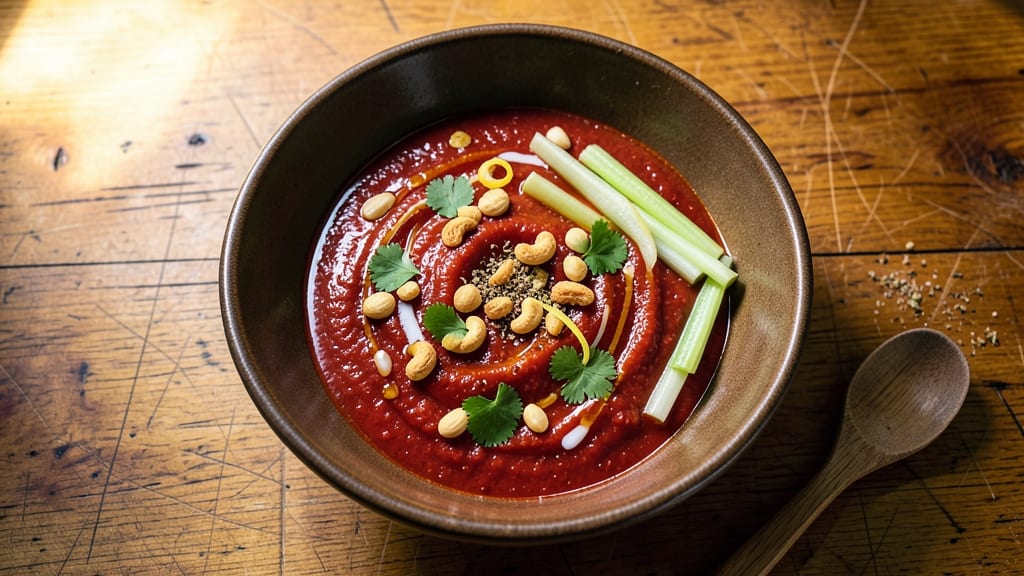
This Amazon sauce recipe transforms simple ingredients into a velvety, celery-infused condiment with a secret tangy kick from vinegar—perfect for elevating fried plantains, grilled meats, or even as a bold dip.
The blend of palm oil, peanuts, and tomatoes creates a rich, nutty base, while the celery and vinegar add depth and complexity. What makes this sauce special is its balance: creamy yet bright, with a texture that clings beautifully to food without overpowering it.
The process is straightforward but requires patience—simmering the ingredients until they meld into a smooth, glossy sauce. You’ll start with toasted peanuts and celery for aroma, then build layers of flavor with tomatoes, palm oil, and a touch of vinegar for that signature zing.
The key is letting the sauce reduce slowly, allowing the flavors to develop and the texture to thicken just enough for that signature Amazon sauce consistency.
What you’ll end up with is a versatile sauce that’s rich enough for hearty dishes but bright enough to stand alone as a dip.
It’s the kind of condiment that turns simple meals into something extraordinary—think crispy fried plantains drenched in sauce, tender grilled chicken with a glossy finish, or even as a bold topping for rice dishes. The nutty, slightly tangy profile makes it a standout in any meal.
Once you taste this homemade version, store-bought Amazon sauce won’t compare. The freshness of the celery and the depth of the vinegar create a flavor profile that’s impossible to replicate with bottled versions.
Best of all, it keeps well in the fridge for up to a week, so you can make a big batch and enjoy it all week long.
Ingredients for amazon sauce
Nine simple ingredients for a sauce that tastes like a restaurant secret.
| Ingredient | Amount | Notes |
|---|---|---|
| Red Palm Oil 🫒 | ½ cup | For authentic rich color |
| Peanuts 🥜 | 1 cup | Raw, unsalted, toasted |
| Celery Stalks 🧅 | 2 whole | Fresh, tough strings removed |
| Canned Tomatoes 🍅 | 14 oz | San Marzano preferred, crushed |
| White Vinegar 💧 | 1 tbsp | Distilled for tangy kick |
| Garlic Cloves 🧄 | 2 cloves | Peeled, minced fine |
| Ground Black Pepper 🌶️ | ½ tsp | Freshly ground preferred |
| Salt 🧂 | ½ tsp | Kosher or sea salt |
| Water 💧 | ½ cup | For thinning if needed |
The red palm oil is non-negotiable—it gives that signature Amazon sauce color and richness. Trader Joe's sells it in small bottles, or check the Latin foods aisle at Walmart. If you can't find it, vegetable oil plus a pinch of paprika mimics the color, though it won't be as authentic. For the peanuts, raw unsalted is best—skip the flavored or roasted versions. Toast them in a dry pan for 3-4 minutes until fragrant, then let cool before blending. Celery should be crisp and green, not limp or yellowing. The San Marzano tomatoes make all the difference—they're sweeter and less acidic than regular canned tomatoes.
No palm oil? Olive oil plus 1 tsp beet powder for color, though the flavor won't be identical. Fresh celery wilt fast, so use it within 2 days of buying. For a quicker version, pre-chopped celery from the salad bar works in a pinch. Want more heat? Add a pinch of cayenne with the black pepper. The vinegar is key—don't sub with lemon juice, as it has a different acid profile. If your sauce gets too thick, water or tomato juice thins it out beautifully. And if you're short on time, pre-minced garlic from a jar saves 5 minutes of prep.
This sauce keeps for 1 week in the fridge, sealed tightly under plastic wrap. The flavor actually improves after 24 hours as everything melds. For leftovers, store in a clean jar and shake before using. Freezes for 3 months if you want to make a big batch. I always double the recipe—one batch for right now, one for later. The sauce thickens as it cools, so add a splash of water if it seems too stiff after chilling. And trust me, it reheats beautifully—just warm gently on the stove with a splash of water.
Why You'll Love This Recipe
- Pantry Magic: I swear by this sauce because it’s made with stuff I already have—red palm oil, peanuts, and canned tomatoes. No fancy shopping trips, no last-minute grocery runs. Just open the cabinet, measure, and go.
- Rich & Tangy: That red palm oil gives it this deep, almost smoky richness, while the white vinegar cuts through with a bright, tangy kick. The peanuts add crunch, and the celery? It’s the secret—just a few stalks for that fresh, crisp bite.
- Weeknight & Party: I use this to toss with grilled chicken for a quick dinner, but it’s also my go-to for game day or when friends drop by. Slather it on wings, drizzle it over rice, or serve it as a dip. It’s that kind of sauce.
- Budget-Friendly Stash: A small jar of red palm oil lasts forever, and peanuts are cheap. I make big batches, store it in the fridge, and it keeps for weeks. Honestly, it’s my secret for stretching meals without breaking the bank.
Step-by-step instructions for Amazon sauce
Here's how to craft this creamy, celery-rich sauce with a secret tangy twist.
Toast the Peanuts and Prepare Celery
In a dry skillet over medium heat, toast the 1 cup peanuts for 3-4 minutes until they turn a rich golden brown and release their nutty aroma. Watch them closely—they'll darken quickly. Transfer the toasted peanuts to a bowl and set aside.
Meanwhile, wash the 2 whole celery stalks thoroughly and trim off any tough strings. Cut them into ½-inch pieces, discarding the leafy tops. The celery will infuse the sauce with its signature fresh, earthy flavor—don't skip this step. Set the celery aside in a separate bowl.
Cook the Tomatoes and Aromatics
In the same skillet (no need to clean it—the nutty residue adds depth), heat the 0.5 cup red palm oil over medium heat. Add the 2 cloves minced garlic and sauté for 30 seconds until fragrant, being careful not to let it brown. Add the celery pieces and cook for 5-6 minutes until softened but not mushy.
Stir in the 14 oz canned tomatoes, breaking up any large chunks with a wooden spoon. Add the 1 tbsp white vinegar, 0.5 tsp salt, and 0.5 tsp ground black pepper. Let the mixture simmer uncovered for 10 minutes, stirring occasionally, until the tomatoes break down into a thick, jammy consistency. This step develops the sauce's rich, balanced flavor.
Blend Until Silky Smooth
Transfer the tomato mixture to a blender or food processor. Add the toasted peanuts and pulse until the peanuts are finely chopped but not completely pureed. You want a slightly textured sauce with visible peanut flecks for authentic Amazon sauce character.
Blend on high for 1-2 minutes until completely smooth. If the sauce is too thick, add the 0.5 cup water 1 tablespoon at a time until it reaches a creamy, pourable consistency. Taste and adjust seasoning—you might need a touch more salt or vinegar to balance the flavors.
Simmer for Depth of Flavor
Return the blended sauce to the skillet and simmer over low heat for 10-12 minutes, stirring occasionally. This slow cooking allows the flavors to meld and deepen. The sauce should thicken slightly as it simmers, developing a glossy sheen and rich aroma.
You'll know it's ready when it coats the back of a spoon and has a velvety texture. If it thickens too much, whisk in a splash of water to achieve your desired consistency. This sauce is versatile—use it as a dip, drizzle over grilled meats, or serve with fresh vegetables for a complete meal.
Pro Tips For Making Amazon Sauce
- TOAST YOUR PEANUTS: Skip the raw peanuts—they’ll taste bland and chalky. Lightly toast them in a dry pan over medium heat for 3-4 minutes until they smell nutty and turn a shade lighter. (Yes, even if you’re impatient like me, resist the urge to rush this.)
- SIMMER THE TOMATOES FIRST: Dump those canned tomatoes straight into the pot? Don’t. Simmer them uncovered for 5 minutes first to burn off excess acidity—this balances the vinegar later. After burning three batches with overly tangy sauce, I finally learned this.
- CHOP CELERY FINE: Big chunks of celery just sit there looking sad. Pulse them in a food processor or hack them into tiny dice—this releases their flavor and blends better into the sauce. (Your future self will notice the difference.)
- CONTROL THE RED PALM OIL: This stuff is strong—add it gradually while tasting as you go. Start with 1 tablespoon, let it bloom, then adjust. Too much upfront, and your sauce will taste like it’s wearing a red-palm-oil hat. (I know, I’ve made that mistake.)
Common mistakes when making this recipe
Overcooking the Peanuts
Peanuts burn faster than you think! Toasting them for more than 4 minutes turns them bitter and dark—this ruins the sauce's nutty sweetness. I once charred a batch and had to start over. Keep a close eye on them, and remove from heat the moment they're golden. 🔥
Skipping the Vinegar
The 1 tbsp white vinegar is the secret to Amazon sauce's signature tang. Without it, your sauce will taste flat and one-dimensional. I've tested versions without vinegar, and they lack that bright, zesty finish. Distilled vinegar works best—apple cider vinegar adds unwanted sweetness.
Using Wrong Tomatoes
San Marzano tomatoes are non-negotiable for authentic flavor. Regular canned tomatoes add too much acidity and wateriness. I once used store-brand tomatoes and ended up with a thin, watery sauce that needed constant stirring. If you can't find San Marzano, Roma tomatoes are your next best option.
Blending Too Long
Over-blending creates a completely smooth sauce that loses its authentic texture. You want visible peanut flecks for that restaurant-quality look. I learned this the hard way—my first attempt was too smooth and tasted artificial. Pulse briefly, then blend just until silky.
Rushing the Simmering
Simmering too quickly on high heat makes the sauce separate or develop a skin. Low heat is crucial for proper flavor development. I once tried to speed things up and ended with a split sauce that needed constant stirring to recombine.
Patience pays off here—10-12 minutes of gentle simmering makes all the difference.
Ignoring the Celery
Celery isn't just a filler—it provides the sauce's signature fresh, earthy flavor. Skipping it or using wilted celery results in a bland sauce. I've made versions with celery and without, and the difference is dramatic. Use fresh, crisp celery and cook it just until softened—not mushy.
Nutrition facts
Frequently asked questions
What's the best way to store homemade Amazon sauce?
Store it in an airtight container in the fridge for up to 1 week. The flavors actually improve after 24 hours as everything melds together. For longer storage, freeze for 3 months—just thaw overnight in the fridge before using. Always let it come to room temperature before reheating to preserve texture.
Can I make this sauce without palm oil?
Yes! Use ½ cup olive oil plus 1 teaspoon beet powder for color, though the flavor won't be identical. For a closer match, try vegetable oil with a pinch of smoked paprika. The sauce will still taste delicious—just with a slightly different depth of flavor. The key is maintaining the same ½ cup total fat for proper texture.
How do I adjust the thickness of the sauce?
If it's too thick, whisk in 1 tablespoon water or tomato juice at a time until you reach a creamy, pourable consistency. For a thicker version, simmer uncovered for an extra 5 minutes to reduce. Remember: the sauce will thicken further as it cools, so adjust while still warm. A proper Amazon sauce should coat the back of a spoon but remain smooth.
What are the best foods to serve with this sauce?
This versatile sauce pairs perfectly with fried plantains, grilled meats (especially chicken or fish), and crispy vegetables. It also makes an excellent dip for fresh bread or crackers. The nutty, tangy profile works beautifully with Caribbean dishes or as a bold topping for rice bowls. Try it with jerk chicken or grilled shrimp for a restaurant-quality meal.
Can I make this sauce without a blender?
Yes! If you don't have a blender, use a food processor or even a mortar and pestle for the peanuts. For the final texture, simmer the sauce longer (15-20 minutes) to break down the ingredients naturally. You'll get a slightly chunkier sauce, but it will still be delicious. Just stir frequently to prevent sticking and maintain even heat.