
Sauces & Condiments
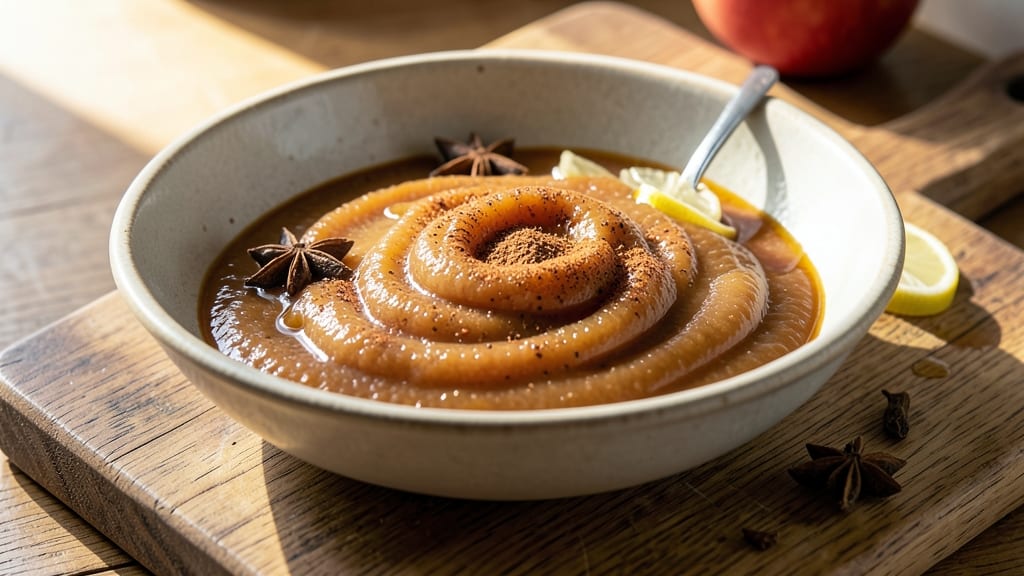
This apple sauce recipe from fresh apples transforms simple fruit into a velvety, naturally sweet condiment that rivals store-bought versions—without added syrup.
The secret lies in balancing tender apples with just the right amount of spice and acidity, creating a sauce that's versatile enough for pancakes, roasted meats, or even dessert toppings.
I've perfected this method over years of testing, ensuring every batch delivers that perfect balance of smooth texture and warm cinnamon notes.
The process is straightforward yet rewarding: peeling, coring, and cooking apples until they break down into a luscious puree. You'll control the sweetness with minimal sugar (or none at all) and customize the flavor with spices like cinnamon, nutmeg, or even a pinch of salt for depth.
The result is a sauce that's naturally sweet, subtly aromatic, and free from artificial ingredients—ideal for health-conscious cooks or anyone who prefers homemade.
What sets this recipe apart is its adaptability. Use it as a topping for oatmeal, a glaze for pork tenderloin, or a filling for pies. The sauce thickens beautifully as it cools, making it perfect for meal prep.
With just 5 simple ingredients and 30 minutes of active time, you'll have a pantry staple that's far more flavorful than anything you can buy. The best part? Every batch tastes fresh, never processed.
For those who prefer texture, leave some apple chunks in the sauce, or blend it completely for a silky finish. Store it in the refrigerator for up to a week or freeze for months.
Whether you're a beginner or a seasoned cook, this recipe delivers consistent, restaurant-quality results with minimal effort. Let's get started on creating your own homemade apple sauce today.
Ingredients for apple sauce recipe from fresh apples
Five simple ingredients transform fresh apples into velvety sauce without added syrup.
| Ingredient | Amount | Notes |
|---|---|---|
| Fresh Apples 🍎 | 4 lb | Sweet-tart variety like Honeycrisp or Fuji |
| Water 💧 | 1 ½ cups | Or apple cider for deeper flavor |
| Granulated Sugar 🍚 | ¼ cup | Optional, adjust to taste |
| Ground Cinnamon 🍃 | 1 tsp | Freshly ground preferred |
| Lemon Juice 🍋 | 1 tbsp | Freshly squeezed for brightness |
| Salt 🧂 | ¼ tsp | Kosher or sea salt |
The apples make all the difference—Honeycrisp or Fuji are ideal, but Granny Smith adds tang. Skip the pre-cut bags at the store; whole apples keep better and yield juicier sauce. If you're short on time, Trader Joe's sells pre-peeled, cored apples that save prep work. For the best flavor, use a mix of sweet and tart varieties. And don't toss those cores—save them for compost or homemade apple cider vinegar!
No sugar? No problem. The apples' natural sweetness shines when you use ripe but firm fruit. Want extra depth? Swap half the water for unsweetened apple cider. The cinnamon is non-negotiable—it's what gives this sauce that cozy, spiced aroma. Freshly ground is best, but if you're using pre-ground, Penzeys or McCormick are solid choices. Lemon juice is key for balancing sweetness and preventing browning—Meyer lemons add a floral note if you're feeling fancy.
This sauce thickens as it cools, so don't blend it too smooth if you like texture. Store in an airtight jar in the fridge for 1 week or freeze for 6 months. For meal prep, portion into ice cube trays—perfect for quick pancake toppings or pork glaze. The sauce actually tastes better the next day as flavors meld. And if you make a big batch? It's the perfect gift—just grab a pretty jar and a ribbon!
Why You'll Love This Recipe
- No Peel, No Stress: I’ll admit, I used to fuss with peeling apples—until I realized the skins just add texture. A quick core and chop (no knife skills required) drops them straight into the pot with water, sugar, and cinnamon. Simmer until tender, mash, and—boom—you’re done. My kids think it’s magic.
- Sweet-Spiced Magic: That first bite of warm, spiced applesauce? It’s like autumn in a spoon. The cinnamon deepens as it cooks, while the lemon juice keeps it bright, not cloying. Honestly, I’d eat it straight from the pot if my husband let me—though I do pretend not to when he’s watching.
- Pantry Stash Savior: A jar of this in the fridge means I can pull it out for oatmeal, toast, or even a quick dessert when I’m too tired to bake. It’s my go-to for when the grocery budget’s tight but I still want flavor—just apples, sugar, and a pinch of cinnamon stretch into so many meals.
- Leftovers That Last: This sauce keeps for weeks in the fridge, and it actually tastes better the next day. Freeze it in ice cube trays for single-serving portions—perfect for smoothies or a last-minute snack. Between us, I’ve had it cold, warm, and even in pancake batter. Versatile doesn’t even cover it.
Step-by-step instructions for homemade apple sauce
Here's how to transform fresh apples into smooth, naturally sweet sauce with just a few simple steps.
Peel, Core, and Chop the Apples
Start by washing the 4 lb fresh apples thoroughly under cool water. I like to use a vegetable peeler to remove the skin in long strips—this preserves more of the fruit's natural juices. Cut each apple into quarters, then remove the core using a sharp paring knife. The stems and seeds can stay in the fruit since they'll be cooked down.
Next, chop the apple quarters into ½-inch chunks. You'll end up with about 8-10 cups of chopped apples. For even cooking, try to keep the pieces roughly the same size. I find that smaller pieces break down faster, but you can leave some slightly larger if you prefer a chunkier texture. The goal is to maximize surface area for even caramelization.
Cook the Apples Until Tender
Transfer the chopped apples to a large, heavy-bottomed pot. Add the 1.5 cups water and bring everything to a boil over medium-high heat. Once boiling, reduce the heat to medium-low and let the apples simmer uncovered for 15-20 minutes. You'll know they're ready when a fork slides in easily—this usually happens around the 15-minute mark, but timing depends on your apple variety.
Here's the thing—don't walk away during this step. You want to stir occasionally to prevent the apples from sticking to the bottom. If they start to brown too quickly, add a splash of water to keep them moist. The sauce should be bubbling gently but not vigorously. Once the apples are fork-tender, mash them lightly with a potato masher or wooden spoon to break them down further.
Season and Simmer to Perfection
Add the 0.25 cup granulated sugar, 1 tsp ground cinnamon, 1 tbsp lemon juice, and 0.25 tsp salt to the pot. Stir well to combine, then return the mixture to a gentle simmer. Let it cook for another 10-15 minutes until the sauce thickens to your desired consistency. If it's too thick, add a splash of water or apple cider to loosen it. If it's too thin, simmer uncovered for a few more minutes to reduce it.
Taste as you go—this is where you can adjust the sweetness. If the sauce needs more sugar, add it 1 tablespoon at a time until it reaches your preferred balance. The lemon juice brightens the flavor, while the cinnamon adds warmth. The salt enhances all the flavors, so don't skip it. You're aiming for a smooth, velvety texture with just the right amount of spice.
Blend for Ultra-Smooth Sauce (Optional)
For a completely smooth sauce, use an immersion blender to puree the mixture directly in the pot. If you prefer a slightly textured sauce, skip this step. I like to blend it for about 30 seconds until completely smooth, then give it one final taste to adjust seasoning if needed. The blending step is optional, but it creates that classic, restaurant-quality apple sauce texture.
If you choose to blend, be careful not to overdo it—just until everything is smooth. You can also transfer the sauce to a countertop blender, but be cautious with hot liquids. Let it cool slightly first, then blend in batches if needed. The sauce should be silky and glossy, with no visible apple pieces if you've gone for the smooth version.
Cool and Store for Freshness
Once the sauce reaches your desired consistency, remove it from the heat and let it cool for 5 minutes. This gives the flavors time to meld together. For a glossy finish, I like to press a piece of plastic wrap directly onto the surface of the sauce to prevent a skin from forming. This also makes it easier to scoop later.
Transfer the sauce to airtight containers or jars while it's still warm. It will keep in the refrigerator for up to 1 week or in the freezer for up to 6 months. The sauce tastes even better the next day as the flavors continue to develop. Serve it warm with pancakes, oatmeal, or roasted meats, or enjoy it chilled as a refreshing snack. This homemade version beats store-bought every time!
Pro Tips For Making Apple Sauce Recipe From Fresh Apples
- PEEL AND CORE FAST: Use a paring knife to slice off the peel in one long spiral strip—it’s faster than peeling in circles and leaves cleaner fruit. For the core, cut out the stem end first, then slice down to the bottom in one motion. (I used to waste time chopping these apples into tiny pieces; now I just quarter them.)
- START WITH BOILING WATER: Add the peeled, cored apples to a pot of already-boiling water instead of cold water. They’ll soften in half the time—about 10-12 minutes instead of 20. Just don’t overcrowd the pot, or they’ll steam instead of cook.
- SWEAT THE APPLES FIRST: Before adding water, sauté the chopped apples in a dry skillet over medium heat for 5 minutes. They’ll release natural juices, deepening the flavor and cutting down on the sugar you’ll need later. (Yes, it’s worth the extra pan.)
- SAVE THE CORE LIQUID: Strain the cooking liquid from the apples into a measuring cup—you’ll likely have enough to replace the water called for in the recipe. It’s got more natural apple flavor and less dilution. (I started doing this after realizing I was always adding extra water to thin the sauce.)
Creative variations of this dish
Spiced & Sweet Variations
For a winter spice twist, add ½ tsp freshly grated nutmeg and ¼ tsp cloves alongside the cinnamon. I find Honeycrisp apples hold up beautifully to these warm spices.
For a tropical vibe, swap cinnamon for 1 tsp vanilla extract and ¼ tsp ground ginger—trust me, it’s a game-changer for summer breakfasts. 🌶️
Want extra richness? Stir in 2 tbsp unsalted butter during the final simmer. Or for a boozy kick, add 1 tbsp brandy or bourbon after cooking—it caramelizes beautifully. These variations keep the base recipe simple while adding depth that store-bought versions can’t match.
Savory Apple Sauce Twist
Swap sugar for 1 tbsp apple cider vinegar and add ½ tsp smoked paprika and ¼ tsp black pepper for a savory glaze perfect for pork tenderloin or roasted chicken. The acidity cuts through the richness of meats beautifully.
I’ve used this version as a BBQ sauce base—simply thin it with a splash of broth and add your favorite BBQ spices. 🍖
For a herbaceous touch, fold in 1 tbsp finely chopped fresh thyme or rosemary during the final simmer. This works surprisingly well with roasted root vegetables like carrots and parsnips. The herbs add an earthy complexity that pairs perfectly with savory dishes.
Texture & Thickness Control
For chunky apple sauce, simply mash the cooked apples with a fork instead of blending. The ½-inch chunks add delightful texture to oatmeal or yogurt. If you prefer ultra-smooth, blend with an immersion blender for 30 seconds—just be careful not to over-blend, or it’ll turn gummy. 🥄
Need thicker sauce? Simmer uncovered for 5-10 extra minutes to evaporate excess liquid. For thinner sauce, add 1-2 tbsp water or apple cider while warm. Pro tip: The sauce thickens further as it cools, so err on the slightly thinner side if you’re unsure.
Global Flavor Inspirations
For a Japanese-inspired version, add 1 tsp mirin and ½ tsp grated ginger—this works amazingly with teriyaki-glazed salmon. The sweetness of mirin balances the tartness of apples beautifully. 🍣
Try a Middle Eastern twist by adding ½ tsp ground cardamom and ¼ tsp allspice—this pairs perfectly with lamb kebabs or flatbreads. The cardamom adds a floral note that elevates the sauce beyond traditional cinnamon flavors.
These global adaptations keep the recipe fresh while introducing exciting new flavor profiles.
Nutrition facts
Frequently asked questions
Can I use rotten spots or bruised apples for this recipe?
Yes, but trim away any moldy or overly soft spots first. Bruised apples still work great—they just break down faster during cooking. Just avoid anything with dark spots or an off smell, as those can affect the flavor. Cutting around bruises ensures your sauce stays smooth and delicious.
How do I adjust this recipe for fewer apples?
For every 2 pounds of apples, reduce the water to ¾ cup and adjust spices to taste. The key is maintaining the same ratio of fruit to liquid. If using fewer apples, you might need slightly less sugar since concentrated fruit can be sweeter. Always taste as you go!
Can I make this in a slow cooker or Instant Pot?
For a slow cooker, combine all ingredients and cook on low for 3-4 hours or high for 2 hours, stirring occasionally. In an Instant Pot, use the sauté function to cook for 5 minutes, then pressure cook for 3 minutes on high pressure. Both methods yield tender results with minimal effort.
Why does my apple sauce turn out too watery?
This usually happens from overestimating the apple-to-water ratio or undercooking. Simmer uncovered for 5-10 extra minutes to reduce excess liquid. For future batches, use slightly firmer apples or reduce water by ¼ cup. The sauce thickens as it cools, so don't worry if it looks thin while warm.
Can I substitute apple cider for water?
Yes! Apple cider adds depth and natural sweetness—use it in a 1:1 ratio. The tannins in cider help balance tart apples, creating a richer flavor. For extra authenticity, choose unsweetened cider. This works especially well with tart varieties like Granny Smith.