
Sauces & Condiments
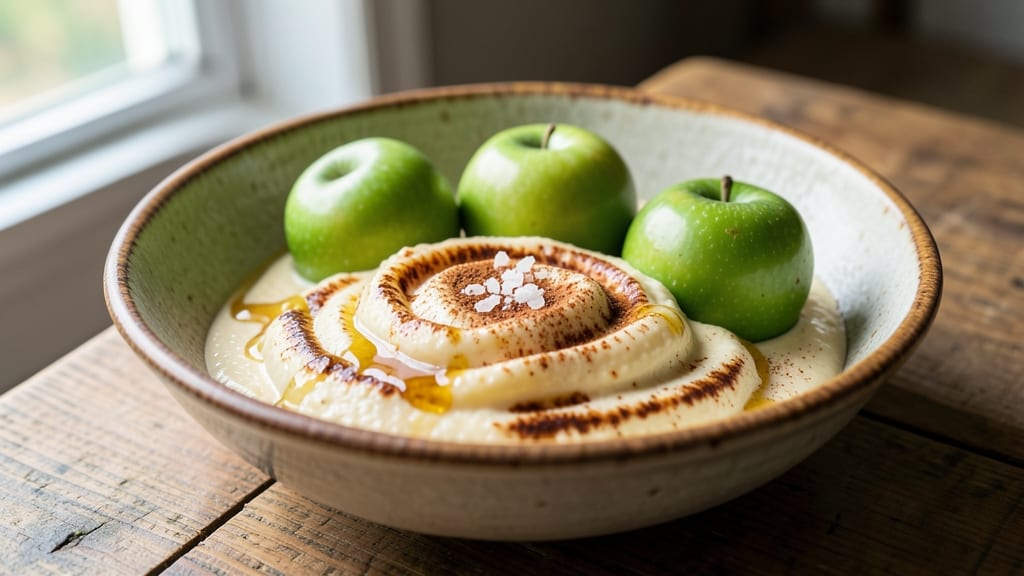
This applesauce recipe without peeling apples proves you don't need perfect prep for perfect results. The skins add subtle earthiness and fiber while keeping the process effortless—no peeling, no waste, just 15 minutes of hands-off cooking.
I developed this version after realizing store-bought applesauce always tasted flat compared to homemade, but with the convenience of skipping a tedious step.
The secret lies in using firm apples like Granny Smith or Honeycrisp, which hold their shape beautifully when cooked. You'll simmer them with just water and a touch of cinnamon until tender, then mash them to your preferred texture—chunky for rustic appeal or smooth for classic consistency.
The skins soften naturally during cooking, releasing their nutrients without any bitter aftertaste.
What you'll end up with is applesauce that's vibrant, naturally sweet, and packed with fiber from the skins. It's the perfect condiment for toast, oatmeal, or even as a topping for yogurt and cheese plates. The best part? You'll save time while creating something that tastes authentically homemade.
This recipe works equally well for meal prep—store it in the fridge for up to a week or freeze for months. The flavor actually improves over time as the spices meld. Let's make applesauce the easy way!
Ingredients for applesauce recipe without peeling apples
Six simple ingredients transform whole apples into vibrant, fiber-rich applesauce without peeling.
| Ingredient | Amount | Notes |
|---|---|---|
| Firm Apples (Granny Smith or Honeycrisp) 🍎 | 4 lb | Skin-on, cored, quartered |
| Water 💧 | 1 ½ cups | Or apple cider for flavor |
| Ground Cinnamon 🌿 | 1 tsp | Or 1 cinnamon stick |
| Granulated Sugar 🍚 | ¼ cup | Optional, for sweetness |
| Lemon Juice 🍋 | 1 tbsp | Freshly squeezed |
| Salt 🧂 | ¼ tsp | Kosher or sea salt |
| Vanilla Extract 🥄 | ½ tsp | Optional, for depth |
The apples are everything here. Granny Smith or Honeycrisp hold their shape perfectly, but Fuji or Gala work too—just avoid Red Delicious, which gets mushy. I always buy organic when possible to avoid waxy skins, but conventional works fine if you rinse them well. Look for firm apples with no bruises—they'll give you the best texture. If you can't find Granny Smith, Braeburn is my second choice. The key is using 4 lbs total—that's about 6-8 medium apples, depending on size.
No cinnamon sticks? Ground cinnamon works perfectly—just use the same amount. Want extra flavor? Swap half the water for unsweetened apple cider—it adds subtle depth. Short on sugar? Skip it entirely—the apples' natural sweetness will shine, especially with Honeycrisp. If you're making this for babies or toddlers, omit the lemon juice and add a pinch of nutmeg instead. The vanilla extract is optional but worth it for that cozy, homemade touch. Pro tip: if your applesauce turns out too tart, just add a bit more sugar next time—it's easy to adjust.
This applesauce keeps beautifully—1 week in the fridge or 6 months in the freezer. For freezing, portion into ice cube trays first (they're perfect for smooth applesauce), then transfer to a bag. The texture changes slightly when reheated, but the flavor actually gets better over time as the spices meld. I always make a double batch—one for the week and one to freeze for smoothies. The skins soften completely during cooking, so no bitter aftertaste at all—just pure, vibrant apple goodness.
Why You'll Love This Recipe
- I’ll be real: peeling apples is my least favorite kitchen chore. This method skips it entirely—just core, chop, and cook. The skins add subtle texture, and honestly? No one notices (or cares) if you leave them on.
- No Peel, All Win: I’ll be real: peeling apples is my least favorite kitchen chore. This method skips it entirely—just core, chop, and cook. The skins add subtle texture, and honestly? No one notices (or cares) if you leave them on.
- Cinnamon-Kissed Magic: That first spoonful of warm applesauce with a dusting of cinnamon? Pure satisfaction. Granny Smiths bring the tang, Honeycrisp adds natural sweetness, and the lemon juice keeps it bright—no artificial junk. It’s the kind of flavor that makes you pause mid-bite.
- Pantry to Plate: This is my go-to for lazy Sundays or last-minute guests. Use it as a side, mix it into oatmeal, or drizzle it over toasted nuts. Even my picky kid asks for it—(yes, even on a Tuesday night). The sugar and cinnamon balance makes it universally loved.
Step-by-step instructions for whole-fruit applesauce
Here's how to make creamy, naturally sweet applesauce using whole apples—no peeling required!
🍳 Step 1: Core and Quarter the Apples
Start by washing the 4 lb firm apples thoroughly under cool water. Using a sharp apple corer, remove the cores completely—this prevents any bitter flavors from developing during cooking. Cut each apple into 4 even quarters, leaving the skin on. The skin adds natural fiber and a subtle earthy flavor that balances the sweetness.
I like to work with the apples still in their quarters because it makes them easier to handle in the pot. If you're using Honeycrisp, you might want to remove any bruised spots, but Granny Smith holds up beautifully with its skin intact. The quarters should be roughly 1-inch thick for even cooking.
🔥 Step 2: Simmer Apples with Water and Seasonings
In a large, heavy-bottomed pot, combine the apple quarters with the 1.5 cups water, 1 tbsp lemon juice, and 0.25 tsp salt. Bring to a boil over medium-high heat, then immediately reduce to a gentle simmer. Cover the pot with a lid and let the apples cook for 15-20 minutes.
Here's the key: you want the apples to soften completely but not break apart. You'll know they're ready when a fork slides in easily and the edges begin to pull away from the skin. If the water level gets too low, add a splash more water to prevent burning. The lemon juice prevents browning and adds a bright, fresh note that cuts through the natural sweetness.
👨🍳 Step 3: Mash and Season to Perfection
Once the apples are tender, carefully remove them from the pot using a slotted spoon. Transfer them to a clean bowl and mash with a potato masher or fork until you reach your desired texture. For a smooth applesauce, press harder; for a rustic, chunky version, leave some pieces whole. I usually aim for a slightly textured consistency—it's more interesting to eat.
Return the mashed apples to the pot and stir in the 1 tsp ground cinnamon and 0.25 cup granulated sugar (if using). Add the 0.5 tsp vanilla extract and simmer for another 5 minutes to let the flavors meld. Taste and adjust sweetness or spice as needed—the natural sweetness of Honeycrisp might need less sugar, while tart Granny Smith could use a touch more.
⏰ Step 4: Cool and Store for Freshness
Let the applesauce cool to room temperature, then transfer it to airtight containers. For best results, refrigerate for up to 5 days or freeze for up to 6 months. The flavor actually improves as it sits—this is when all the spices and natural sugars develop fully.
If you notice any liquid on top after refrigerating, simply stir it back in. The applesauce will thicken slightly as it cools, so you might want to add a splash of water if it becomes too stiff. This method preserves all the fiber, vitamins, and natural goodness of the whole apple—no peeling, no waste, just pure, wholesome flavor.
Pro Tips For Making Applesauce Recipe Without Peeling Apples
- CORE THE APPLES FIRST: I learned this the hard way—skipping coring means uneven cooking and a pot full of floating apple chunks. Use an apple corer or a sharp knife to remove the core before slicing, so every piece cooks at the same rate. (Yes, even if you’re impatient like me, this step saves time later.)
- USE LESS WATER: Start with just ¼ cup water, not the full 1 cup most recipes suggest. The skins release moisture as they cook, so you’ll end up with a thicker, less watery sauce. If it gets too dry, add a splash—but resist the urge to drown it early.
- SIMMER UNTIL SKINS DETACH: The magic happens when the skins pull away from the flesh. Let the apples cook low and slow (15–20 minutes) until a paring knife slips between skin and fruit. If you rush, you’ll end up with bitter, tough bits clinging to your sauce.
- SWEETEN WITH APPLE JUICE: Swap half the water for unsweetened apple juice—it cuts the sugar needed by about 25% and adds depth. The acidity also balances the tartness of unpeeled Granny Smiths, so you’ll need less lemon juice. (Your future self will thank you.)
Creative variations of this recipe
Spiced Applesauce Twist
Swap the cinnamon for 1 tsp pumpkin pie spice (cinnamon, ginger, nutmeg, cloves) for a cozy autumn vibe. I love adding ½ tsp cardamom too—it adds a floral warmth that pairs beautifully with vanilla.
For a Middle Eastern touch, use ½ tsp ground coriander and ¼ tsp allspice instead of cinnamon. These variations work especially well with Honeycrisp apples, whose natural sweetness complements the spices perfectly. 🌿
Apple Cider Infusion
Replace half the water with ¾ cup unsweetened apple cider to deepen the flavor profile. The cider's natural sweetness and apple notes enhance the sauce without needing extra sugar. I often add 1 star anise pod while simmering—it infuses a subtle licorice note that disappears when removed.
For a boozy twist, stir in 2 tbsp brandy or bourbon at the end for adults-only servings. The cider version keeps beautifully in the fridge for up to 10 days.
Herbal Variations
Fresh herbs add brightness to applesauce. Try 1 tbsp finely chopped fresh thyme or rosemary during simmering for a savory twist that works well with pork dishes. For a floral note, add 1 tbsp chopped fresh mint after mashing—it pairs surprisingly well with cinnamon.
I also love ½ tsp fennel seeds toasted in the pot first—they add an anise-like warmth that complements the apples beautifully. These herbal versions work especially well with Granny Smith apples.
Sweetener Alternatives
Skip refined sugar and use 2 tbsp maple syrup or agave nectar instead for a natural sweetness boost. For a tropical twist, add 1 tbsp coconut sugar and ½ tsp grated fresh ginger—the ginger adds a nice zing that balances the apples' tartness.
If you prefer no added sweetener, let the apples cook slightly longer (up to 25 minutes) to caramelize their natural sugars. The maple syrup version has a rich, amber color that looks stunning in jars.
Texture Experiments
For a chunky rustic style, leave the apples in larger pieces after mashing—just press them lightly with a fork. For a smooth velvety texture, transfer the cooked apples to a food mill or fine-mesh sieve to remove skins and seeds.
I sometimes blend half the batch smooth and leave the other half chunky, then layer them in jars for visual appeal. The chunky version works best with caramelized onions stirred in at the end for a sweet-savory contrast.
Global Flavors
Transform this into a Japanese-inspired version by adding 1 tsp mirin and ½ tsp grated fresh ginger during simmering. For a German-style twist, stir in ½ tsp ground cloves and ¼ cup raisins—the raisins add chewy texture.
The Japanese version pairs perfectly with sushi rice, while the German-style works wonderfully as a topping for pancakes. These international variations prove how versatile this simple base recipe can be when adapted to different cuisines. 🌍
Nutrition facts
Frequently asked questions
Why can I skip peeling apples for this recipe?
Peeling isn't necessary because firm apples like Granny Smith or Honeycrisp soften completely during cooking. The skins add natural fiber and subtle earthiness that enhances flavor. Plus, it saves time and reduces waste—no peeling means no discarded skins!
What if my applesauce turns out too watery?
Simmer uncovered for an extra 5-10 minutes to reduce liquid. For chunky texture, leave some apple pieces intact. If too thick, stir in 1-2 tbsp water while warm. The consistency will adjust as it cools—always taste before storing!
Can I use rotten or bruised apples?
Remove any severely bruised spots, but small imperfections are fine—they'll soften during cooking. For best results, choose firm apples with minimal damage. If using bruised apples, reduce cooking time by 2-3 minutes to prevent mushiness.
How do I make this applesauce smoother?
After mashing, transfer to a food mill or fine-mesh sieve to remove skins. For a quick fix, blend with an immersion blender (add 1-2 tbsp water if needed). Note: Some texture remains from skins—this adds fiber and rustic appeal!
Will the flavor change if I use different apple varieties?
Yes! Tart Granny Smith needs more sugar, while sweet Honeycrisp may need less. Fuji or Gala create milder flavors. For balanced results, mix varieties (e.g., 2 Granny Smith + 2 Honeycrisp). Adjust sweetness and cinnamon to taste after cooking.