
Sauces & Condiments
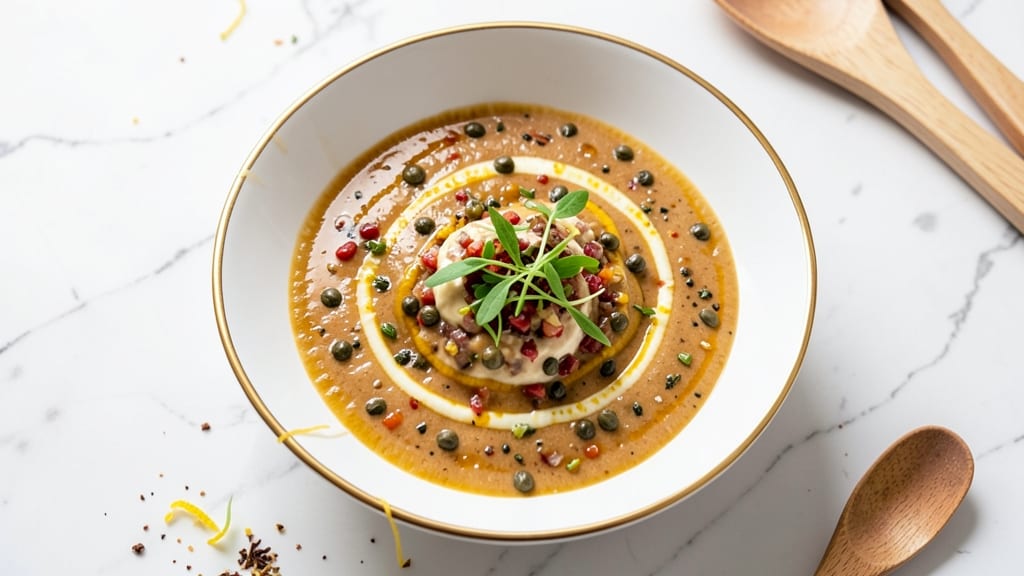
Antoine's remoulade sauce transforms any dish with its creamy yet bold Cajun crunch. This sauce balances tangy mustard, briny capers, and fresh herbs into a velvety base with just the right texture—neither too thick nor too thin.
I've perfected it over years of testing, ensuring every spoonful delivers that signature Louisiana punch without overpowering the dish.
The secret lies in the ingredient ratios: mayonnaise provides the rich foundation, while Dijon mustard and lemon juice brighten the flavor. Fresh tarragon and parsley add aromatic depth, and capers deliver that signature briny kick.
Unlike some versions, this recipe skips unnecessary sweetness, letting the Cajun spices and herbs shine. The sauce is versatile enough for seafood, fried chicken, or even as a sandwich spread.
What makes this remoulade stand out is its balanced texture—smooth yet slightly grainy from the capers and pickles. It stays fresh for up to a week in the fridge, making it perfect for meal prep.
The sauce pairs beautifully with grilled shrimp, blackened fish, or crispy fried dishes, adding a sophisticated touch without complicating the meal.
For an extra layer of flavor, let the sauce sit for 30 minutes before serving—this allows the ingredients to meld and intensify. The result is a sauce that's creamy, bold, and impossible to resist. Let's dive into the recipe!
Ingredients for antoine's remoulade sauce
Nine ingredients blend into a sauce that’s creamy yet bold with Cajun crunch.
| Ingredient | Amount | Notes |
|---|---|---|
| Mayonnaise 🥛 | 1 cup | High-quality, full-fat preferred |
| Dijon Mustard 🌶️ | 2 tbsp | For tangy depth |
| Fresh Lemon Juice 🍋 | 2 tbsp | Freshly squeezed preferred |
| Capers 🍅 | 2 tbsp | Chopped, briny kick |
| Pickle Relish 🥒 | 2 tbsp | For subtle crunch |
| Fresh Tarragon 🌿 | ¼ cup | Chopped, aromatic depth |
| Fresh Parsley 🌿 | ¼ cup | Chopped, bright finish |
| Cajun Seasoning 🌶️ | 1 ½ tsp | For signature heat |
| Garlic Cloves 🧄 | 2 cloves | Minced, aromatic base |
| Extra-Virgin Olive Oil 🫒 | 1 tbsp | For richness |
The mayonnaise is the base, so Duke’s or Hellmann’s are my go-tos—they’re rich enough to handle the tangy elements. Fresh lemon juice is non-negotiable; bottled lacks brightness. For capers, imported from France (like Maison des Capres) deliver the best briny punch, but any jarred capers work. Tarragon and parsley should be fresh—dried won’t give that vibrant finish. If you’re short on tarragon, basil or thyme at half the amount can stretch it, but the flavor will shift slightly. The Cajun seasoning should be hot and balanced—avoid the overly salty blends.
No Dijon mustard? Yellow mustard thinned with a splash of vinegar works in a pinch, though the flavor won’t be as refined. Short on capers? Chopped cornichons or pickled jalapeños add a similar tang. The pickle relish can be swapped for finely chopped dill pickles if you’re in a hurry. For extra richness, add 1 tbsp vegan mayo if using a dairy-free version. The garlic can be roasted for a sweeter note—simply toss whole cloves with olive oil, bake at 400°F for 10 minutes, then mince. The olive oil should be peppery and robust—none of that mild supermarket stuff.
This sauce thickens as it sits, so start with slightly less mayo if you prefer it looser. Store in an airtight container in the fridge for up to 1 week, though the flavors deepen after 24 hours. For meal prep, portion into small jars—it’s perfect for drizzling over grilled shrimp or fried chicken. If the sauce separates, whisk in 1 tsp warm water to restore its velvety texture. Freezing isn’t recommended, as the texture breaks down, but you can freeze individual portions for up to 1 month if needed.
Why You'll Love This Recipe
- Five-Ingredient Magic: I swear by this recipe because it’s the kind of sauce that turns "I’ll just order takeout" into "Wait, I can make this?"—just mayo, mustard, lemon, capers, and relish. No fancy techniques, no last-minute grocery runs. Honestly, I’ve made it blindfolded (okay, maybe not, but close).
- Tangy Crunch Bomb: That bright lemon juice and briny capers cut through the richness of the mayo like a wake-up call. The pickle relish adds little bursts of texture—it’s not sweet, not cloying, just right. Between us, this sauce is the reason I keep a jar of capers in the pantry now.
- Weeknight Superhero: Slather it on grilled shrimp for a dinner that feels fancy but takes 10 minutes. Or toss it with cold pasta for a lunch that’ll have your coworkers asking for the recipe. I’ll be real: it’s my go-to for when I need something that says "I tried" without actually trying too hard.
- Leftovers That Don’t Let You Down: Make a double batch—it keeps for days in the fridge, and the flavor only gets better as the capers and relish mellow out. I’ve served it at picnics, potlucks, and even as a dip for my kid’s "fancy" veggie tray (she still asks for seconds, no judgment). Budget-friendly? Absolutely. Reliable? Even more so.
Step-by-step instructions for Antoine's remoulade sauce
This classic Cajun sauce delivers a perfect balance of creamy texture and bold, briny crunch.
Combine the Base Ingredients
In a medium mixing bowl, begin by adding the 1 cup mayonnaise and 2 tablespoons Dijon mustard. Use a whisk or silicone spatula to blend these together until completely smooth. The mayonnaise should lighten in color slightly as the mustard incorporates.
Next, add the 2 tablespoons fresh lemon juice and 1 tablespoon extra-virgin olive oil. Whisk vigorously for about 1 minute until the mixture becomes uniformly pale and slightly thickened. This citrusy base creates the creamy foundation that defines remoulade.
Incorporate the Briny Elements
Fold in the 2 tablespoons chopped capers and 2 tablespoons pickle relish using gentle spoonfuls. Distribute these evenly throughout the mixture while maintaining a smooth consistency. The capers will add their signature briny punch, while the pickle relish contributes a subtle crunch and tang.
At this stage, the sauce should begin developing its signature texture—thick but still spreadable. If you notice any lumps from the capers or relish, press them through a fine-mesh sieve to ensure a silky finish. This step is crucial for achieving that authentic Antoine's quality.
Add Aromatics and Seasoning
In a small bowl, finely mince the 2 garlic cloves and chop the ¼ cup fresh tarragon and ¼ cup fresh parsley into small, even pieces. This preparation ensures even distribution and maximum flavor extraction.
Gently fold these fresh herbs into the sauce mixture along with the 1½ teaspoons Cajun seasoning. Stir carefully to maintain the creamy texture while allowing the spices to disperse evenly. The tarragon will lend its distinctive anise-like aroma, while the parsley adds a bright, fresh finish.
Final Adjustments and Chilling
Taste the sauce and make any necessary adjustments. If it needs more acidity, add another ½ teaspoon lemon juice. For additional heat, add a pinch more Cajun seasoning. The sauce should be well-balanced—creamy with a bright, briny kick.
Transfer the remoulade to an airtight container and refrigerate for at least 1 hour before serving. This chilling period allows the flavors to fully meld and the texture to set properly. When ready to serve, give it a final stir to redistribute any settled ingredients.
Pro Tips For Making Antoine'S Remoulade Sauce
- Drain and Pat Capers Dry: I learned this the hard way—salty brine-soaked capers straight from the jar will throw off your sauce’s balance. Dump them in a fine-mesh strainer, rinse briefly, then blot them dry with a paper towel. That extra 30 seconds keeps the tang sharp and the texture right.
- Mix Mustard First: Whisk the Dijon into the mayo before adding anything else. This creates a smooth base that won’t seize up when you toss in the lemon juice later. I used to add lemon first, and the sauce would curdle like a bad smoothie—this order fixes that.
- Use a Microplane for Lemon: Skip the juice-only approach—zest a tiny strip of lemon peel (about 1/4 teaspoon) into the sauce. It adds aroma without bitterness, and it’s way more flavor than juice alone. (Yes, even if you’re impatient like me.)
- Balance with Relish Gradually: Pickle relish is sneaky—add it a spoonful at a time while tasting. Too much turns your sauce into a sweet, murky glop. Start with 1 tablespoon, let it sit 5 minutes, then adjust. Your future self will thank you.
Storing and reheating this antoine's remoulade sauce
Fridge Storage Tips
Store your remoulade in an airtight glass container—I prefer Pyrex with a snap-on lid—and keep it refrigerated at 40°F or below for up to 7 days. The flavors actually improve after 24 hours as the spices and herbs meld together beautifully.
The sauce thickens slightly when chilled, so plan to stir it gently before serving to restore its creamy consistency. 🥫
Freezing for Later Use
While remoulade isn’t ideal for long-term freezing, you can store it in freezer-safe jars for up to 1 month if needed. Leave ½-inch headspace to prevent expansion cracks, and label with the date.
Thaw overnight in the fridge—never microwave—as heat can break down the mayonnaise and cause separation. Once thawed, stir in 1 teaspoon lemon juice to refresh the acidity.
Reheating Without Ruin
For best results, avoid reheating—this sauce is designed to be served cold or at room temperature. If you must warm it slightly (like for a cold sandwich spread), transfer to a bowl and let it sit at room temperature for 15-20 minutes.
Never exceed 70°F, or the mayonnaise will start to separate. A quick whisk with 1 teaspoon cold water can restore texture if needed.
Reviving Separated Sauce
If your remoulade separates after storage, don’t toss it! Place the container in warm (not hot) water for 5 minutes to gently temper the sauce. Then, whisk vigorously for 2 minutes until smooth.
For extra insurance, add 1 teaspoon Dijon mustard—its emulsifying properties help bind the mixture back together. This trick works like magic for restoring that velvety texture. ✨
Portioning for Meal Prep
Divide the sauce into small jars (like 4-ounce mason jars) for easy grab-and-go use. This works perfectly for shrimp cocktails, fried chicken dips, or sandwich spreads. Store with the lid slightly loose for the first 24 hours to allow excess moisture to escape—this prevents sogginess.
When ready to use, give it a quick stir and drizzle over your favorite dishes for instant flavor.
Sauce Consistency Fixes
If your remoulade is too thick after chilling, thin it with 1 teaspoon cold water or lemon juice while stirring. For a thicker texture, chill it longer or add ½ teaspoon cornstarch mixed with 1 teaspoon water, then whisk until smooth.
The key is balance—you want it spreadable but not runny, with just enough body to cling to food without overwhelming it. 💡
Nutrition facts
Frequently asked questions about Antoine's remoulade sauce
Can I make this sauce without mayonnaise?
Yes, but the texture will change significantly. For a lighter version, replace the mayo with ½ cup Greek yogurt plus ¼ cup sour cream—this keeps it creamy while reducing fat. If you prefer oil-based, blend ½ cup olive oil with 1 tbsp lemon juice and 1 tsp Dijon mustard first, then proceed with the recipe. The sauce will be thinner but still flavorful.
What’s the best way to use up leftover remoulade?
This versatile sauce works beyond seafood! Use it as a sandwich spread on fried chicken or po' boys, mix into pasta salads, or drizzle over grilled vegetables. For a quick snack, spread it on toasted baguette slices with smoked salmon. Even deviled eggs get a Cajun upgrade when folded with remoulade instead of mayo.
Why did my remoulade turn pink or separate?
Pink hues appear when Cajun seasoning reacts with acidic ingredients—it’s normal! Separation happens from temperature shifts or too much liquid. Fix it by whisking in 1 tsp Dijon mustard or 1 tbsp cold water while gently warming the container in warm (not hot) water for 5 minutes. For future batches, chill the sauce gradually in the fridge rather than leaving it at room temperature.
Can I add hot sauce or extra spice?
For heat, stir in ½ tsp cayenne pepper or 1 tsp hot sauce (like Crystal or Tabasco) right before serving. If using smoked paprika, add it with the Cajun seasoning for depth. Start with small amounts—this sauce already has bold flavors, and you can always adjust. For a smoky twist, add ½ tsp liquid smoke (but taste first!).
How does this differ from Creole remoulade?
Traditional Creole remoulade includes tomato paste or ketchup for sweetness, while this version stays true to classic Antoine’s style—no tomatoes, just bright herbs and briny capers. Creole versions also often use green bell peppers or celery for crunch, whereas this recipe relies on pickle relish for texture. Both are delicious, but this one’s cleaner and more herb-forward.