
Sauces & Condiments
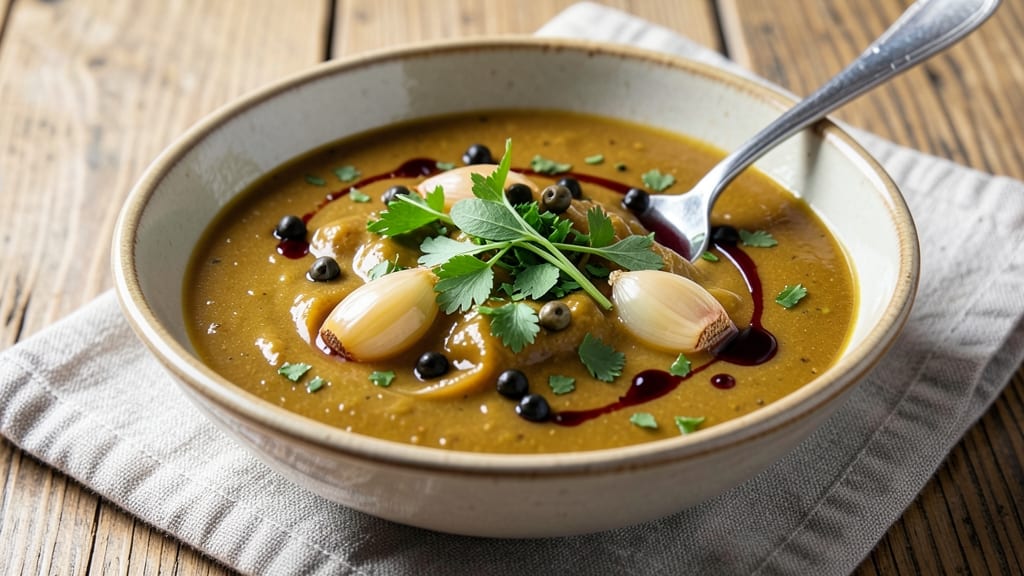
Authentic remoulade sauce transforms simple dishes into vibrant Senegalese-inspired masterpieces with its bold, tangy complexity. This recipe balances creamy mayonnaise with fiery mustard, briny capers, and fresh herbs—just like the sauce that elevates grilled fish and Creole cuisine. The secret lies in precise measurements and proper spice blending, ensuring every spoonful delivers that signature punch.
What sets this sauce apart is its authentic technique: a paste of mustard, vinegar, and spices forms the flavor foundation before blending with mayonnaise and pickled elements. The result is a sauce that's both rich and refreshing, with capers adding briny depth and fresh herbs providing bright contrast.
This version stays true to Senegalese roots while remaining adaptable for modern kitchens.
Once prepared, this sauce keeps beautifully in the refrigerator for up to 5 days, making it perfect for meal prep. The versatility extends beyond fish—it enhances sandwiches, wraps, and even as a dipping sauce for fried vegetables.
The balance of textures and flavors creates a sauce that's as impressive on a weeknight as it would be at a restaurant.
The key to success is patience in blending and tasting as you go. Adjust the mustard for more heat or the mayonnaise for creaminess until you achieve the perfect harmony. This authentic remoulade transforms ordinary meals into extraordinary experiences with minimal effort and maximum flavor impact.
Ingredients for authentic remoulade sauce
This sauce balances creamy mayonnaise with fiery mustard and briny capers for authentic Senegalese flavor.
| Ingredient | Amount | Notes |
|---|---|---|
| Mayonnaise 🥫 | 1 cup | High-quality, full-fat preferred |
| Dijon Mustard 🌶️ | ½ cup | French-style for authentic flavor |
| White Wine Vinegar 🍷 | ¼ cup | Dry variety for brightness |
| Capers 🫒 | ¼ cup | Packed in brine, chopped |
| Fresh Parsley 🌿 | ½ cup | Chopped stems included |
| Fresh Tarragon 🌿 | ¼ cup | Finely chopped leaves |
| Shallots 🧅 | 3 whole | Minced for fine texture |
| Garlic Cloves 🧄 | 2 cloves | Peeled and minced |
| Olive Oil 🫒 | ½ cup | Extra-virgin for richness |
| Salt 🧂 | 1 ½ tsp | Diamond Crystal preferred |
The foundation starts with Dijon mustard—French-style is non-negotiable for that authentic bite. Maille or Amora are my go-tos, but any quality Dijon works. Shallots and garlic should be finely minced for seamless texture; don't pulse them in a food processor or you'll get a paste. Fresh tarragon is essential here—dried simply won't cut it. Look for bright green stems at specialty markets or well-stocked grocery stores. The capers should be packed in brine, not salt, and thoroughly rinsed before chopping to remove excess saltiness. For the mayonnaise, Hellmann's or Best Foods are reliable, but homemade works beautifully if you prefer a lighter texture.
No fresh tarragon? Dried tarragon at one-third the amount is a decent substitute, though it lacks the bright anise notes. Short on capers? Pickle juice plus a pinch of salt mimics the briny depth. Running low on shallots? Substitute with 2 tbsp minced red onion. The mustard can be swapped for whole-grain mustard if you prefer a nuttier profile, though it may alter the sauce's smoothness slightly. For a richer texture, add 1 tbsp crème fraîche at the end. The olive oil should be extra-virgin—anything less will taste harsh against the other flavors. If you're making this ahead, prepare the mustard-vinegar-spice paste first and store it separately from the mayonnaise until ready to blend.
This sauce maintains peak freshness for 5 days in an airtight container in the refrigerator. For longer storage, transfer to a sealed jar and freeze for up to 3 months. The flavors actually deepen over time, making it perfect for meal prep. When ready to use, give it a quick whisk or shake before serving. The sauce pairs beautifully with grilled fish, fried vegetables, or even as a zesty mayo alternative for sandwiches. If the sauce thickens upon refrigeration, stir in 1 tsp water or vinegar to restore smoothness. For extra brightness, add a pinch of smoked paprika before serving.
Why You'll Love This Recipe
- Five-Ingredient Magic: I swear by this combo—mayo, mustard, vinegar, capers, and parsley. That’s it. No fussing with exotic spices or last-minute shopping runs. Honestly, I keep a jar of capers and a bottle of Dijon in my pantry just for this.
- Tangy Kick: Between us, the white wine vinegar and capers give this sauce a bright, briny punch that cuts through rich meats or fried foods. That first bite? Pure satisfaction—creamy with a sharp, salty finish that makes you reach for seconds.
- Party in a Jar: This sauce is my go-to for everything from grilled shrimp to sandwiches. I’ll admit, it’s not the prettiest, but the taste makes up for it. Plus, it’s the kind of thing that turns a simple plate of fries into a crowd-pleaser at a picnic or game day.
- Leftovers? No Problem: Make a big batch and store it for up to a week—yes, it actually tastes better the next day as the flavors meld. I’ll be real: I’ve used this to jazz up last night’s takeout or a quick weeknight dinner. Budget-friendly, reliable, and always ready.
Step-by-step instructions for authentic remoulade sauce
This technique preserves the sauce's signature balance of bold Senegalese spices and creamy texture.
Prepare the Aromatic Base
In a small saucepan, combine the 3 whole shallots and 2 cloves garlic cloves with 0.5 cup olive oil over medium-low heat. Cook for 8-10 minutes until the shallots soften and turn translucent, stirring occasionally to prevent burning. The oil should develop a gentle nutty aroma—this is your flavor foundation.
Here's the thing—don't rush this step. The shallots must caramelize slightly without browning, which would create bitterness. You'll know it's ready when they're tender enough to mash between your fingers but still hold their shape. Remove from heat and let cool for 5 minutes before proceeding.
Blend the Core Components
Transfer the cooled shallot-garlic mixture to a food processor along with the 1 cup mayonnaise, 0.5 cup Dijon mustard, 0.25 cup white wine vinegar, and 1.5 tsp salt. Process until completely smooth, scraping down the sides as needed. This creates the sauce's velvety texture while ensuring even distribution of flavors.
I process in two stages for best results: first pulse to break up the shallots, then blend continuously for 1-2 minutes until the mixture is silky. The sauce should be thick but pourable—like a rich, tangy emulsion. If it's too thick, add 1-2 tablespoons of water to reach the perfect consistency.
Incorporate the Briny Elements
Add the 0.25 cup capers, 0.5 cup fresh parsley, and 0.25 cup fresh tarragon to the food processor. Pulse 3-4 times just to combine—over-processing will break down the herbs and release bitterness. The capers should be finely distributed but still visible as tiny specks throughout the sauce.
Taste at this stage and adjust seasoning if needed. The capers and vinegar provide acidity, while the mustard and mayonnaise contribute richness. The herbs add freshness that cuts through the sauce's bold character. If it needs more brightness, add 1 teaspoon of white wine vinegar; for depth, incorporate 1 teaspoon of the reserved shallot oil from the saucepan.
Rest and Refine the Texture
Transfer the remoulade to a bowl and let it rest at room temperature for 30 minutes. This resting period allows the flavors to meld and the sauce to reach its optimal consistency. The mayonnaise will thicken slightly, and the herbs will release their aromatic oils.
After resting, give the sauce one final taste. It should balance tangy, briny, and creamy notes with a subtle herbal finish. If the texture has thickened too much, thin it with 1 tablespoon of water at a time until it reaches a smooth, spreadable consistency. The sauce is now ready to elevate grilled fish, fried seafood, or even as a sandwich spread.
Pro Tips For Making Authentic Remoulade Sauce
- Rinse the Capers: DESCRIPTION: Drain and give them a quick rinse under cold water—even the "packed in brine" ones. I learned this the hard way when my sauce ended up tasting like a salt lick instead of bright, briny capers. A 10-second rinse removes excess salt without losing texture.
- Whisk the Mustard First: DESCRIPTION: Mix the Dijon into the mayo before adding vinegar or capers. This prevents lumps and lets the mustard emulsify smoothly. I used to add everything at once, and the sauce always separated—now it stays silky every time.
- Pulse the Parsley: DESCRIPTION: Roughly chop the parsley and pulse it in a food processor for 2 seconds—just enough to break up the stems without turning it into paste. This keeps the sauce vibrant and prevents clumping. (Yes, even if you’re impatient like me.)
- Thin Gradually: DESCRIPTION: Start with 1 tablespoon of vinegar, taste, then add more slowly. Remoulade needs acid, but too much kills the balance. I once ruined a batch by dumping in half the bottle—now I adjust in ½-teaspoon increments.
Dietary considerations for this dish
Classic Remoulade Adaptations
This sauce thrives on its traditional French-Cajun roots but easily adapts to dietary needs.
For vegetarian versions, simply omit any seafood-based elements—this sauce works perfectly with roasted vegetables or as a dip for crudités. I've made it with vegan mayonnaise (like Just Mayo) and Dijon mustard for a plant-based option that still delivers bold flavor.
The key is balancing the mustard-to-mayonnaise ratio—start with 3:1 and adjust to taste. 🌱
Gluten-Free Considerations
Remoulade sauce is naturally gluten-free, but always double-check your Dijon mustard label—some brands contain wheat. I recommend Annie's Organic Dijon or Maille for certified gluten-free options. The capers and herbs are inherently safe, and the mayonnaise base (if using traditional egg-based mayo) poses no gluten risk.
For extra security, prepare the mustard-vinegar-spice paste separately and store it in a dedicated container to prevent cross-contamination during blending.
Allergen-Friendly Swaps
For egg-free remoulade, use a high-quality vegan mayo like Hellmann's Vegan or Sir Kensington's. The texture remains creamy, though you may need to add 1 extra tablespoon of water to achieve the same smooth consistency.
If you're avoiding mustard, replace it with 1 tablespoon of lemon juice plus 1 teaspoon of smoked paprika for depth—though the sauce will lose its signature tang. For seafood-free adaptations, skip the capers (or use pickle juice) and focus on the herby, creamy base instead.
Low-Fat Versions
To lighten the sauce, reduce the mayonnaise to ½ cup and replace the remaining ½ cup with Greek yogurt (plain, nonfat). This cuts calories by about 30% while maintaining creaminess.
I also swap ½ of the olive oil for lemon juice in the aromatic base to reduce fat content without sacrificing flavor. The result is a lighter sauce that still packs a punch—perfect for those watching their intake but craving bold flavors. 💪
Spice Level Control
The mustard provides most of the heat, so adjust it first. For milder remoulade, reduce Dijon to ¼ cup and add 1 tablespoon of honey or maple syrup to balance.
For extra spice, increase mustard to ⅔ cup and add ½ teaspoon of cayenne pepper or 1 tablespoon of hot sauce. I like Crystal Hot Sauce for its smoky depth. Always taste as you go—remoulade's complexity makes it forgiving, but the mustard is where the heat lives.
Nutrition facts
Frequently asked questions
What's the difference between remoulade and tartar sauce?
Remoulade is more complex with its signature blend of capers, fresh herbs, and a mustard-vinegar-spice paste, while tartar sauce is simpler—just mayo, lemon, capers, and parsley. The mustard and vinegar in remoulade give it that distinctive tangy kick that tartar sauce lacks. Think of remoulade as tartar sauce's sophisticated cousin!
Can I make remoulade sauce ahead of time?
This sauce actually tastes better after resting. Store it in an airtight container in the fridge for up to 5 days. For longer storage, freeze for 3 months. Just give it a quick whisk or shake before serving to restore its smooth texture. The flavors meld beautifully over time!
What's the best way to thin remoulade if it gets too thick?
Start with 1 tablespoon of water or white wine vinegar at a time. The vinegar helps maintain acidity while thinning. For a richer texture, you can also use 1 teaspoon of the reserved shallot oil from the cooking process. Stir gently to avoid breaking the emulsion.
What are the best dishes to serve with remoulade?
This versatile sauce shines with grilled or fried seafood like shrimp, fish, or scallops. It's also perfect for Creole-style dishes, sandwiches, or as a dip for fried vegetables. The briny capers and fresh herbs make it ideal for balancing rich, oily fish flavors.
Can I substitute pickles for capers in remoulade?
While not traditional, you can use 2 tablespoons of finely chopped dill pickles plus 1 teaspoon of pickle juice to mimic the briny flavor. For best results, choose sweet dill pickles and chop them very fine. The texture will be slightly different but still delicious!