
Sauces & Condiments
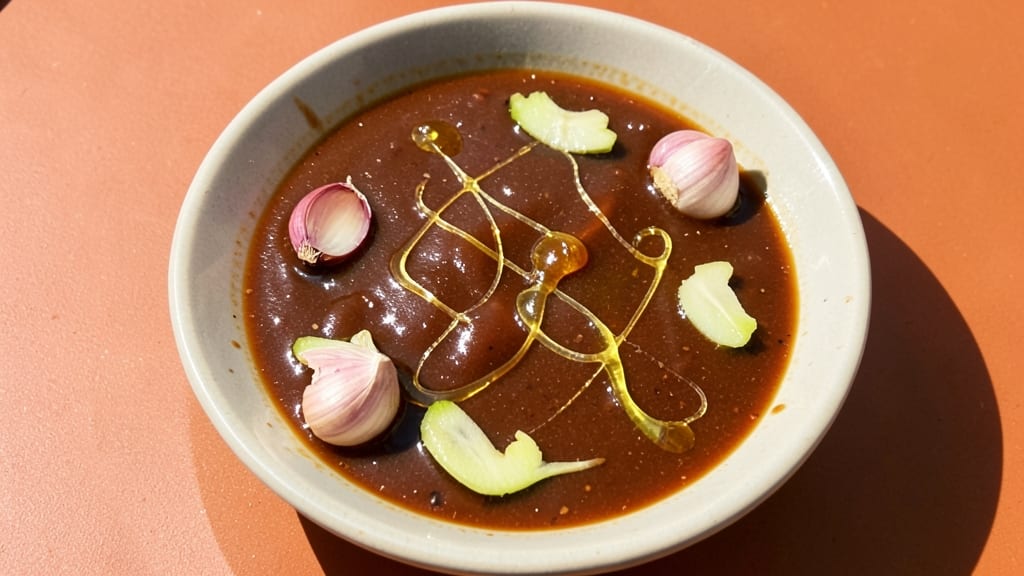
This amazing stir fry sauce recipe transforms bland wok dishes into flavor bombs with just a few simple ingredients. The secret lies in balancing sweet, tangy, and umami notes—no fancy techniques required. I developed this sauce after years of testing, and it’s now my go-to for restaurant-quality flavor at home.
What makes this sauce special is its versatility and depth. A rich blend of soy sauce, honey, and garlic creates the perfect base, while sesame oil and rice vinegar add layers of complexity.
The sauce thickens beautifully when simmered, coating every bite with bold, sticky goodness. It’s foolproof, requires just 10 minutes of active time, and keeps for weeks in the fridge.
Once you taste this sauce, you’ll never settle for bottled versions again. It elevates stir-fries, marinades, and even grilled meats—think crispy tofu, tender chicken, or seared shrimp. The umami zing cuts through heat, making it perfect for spicy dishes too.
Plus, it’s easy to customize: add chili paste for heat, ginger for freshness, or a splash of coconut aminos for depth.
Store it in an airtight container for up to 4 weeks, or freeze for longer shelf life. This sauce is your new kitchen MVP—simple to make, impossible to resist. Let’s get cooking!
Ingredients for amazing stir fry sauce
Eight simple ingredients. One restaurant-quality sauce. Ready in 10 minutes.
| Ingredient | Amount | Notes |
|---|---|---|
| Soy Sauce 🍶 | ½ cup | High-quality, low-sodium preferred |
| Honey 🍯 | ¼ cup | Wildflower or clover variety |
| Garlic Cloves 🧄 | 4 cloves | Minced for smooth texture |
| Sesame Oil 🫒 | 2 tbsp | Toasted for nutty aroma |
| Rice Vinegar 🍶 | ¼ cup | White or seasoned variety |
| Ginger 🌿 | 1 tbsp | Freshly grated, zesty kick |
| Cornstarch 🌾 | 1 tbsp | For thickening consistency |
| Water 💧 | ¼ cup | Room temperature preferred |
| Salt 🧂 | ½ tsp | Kosher or sea salt |
| Black Pepper 🌶️ | ¼ tsp | Freshly ground for heat |
The soy sauce is your umami backbone—Kikkoman or La Choy are my go-tos, but any good-quality brand works. Honey adds that sweet, sticky depth, so avoid artificial varieties—wildflower or clover makes all the difference. Garlic and ginger? Fresh is non-negotiable here—dried won’t cut it. Toasted sesame oil gives that nutty aroma, so look for the dark, toasted kind at Asian markets or the international aisle. If you can’t find it, regular sesame oil works, but it’ll taste less complex. The rice vinegar should be white or seasoned—no red vinegar, that’s for sushi rice.
No honey? Maple syrup or agave works in a pinch, though honey’s floral notes are ideal. Short on ginger? Substitute with 0.5 tsp ground ginger, but fresh is always better. Cornstarch is key for that glossy finish—arrowroot powder works too if you’re out. The sauce thickens as it cools, so don’t over-thicken. Want extra depth? Add a dash of fish sauce or coconut aminos for umami. For heat, toss in a teaspoon of chili paste or sriracha. The sauce keeps developing flavor the longer it sits, so make a double batch if you can—it’s worth it.
This sauce is a fridge MVP—stores for 4 weeks in an airtight container. For longer shelf life, freeze in ice cube trays and transfer to a bag. Thaw overnight in the fridge or microwave for 20 seconds. The sauce thickens as it cools, so stir in a splash of water if it gets too stiff. It’s perfect for stir-fries, marinades, or even drizzling over grilled meats. Double the recipe—you’ll want leftovers.
Why You'll Love This Recipe
- Here’s what sold me: this sauce doesn’t spoil quickly, and it actually improves over time. Store it in the fridge, and the flavors meld into something even richer—perfect for lazy mornings or quick lunches.
- Five-Ingredient Magic: I swear by this combo—soy sauce’s saltiness, honey’s sweetness, and garlic’s punch all balance perfectly. The sesame oil adds that nutty aroma that makes every bite feel like a little celebration.
- Pantry Staple Power: Honestly, I’ve made this sauce at least 20 times using ingredients I already had. No last-minute grocery runs, no fancy shopping—just open, mix, and stir. That’s my kind of cooking.
- Weeknight Wonder: Between us, this sauce turns takeout-level stir-fries into something better in under 10 minutes. Toss it with whatever’s in your fridge—veggies, tofu, chicken—and suddenly, dinner feels intentional.
Step-by-step instructions for bold umami stir fry sauce
Here's how to craft a restaurant-quality stir fry sauce that'll elevate any wok dish.
Combine Wet Ingredients for Flavor Base
In a medium saucepan, pour in the 0.5 cup soy sauce and 0.25 cup honey. Add the 0.25 cup rice vinegar and 2 tbsp sesame oil—this creates the foundational balance of salty, sweet, and tangy flavors. Stir gently to integrate the ingredients without creating bubbles.
Next, add the 1 tbsp freshly grated ginger and 4 minced garlic cloves. Let the mixture simmer over medium-low heat for 3-4 minutes until you can smell the aromatic garlic and ginger infusing the sauce. The sauce should look glossy and slightly thickened from the honey's natural properties—this is your visual cue that the flavors are melding properly.
Thicken the Sauce with Cornstarch Slurry
In a small bowl, whisk together the 1 tbsp cornstarch and 0.25 cup water until completely dissolved—this creates your thickening agent. I like to use a fork for this step to avoid creating lumps, which can happen if you stir too vigorously.
Slowly pour the cornstarch mixture into the simmering sauce while stirring constantly. The sauce will begin to thicken almost immediately—keep stirring for 1-2 minutes until it reaches a glossy, coatable consistency. You're aiming for a sauce that's thick enough to cling to vegetables and meats but still flows smoothly when tossed. If it thickens too quickly, add 1-2 tablespoons of water to adjust the texture.
Season and Simmer to Perfection
Add the 0.5 tsp salt and 0.25 tsp freshly ground black pepper to the sauce. Taste it now—this is your quality control moment. The sauce should balance sweet, salty, tangy, and umami flavors with a subtle kick from the ginger and garlic. If it needs more depth, add a splash of rice vinegar; if it needs more sweetness, stir in a bit more honey.
Return the sauce to a gentle simmer for 2-3 minutes to let all the flavors meld completely. The sauce should now have a rich, glossy appearance and a consistency that's perfect for tossing with stir fry ingredients. Remove from heat immediately to preserve the vibrant flavors—overcooking can make the sauce taste flat or overly concentrated.
Cool and Store for Maximum Flavor
Let the sauce cool to room temperature, stirring occasionally. The flavors will continue to develop as it cools, becoming more complex and balanced. This sauce tastes best when used within 3-4 days when refrigerated, though it will keep for up to 1 week in an airtight container.
For the best results, shake the sauce well before using—settled ingredients can separate slightly. This sauce works wonders with chicken, beef, tofu, or vegetable stir fries, adding that professional touch that makes home-cooked meals taste like they came from a wok house.
Pro Tips For Making Amazing Stir Fry Sauce
- MINCE THAT GARLIC: I learned this the hard way—whole cloves or even chopped chunks in stir fry sauce just sit there like stubborn guests. Use a microplane or fine grater to get it into a paste, or smash it with the flat side of your knife first. That way, it blends smoothly and infuses the sauce instead of turning it into a textural surprise.
- SALT THE SOY FIRST: Skip the pre-salted soy sauce unless you want to risk ending up with something too briny. Use unsalted soy sauce (or low-sodium) and add a pinch of flaky sea salt directly to the sauce. Taste as you go—you’re aiming for savory depth, not a salty punch.
- WARM THE SESAME OIL: Pour that sesame oil in last, but warm it first—just a few seconds in the saucepan over low heat. Cold sesame oil can make the sauce taste harsh or bitter. A quick warm-up mellows its flavor and lets it shine without overpowering.
- DILUTE THE HONEY: Honey is thick, and dumping it straight in can turn your sauce into syrup. Mix it with a splash of warm water (about 1 tablespoon per 2 tablespoons honey) before adding it to the sauce. It’ll blend in smoothly and prevent clumping—trust me, your stir fry will thank you.
Wine and beer pairings for this recipe
Crisp White Wines
For this umami-packed sauce, I reach for dry Riesling or Sauvignon Blanc—their bright acidity cuts through the sauce’s richness while complementing the ginger and garlic.
A German Riesling like Dr. Loosen Blue Slate offers mineral notes that mirror the soy sauce’s depth, while a New Zealand Sauvignon Blanc (like Oyster Bay) brings citrusy freshness that balances the honey’s sweetness. 🍷
Light-Bodied Reds
If you prefer red, opt for Pinot Noir—its delicate tannins won’t overpower the sauce’s complexity. Look for a Oregon Pinot like Domaine Serene or a French Bourgogne for earthy undertones that pair beautifully with the umami. Avoid bold Cabernets; their heavy structure clashes with the sauce’s light, glossy texture.
Asian-Inspired Beers
For beer lovers, Japanese Sake (like Dassai Junmai) is a game-changer—its clean, slightly sweet profile enhances the sauce’s caramelized honey notes. Alternatively, a light lager like Asahi Super Dry or Sapporo offers crispness that cleanses the palate between bites.
Avoid heavy IPAs; their hop bitterness competes with the sauce’s depth.
Non-Alcoholic Options
Skip the alcohol? Try sparkling yuzu soda (like San Pellegrino Aranciata) for a citrusy, fizzy contrast, or ginger beer (like Feather Ginger Beer) to mirror the sauce’s zesty ginger. For a savory match, cucumber-infused water with a pinch of salt highlights the umami without overpowering it.
Pro Pairing Tip
Serve your sauce at room temperature—its flavors open up beautifully. If using wine, let it breathe for 5-10 minutes before pouring. I like to chill my Riesling slightly (about 50°F) to enhance its crispness against the sauce’s warmth. For beer, serve chilled to 40°F to preserve its effervescence.
Nutrition facts
Frequently asked questions
Can I make this sauce without cornstarch?
Yes! For a cornstarch-free version, try 1 tbsp arrowroot powder or 1 tbsp tomato paste instead. If you prefer no thickener, reduce the water by 2 tbsp and simmer longer—just know the sauce will be thinner. The cornstarch creates that perfect glossy finish, but these alternatives work well too.
How do I adjust the heat level?
For extra heat, add 1 tsp chili paste or 1 tsp sriracha while simmering. For a milder version, reduce the garlic slightly (try 2 cloves) or omit the black pepper. Taste as you go—this sauce is flexible!
Can I use this sauce for marinades?
This sauce doubles as an amazing marinade for chicken, shrimp, or tofu. Use ½ cup sauce per pound of protein and marinate for 30 minutes to 2 hours (no longer or the acidity can over-tenderize). The honey and soy create a sticky, flavorful crust when grilled or pan-seared.
What if my sauce separates when refrigerated?
This happens when the cornstarch cools too much. Simply stir in 1-2 tsp warm water and gently reheat for 10 seconds in the microwave. The sauce should re-emulsify completely. For prevention, store it in a glass jar (not plastic) and let it cool gradually rather than shock-cooling.
Is this sauce gluten-free?
Only if you use gluten-free soy sauce! Regular soy sauce contains wheat. For a fully gluten-free version, substitute with tamari or coconut aminos (use ⅓ cup for the same flavor impact). The rest of the ingredients are naturally gluten-free, so this swap makes it safe for sensitive diets.