
Sauces & Condiments
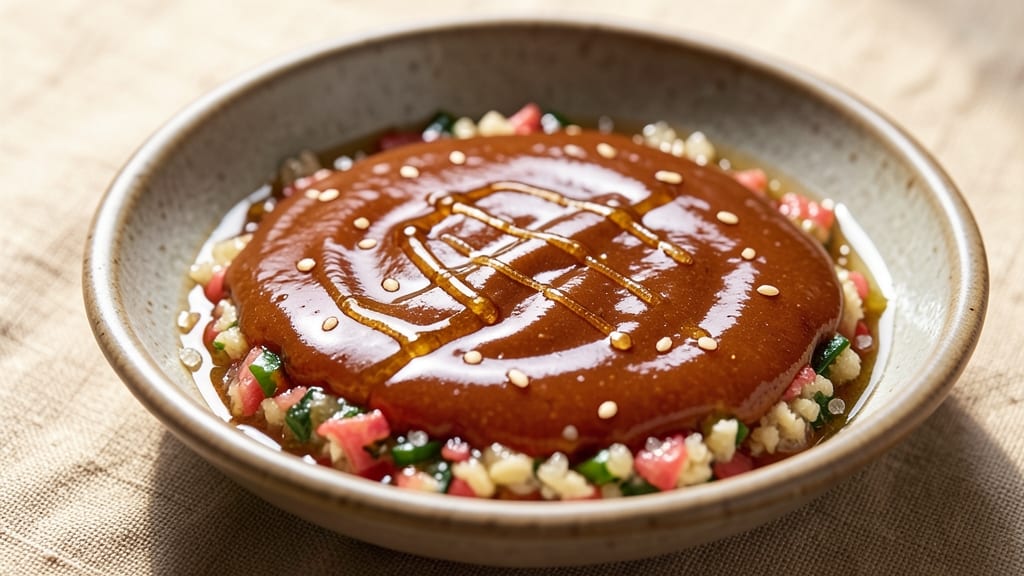
This Aloha Shoyu Teriyaki Sauce transforms simple proteins into restaurant-worthy dishes with its perfect balance of sweet, salty, and umami flavors. The secret lies in the combination of traditional Japanese soy sauce, Hawaiian aloha shoyu, and mirin, creating a glaze that's richer and more complex than standard teriyaki.
I developed this recipe after years of experimenting with glazes—this version stays true to its roots while delivering a depth of flavor that elevates everything from grilled chicken to seared salmon.
The sauce begins with a simple simmer of soy sauce, mirin, and sugar, but it's the aloha shoyu that makes it truly special. This Hawaiian-style soy sauce adds a subtle sweetness and fruity note that rounds out the savory base.
As the mixture reduces, it develops a glossy, sticky consistency perfect for glazing, with a caramelized aroma that fills your kitchen. The best part?
It only takes 15 minutes to make and keeps well in the fridge for up to 2 weeks, so you can always have this flavorful sauce on hand.
What sets this sauce apart is its versatility—it works equally well as a marinade, glaze, or dipping sauce. Toss it with grilled vegetables for a quick side, brush it on fish before searing for a crispy crust, or drizzle it over rice bowls for instant depth of flavor.
The balance of sweetness and salt ensures it won't overpower delicate ingredients, making it a go-to for weeknight dinners and special occasions alike.
The key to success is patience during the reduction—let it simmer until it thickens to your desired consistency, but don't rush it. The longer it cooks, the more intense the flavor becomes.
Once you taste the results, you'll never go back to store-bought teriyaki again. Let's get started on making this sauce that will become your new kitchen staple.
Ingredients for aloha shoyu teriyaki sauce
Nine ingredients, fifteen minutes—this sauce transforms ordinary meals into restaurant-worthy dishes.
| Ingredient | Amount | Notes |
|---|---|---|
| Aloha Shoyu 🥫 | ½ cup | Hawaiian-style soy sauce for fruity depth |
| Japanese Soy Sauce 🥫 | ½ cup | Kikkoman preferred for authentic flavor |
| Mirin 🍶 | ¼ cup | Sweet cooking wine, not substitute |
| Granulated Sugar 🍚 | ¼ cup | Light brown sugar for caramel notes |
| Rice Vinegar 🍶 | 1 tbsp | White or seasoned rice vinegar |
| Sesame Oil 🫒 | 1 tsp | Toasted sesame oil for aroma |
| Fresh Ginger 🧄 | 1 tbsp | Grate finely for zesty kick |
| Garlic Cloves 🧄 | 2 cloves | Minced for aromatic punch |
| Water 💧 | ¼ cup | Adjust for desired consistency |
The aloha shoyu is the game-changer here—look for brands like Aloha Soy Sauce at Asian markets or online. If you can't find it, substitute with an extra tablespoon of regular soy sauce plus 1 teaspoon of honey. For the mirin, never use cooking wine—it lacks the right balance of sweetness and acidity. The ginger and garlic should be fresh; pre-minced jarred ginger loses its zing. I always grab the Kikkoman soy sauce from the regular grocery store—it's consistent and reliable. Toast your sesame seeds separately if you want extra crunch, but the oil alone adds enough aroma.
No aloha shoyu? Mix 3/4 cup soy sauce with 1 tablespoon pineapple juice for a close approximation. Running out of mirin? Substitute with 2 tablespoons sugar plus 1 tablespoon water, but the flavor won't be identical. The sugar can be swapped for light brown sugar or coconut sugar—just reduce by 1 tablespoon if using darker varieties. If you prefer less sweetness, cut the sugar to 2 tablespoons and add 1 teaspoon more rice vinegar. For an extra umami boost, add 1 teaspoon of fish sauce (if not vegetarian) or 1/2 teaspoon of MSG. The water is your consistency secret weapon—add more for thinner sauce, less for thicker glaze.
This sauce keeps beautifully—2 weeks in the fridge sealed tightly, or 6 months in the freezer in ice cube trays. I always make a double batch because it disappears fast. Store it in a glass jar in the fridge, and shake before each use. The flavors actually improve after 24 hours as everything melds together. Freeze extras in 1-tablespoon portions for quick glazes. Don't skip the sesame oil—it's what gives that authentic teriyaki aroma. If you're using it as a marinade, reserve some to brush on at the end for maximum crispiness.
Why You'll Love This Recipe
- Five-Ingredient Magic: I swear by this combo—just five pantry staples (and honestly, I always have them). The Aloha Shoyu cuts through the sweetness while the mirin adds that bright, almost citrusy lift—no fancy reductions or simmering for hours.
- Umami Bomb: That first taste? Chef’s kiss. The Japanese soy and Aloha Shoyu team up for a deep, savory punch, while the sugar and rice vinegar balance it into something dangerously addictive. Drizzle it over grilled chicken, and you’ll forget store-bought ever existed.
- Weeknight Superstar: Between us, this is my go-to for busy nights. Toss it in a jar, shake it up, and boom—glaze ready. I’ve used it on salmon, tofu, even roasted veggies, and it never lets me down. (Yes, even on a Tuesday night.)
- Leftovers That Shine: Make a big batch—it keeps for weeks in the fridge. The flavors actually get better as it mellows, and I’ve reheated it for stir-fries, marinades, and even a quick noodle bowl. Zero waste, maximum flavor.
Step-by-step instructions for Aloha Shoyu teriyaki sauce
Here's how to craft this vibrant, balanced sauce that bridges Hawaiian and Japanese flavors perfectly.
Prepare the Aromatics
In a small saucepan, combine the 1 tablespoon fresh ginger and 2 cloves garlic cloves with the 0.25 cup water. Let this mixture simmer gently over medium-low heat for 3-4 minutes until the ginger softens and the garlic releases its fragrant oils. You'll smell that aromatic punch building—this is where the sauce gets its depth.
Don't let it boil vigorously or the ginger will turn bitter. Instead, keep it at a gentle simmer where you see just tiny bubbles breaking the surface. This step infuses the foundation of your sauce with those bright, zesty notes that will shine through the final glaze.
Combine Base Ingredients
Add the 0.5 cup Aloha Shoyu, 0.5 cup Japanese Soy Sauce, and 0.25 cup Mirin to the saucepan with the aromatics. Stir to combine, then increase heat to medium-high and bring the mixture to a gentle boil. Once boiling, reduce heat to medium and let it simmer uncovered for 5-7 minutes.
This simmering time allows the flavors to meld together beautifully. You'll notice the sauce darken slightly and reduce in volume—this is exactly what we want. The Aloha Shoyu adds that fruity depth while the Japanese soy sauce contributes authentic umami. The mirin sweetens naturally without overpowering.
Add Sweetness and Acid
Stir in the 0.25 cup Granulated Sugar and 1 tablespoon Rice Vinegar while maintaining the simmer. Let it cook for another 3-5 minutes until the sugar dissolves completely and the sauce begins to thicken slightly. The vinegar adds that bright, tangy contrast that balances the sweetness.
Here's where the sauce starts to transform. You'll see it become glossy and slightly syrupy. If you taste it now, you'll notice the perfect balance between sweet, salty, and tangy flavors. The sugar caramelizes just enough to create that beautiful teriyaki sheen without becoming cloying.
Finish with Sesame Oil
Remove the saucepan from heat and stir in the 1 teaspoon Sesame Oil. This final step adds that nutty aroma and rich depth that makes this sauce truly special. The sesame oil should be incorporated completely, giving the sauce a beautiful golden hue.
Let the sauce rest for 5 minutes before using. This resting period allows all the flavors to fully meld together. You'll notice the aroma becomes even more complex and inviting. For best results, use this sauce immediately on grilled meats, roasted vegetables, or as a dipping sauce for fresh spring rolls.
Pro Tips For Making Aloha Shoyu Teriyaki Sauce
- Simmer Slow and Steady: I learned this the hard way—rushing the sauce on high heat turns it bitter. Keep it at a gentle simmer (tiny bubbles, not rolling) for at least 10-12 minutes. The sugar needs time to caramelize properly, or you’ll end up with a sharp, cloying flavor instead of that deep, balanced sweetness.
- Balance the Vinegar First: Skip the guesswork: mix the rice vinegar with the sugar before adding it to the saucepan. This dissolves the sugar faster and prevents grainy clumps in your aloha shoyu teriyaki. Stir it into the vinegar until fully incorporated—no lumps, no regrets.
- Don’t Substitute Mirin Lightly: Cheap or generic mirin substitutes (like sweetened rice wine) lack the acidity and umami that make this sauce sing. If you’re out of mirin, split the difference: use 3/4 of the called-for amount and add 1/2 teaspoon of lemon juice or rice vinegar to compensate. Your sauce will taste flat otherwise.
- Reduce Early, Finish Hot: Pull the sauce off heat just before it reaches your target consistency, then turn the heat back on for the final 2-3 minutes. This lets you control the thickness without burning the bottom. A splash of water or extra mirin can fix over-thickening, but a scorched sauce? That’s a whole new problem.
Dietary considerations for these flavors
Gluten-Free Adaptations
For a gluten-free version, replace the Japanese soy sauce with tamari or gluten-free soy sauce—both provide that deep umami without the gluten. I've tested this substitution and found San-J Tamari works beautifully, delivering the same rich flavor profile.
The Aloha Shoyu is naturally gluten-free, so no changes are needed there. Just be sure to check labels on your sesame oil and rice vinegar to confirm they're certified gluten-free. 🌱
Low-Sugar Options
If you're watching sugar intake, reduce the granulated sugar to 2 tablespoons and add 1 teaspoon more rice vinegar to balance the flavors. For a diabetic-friendly version, I've had success using erythritol or monk fruit sweetener (about 2 tablespoons)—just dissolve it completely during simmering.
The sauce will still caramelize slightly, but with significantly less sugar. Taste as you go; sometimes a pinch of xanthan gum helps maintain thickness without added sweetness.
Vegetarian Considerations
This sauce is already vegetarian-friendly, but if you want to boost umami without animal products, add 1 teaspoon of mushroom powder or 1/2 teaspoon of nutritional yeast during the final simmer. For extra depth, a splash of vegetable-based fish sauce substitute (like Annie Chun's) works wonders. I've also had great results with 1 teaspoon of white miso paste, dissolved into the warm sauce at the end. Just
Soy-Free Alternatives
For soy-free diets, replace both soy sauces with coconut aminos (use 1 cup total) and add 1 teaspoon of coconut sugar for depth. The coconut aminos provide a similar salty profile, though the flavor will be slightly sweeter. To compensate, add 1/2 teaspoon more rice vinegar to cut through the sweetness. I've tested this version on grilled chicken and found it works surprisingly well—just expect a slightly different umami character. 🥥
Allergen Safety
This sauce contains soy, sesame, and garlic—common allergens. For sesame-free versions, omit the sesame oil entirely and boost the garlic flavor with an extra 1/2 teaspoon minced garlic.
If allergies are a concern, always check labels on your Aloha Shoyu and rice vinegar, as some brands may process ingredients in facilities handling multiple allergens. I recommend keeping a small batch of this sauce in your fridge for quick meals while maintaining separate allergy-safe versions for guests.
Nutrition facts
Frequently asked questions
Can I use this sauce as a marinade?
This sauce works beautifully as a marinade for chicken, salmon, or tofu. For best results, marinate proteins for 30-60 minutes (never longer than 4 hours for safety). Reserve 2 tablespoons of the sauce to brush on during the last 2 minutes of cooking for maximum caramelization and flavor.
What's the difference between Aloha Shoyu and regular soy sauce?
Aloha Shoyu is a Hawaiian-style soy sauce with a sweeter, fruitier profile thanks to added pineapple juice and brown sugar during fermentation. Regular Japanese soy sauce is saltier and more umami-forward. The Aloha Shoyu adds that tropical brightness that makes this teriyaki sauce unique—it's what gives it that special depth without being cloying.
How do I adjust the thickness for different uses?
For a thinner sauce (like for dipping), add 1-2 tablespoons water and simmer 2-3 minutes longer. For a thicker glaze (ideal for brushing), reduce by 5-7 minutes uncovered until it reaches your desired consistency. Pro tip: The sauce will thicken more as it cools, so test it warm.
Can I make this sauce without mirin?
Yes! If you don't have mirin, mix 2 tablespoons sugar with 1 tablespoon water and let it dissolve completely before adding to the sauce. For best results, add 1/2 teaspoon rice vinegar extra to compensate for the lost acidity. The flavor won't be identical, but it'll still taste delicious—just slightly less complex.
How should I store leftovers?
Store in an airtight container in the fridge for up to 2 weeks. For longer storage, freeze in 1-tablespoon portions (great for quick glazes). Thaw overnight in the fridge—never at room temperature. The sauce actually improves with age as flavors meld, so it's perfect for making ahead.