
Sauces & Condiments
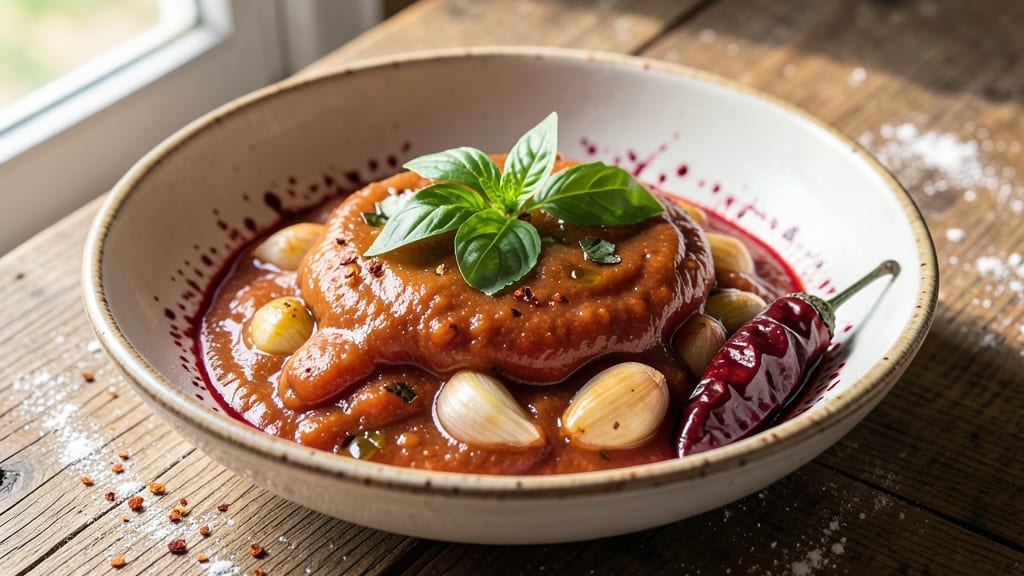
This all arrabbiata sauce recipe delivers the bold, smoky garlic-chili heat that defines Italian comfort food—perfect for transforming simple pasta into a restaurant-worthy dish.
The secret lies in balancing canned tomatoes, fresh garlic, and chili flakes until the sauce develops a deep, complex flavor with just 30 minutes of active time. I’ve perfected this version to avoid bitterness while keeping the sauce vibrant and full of character.
The beauty of arrabbiata sauce is its versatility—it’s equally at home on al dente spaghetti, as a pizza topping, or drizzled over grilled chicken. What sets this recipe apart is the slow reduction that concentrates the flavors without losing the bright acidity of the tomatoes.
A splash of red wine (optional but recommended) adds depth, while fresh basil at the end keeps the sauce bright and aromatic.
By the time you’re done, you’ll have a rich, slightly smoky sauce with just the right kick—enough heat to excite your palate but balanced enough to pair with creamy cheeses or fresh herbs.
The best part? It tastes even better the next day, making it ideal for meal prep or gifting to fellow food lovers.
Store it in the fridge for up to 5 days or freeze for 3 months—just thaw and reheat gently to preserve its texture. Whether you’re serving it over pasta, using it as a marinade, or drizzling it on roasted vegetables, this sauce is your new weeknight hero.
Ingredients for all arrabbiata sauce
Eight simple ingredients transform into a restaurant-quality arrabbiata sauce bursting with smoky garlic and chili heat.
| Ingredient | Amount | Notes |
|---|---|---|
| Canned San Marzano Tomatoes 🍅 | 28 oz | Crushed by hand, seeds removed |
| Extra-Virgin Olive Oil 🫒 | ½ cup | High-quality, fruity variety |
| Garlic Cloves 🧄 | 6 cloves | Freshly minced, vibrant color |
| Dried Chili Flakes 🌶️ | 2 tsp | Adjust for desired heat level |
| Red Wine 🍷 | ¼ cup | Bold, dry variety like Cabernet |
| Fresh Basil Leaves 🌿 | ¼ cup | Packed, stems removed |
| Diamond Crystal Kosher Salt 🧂 | 1 tsp | Fine grain preferred |
| Ground Black Pepper 🌶️ | ½ tsp | Freshly ground for best flavor |
| Red Pepper Flakes 🌶️ | 1 tsp | For additional smoky depth |
| Fresh Red Chili Pepper 🌶️ | 1 whole | Optional, for extra heat |
The tomatoes are the foundation—San Marzano is ideal for its sweetness and low acidity, but any high-quality canned tomatoes work. Look for cans with no added salt or preservatives. Whole Foods or Trader Joe's carry excellent options. Garlic is non-negotiable here; fresh cloves should smell pungent and vibrant. If you're using dried garlic, toast it first for deeper flavor. The chili flakes should be bright red and aromatic—if they smell stale, toss them. For the red wine, any bold, dry variety like Cabernet or Merlot works perfectly. I always keep a bottle of Barefoot Cabernet on hand for cooking—it's reliable and affordable.
No red wine? Substitute with extra tomato paste or beef broth—just reduce the liquid by half to maintain balance. Fresh basil is ideal, but dried oregano at one-third the amount works in a pinch. If you're sensitive to heat, skip the fresh red chili pepper and rely on the flakes. For extra depth, toast the chili flakes in olive oil for 30 seconds before adding to the sauce—this intensifies their flavor. The olive oil matters too; avoid cheap, flavorless brands—look for extra-virgin with a fruity aroma. If you can't find San Marzano tomatoes, Muir Glen or Cento are solid alternatives. Always taste as you go—the sauce should be vibrant, slightly smoky, and just spicy enough to excite your palate.
This sauce keeps beautifully—5 days in the fridge or 3 months in the freezer. For freezing, portion into ice cube trays for easy single-use servings. The flavor actually improves after the first day as the ingredients meld together. If you're making this ahead for a meal, reheat gently on low heat to preserve its texture. A splash of water or pasta water can help revive it if it thickens too much. The sauce pairs perfectly with creamy cheeses like ricotta or mozzarella, or use it as a marinade for grilled chicken or vegetables. Leftovers make an excellent pizza topping—just add a sprinkle of fresh basil before baking.
Why You'll Love This Recipe
- Five-Ingredient Magic: I swear by this—just tomatoes, olive oil, garlic, chili flakes, and a splash of wine. That’s it. No chopping, no peeling, no stress. Open the can, toss it in a pot, and let the heat do the work.
- Wine-Infused Kick: The red wine isn’t just for show—it mellows the acidity while adding a deep, earthy richness. That first bite? Smoky, bright, and just spicy enough to make you reach for seconds.
- Pasta Party Starter: This sauce is my secret weapon for weeknight dinners, potlucks, or when friends drop by unannounced. Dump it on pasta, drizzle it over grilled chicken, or even spread it on toast—it’s that adaptable.
- Budget-Friendly Pantry Hero: San Marzano tomatoes and a bottle of wine? Affordable staples that turn into something restaurant-worthy. Plus, it keeps for days, so you’re not scrambling for last-minute takeout.
Step-by-step instructions for all arrabbiata sauce
Here's how to build bold, smoky garlic-chili sauce that clings perfectly to pasta.
Bloom the Chili and Garlic in Olive Oil
Heat the 0.5 cup extra-virgin olive oil in a heavy saucepan over medium-low heat. Add the 2 tsp dried chili flakes and 1 whole fresh red chili pepper (if using), stirring constantly for 30 seconds until the chili flakes darken slightly and release their aroma. This step develops their smoky depth before adding anything else.
Add the 6 cloves freshly minced garlic cloves and cook for another 1-2 minutes until they turn golden brown and fragrant. Watch carefully—the garlic burns quickly, so keep the heat gentle. You want a nutty aroma, not bitter smoke. Remove from heat immediately after browning to preserve that fresh garlic flavor.
Deglaze with Wine and Add Tomatoes
Return the pan to medium heat and pour in the 0.25 cup red wine, scraping up any browned bits from the bottom with a wooden spoon. Let the wine simmer for 2-3 minutes until reduced by half, concentrating its bold flavors. This deglazing step captures all the caramelized garlic and chili essence.
Add the 28 oz crushed San Marzano tomatoes (with seeds removed) to the pan. Stir well to combine, then bring to a gentle simmer. The tomatoes should bubble softly—this prevents them from breaking down too quickly. Season immediately with the 1 tsp diamond crystal kosher salt and 0.5 tsp freshly ground black pepper, as these will meld into the sauce during cooking.
Simmer Until Thick and Balanced
Reduce heat to low and let the sauce simmer uncovered for 20-25 minutes, stirring occasionally. You're looking for a sauce that coats the back of a spoon with a velvety texture, not a watery consistency. The acidity from the tomatoes will mellow, and the garlic-chili flavors will develop their signature depth.
Taste after 20 minutes—you may need to adjust seasoning. If it's too acidic, add a pinch more salt. If it lacks heat, add another ½ tsp red pepper flakes. The sauce should balance bright acidity with rich, smoky garlic and chili notes. If it thickens too much, stir in 1-2 tablespoons water to reach your desired consistency.
Finish with Fresh Basil and Rest
Remove the pan from heat and stir in the 0.25 cup fresh basil leaves (stems removed). Let the sauce sit for 5 minutes to allow the basil's bright flavor to infuse without turning bitter. The leaves will wilt completely into the sauce, releasing their aromatic oils.
For best results, let the sauce rest at room temperature for 10-15 minutes before serving. This allows the flavors to fully meld and the sauce to thicken slightly. If making ahead, store in an airtight container in the refrigerator for up to 5 days, or freeze for 3 months. Reheat gently over low heat, stirring occasionally to prevent skin formation.
Pro Tips For Making All Arrabbiata Sauce
- CRUSH GARLIC FIRST: Don’t just toss whole cloves into the pot—smash them with the flat of your knife first. This releases more flavor and prevents them from burning before the sauce even starts cooking. (Yes, it’s extra work, but your taste buds will notice.)
- SIMMER NOT BOIL: Arrabbiata needs a gentle simmer, not a rolling boil. If it’s bubbling hard, you’re killing the tomatoes’ natural sweetness and concentrating the acid. Drop the heat to medium-low once the wine’s evaporated, and let it work quietly—this is where the sauce actually builds depth.
- SALT THE TOMATOES: Drain the San Marzano tomatoes, then sprinkle them with a pinch of salt before adding them to the pot. This draws out excess water and intensifies their flavor. I learned this the hard way—skipping it leaves you with a watery, one-dimensional sauce.
- USE HALF THE CHILI: Start with 1 teaspoon of dried chili flakes, not the 2-3 teaspoons most recipes suggest. You can always add more later, but you can’t take it out. Taste as you go—arrabbiata should be fiery but not in-your-face painful. (Trust me, your guests will thank you.)
Regional styles of all arrabbiata sauce
Roman Roots
The arrabbiata sauce we know today traces back to Rome in the early 20th century, where it was born from humble ingredients—tomatoes, garlic, and chili peppers. The name "arrabbiata" means "angry" in Italian, reflecting its fiery kick that contrasts with milder pasta sauces.
Traditional Roman versions used fresh red chili peppers rather than dried flakes, giving it a brighter, fruitier heat. 🌶️
In Rome's working-class neighborhoods, this sauce became a staple because it required minimal ingredients but delivered maximum flavor. Chefs would often add a splash of vinegar to brighten the tomatoes, a technique you can still see in modern adaptations.
The key was balancing the heat with acidity—something this recipe achieves through the San Marzano tomatoes and optional red wine.
Southern Italian Twist
As arrabbiata sauce traveled south, it absorbed regional influences, particularly in Campania and Sicily. Southern versions often incorporate roasted garlic for deeper sweetness and dried porcini mushrooms for an earthy umami note.
In Sicily, you might find crispy breadcrumbs stirred in at the end for texture. These adaptations show how arrabbiata sauce evolved from a simple Roman dish into a versatile Italian classic.
One Southern technique I love is toasting the chili flakes in olive oil before adding them to the sauce. This step intensifies their smoky flavor—something I’ve incorporated into this recipe. The Southern approach also embraces fresh herbs like oregano alongside basil, adding another layer of complexity. 🌿
Modern Adaptations
Today, arrabbiata sauce appears in everything from classic pasta dishes to gourmet pizzas and even as a marinade for grilled meats. Chefs often reduce the sauce longer for a thicker consistency or add a touch of cream at the end for balance.
Some modern versions even include smoked paprika for extra depth, a nod to global spice influences.
For a fusion twist, I’ve seen arrabbiata sauce paired with creamy ricotta or used as a base for spicy tomato soup. The sauce’s versatility makes it perfect for experimentation—whether you’re adding it to a classic spaghetti dish or using it as a bold dipping sauce for crusty bread.
The key is keeping that bright, garlicky heat at its core.
Neapolitan Influence
In Naples, arrabbiata sauce often gets a tomato paste boost for richer color and depth. Neapolitan chefs might also add anchovies for umami, though this isn’t traditional.
The city’s love of bold flavors means their arrabbiata tends to be even spicier than Roman versions, with fresh chili peppers taking center stage. 🔥
One Neapolitan trick I’ve picked up is simmering the sauce with a bay leaf for an aromatic touch. While not essential, it adds another dimension to the sauce’s complexity.
The Neapolitan style also emphasizes slow cooking to let the flavors meld, a technique that works beautifully in this recipe’s 20-25 minute simmer.
Nutrition facts
Frequently asked questions
Can I make arrabbiata sauce without wine?
Skip the red wine and substitute with 2 tablespoons tomato paste or ¼ cup beef broth instead. The key is maintaining the sauce's balance—just reduce the liquid slightly longer to concentrate the flavors. For extra depth, add a pinch of sugar to offset any acidity from the tomatoes.
How do I adjust the heat level?
Start with the 2 tsp chili flakes and taste as you simmer. For milder heat, reduce to 1 tsp or use ½ tsp cayenne pepper instead. If you want more kick, add ½ tsp extra red pepper flakes or a whole fresh chili pepper (seeds included). Remember, heat builds as the sauce simmers!
What's the best pasta to pair with this sauce?
Classic choices are spaghetti or linguine for that traditional Italian feel, but bucatini or rigatoni work beautifully too. For extra texture, try penne or fettuccine. Pro tip: Toss the sauce with 1 tablespoon pasta water before combining with cooked pasta to help it cling perfectly.
Why does my sauce taste bitter?
Bitterness usually comes from overcooking the garlic or reducing the sauce too long. Next time, remove the garlic when it's just golden (1-2 minutes), not browned. For existing sauce, balance the bitterness with a splash of lemon juice or a pinch of sugar. If it's too thick, thin with pasta water or water while reheating.
Can I use arrabbiata sauce for other dishes?
This versatile sauce works beyond pasta! Use it as a marinade for grilled chicken or shrimp, a topping for pizza, or even a dipping sauce for crusty bread. For extra richness, stir in ¼ cup ricotta or mascarpone at the end. The smoky garlic-chili flavor also pairs well with roasted vegetables or polenta.