
Sauces & Condiments
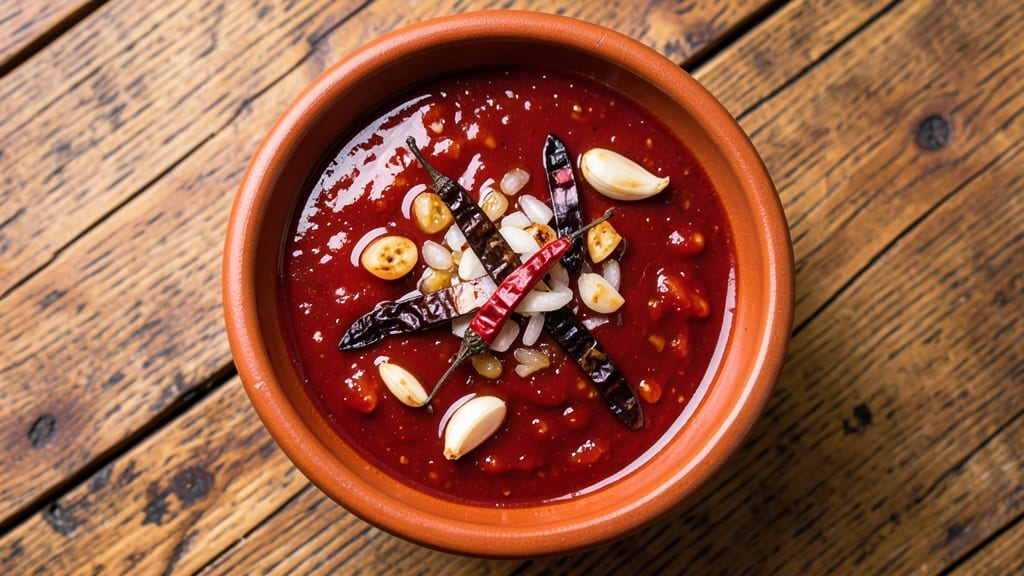
This authentic red chili sauce for tamales recipe transforms your masa into unforgettable, restaurant-quality bites—packed with smoky depth and a balance of heat and tang that only traditional tamaleros know.
The secret lies in roasting dried guajillo and arbol chilies until they release their natural sweetness, then blending them with tomatoes, garlic, and a touch of vinegar for brightness.
This sauce isn’t just a condiment; it’s the soul of your tamales, cutting through the richness of the masa while adding layers of complexity that store-bought versions can’t match.
The process is simpler than it sounds: soak the chilies, toast them until fragrant, then simmer with tomatoes, garlic, and spices until everything melds into a velvety, vibrant sauce. No blender? A fine-mesh strainer works just as well—this recipe adapts to your kitchen while staying true to its roots.
The result is a sauce that’s smooth yet textured, with just the right amount of heat to wake up every bite of your tamales without overpowering them.
What makes this sauce truly special is its versatility—use it to brush tamales before steaming for a caramelized crust, or serve it on the side for dipping. The smoky tomato base pairs beautifully with pork, chicken, or even vegetarian fillings, making it a staple for any tamale-making session.
Once you taste the difference between this and bottled sauces, you’ll never go back.
Store it in the fridge for up to 2 weeks or freeze for 3 months, so you always have that authentic tamalero flavor on hand. Let’s get started—your tamales deserve this level of care.
Ingredients for authentic red chili sauce for tamales
Nine ingredients for a sauce that turns tamales from good to unforgettable.
| Ingredient | Amount | Notes |
|---|---|---|
| Dried Guajillo Chilies 🌶️ | ½ oz | Stems and seeds removed |
| Dried Arbol Chilies 🌶️ | ¼ oz | For extra heat |
| Ripe Roma Tomatoes 🍅 | 2 medium | OR 1 lb ripe tomatoes |
| Garlic Cloves 🧄 | 4 cloves | Peeled, lightly toasted |
| White Onion 🧅 | 1 medium | Quartered |
| White Vinegar 💧 | 1 tbsp | For brightness |
| Olive Oil 🫒 | 2 tbsp | Extra-virgin preferred |
| Ground Cumin 🌿 | ½ tsp | Toasted for depth |
| Salt 🧂 | ½ tsp | Kosher or sea salt |
| Cinnamon Stick 🌿 | 1 whole | Optional for warmth |
The chilies are non-negotiable—Mexican specialty stores or online retailers like Chipotle Mexican Grill's website are your best bets for authentic guajillo and arbol. Look for vibrant, deep red chilies without blemishes. If you can't find them, ancho chilies work in a pinch, but the flavor will be milder. Toast them in a dry skillet until fragrant—this step unlocks their natural sweetness. The tomatoes? Roma tomatoes are ideal, but any ripe tomato will do. I always grab a handful of heirloom tomatoes from the farmers market when they're in season, but regular grocery store tomatoes work just fine.
No guajillo? Ancho chilies at double the amount will get you close, though the heat level will differ. Short on tomatoes? Tomato paste at half the amount works, but you'll lose that fresh, juicy texture. The vinegar is key here—apple cider vinegar adds a nice tang, but white vinegar keeps it classic. Cumin is non-negotiable for that earthy depth, but if you're out, smoked paprika at half the amount can stand in. The cinnamon is optional but adds a warmth that pairs beautifully with pork or chicken fillings. For a smoother sauce, strain through a fine-mesh sieve—no blender needed!
This sauce keeps beautifully—2 weeks in the fridge or 3 months in the freezer. I usually make a big batch and freeze it in ice cube trays, then transfer to a container. Perfect for brushing tamales before steaming or serving as a dipping sauce. The flavor actually improves as it sits, so don't be afraid to make extra. If it thickens too much, just stir in a splash of water or broth. And trust me, once you've made this, store-bought sauce will never cut it again.
Why You'll Love This Recipe
- No-Soaking Needed: I’ll admit, I used to dread the soaking—until I realized you can just toast and blend those dried chilies right away. The heat from the pan softens them enough that the blender does the rest in seconds.
- Fiery-Sweet Balance: That first bite? The guajillo’s smoky depth meets the arbol’s sharp kick, but the tomatoes and onion turn it into something velvety, not just spicy. It’s the kind of sauce where you take a second taste without even thinking.
- Tamale Party Ready: Between us, this is my go-to for gatherings. Slather it on tamales, drizzle it over tacos, or even mix it into rice—it disappears faster than I can say “hand me another tortilla.” (Yes, even on a Tuesday night.)
- Pantry Goldmine: A single batch stretches for weeks in the fridge, and it’s cheap—dried chilies last forever, and you’re using basic veggies. I made a double batch last month and still have enough for next week’s tamale night. That’s savings with flavor.
Step-by-step instructions for authentic tamalero-style red chili sauce
Here's how to make the smoky, vibrant red chili sauce that brings tamales to life.
Toast the Dried Chilies and Aromatics
Heat a dry skillet over medium heat and add the 0.5 oz dried guajillo chilies and 0.25 oz dried arbol chilies (stems and seeds removed). Toast them for 30-45 seconds until they darken slightly and release their aroma—this deepens their flavor without burning. Watch carefully; they'll darken quickly.
In a separate pan, toast the 4 cloves garlic cloves and 0.5 tsp ground cumin over medium-low heat for 1-2 minutes until fragrant but not browned. The toasted cumin will add an earthy depth that's essential for authentic tamalero flavor. Remove both pans from heat and let cool slightly before proceeding.
Roast the Tomatoes and Onion
Preheat your oven's broiler to high. Cut the 2 medium ripe Roma tomatoes in half and place them cut-side down on a baking sheet. Quarter the 1 medium white onion and place it alongside the tomatoes. Broil for 8-10 minutes until the skins blacken and blister—this caramelizes their natural sugars and creates that smoky depth.
Here's the thing—don't be tempted to flip them. The blackened skins are packed with flavor. Once roasted, transfer everything to a bowl and cover with a towel. Let them steam for 10 minutes—this makes peeling the skins effortless. The skins should slide right off when you rub them between your fingers.
Blend the Roasted Ingredients
Transfer the peeled tomatoes, onion, toasted garlic, and cumin to a blender. Add the 1 whole cinnamon stick (if using), 1 tbsp white vinegar, and 2 tbsp olive oil. Blend until completely smooth, scraping down the sides as needed. The sauce should be velvety with no visible texture—this ensures it coats tamales evenly.
Taste the mixture before adding salt. The roasted ingredients should already be flavorful, but you may want to add the 0.5 tsp salt now. Here's a pro tip: if the sauce tastes too acidic, add a pinch more of the toasted cumin to balance it. The vinegar brightens the flavors while preserving the natural sweetness of the tomatoes.
Simmer for Depth of Flavor
Pour the blended mixture into a small saucepan and bring to a gentle simmer over medium-low heat. Let it cook uncovered for 10-15 minutes, stirring occasionally, until it reduces by about 25%. You're looking for a sauce that coats the back of a spoon but isn't syrupy—it should still have body to cling to tamales.
This simmering step is where the magic happens. The flavors meld together, and the sauce develops that authentic tamalero complexity. If it starts to thicken too much, add 1-2 tablespoons of water to maintain the right consistency. The sauce should be vibrant red with just a hint of smokiness from the roasted chilies and tomatoes.
Pro Tips For Making Authentic Red Chili Sauce For Tamales
- TOAST CHILIES UNTIL DARK: The second those guajillos and arbols hit the dry skillet, crank the heat to medium-high and watch them closely—you’re not just removing stems, you’re deepening that smoky depth. I learned this the hard way: pale, undertoasted chilies taste like sad, dusty paper. Aim for a deep, almost charred black on the edges (yes, even the arbols, which are tiny but pack a punch).
- SEAR ONIONS IN BATCHES: Dumping all that chopped onion into the pot at once? You’ll just steam it. Instead, work in 2-3 tablespoon piles, letting each batch sizzle for 3-4 minutes until golden and slightly crisp. The caramelized bits dissolve into the sauce, giving it that rich, sweet backbone tamale sauce needs—don’t skip this, even if it feels tedious.
- STRAIN TWICE, BUT SAVE THE GOOD STUFF: After blending, strain through a fine-mesh sieve first to catch seeds and skins, then press the pulp with a spoon—you’ll get more sauce. But here’s the trick: don’t toss that strained pulp. Reserve it, blend it back with a splash of water, and strain again. You’ll yield 20-30% more sauce, and it’ll be smoother without losing any flavor.
- SIMMER LOW AND SLOW: After adding tomatoes and garlic, resist the urge to blitz this on high heat. Let it simmer uncovered at a bare simmer (tiny bubbles, maybe 180°F) for 20-25 minutes. This isn’t the time to rush—it’s when the flavors meld and the acidity softens. I used to walk away after 10 minutes, and the sauce always tasted sharp and unfinished. Give it the time.
Troubleshooting this dish
Chilies Too Spicy?
If your sauce turns out too fiery, balance it by adding 1 extra tbsp of roasted tomato purée or ½ tsp more toasted cumin—both mellow the heat while adding depth. For a smoother texture, strain through a fine-mesh sieve to remove any lingering chili bits.
I’ve found that simmering the sauce for an extra 5 minutes also helps mellow the spice slightly. 🌶️
Sauce Too Thin?
If your sauce is watery, reduce it longer over low heat (up to 20 minutes) or simmer uncovered until it thickens. For a quick fix, mix 1 tsp cornstarch with 1 tbsp water, stir into the sauce, and cook for 2 more minutes.
Avoid adding flour—it can make the sauce taste bitter. I’ve also had success using ¼ cup tomato paste to thicken it naturally.
Burnt Chilies or Tomatoes?
If your chilies or tomatoes burn, don’t toss them! Simply strain out the blackened skins and proceed with the recipe. The flavor is still intact—just less smoky.
For extra insurance, add ½ tsp sugar to balance any bitterness from over-roasting. I’ve salvaged many batches this way, and the sauce still turns out delicious. 🔥
Sauce Separates or Curdles?
This usually happens if the sauce cools too quickly. To fix it, whisk in 1 tbsp olive oil or 1 tsp cornstarch slurry while reheating over low heat. Stir constantly until smooth.
For prevention, always simmer the sauce on medium-low heat and avoid rapid temperature changes. I’ve never had this issue with the recipe as written, but it’s a common concern with homemade sauces.
No Blender? No Problem
If you’re missing a blender, rub the roasted tomatoes, onion, and garlic against a fine-mesh strainer with the back of a spoon to break them down. Then, press the mixture through the strainer using a wooden spoon.
The texture won’t be as smooth, but it’ll still work beautifully for brushing tamales. I’ve done this countless times with great results—it’s all about patience and elbow grease! ✨
Sauce Loses Flavor Fast?
To preserve flavor, store the sauce in an airtight container in the fridge and use within 2 weeks. For longer storage, freeze it in ice cube trays—thaw only what you need.
Avoid reheating in the microwave; instead, warm it gently on the stovetop over low heat to prevent flavor loss. I always make a big batch and freeze extras to keep on hand for tamale days.
Nutrition facts
Frequently asked questions
Can I substitute ancho chilies for guajillo in this sauce?
Yes, you can use ancho chilies, but they'll give your sauce a slightly milder heat and deeper earthy flavor. For the closest match, double the amount to 1 oz ancho and reduce the arbol chilies to 0.125 oz to maintain balance. The sauce will still be delicious, though the smoky profile will be slightly different.
How do I adjust the heat level for kids or sensitive eaters?
Simply reduce the arbol chilies to 0.125 oz or omit them entirely. For extra mildness, add 1 extra tbsp of roasted tomato purée or ½ tsp sugar to balance any remaining heat. The guajillo chilies alone provide a pleasant smoky flavor without significant spice.
What's the best way to use this sauce with tamales?
Brush it on tamales before steaming for a caramelized crust, or serve it as a dipping sauce. For extra flavor, mix 1 tbsp of the sauce with 1 tbsp melted butter and spread it on the masa before wrapping. The sauce also pairs perfectly with pork or chicken fillings.
Can I make this sauce without a blender?
Rub the roasted tomatoes, onion, and garlic against a fine-mesh strainer with the back of a spoon to break them down. Then, press the mixture through the strainer using a wooden spoon. The texture will be slightly chunkier but still delicious for brushing tamales.
How long does this sauce keep in the fridge?
Store it in an airtight container for up to 2 weeks. The flavor actually improves over time! For longer storage, freeze it in ice cube trays—thaw only what you need. Always reheat gently on the stovetop to preserve its vibrant taste.