
Sauces & Condiments
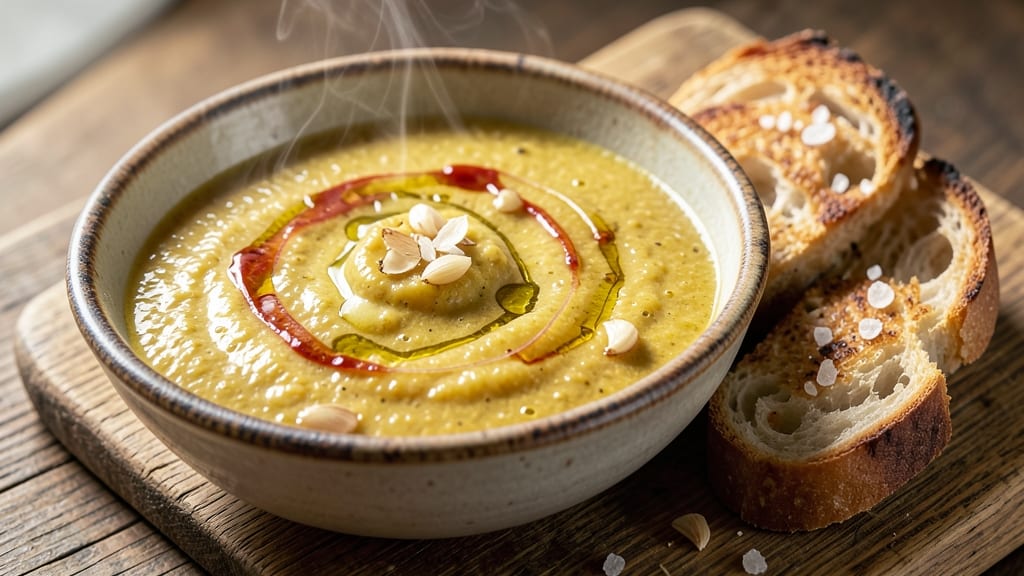
This alio sauce recipe transforms simple ingredients into Spain's most beloved garlicky dip, where rich olive oil meets velvety egg yolks in perfect harmony. This traditional sauce delivers a luxurious, creamy texture with bold garlic flavor that elevates everything from grilled meats to crispy bread. The secret lies in gradual emulsification—adding oil slowly while whisking vigorously to create that signature silky consistency.
The classic version requires just five ingredients: garlic, olive oil, egg yolks, lemon juice, and salt, all combined through precise technique. What makes this sauce truly special is its versatility—dip crispy bread, drizzle over paella, or use as a spread for sandwiches.
The key to success? Patience during emulsification and using room-temperature ingredients for the smoothest texture.
Once mastered, this sauce keeps beautifully in the refrigerator for up to a week, making it perfect for meal prep. For extra depth, try roasted garlic or add a pinch of smoked paprika.
Whether you're serving it at a tapas gathering or simply spreading it on warm bread, alioli brings restaurant-quality flavor to any table.
The best part? This sauce requires no special equipment—just a whisk and a steady hand. The result is a creamy, garlicky masterpiece that pairs perfectly with grilled vegetables, seafood, or as a standalone dip. Ready to elevate your meals with this Spanish classic?
Ingredients for alio sauce
Five core ingredients create Spain's velvety garlic masterpiece—rich olive oil, velvety yolks, and bold garlic shine.
| Ingredient | Amount | Notes |
|---|---|---|
| Extra-Virgin Olive Oil 🫒 | 1 ½ cups | High-quality, fruity variety preferred |
| Garlic Cloves 🧄 | 6 whole | Fresh, peeled, minced finely |
| Large Egg Yolks 🥚 | 4 whole | Room temperature for smooth texture |
| Fresh Lemon Juice 🍋 | 2 tbsp | From organic lemon, freshly squeezed |
| Diamond Crystal Kosher Salt 🧂 | ½ tsp | Fine grain for proper emulsification |
| Crusty Bread 🍞 | 4 slices | Baguette or rustic loaf, toasted |
| Smoked Paprika 🌶️ | ¼ tsp | Optional for extra depth of flavor |
The olive oil is non-negotiable—skip the cheap stuff. California avocado oil works too, but traditionalists swear by Spanish varieties like Picual or Arbequina. For garlic, Spanish roasted adds depth, but fresh minced works perfectly. Egg yolks must be room temperature—cold yolks break emulsification. I always grab organic lemons from the farmers market—they're brighter and sweeter, which balances the garlic's punch. The kosher salt is crucial; Diamond Crystal dissolves better than table salt.
No fresh garlic? Roasted garlic cloves work beautifully—just mash them. Short on egg yolks? Avocado puree at half the amount creates a vegan version (though texture differs). Lemon juice substitute? White wine vinegar at the same quantity. For the bread, stale baguette slices toasted until crispy are ideal—any crusty loaf works. The smoked paprika is optional but adds that smoky tapas bar vibe. Pro tip: Whole Foods or Trader Joe's carry all these ingredients in one shopping trip.
Store the sauce in a glass jar with olive oil seal—keeps for 1 week in the fridge. The bread? Toast it fresh before serving—it gets soggy fast. For extra flavor, roast the garlic first—wrap whole cloves in foil, bake at 400°F for 25 minutes. Freezes beautifully for 3 months if you want to make ahead. Always whisk vigorously when adding oil—slowly, drop by drop at first to emulsify properly. The result? Restaurant-quality alioli every time.
Why You'll Love This Recipe
- Five-Ingredient Magic: I swear by this recipe because it’s the kind of sauce that proves you don’t need a pantry full of fancy stuff. Just olive oil, garlic, yolks, lemon, and salt—no weird substitutes, no last-minute store runs. Honestly, I’ve made it with whatever garlic I had on hand (even the slightly sprouted kind), and it still comes out ridiculously good.
- Garlic-Kissed Luxury: That moment when you whisk in the raw garlic and yolks? It’s like a flavor bomb waiting to happen. The heat from the oil melts the garlic into something sweet and nutty, while the lemon cuts through it with this bright, tangy punch—like a hug for your taste buds. (Yes, even on a Tuesday night.)
- Dips and Drizzles: Between us, this sauce is my secret weapon for turning boring meals into feasts. Drizzle it over roasted veggies, toss it with pasta, or serve it in a bowl for fries—it’s the kind of versatile sauce that makes you feel like a chef without the fuss. My daughter picks out the lemon zest to sprinkle on top, but still asks for seconds.
- Budget Brightener: A little goes a long way, and the ingredients? Cheap enough that I can make a double batch without flinching. The yolks add richness, but the olive oil and lemon stretch the flavor so well that leftovers last for days in the fridge. (Pro tip: Reheat gently—no microwaving, or you’ll scramble the yolks.)
Step-by-step instructions for alio sauce
This vibrant Spanish sauce comes together in minutes with bold garlic flavor and silky texture.
Toast the Garlic in Olive Oil
Place a small saucepan over low heat and add the 1.5 cups extra-virgin olive oil. Let it warm gently until it reaches about 160°F—just warm enough to release garlic's sweet aroma without burning. Add the 6 whole garlic cloves (peeled and minced) and the 0.25 tsp smoked paprika if using.
Cook the garlic for 3-5 minutes, stirring constantly, until it turns a pale golden color and emits an intoxicating fragrance. This is the moment that matters: the garlic should be fragrant but not browned. If it starts to darken too quickly, reduce the heat immediately—burnt garlic will make the sauce bitter. Remove from heat and let the mixture cool slightly for 2 minutes.
Whisk in Egg Yolks and Lemon
In a separate bowl, whisk together the 4 whole large egg yolks and 2 tablespoons fresh lemon juice until smooth and pale yellow. The yolks should be at room temperature for best results—this prevents the sauce from breaking. Gradually pour the warm garlic oil into the egg mixture while whisking continuously.
This is where the magic happens: the gentle heat from the oil slowly cooks the eggs into a creamy emulsion. Keep whisking for 1-2 minutes until the mixture thickens slightly and becomes glossy. The sauce should coat the back of a spoon but still flow easily—it will continue to thicken as it cools.
Season and Emulsify
Return the mixture to the saucepan over very low heat. Add the 0.5 teaspoon diamond crystal kosher salt and stir gently with a wooden spoon. Keep the heat at its lowest setting—just enough to maintain warmth without cooking the eggs further. Stir constantly for 2-3 minutes until the sauce reaches 140°F and becomes completely smooth.
Here's the thing—if the sauce starts to separate, don't panic. Simply whisk vigorously for 30 seconds to re-emulsify. The key is to work quickly but carefully, maintaining that delicate balance between heat and movement. Remove from heat immediately once it reaches the proper temperature—overcooking will make it grainy.
Serve with Crusty Bread
Toast the 4 slices crusty bread until golden and crisp. The bread should be warm and slightly charred in spots—this contrast with the silky sauce is what makes alio sauce so irresistible. Divide the warm sauce among serving bowls and place a slice of toast in each. The bread acts as both a vehicle and a textural counterpoint to the smooth sauce.
Serve immediately while the sauce is still warm. Each bite should deliver that perfect harmony of garlicky richness, bright lemon acidity, and the satisfying crunch of crusty bread. For extra drama, garnish with a sprinkle of flaky sea salt or a drizzle of high-quality olive oil right before serving.
Pro Tips For Making Alio Sauce
- Infuse the Oil First: Heat the olive oil low and slow—just until the garlic turns golden, not brown. I used to rush this and ended up with bitter, overcooked garlic that ruined the whole sauce. Let it simmer for 3-4 minutes, stirring occasionally, so the flavor melds properly.
- Separate Those Yolks: Use a clean, dry bowl and crack yolks one at a time—no shells, no whites. I learned this after a batch curdled because a stray bit of egg white hit the hot oil. A fine-mesh strainer or your fingers (if you’re confident) works best.
- Salt the Oil, Not the Yolks: Dissolve the kosher salt directly in the warm oil before adding the yolks—this keeps them from breaking. I wasted three yolks before realizing salting the sauce after emulsifying is too late. A pinch (about ½ teaspoon) is enough.
- Lemon Juice Last: Add the lemon juice after the sauce is thickened, not during. I was skeptical—it’s just acid, right?—but holding off until the end brightens the flavor without cutting the richness too soon. A splash (1-2 tablespoons) finishes it perfectly.
Regional styles of this recipe
Catalan Roots
The original alioli sauce comes from Catalonia, Spain, where it's been a staple since the Middle Ages. This version was traditionally made by peasants using simple ingredients—garlic, olive oil, and eggs—because it kept well and packed a flavor punch.
The Catalan alioli is often served with pa amb tomàquet (toasted bread with tomato) or as a dip for grilled meats. I first tried it in Barcelona at a tiny family-run restaurant where they made it tableside—still warm and fragrant. 🌍
Basque Country Twist
The Basque region takes alioli in a spicier direction, often adding espelette pepper or smoked paprika for depth. Their version sometimes includes a touch of white wine vinegar instead of lemon to balance the garlic's intensity.
The Basques also use it as a condiment for seafood, especially with grilled hake or mussels. I love their approach because it adds complexity without overpowering the sauce's creamy base.
Andalusian Adaptation
In Andalusia, alioli gets a sun-kissed touch with the addition of roasted red peppers or sherry vinegar. The Andalusian version is slightly sweeter, reflecting the region's love of jamón ibérico and olives.
They often serve it with pan con aceite (oily bread) or as a spread for tortilla española. The key difference? A pinch of saffron sometimes appears in festive versions, giving it a golden hue and floral note.
Modern Fusion Takes
Today's chefs are putting global spins on alioli. In California, you'll find versions with avocado puree (for a vegan option) or chili oil for heat. Japanese-inspired alioli sometimes includes yuzu zest and sesame oil, while Mediterranean twists might add preserved lemon or za'atar.
I experimented with a Mexican-style alioli using lime juice and tajín—it was a hit at my last taco night! 🌶️
Tapas Bar Classic
At Spanish tapas bars, alioli is often served in small clay pots alongside patatas bravas or gambas al ajillo (garlic shrimp). The sauce here is lighter, almost like a mayonnaise, and meant to be dipped rather than spread.
The secret? Using more olive oil (up to 2 cups) and less garlic to keep it delicate. I once saw a chef make it in 30 seconds using a hand mixer—perfect for busy service.
Italian Cousin: Salsa Verde
While not identical, Italian salsa verde shares alioli's garlicky, creamy roots. It swaps eggs for anchovies and parsley, adding a briny, herby twist. Both sauces use lemon for brightness and olive oil as the base.
The Italian version often includes capers or olives, while alioli sticks to its pure garlic focus. I love making both—each brings something unique to the table. 🍋
Nutrition facts
Frequently asked questions
Can I make alio sauce without eggs for a vegan version?
Replace the 4 egg yolks with ¼ cup aquafaba (chickpea brine) or ½ cup avocado puree. For aquafaba, whisk it vigorously with 1 tbsp lemon juice while slowly drizzling in 1 cup warm olive oil—it'll emulsify just like the traditional version. The texture will be slightly lighter but still creamy. For avocado, blend it with 1 tbsp lemon juice until smooth before combining with oil.
Why did my alio sauce separate? How can I fix it?
Separation happens when oil and eggs aren't properly emulsified, usually from adding oil too quickly or using cold ingredients. To fix it, whisk vigorously for 1-2 minutes over low heat—the gentle warmth helps re-emulsify. For prevention:
- Use room-temperature yolks,
- Add oil drop by drop at first, and
- Keep whisking continuously. If it still breaks, start fresh with 1 extra yolk for stability.
How can I make this sauce spicier or smokier?
For extra heat, add ½ tsp cayenne pepper or 1 tsp chili flakes when toasting the garlic. For smokiness, increase the smoked paprika to ½ tsp or add ¼ tsp liquid smoke at the end. Pro tip: Toast the paprika in the warm oil with the garlic for deeper flavor. Balance with a touch more lemon if needed—it brightens the intensity. Try this with grilled meats for a tapas-bar vibe!
What's the best way to store homemade alio sauce?
Transfer to a clean, airtight glass jar and press a piece of parchment paper directly on the sauce's surface to prevent oxidation. Store in the fridge for up to 1 week—the flavor actually improves after 24 hours! For longer storage, freeze for 3 months. When reheating, warm gently in a saucepan over low heat while stirring constantly to restore creaminess. Never microwave—it breaks the emulsion.
Can I use this sauce as a marinade or cooking sauce?
While alioli isn't traditionally used as a marinade, you can thin it with 2 tbsp warm water or broth and use it as a light cooking sauce for grilled vegetables or seafood. For marinades, use only the garlic-infused olive oil (without eggs) to prevent curdling. The sauce works beautifully as a drizzle for paella at the end of cooking or as a finishing sauce for roasted chicken. Just remember—it's delicate, so add it late in the cooking process.