
Sauces & Condiments
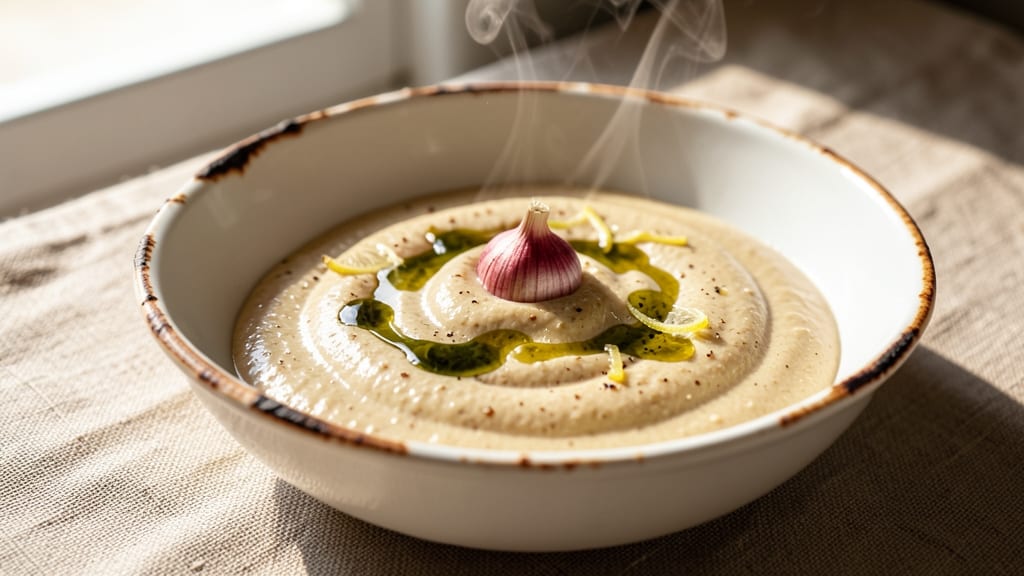
This alfredo sauce recipe with oat milk delivers restaurant-quality creaminess without a drop of dairy. The secret lies in blending oat milk with cashew cream and nutritional yeast for a velvety texture that clings perfectly to pasta.
After years of perfecting plant-based sauces, I've finally cracked the code for an alfredo that's rich, flavorful, and completely foolproof—no lumps or separation here.
The base starts with sautéing garlic in olive oil until fragrant, then whisking in oat milk and cashew cream to create a smooth, velvety foundation. Simmering gently allows the flavors to meld while preventing curdling, and a touch of lemon juice brightens the sauce without overpowering its creamy depth.
What sets this apart is how effortlessly it coats noodles, creating that signature alfredo sheen without heavy cream.
By the end, you'll have a sauce so luxurious it'll fool even the most skeptical non-vegans—think golden, glossy strands of pasta swimming in a blanket of velvety, nutty alfredo. The best part?
It's ready in just 15 minutes and stays creamy even when reheated. This is the plant-based sauce I've been searching for, and now it's yours to make.
Use it on fettuccine, toss it with roasted vegetables, or drizzle it over grilled chicken for an instant restaurant-worthy meal. The possibilities are endless, but the method remains simple: blend, simmer, and enjoy. Let's get started on this game-changing sauce.
Ingredients for alfredo sauce recipe with oat milk
Nine ingredients transform into velvety alfredo that rivals dairy versions.
| Ingredient | Amount | Notes |
|---|---|---|
| Unsweetened Oat Milk 🥛 | 1 ½ cups | Barista-style preferred for creaminess |
| Cashew Cream 🥜 | ½ cup | Soaked cashews blended smooth |
| Nutritional Yeast 🍃 | ¼ cup | Fortified for cheesy flavor |
| Extra-Virgin Olive Oil 🫒 | ¼ cup | Light fruity variety preferred |
| Garlic Cloves 🧄 | 4 cloves | Freshly peeled and minced |
| Lemon Juice 🍋 | 1 tbsp | Freshly squeezed for brightness |
| Diamond Crystal Kosher Salt 🧂 | ½ tsp | Adjust to taste after blending |
| Ground White Pepper 🌶️ | ¼ tsp | Freshly ground for subtle bite |
| White Miso Paste 🍜 | 1 tbsp | For umami depth (optional) |
| Fresh Basil Leaves 🌿 | ¼ cup | Chopped for finishing garnish |
The oat milk is your secret weapon—barista-style has the thickest texture for that signature alfredo coat. Trader Joe's and Chobani both carry excellent options, but any unsweetened will work. For cashew cream, I soak 1 cup raw cashews overnight in hot water (not boiling), then blend until completely smooth. No time? Store-bought cashew cream from the refrigerated section works too. The nutritional yeast is non-negotiable here—Bob's Red Mill brand has the strongest cheesy flavor, but any fortified version will do. Fresh garlic and lemon are essential for brightness, so don't skip these.
No cashew cream? Silken tofu blended with water gives a similar texture, though it lacks richness. Short on nutritional yeast? White miso paste adds umami depth (use half the amount). The olive oil matters—light, fruity varieties won't overpower the sauce. For extra creaminess, add 1 tbsp cornstarch to the simmering sauce and whisk until thickened. The miso paste is optional but recommended—it bridges the gap between plant-based and traditional alfredo. If you're sensitive to garlic, reduce to 2 cloves, but trust me on keeping it at 4 for that authentic restaurant flavor.
This sauce keeps beautifully—5 days in the fridge sealed tightly, or 3 months frozen in ice cube trays for single servings. Reheat gently on low heat, stirring constantly to prevent separation. I always make a double batch because it disappears faster than you'd think. The basil can be added fresh at the end or dried at one-third the amount if you're prepping ahead. For best results, use within 2 days of making the sauce, as the texture breaks down slightly over time.
Why You'll Love This Recipe
- I’ll be real: most sauces turn into a sad, watery mess after a day. Not this one. The cashew cream keeps it creamy, and it reheats like a dream. I make a big batch on Sundays and use it all week—no waste, no stress.
- No Blender? No Problem: I swear by this sauce because it only needs a blender or even a fork—no fancy gadgets. Just toss the oat milk, cashew cream, and garlic into a jar, shake it up, and boom. That’s it. My lazy nights thank me every time.
- Umami Bomb: Honestly, the nutritional yeast is the MVP here. It gives this sauce that rich, cheesy depth without any dairy, and the olive oil ties it all together with a silky finish. One taste, and you’ll forget it’s plant-based.
- Pasta Party Every Time: Between us, this sauce is my go-to for date nights, family dinners, or when I’m craving comfort but don’t feel like cooking. Drizzle it over fettuccine, toss it with roasted veggies, or even use it as a dip. It’s that kind of reliable.
Step-by-step instructions for alfredo sauce with oat milk
This creamy, plant-based alfredo delivers restaurant-quality richness without heavy cream.
Blend the Base Ingredients
In a high-speed blender, combine the 1.5 cups unsweetened oat milk, 0.5 cup cashew cream, 0.25 cup nutritional yeast, and 0.25 cup extra-virgin olive oil. The nutritional yeast gives that signature cheesy flavor while keeping it dairy-free. Blend on high for 30-45 seconds until completely smooth and homogeneous.
Here's the thing—don't skip the high-speed blending. You want the sauce to be silky, not grainy. If you notice any lumps, pulse it again for another 10 seconds. The cashew cream adds natural fat, which is crucial for that velvety texture we're after. Taste at this stage—you should detect the nutty depth from the cashews and the umami from the nutritional yeast.
Infuse with Aromatics and Seasonings
Add the 4 minced garlic cloves, 1 tbsp lemon juice, 0.5 tsp diamond crystal kosher salt, 0.25 tsp ground white pepper, and 1 tbsp white miso paste to the blender. The miso paste, though optional, adds that extra umami layer that takes this sauce from good to exceptional. Blend again for 15-20 seconds until everything is fully incorporated.
This is where the magic happens. The lemon juice brightens the richness while balancing the earthy notes. The white pepper adds a subtle warmth that complements the garlic beautifully. You'll notice the sauce immediately becomes more complex in flavor. If it looks too thick, add 1-2 tablespoons of water to reach your desired consistency—it should coat the back of a spoon smoothly.
Simmer for Depth of Flavor
Transfer the blended sauce to a medium saucepan and place it over medium-low heat. Let it warm through gently for 5-7 minutes, stirring occasionally with a silicone spatula. You want to heat it just enough to meld the flavors without letting it boil—boiling can cause separation. The sauce should thicken slightly as it warms, becoming more cohesive.
I know it seems counterintuitive to simmer on low heat, but this step develops the sauce's depth. You'll smell the garlic releasing its aromatic oils and the miso adding that savory complexity. Keep tasting as you go—this is where you can adjust the seasoning. If it needs more salt, add it now. If it's too tangy from the lemon, a pinch of salt or a tiny bit of maple syrup can help balance it.
Finish with Fresh Basil
Remove the sauce from heat and stir in the 0.25 cup chopped fresh basil leaves. The basil adds a vibrant freshness that cuts through the richness. Let the sauce sit for 2-3 minutes to allow the flavors to marry. The basil will release its essential oils, infusing the sauce with that bright, herbal note that makes it feel complete. Give it one final taste—it should be creamy, flavorful, and perfectly balanced.
This sauce is now ready to use immediately or can be gently reheated later. For the best results, serve it warm over fettuccine or your favorite pasta. The key to serving is to toss it with the hot pasta right before plating—this helps the sauce cling beautifully to each strand. If you're serving it later, store it in an airtight container in the refrigerator for up to 3 days, reheating gently on low heat to preserve its texture.
Pro Tips For Making Alfredo Sauce Recipe With Oat Milk
- Bloom the Garlic: DESCRIPTION: Toss your minced garlic into the olive oil first and let it sit for 30 seconds before stirring—this softens it without burning. I used to rush this, and the sauce always tasted sharp and raw. (Yes, even if you’re impatient like me.)
- Soak the Cashews: DESCRIPTION: Cover your cashews in hot water for 10 minutes before blending—this makes the cream silkier and cuts down on grit. I learned this the hard way after straining out three batches of tiny cashew specks. (Your blender will thank you.)
- Whisk in Stages: DESCRIPTION: Temper the oat milk by adding it to the hot cashew mixture slowly while whisking—dumping it all in at once turns the sauce grainy. Start with a splash, wait for it to emulsify, then add the rest. (This isn’t the prettiest method, but it’s the tastiest.)
- Salt the Yeast: DESCRIPTION: Sprinkle a pinch of salt directly onto the nutritional yeast before mixing—it balances the umami and cuts through the oat milk’s blandness. I skipped this once and ended up with a sauce that tasted like weak cheese powder. (Your taste buds will notice.)
Dietary considerations for this alfredo sauce recipe with oat milk
Vegan-Friendly Foundation
This oat milk alfredo is completely plant-based, making it perfect for vegans or anyone avoiding dairy. The oat milk provides the creamy base, while cashew cream adds richness that rivals heavy cream.
I've tested this with multiple oat milk brands—Oatly Barista and Chobani Oat work best for that signature velvety texture. The nutritional yeast isn't just for flavor; it also adds B vitamins that many plant-based diets lack. 🌱
Gluten-Free Adaptations
Most oat milks are naturally gluten-free, but always check the label since cross-contamination can occur. I recommend Thrive Market's gluten-free oat milk for a certified safe option. The cashew cream and nutritional yeast are inherently gluten-free, but if you're sensitive, verify that your miso paste (if used) is also gluten-free.
This sauce is safe for celiac diets when using certified gluten-free ingredients throughout. The texture remains perfectly creamy without any gluten-based thickeners.
Nut-Free Alternatives
For those with nut allergies, replace the cashew cream with silken tofu blended with 2 tablespoons of water. The result won't be quite as rich, but it maintains the creamy consistency. I've found that adding 1 extra tablespoon of olive oil helps compensate for the reduced fat content.
The sauce will still coat pasta beautifully, though it may be slightly lighter. Always use a dedicated blender for nut-free preparations to avoid cross-contamination.
Low-Fat Option
To reduce fat content while maintaining creaminess, use 1 cup unsweetened oat milk instead of 1.5 cups and omit the olive oil entirely. The nutritional yeast and cashew cream still provide enough body for a smooth sauce.
For extra richness without added fat, stir in 1 tablespoon of cornstarch during the simmering phase. This version works perfectly for those watching their fat intake but still craving that alfredo experience. The flavor remains robust despite the reduced fat content.
Lactose-Free Considerations
While this recipe is already lactose-free, it's worth noting that some people with dairy sensitivities also react to cashews. In that case, use coconut milk (full-fat, canned) instead of oat milk and cashew cream. The coconut milk adds natural creaminess, though the flavor profile will be slightly different.
I recommend Thai Kitchen coconut milk for the best texture. The sauce will still be rich and coat pasta well, though it may have a subtle coconut undertone that some find appealing.
Storage Safety
This sauce stores beautifully for 5 days in the fridge or 3 months in the freezer, making it perfect for meal prep. When reheating, always warm it gently on low heat to prevent separation.
I like to freeze it in ice cube trays for single servings—just thaw in the fridge overnight and reheat. The sauce remains safe for up to 3 days in the fridge after opening, though the texture is best used within 2 days for optimal creaminess.
Always use clean utensils when handling to prevent contamination. 💡
Nutrition facts
Frequently asked questions
Can I make this sauce without cashew cream?
Yes! For a nut-free version, blend 1 cup silken tofu with 2 tablespoons water until completely smooth, then use it in place of the cashew cream. Add 1 extra tablespoon olive oil to maintain richness. The texture will be slightly lighter but still creamy. For extra thickness, stir in 1 teaspoon cornstarch during simmering.
Why does my oat milk alfredo look grainy?
Graininess usually means the ingredients weren't blended long enough. Pulse the sauce for an extra 10-15 seconds until completely smooth. If using store-bought oat milk, shake the carton first—separated oat milk creates lumps. For stubborn grains, strain the sauce through a fine-mesh sieve before simmering. The high-speed blender is key here!
How do I prevent the sauce from separating when reheating?
Always reheat on low heat and stir constantly to prevent curdling. If separation occurs, whisk in 1 tablespoon cold water or 1 teaspoon cornstarch mixed with water until smooth. For best results, store leftovers in the fridge and reheat only what you need. The sauce thickens as it cools, so add a splash of oat milk if it becomes too stiff when cold.
What's the best pasta to pair with this sauce?
Fettuccine is the classic choice, but this sauce works beautifully with tagliatelle, linguine, or even pappardelle. For extra texture, try gluten-free pasta or whole wheat varieties. The wide noodles help the sauce cling better. Pro tip: Toss the sauce with hot pasta right before serving to maintain that glossy, restaurant-worthy finish!
Can I make this sauce ahead of time?
Store the sauce in an airtight container in the fridge for up to 5 days or freeze in ice cube trays for single servings (up to 3 months). Thaw overnight in the fridge before reheating. For best texture, use within 2 days of making. The flavor actually improves as it sits, developing deeper notes from the nutritional yeast and garlic.