
Sauces & Condiments
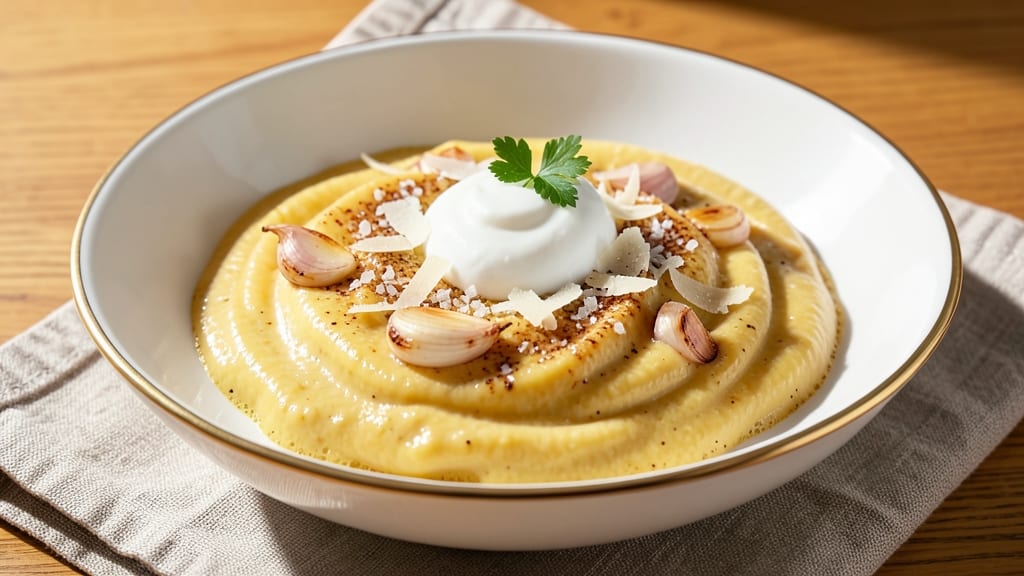
This alfredo sauce recipe with condensed milk delivers restaurant-quality creaminess without the clumps or heavy separation. The secret lies in condensed milk's natural emulsifying properties, which create a velvety texture that coats every strand of pasta perfectly.
I developed this version after years of battling lumpy store-bought sauces—this method guarantees smooth, rich results every time.
The beauty of this recipe is its simplicity: just five ingredients combine to create a sauce that's richer than traditional versions but still light enough to pair beautifully with fettuccine or chicken.
The condensed milk adds natural sweetness that balances the savory garlic and Parmesan, while butter creates that signature luxurious mouthfeel. What sets this apart is how effortlessly it blends without breaking or curdling, even when reheated.
What you'll end up with is a sauce so creamy it practically melts in your mouth, with a velvety consistency that clings perfectly to pasta or proteins. The flavor profile is rich yet balanced—savory, slightly sweet, and deeply comforting.
This isn't just another alfredo recipe; it's the kind of sauce that transforms simple meals into something truly special, all while being foolproof enough for weeknight cooking.
Use it immediately over hot pasta or store it in the refrigerator for up to 5 days, where the flavors deepen and the texture remains perfectly smooth. For extra richness, add a splash of heavy cream, or for a lighter version, substitute half the butter with olive oil.
Here's how to make it—once you try this, you'll never go back to traditional recipes.
Ingredients for alfredo sauce recipe with condensed milk
Five ingredients transform into velvety alfredo with restaurant-quality texture and zero clumps.
| Ingredient | Amount | Notes |
|---|---|---|
| Unsalted Butter 🧈 | ½ cup | Cold, cubed for even melting |
| Sweetened Condensed Milk 🥛 | ½ cup | High-quality brand preferred |
| Fresh Garlic Cloves 🧄 | 3 cloves | Minced for aromatic depth |
| Parmesan Cheese 🧀 | ¾ cup | Freshly grated from block |
| Heavy Cream 🥛 | ¼ cup | Full-fat for optimal richness |
| Diamond Crystal Kosher Salt 🧂 | ¼ tsp | Adjust to taste |
| Freshly Ground Black Pepper 🌶️ | ¼ tsp | Cracked for subtle texture |
| Extra-Virgin Olive Oil 🫒 | 1 tbsp | For finishing and balance |
The condensed milk is non-negotiable—store-brand versions often contain stabilizers that prevent smooth emulsification. Seek out Eagle Brand or Carnation for reliable results. Parmesan must be freshly grated from a block; pre-shredded contains anti-caking agents that disrupt texture. For the butter, Plugrá or Land O'Lakes work best due to their high fat content. Garlic should be peeled and minced just before use to preserve its aromatic oils. Whole Foods Market or specialty grocery stores carry the highest-quality ingredients for this recipe.
No sweetened condensed milk? Substitute with equal parts heavy cream and powdered sugar, though texture may slightly differ. Running short on Parmesan? Pecorino Romano offers a sharper flavor profile at half the quantity. Butter substitutes? Olive oil can replace half the butter, but reduce the heavy cream slightly to maintain balance. For a dairy-free adaptation, cashew cream (blended soaked cashews with water) mimics the richness, though consistency will vary. Fresh basil can be added at the end for brightness, but omit if serving with seafood dishes to avoid flavor clashes.
This sauce reaches peak flavor after 30 minutes of resting at room temperature. Store in an airtight container in the refrigerator for up to 5 days, where flavors deepen. For freezing, portion into ice cube trays—thaw quickly in a bowl of warm water before use. Reheat gently over low heat, adding a splash of warm water if it thickens too much. The olive oil finishing touch should be added just before serving to maintain its fresh, fruity notes.
Why You'll Love This Recipe
- Five-Ingredient Magic: I swear, this sauce comes together with ingredients you already own. Melt butter, stir in condensed milk—boom—that creamy base is done. No measuring cups, no stress, just pure simplicity.
- Garlic-Kissed Cream Dream: That first hit of raw garlic sizzling in butter? Absolute gold. The condensed milk tames the sharpness while the heavy cream and Parmesan turn it into a velvety, umami-packed hug for your pasta.
- Leftovers That Shine: Make a double batch and refrigerate it—it thickens perfectly overnight. Reheat with a splash of milk, and it’s just as luscious as day one. My lazy Sundays thank me every time.
- Budget-Friendly Luxury: Parmesan and heavy cream feel fancy, but condensed milk stretches them into a whole sauce. A single can cuts costs while delivering restaurant-quality richness that’ll fool anyone.
Step-by-step instructions for alfredo sauce with condensed milk
Master this ultra-smooth technique for velvety alfredo without clumps or separation.
Melt Butter and Infuse Garlic
In a medium saucepan, melt the 0.5 cup unsalted butter over medium-low heat until completely liquid but not browned. Add the 3 minced fresh garlic cloves and cook for 1-2 minutes until fragrant but not browned—this prevents bitterness. The butter should foam gently without splattering, indicating proper heat control.
Here's the thing—garlic burns faster than you think. I like to press the garlic into the butter with a wooden spoon to help it release its oils evenly. Remove the pan from heat immediately after the garlic smells aromatic, as it continues cooking off the flame.
Incorporate Condensed Milk and Parmesan
Return the saucepan to medium heat and slowly whisk in the 0.5 cup sweetened condensed milk. The mixture will thicken noticeably as it heats. Add the 0.75 cup freshly grated Parmesan cheese and continue whisking constantly for 2-3 minutes until fully melted and smooth.
This is where the magic happens—the condensed milk acts as a natural thickener while preventing clumping. I use a wire whisk for this step to ensure no lumps form. If you see any small clumps, immediately press them through a fine-mesh sieve to maintain that silky texture promised in the title.
Finish with Cream and Seasonings
Reduce heat to low and stir in the 0.25 cup heavy cream. Let the sauce simmer gently for 3-4 minutes, stirring occasionally, until it reaches a thick, coatable consistency. Add the 0.25 tsp Diamond Crystal kosher salt and 0.25 tsp freshly ground black pepper, adjusting to taste.
The sauce should now be luxurious and glossy, with a temperature around 160°F—hot enough to coat pasta immediately but not scalding. If it thickens too much, whisk in 1-2 tablespoons of hot pasta water to achieve the perfect cling.
Finish with Olive Oil for Balance
Remove the sauce from heat and stir in the 1 tbsp extra-virgin olive oil. This final touch adds subtle depth and prevents the sauce from becoming too heavy. The olive oil also helps distribute heat evenly when tossing with hot pasta, ensuring every strand gets perfectly coated.
For serving, keep the sauce warm over low heat or in a thermos. The texture will continue to improve as it rests, developing that restaurant-quality creaminess. Toss immediately with cooked pasta or use as a dipping sauce for crusty bread—just don't wait too long, as the sauce thickens further upon standing.
Pro Tips For Making Alfredo Sauce Recipe With Condensed Milk
- Melt Butter Slowly: If you dump cold butter into the pan, you’ll end up with greasy lumps instead of a smooth sauce. Heat your pan first, then add butter in small batches—about 1 tablespoon at a time—letting each melt completely before adding more. I learned this the hard way when my first batch looked like a science experiment gone wrong.
- Toast Garlic Just Right: Fresh garlic cloves should smell sweet and nutty, not burnt. Once they’re golden (about 30 seconds), pull the pan off heat immediately—garlic turns bitter fast. If you’re impatient like me, set a timer. Overcooked garlic ruins the whole sauce.
- Whisk in Cream Gradually: Pouring heavy cream all at once into the condensed milk mixture? That’s how you get curdled sauce. Add it in a thin, steady stream while whisking constantly. The sauce thickens as it cooks, so start with less cream than the recipe calls for—you can always add more at the end.
- Grate Parmesan Fresh: Pre-shredded cheese has anti-caking agents that make your sauce grainy. Use a microplane or fine grater for fresh Parmesan—just a handful is enough. If you’re in a pinch, buy a small block and grate it yourself; it makes a real difference in texture.
Common mistakes when making your alfredo sauce recipe with condensed milk
Overheating the Butter
Butter burns faster than you might think, and once it browns, that nutty, bitter flavor ruins your sauce. I’ve seen this happen when people crank the heat too high or walk away from the pan.
Always melt butter over medium-low heat and watch closely—it should foam gently without browning. If you notice brown specks, remove the pan immediately and start over with fresh butter. 🔥
Adding Parmesan Too Quickly
Parmesan cheese is notorious for clumping, especially when added too fast. Instead of dumping it all in at once, sprinkle it in gradually while whisking constantly. I like to use a fine-mesh sieve to press any stubborn lumps through—this ensures a silky texture.
Pre-shredded cheese is a no-go here; always grate your own from a block.
Skipping the Olive Oil Finish
That final 1 tablespoon of extra-virgin olive oil isn’t just for flavor—it balances the richness and prevents the sauce from becoming too heavy. Without it, your alfredo can feel one-dimensional. Stir it in after removing the sauce from heat so its fresh, fruity notes shine through without cooking off.
Using Low-Quality Condensed Milk
Not all condensed milk is created equal. Store-brand versions often contain stabilizers that prevent smooth emulsification, leading to grainy or separated sauce. Stick with Eagle Brand or Carnation—they’re formulated to behave perfectly in recipes like this.
If you must substitute, blend equal parts heavy cream and powdered sugar, but expect slightly different results.
Ignoring the Resting Time
This sauce tastes even better after 30 minutes of resting at room temperature. The flavors meld, and the texture becomes velvety. If you toss it with pasta immediately, it might feel slightly too thick or uneven. Trust the process—patience here makes all the difference. ✨
Reheating Too Aggressively
Reheating alfredo sauce on high heat causes it to separate or curdle. Instead, warm it gently over low heat, stirring frequently. If it thickens too much, whisk in 1-2 tablespoons of warm water or pasta water to restore its creamy consistency.
A splash of heavy cream can also help smooth it out if needed.
Nutrition facts
Frequently asked questions
Why does condensed milk make this alfredo sauce so creamy?
The condensed milk contains natural sugars and proteins that act as emulsifiers, creating a velvety texture without clumps. Unlike traditional cream-based sauces, it thickens as it heats while maintaining a smooth, restaurant-quality consistency. The sweetness also balances the savory garlic and Parmesan beautifully.
Can I make this sauce without heavy cream?
Yes! For a lighter version, replace the 0.25 cup heavy cream with 0.25 cup whole milk or half-and-half. The sauce will still be rich but slightly less decadent. If you want extra creaminess, add 1 tablespoon of sour cream or Greek yogurt instead.
How do I fix a sauce that's too thick?
Whisk in 1-2 tablespoons of warm water or hot pasta water gradually until you reach a smooth, coatable consistency. For extra insurance, stir in 1 teaspoon of butter or a splash of heavy cream to restore richness. Always reheat gently over low heat to prevent separation.
Can I use this sauce for dishes other than pasta?
This versatile sauce works beautifully as a dipping sauce for garlic bread or mushroom caps, a topping for grilled chicken or seafood, or even a creamy base for baked potatoes. Just adjust the thickness with a splash of warm water or milk if needed.
How long can I store leftover sauce?
Store in an airtight container in the refrigerator for up to 5 days, where flavors deepen. For freezing, portion into ice cube trays and transfer to a freezer bag. Thaw quickly in a bowl of warm water—never at room temperature—to preserve texture. Reheat gently over low heat with occasional stirring.