
Sauces & Condiments
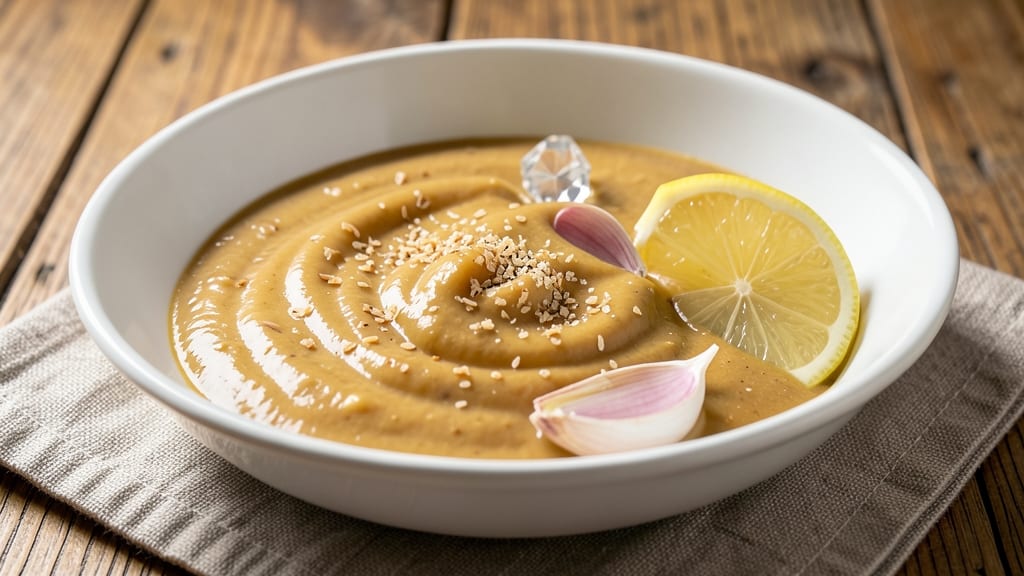
This alfredo sauce recipe with coconut milk transforms creamy pasta into a tropical dream—rich, velvety, and packed with umami depth without dairy. The secret lies in blending coconut milk with butter and nutritional yeast for that signature Alfredo flavor, while keeping it light enough for veggie dishes or hearty proteins.
I developed this version after craving a dairy-free option that still clung to noodles like classic Alfredo, and it never disappoints.
The sauce comes together in 15 minutes with just 5 ingredients, making it perfect for weeknight dinners or meal prep. Unlike traditional Alfredo, this version stays creamy without curdling and adds a subtle coconut aroma that pairs beautifully with garlic, lemon zest, or chili flakes.
It’s vegetarian-friendly but flexible—swap in chicken or shrimp for a protein boost.
What you’ll end up with is a silky, cling-coat sauce that transforms pasta into a luxurious dish, or elevates roasted veggies and grilled fish into a restaurant-worthy meal. The coconut milk adds a smooth, slightly sweet base, while the nutritional yeast delivers that unmistakable cheesy depth.
Best of all, it reheats perfectly, so leftovers taste just as good the next day.
Use it on fettuccine, toss it with stir-fried veggies, or drizzle it over curries for a creamy twist. The possibilities are endless—let’s make this sauce your new go-to for creamy, dairy-free comfort.
Ingredients for alfredo sauce recipe with coconut milk
Five simple ingredients transform into a creamy, cling-coat sauce that tastes nothing short of luxurious.
| Ingredient | Amount | Notes |
|---|---|---|
| Full-Fat Coconut Milk 🥥 | 1 cup | Canned, well-shaken for creaminess |
| Unsalted Butter 🧈 | ½ cup | Cold, cubed for even melting |
| Nutritional Yeast 🍃 | ½ cup | Fortified, for cheesy depth |
| Fresh Garlic Cloves 🧄 | 4 cloves | Minced, for aromatic punch |
| Lemon Juice 🍋 | 1 tbsp | Freshly squeezed, brightens flavor |
| Diamond Crystal Kosher Salt 🧂 | ½ tsp | Fine grain, adjusts seasoning |
| Ground Black Pepper 🌶️ | ¼ tsp | Freshly cracked, for warmth |
| Red Chili Flakes 🔥 | ¼ tsp | Optional, for subtle heat |
| Extra-Virgin Olive Oil 🫒 | 1 tbsp | For finishing, fruity variety |
Coconut milk is the star here—Thai Kitchen brand or any full-fat canned variety works best. The creamier the better, so shake the can vigorously before opening. Nutritional yeast is non-negotiable for that authentic Alfredo umami; Bragg or Bob’s Red Mill are my go-tos. Fresh garlic is ideal, but if you’re in a pinch, garlic powder at half the amount will do. The butter should be cold when you add it—this prevents the sauce from breaking. For extra richness, use European-style butter (like Plugrá or President).
No coconut milk? Cashew cream (soaked cashews blended with water) is a great swap, though the flavor will be slightly nuttier. Running low on nutritional yeast? White miso paste at one-third the amount adds depth, though it’ll taste more savory. The lemon juice can be omitted if you dislike acidity, but it’s what keeps this sauce from tasting too sweet. Chili flakes are optional but recommended—they add a subtle heat that balances the coconut’s richness. For a nut-free version, skip the olive oil finish and use a drizzle of melted coconut oil instead.
This sauce keeps beautifully—5 days in the fridge sealed with a thin layer of olive oil on top. It freezes for 3 months without losing texture, though the coconut flavor may mellow slightly. I always make a double batch: one for immediate use and one to freeze in ice cube trays for easy portioning. Reheat gently on low heat, stirring constantly, or microwave in 30-second bursts to avoid curdling. It reheats beautifully and tastes even better the next day.
Why You'll Love This Recipe
- No Fuss, No Stress: I swear by this sauce because it’s three ingredients plus a squeeze of lemon—no whisking, no straining, no waiting for roux to thicken. Just melt butter, simmer coconut milk until it’s velvety, and toss in that garlic and nutritional yeast. Boom. Done. (Yes, even on a Tuesday night when I’ve been staring at spreadsheets for hours.)
- Rich Without the Guilt: The full-fat coconut milk gives it that decadent Alfredo texture—creamy, luxurious—but the nutritional yeast adds a nutty, umami punch that keeps it light. Honestly, the first time I made it, my partner took a bite and said, “This tastes like a restaurant sauce,” and I just laughed because it’s that easy to impress.
- Pasta Party Any Day: This sauce doesn’t just work for fettuccine—it’s my go-to for stir-fries, grilled chicken, or even drizzled over roasted veggies. (Pro tip: Toss it with shrimp and chili flakes for a quick weeknight dinner.) Between us, I’ve used it in every kind of meal prep container, and it still tastes fresh three days later.
- Budget Magic: A can of coconut milk and a block of butter cost less than half the price of store-bought Alfredo, and it keeps for weeks in the fridge. I’ll be real: I make a big batch on Sundays, freeze half, and then I’ve got a backup for when I’m too tired to cook—or when my kid “accidentally” spills tomato sauce on the floor. (It happens.)
Step-by-step instructions for creamy coconut Alfredo sauce
Here's how to make a lusciously creamy, dairy-free Alfredo sauce that works perfectly for pasta or curries.
Melt Butter and Bloom the Nutritional Yeast
In a medium saucepan over medium-low heat, add the 0.5 cup unsalted butter and let it melt completely, swirling occasionally. Once fully melted and just starting to foam, reduce heat to low and whisk in the 0.5 cup nutritional yeast.
Let this mixture cook for 2-3 minutes while whisking constantly. You'll notice the yeast begins to develop a nutty aroma and the mixture takes on a pale, creamy color. This step is crucial—it's where the cheesy depth forms, so don't rush it. The yeast will absorb into the butter, creating the foundation for your rich sauce.
Add Garlic and Build Flavor
Push the butter-yeast mixture to one side of the pan and add the 4 cloves minced fresh garlic cloves to the empty space. Sauté for 30-45 seconds until the garlic becomes fragrant but doesn't brown—this prevents bitterness. Stir to combine with the butter mixture, then add the 0.5 tsp diamond crystal kosher salt, 0.25 tsp ground black pepper, and 0.25 tsp red chili flakes.
Here's the thing—you want the garlic to perfume the sauce without overpowering it. Taste the mixture at this stage; it should be savory with a hint of heat from the chili flakes. If you're using this for pasta, this is where the magic starts building. For curries, this aromatic base will carry through beautifully.
Incorporate Coconut Milk and Simmer
Pour in the 1 cup full-fat coconut milk (be sure to use the well-shaken can) and whisk vigorously to combine. Increase heat to medium-low and let the sauce simmer gently for 5-7 minutes, stirring occasionally. You're looking for the sauce to thicken slightly and become glossy—it should coat the back of a spoon but still be pourable.
The coconut milk will begin to separate slightly at first, but keep whisking. As it heats, the fats will emulsify with the butter, creating that signature creamy texture. If the sauce starts to curdle or separate, reduce heat immediately and whisk more vigorously. This is normal with coconut milk, but proper whisking prevents it.
Finish with Lemon Juice and Olive Oil
Remove the pan from heat and stir in the 1 tbsp lemon juice and 1 tbsp extra-virgin olive oil. The lemon juice brightens the sauce and balances the richness, while the olive oil adds a fruity finish that elevates the tropical notes. Taste and adjust seasoning—you might need a pinch more salt or pepper depending on your ingredients.
For the creamiest texture, strain the sauce through a fine-mesh sieve if you prefer a silky consistency. This step removes any garlic bits and creates a velvety finish. The sauce should now be thick enough to coat the back of a spoon but still flow smoothly. If it's too thick for your liking, whisk in 1-2 tablespoons of hot water to reach your desired consistency.
Use Immediately or Store Properly
Use the sauce immediately for pasta or curries, tossing it with hot noodles or stir-fried vegetables. The heat will help it cling beautifully. If storing, let it cool completely, then transfer to an airtight container. It will keep in the refrigerator for up to 5 days, though I recommend using it within 2-3 days for best flavor.
When reheating, do so gently over low heat, stirring constantly to prevent separation. If it thickens too much, whisk in a splash of warm water or coconut milk. This sauce is incredibly versatile—try it on fettuccine, drizzled over grilled chicken, or even as a base for creamy curries with chickpeas or tofu.
Pro Tips For Making Alfredo Sauce Recipe With Coconut Milk
- Bloom the Garlic: Smash those cloves with the flat side of your knife first—this releases more flavor without burning. I used to just mince them, but blooming them in butter for 30 seconds (until fragrant but not brown) makes the whole sauce sing, especially with coconut’s mildness.
- Simmer, Don’t Boil: Keep the heat low after adding coconut milk—boiling splits the cream and turns your sauce grainy. A gentle simmer (tiny bubbles at the edges) keeps it silky. I learned this after ruining three batches where the sauce looked curdled.
- Toast the Nutritional Yeast: Warm the yeast in a dry pan for 30 seconds before mixing—it deepens the nutty, cheesy flavor. Skip this, and it’ll just taste like dusted flour. (Yes, even if you’re in a hurry—it’s worth the minute.)
- Thin with Lemon Gradually: Add lemon juice last, a splash at a time, until the sauce coats the back of a spoon. Too much upfront makes it tangy and thin; too little leaves it heavy. Taste as you go—coconut milk’s richness needs that bright cut.
Wine and beer pairings for this recipe
White Wine Pairings
For this tropical twist on Alfredo, I reach for Sauvignon Blanc—its crisp acidity and citrus notes cut through the coconut richness beautifully. Look for a New Zealand Sauvignon Blanc like Oyster Bay or Cloudy Bay, where zesty lime and green apple flavors complement the lemon in the sauce.
The wine’s herbal undertones also echo the garlic and chili flakes, creating a perfect harmony. 🍷
If you prefer something slightly richer, a dry Riesling from Germany or Washington State works wonders. The Dr. Loosen Blue Slate Riesling has enough body to stand up to the sauce while its mineral finish balances the creamy texture. Avoid oaky Chardonnays—they’ll clash with the coconut milk’s natural sweetness.
Light Beer Options
A crisp lager like Peroni or Heineken cleanses the palate between bites, letting the sauce’s flavors shine. The subtle malt sweetness in these beers actually enhances the coconut notes without overpowering them.
For a local favorite, try a German Pilsner such as Warsteiner—its clean, refreshing profile makes it a perfect match. 🍺
If you’re feeling adventurous, a Belgian Witbier like Hoegaarden adds a fun contrast with its coriander and orange peel notes. The effervescence helps reset your palate between bites, making each spoonful of sauce taste even more vibrant. Just skip the heavy IPAs—they’ll drown out the delicate flavors.
Red Wine Caution
While this sauce works beautifully with white wines and light beers, reds are a risky pairing. A Pinot Noir with low tannins—like La Crema Sonoma Coast—might work in a pinch, but the coconut’s richness will make the wine taste flat.
If you’re set on red, opt for a light Gamay from Beaujolais, where its juicy berry notes can stand up to the sauce’s tropical profile. 🍇
My rule of thumb? Stick with whites and light beers to let the sauce’s unique flavors take center stage. The coconut milk’s creaminess pairs far better with bright, acidic wines than with bold, tannic reds. Trust me—your taste buds will thank you!
Non-Alcoholic Pairings
For a refreshing non-alcoholic match, try sparkling water with lemon—it mimics the sauce’s brightness while keeping your palate clean. Add a splash of coconut water for a tropical touch that echoes the sauce’s main ingredient. 🥤
For something more substantial, a ginger beer like Feather’s adds a spicy kick that complements the chili flakes. The ginger’s warmth also helps balance the coconut’s natural sweetness. If you’re serving this with curries, a mango lassi (yogurt-based drink) provides a creamy contrast that’s absolutely divine.
Nutrition facts
Frequently asked questions
Can I use light coconut milk instead of full-fat?
I don't recommend it—light coconut milk lacks the fat needed for that signature creamy texture. The sauce may thin out and lose its velvety consistency. If you're watching calories, try blending ½ cup soaked cashews with ½ cup water instead, but the flavor will be nuttier. For best results, stick with full-fat coconut milk.
Why does my sauce separate when I add coconut milk?
This happens because coconut milk separates naturally when heated. The fix? Whisk vigorously while simmering and keep heat at medium-low. If it curdles, reduce heat immediately and whisk for 1-2 minutes—the fats will re-emulsify. For extra insurance, strain the finished sauce through a fine-mesh sieve for a silky texture.
Is this sauce vegan?
Not quite! The recipe uses butter, which isn't vegan. To make it fully plant-based, replace the butter with ½ cup vegan butter or coconut oil. The nutritional yeast remains optional (though it adds cheesy depth), and you might need 1 tsp lemon juice extra to balance the richness. The coconut milk is already vegan-friendly.
How can I make this sauce thicker?
Simmer it longer (up to 10 minutes) to evaporate excess liquid. For instant thickening, whisk in 1 tbsp cornstarch mixed with 2 tbsp cold water and cook for 1 minute. If it's too thick, thin with 1-2 tbsp warm water or coconut milk. Pro tip: Strain the sauce for a smoother, more concentrated texture.
What's the best pasta to use with this sauce?
Fettuccine or tagliatelle are classic choices—their flat surfaces cling beautifully to the sauce. For extra texture, try gluten-free brown rice noodles or whole wheat pappardelle. Avoid thin strands like angel hair, as they can break when tossed. The sauce also works wonderfully as a dip for grilled veggies or shrimp skewers!