
Sauces & Condiments
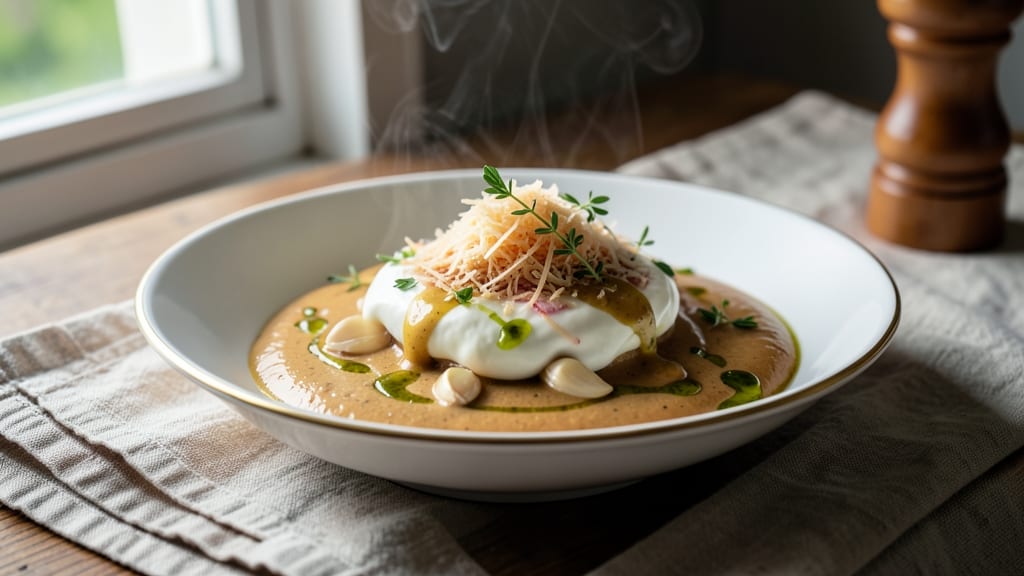
This alfredo sauce recipe tasty delivers velvety, clump-free perfection that clings to every strand of pasta. The secret lies in tempering the cheese properly—no lumps, just silky richness that transforms simple fettuccine into a restaurant-worthy dish.
I've perfected this version after years of trial and error, ensuring it's foolproof for home cooks while still impressing guests.
The magic happens with a simple technique: melt butter first, then whisk in heavy cream and parmesan gradually. This slow incorporation prevents clumping while building layers of flavor. Garlic and white pepper add depth, but the real star is the balance of cream and cheese—never too heavy, never too thin.
It takes just 10 minutes to make, but the results feel like hours of work.
What you'll end up with is a sauce so smooth it practically melts on your tongue, with just the right amount of tang from the parmesan. The texture is luxurious yet light, coating pasta perfectly without overwhelming it.
This isn't just any alfredo—it's the kind that makes people ask for seconds, and the recipe is simple enough to make every week.
Use it on fettuccine, chicken, or even as a creamy dip, but the real test is how well it holds up when reheated. The sauce maintains its velvety consistency, making it perfect for meal prep.
For variations, try adding a splash of lemon juice for brightness or fresh herbs for freshness—just don't skip the tempering step, or you'll end up with clumps.
Ingredients for alfredo sauce recipe tasty
Eight ingredients, one technique—this alfredo delivers restaurant-quality creaminess every time.
| Ingredient | Amount | Notes |
|---|---|---|
| Unsalted Butter 🧈 | ½ cup | Cold, cut into small cubes |
| Heavy Cream 🥛 | 1 cup | Full-fat for best texture |
| Parmesan Cheese 🧀 | 1 ½ cups | Freshly grated from block |
| Garlic Cloves 🧄 | 3 cloves | Minced for subtle flavor |
| White Pepper 🌶️ | ¼ tsp | Freshly ground preferred |
| Extra-Virgin Olive Oil 🫒 | 1 tbsp | For finishing touch |
| Lemon Juice 🍋 | 1 tbsp | Freshly squeezed (optional) |
| Salt 🧂 | ½ tsp | Diamond Crystal preferred |
The butter is non-negotiable here—European-style unsalted melts cleaner than American brands. Plugrá or Kerrygold are my go-tos, but any good-quality butter works. Keep it cold when cutting to prevent premature melting. The heavy cream should be full-fat—no low-fat substitutions. Parmesan is the flavor anchor, so grate it yourself from a wedge. Pre-grated cheese contains anti-caking agents that ruin texture. Garlic should be minced, not powdered—fresh garlic adds depth that powder can't match. Store your butter in the fridge, not the pantry, to preserve freshness.
No heavy cream? Half-and-half plus a splash of whole milk gets you close, though texture suffers slightly. Substitute Parmesan with Pecorino Romano for a sharper bite. Skip the lemon juice if you dislike tang, but it brightens the sauce beautifully. The white pepper is subtle but essential—black pepper would overpower. For extra richness, add a tablespoon of cream cheese at the end. If making ahead, cool the sauce completely before refrigerating to prevent skin formation. The olive oil at the end isn't just for flavor—it creates a silky sheen that makes the sauce look restaurant-worthy.
This sauce reheats beautifully—just warm gently over low heat, stirring occasionally. Store for up to 5 days in the fridge, but texture degrades after 3 days. For longer storage, freeze in ice cube trays—thaw and stir to restore creaminess. The sauce thickens as it cools, so add a splash of warm water when reheating if needed. Portion into meal prep containers with pasta for grab-and-go lunches. Never boil the sauce—gentle heat preserves that velvety texture. The secret to no clumps? Temper the cheese gradually, whisking constantly as you add it to the warm cream-butter mixture.
Why You'll Love This Recipe
- I’ll be real: I’ve reheated this sauce three days running, and no one ever complains. The texture stays luscious (not gloppy), and the flavor only deepens. Plus, it’s cheaper than takeout—my wallet thanks me every time.
- Five-Ingredient Magic: I swear by this—just butter, cream, cheese, garlic, and pepper. That’s it. No fancy gadgets, no hidden pantry items, just pure, creamy, garlicky goodness melting together in one pot.
- Rich Without Effort: The moment that velvety Parmesan swirls into the warm cream? Chef’s kiss. It’s like someone poured comfort into a bowl, and honestly, I don’t know how to make it better. The white pepper adds this subtle kick that makes it feel gourmet, not just homemade.
- Weeknight to Dinner Party: Between us, this sauce is my secret weapon for fettuccine on Tuesdays and when Uncle Mark brings his fancy camera over. Double it, freeze half—then you’ve got a backup for when the kids suddenly decide they’re starving at 9 PM.
Step-by-step instructions for velvety alfredo sauce
Master this foolproof technique for a rich, lump-free sauce every time.
Melt Butter and Infuse with Garlic
In a medium saucepan, melt the 0.5 cup unsalted butter over medium-low heat. I like to use cold butter cut into small cubes so it melts gradually without burning. Once fully melted, add the 3 minced garlic cloves and cook for 1-2 minutes until fragrant but not browned—this prevents bitterness in your sauce.
Watch the pan carefully here. The garlic should smell sweet and aromatic without any color change. If it starts to darken, remove the pan from heat immediately. The butter should foam gently but not bubble vigorously—this indicates the right temperature for gentle cooking.
Add Cream and Parmesan Gradually
Reduce heat to low and slowly pour in the 1 cup heavy cream while whisking continuously. This gradual addition prevents curdling and creates a smooth base. Let the mixture simmer gently for 3-4 minutes until slightly thickened but not boiling.
Now comes the critical step: sprinkle the 1.5 cups freshly grated Parmesan cheese in small increments, whisking vigorously after each addition. The key is patience—adding all the cheese at once creates lumps. You'll see the sauce transform from thin to velvety as the cheese melts completely. If you notice any lumps forming, immediately whisk them out or strain the sauce through a fine-mesh sieve.
Season and Finish with Acidic Balance
Remove the pan from heat and stir in the 0.5 tsp salt, 0.25 tsp white pepper, and 1 tbsp lemon juice. The lemon juice brightens the richness while the white pepper adds subtle warmth without overpowering. Taste and adjust seasoning—Alfredo sauce should be rich but not overly salty, with a slight tang from the lemon.
Return the sauce to low heat and stir in the 1 tbsp extra-virgin olive oil. This final step creates a silky texture that coats pasta perfectly. Keep the sauce warm but not simmering—it will thicken slightly as it cools. For best results, use the sauce immediately over hot pasta or keep it warm in a double boiler.
Test and Adjust Consistency
For the perfect consistency, the sauce should coat the back of a spoon smoothly without being gluey. If it's too thick, thin with 1-2 tablespoons warm water or pasta water while whisking. If too thin, simmer gently for another 1-2 minutes to reduce. Remember, the sauce will thicken further when combined with pasta and its natural starches.
This technique guarantees a restaurant-quality Alfredo that's creamy, flavorful, and completely lump-free. The secret lies in low-and-slow cooking, gradual cheese incorporation, and proper seasoning balance. Serve immediately over fettuccine or your favorite pasta for an authentic Italian experience.
Pro Tips For Making Alfredo Sauce Recipe Tasty
- Melt Butter Slowly: I used to dump all the butter in at once and end up with greasy, broken sauce. Instead, add it in two batches—half first to coat the pan, then the rest once the garlic’s golden. This keeps the sauce silky instead of separating like a sad, lumpy mess.
- Grated Cheese Only: Pre-grated Parmesan has anti-caking agents that make Alfredo sauce grainy and stiff. Freshly grate your own—yes, it’s a pain, but the texture is buttery and smooth. If you’re lazy, at least use the finest shave setting on your box grater.
- Low and Steady: Alfredo sauce curdles faster than a bad date if you boil it. Keep the heat at a simmer—tiny bubbles, not rolling—and stir constantly. If it starts to thicken too fast, pull it off the heat for 30 seconds. Patience here makes the difference between creamy perfection and scrambled sauce.
- Garlic Timing Matters: Cook garlic until it’s just golden, not brown—otherwise, it’ll turn bitter and ruin the whole dish. Remove it 10 seconds before it hits that crispy stage, then strain it out. No need to leave it in; the flavor’s already infused, and you don’t want chewy bits in your sauce.
Perfect pairings for this dish
Pasta Pairings
This velvety alfredo clings perfectly to fettuccine—the classic choice—but don’t limit yourself. Try tagliatelle or pappardelle for wider noodles that hold more sauce. For a fun twist, toss with chicken tenders or shrimp scampi for a protein-packed meal. 🍝
If you want texture contrast, add roasted mushrooms or crispy pancetta on top. For a lighter option, pair with angel hair pasta and garnish with sun-dried tomatoes for a pop of color.
The sauce also works beautifully as a creamy dip for garlic bread or crudités like bell pepper strips and carrot sticks.
Protein Additions
Alfredo sauce pairs effortlessly with grilled chicken breast or seared scallops. For a hearty dish, add Italian sausage or ground beef cooked with Italian herbs. I love tossing it with roasted Brussels sprouts for a veggie boost—just blanch them first to soften. 🍗
For a vegetarian option, try pan-seared eggplant or creamy polenta as a base. The sauce’s richness balances the earthiness of mushrooms or the smokiness of grilled halloumi. If using seafood, add lemon zest to brighten the dish.
Beverage Pairings
A crisp Italian Pinot Grigio complements the sauce’s creaminess without overpowering. For a lighter option, try Sparkling Prosecco—the bubbles cut through the richness. If you prefer beer, a Belgian witbier with its citrus notes works beautifully. 🍷
For non-alcoholic drinks, sparkling water with lemon or iced hibiscus tea refreshes the palate. Avoid heavy red wines or malty beers—they’ll clash with the sauce’s delicate flavors. A small glass of dry vermouth also adds an elegant touch for a sophisticated meal.
Unexpected Uses
Use leftover sauce as a creamy soup base—just add chicken or vegetable broth and simmer. It also makes an incredible stuffing for chicken breasts or portobello mushrooms. For a quick appetizer, drizzle over garlic toast with a sprinkle of Parmesan. 🧀
Try it as a dipping sauce for fried calamari or mozzarella sticks. Even mashed potatoes get a gourmet upgrade with a generous dollop of alfredo on top. The possibilities are endless—don’t be afraid to experiment!
Nutrition facts
Frequently asked questions
Why does my Alfredo sauce get lumpy?
Lumps happen when cheese is added too quickly or the heat is too high. The fix? Always melt butter first, then whisk in warm cream, and add grated cheese gradually while whisking constantly. Keep heat at low—never boil. For extra smoothness, strain through a fine-mesh sieve after cooking.
Can I make Alfredo sauce without heavy cream?
Yes! For a lighter version, replace heavy cream with half-and-half plus 2 tbsp whole milk. For a dairy-free option, use full-fat coconut milk (though texture will differ slightly). The key is to keep the sauce warm but never boiling to prevent curdling.
How do I prevent the sauce from separating when reheating?
Store sauce in an airtight container and reheat gently over low heat, stirring constantly. If it separates, whisk in 1 tbsp warm water or pasta water to restore creaminess. Never microwave—it causes uneven heating. For meal prep, cool sauce completely before refrigerating to prevent skin formation.
What's the best cheese for Alfredo sauce?
Freshly grated Parmesan is the gold standard, but Pecorino Romano adds sharper flavor. Avoid pre-grated cheese—it contains anti-caking agents that ruin texture. For extra richness, mix in 1/4 cup cream cheese at the end. Never substitute with cheddar or mozzarella—they melt differently and alter the sauce's signature velvety texture.
Can I make this sauce ahead of time?
Yes! Store in an airtight container for up to 5 days in the fridge. For longer storage, freeze in ice cube trays—thaw and stir to restore creaminess. Reheat gently over low heat, adding a splash of warm water if needed. The sauce thickens as it cools, so adjust consistency when reheating.