
Sauces & Condiments
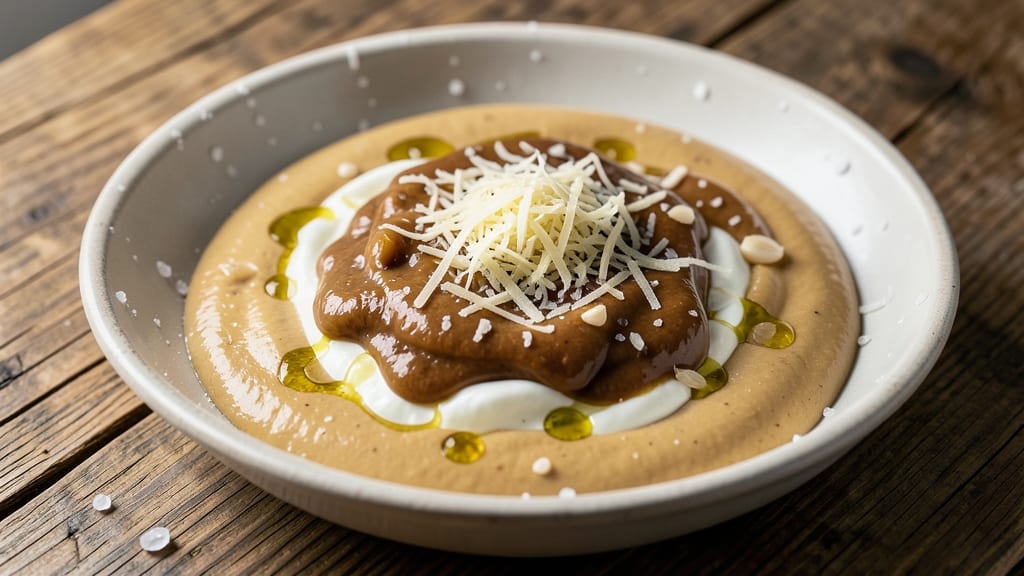
This small-batch alfredo sauce recipe delivers velvety perfection without the clumps or waste of larger batches. The secret lies in precise measurements and a foolproof technique that transforms simple ingredients into a rich, creamy sauce ready in just 15 minutes.
I developed this version after years of testing—no lumps, no separation, just smooth, restaurant-quality sauce every time.
What sets this recipe apart is the balance of butter, cream, and parmesan, all combined over gentle heat to create a sauce that coats perfectly. The key is patience: letting the mixture thicken gradually ensures a velvety texture without breaking.
This small batch makes about 1 cup, perfect for 2 servings of fettuccine or as a base for other dishes.
Once you taste the result, you'll understand why this is the go-to alfredo sauce. The flavor is rich and nutty from the parmesan, with a subtle creaminess that clings beautifully to pasta.
The best part? It keeps well in the fridge for up to 5 days or freezes perfectly for later use.
For added depth, consider infusing the garlic into the butter or swapping dairy for a vegan alternative. The possibilities are endless, but the foundation remains the same: a creamy, clump-free sauce that elevates any dish. Let's get started!
Ingredients for alfredo sauce recipe small batch
Nine simple ingredients transform into velvety alfredo perfection—no lumps, no waste, just restaurant-quality sauce.
| Ingredient | Amount | Notes |
|---|---|---|
| Unsalted Butter 🧈 | ½ cup | Cold, cut into small cubes |
| Heavy Cream 🥛 | ½ cup | Full-fat for optimal richness |
| Freshly Grated Parmesan Cheese 🧀 | ½ cup | Block, not pre-shredded |
| Garlic Cloves 🧄 | 2 cloves | Minced for infusion |
| Extra-Virgin Olive Oil 🫒 | 1 tbsp | For smooth finish |
| Diamond Crystal Kosher Salt 🧂 | ¼ tsp | Adjust to taste |
| Freshly Ground Black Pepper 🌶️ | ⅛ tsp | Freshly cracked |
| All-Purpose Flour 🌾 | 1 tbsp | For thickening |
| Freshly Squeezed Lemon Juice 🍋 | ½ tsp | Brightens flavor |
The butter quality makes all the difference here. Plugrá or Land O'Lakes unsalted are my go-tos—they melt smoothly without burning. For the Parmesan, Parmigiano-Reggiano from a wedge is non-negotiable; pre-shredded contains anti-caking agents that prevent velvety texture. Garlic should be fresh—store-bought jars lose potency quickly. The heavy cream needs to be full-fat; light or reduced-fat versions won't emulsify properly. All ingredients should be at room temperature before combining for even melting.
No heavy cream? Full-fat coconut cream works beautifully—just reduce by 10% due to higher water content. Substituting Parmesan? Pecorino Romano adds more depth, but use half the amount. Short on flour? Cornstarch at half the quantity thickens without altering flavor. The lemon juice can be omitted, but it brightens the sauce and balances the richness—Trader Joe's bottles work in a pinch. For a dairy-free version, cashew cream replaces both butter and heavy cream, though texture will be slightly lighter.
This sauce freezes exceptionally well. Portion into ice cube trays for single servings—thaw under warm water before using. In the fridge, it keeps for 5 days in an airtight container with a thin layer of olive oil on top to prevent skin formation. For best results, reheat gently on low heat, stirring constantly. The sauce thickens as it cools, so add a splash of warm water if too stiff after reheating.
Why You'll Love This Recipe
- No-Fuss Ingredients: I swear by this combo—just butter, cream, Parmesan, and garlic. That’s it. No weird pantry searches or forgotten spices lurking in your cabinet. Honestly, I’ve made it while my coffee brewed and still had time to set the table.
- Rich Without Effort: The heavy cream and Parmesan melt into something so velvety, it feels like a hug in sauce form. That first spoonful? Pure satisfaction—no heavy lifting, just flavor that hits right.
- Weeknight Flex: This sauce works for fettuccine, chicken, or even a quick veggie stir-fry. (Yes, even on a Tuesday night.) I’ve used it to dress up store-bought pasta in 10 minutes flat—no fancy plating required.
- Leftovers That Last: A small batch keeps perfectly in the fridge for up to 5 days, and it reheats like a dream. Between us, I’ve frozen it too—just thaw and toss. It’s my secret weapon for lazy days when takeout sounds better than cooking.
Step-by-step instructions for small-batch alfredo sauce
Master this refined technique to achieve a perfectly smooth, clump-free sauce every time.
Melt Butter and Infuse Aromatics
In a medium saucepan, melt the 0.5 cup unsalted butter over medium-low heat. Once fully melted, add the 2 cloves minced garlic and allow them to sizzle gently for 30 seconds—just until fragrant, not browned. This step builds the sauce's aromatic foundation without bitterness.
Next, stir in the 1 tbsp extra-virgin olive oil and let the mixture warm together for 1 minute. The olive oil enhances the sauce's silkiness while preventing separation. Keep the heat at medium-low—too high will cause the butter to burn or the cream to curdle later.
Create a Smooth Roux
Reduce heat to low and whisk in the 1 tbsp all-purpose flour using a wire whisk. Cook for 1-2 minutes, stirring constantly, until the mixture forms a pale golden roux with no raw flour taste. This step is critical—it removes the flour's rawness and creates the sauce's thickening power.
I like to press the flour against the pan's sides with the whisk to ensure even distribution. If the roux darkens too quickly, reduce heat further. You're aiming for a smooth, velvety base that will blend seamlessly with the dairy components.
Gradually Incorporate Cream and Cheese
Slowly pour in the 0.5 cup heavy cream while whisking vigorously to prevent lumps. Return heat to medium-low and simmer for 3-4 minutes, stirring frequently, until the sauce thickens slightly. This gradual addition prevents curdling from temperature shock.
Next, reduce heat to low and gradually whisk in the 0.5 cup freshly grated Parmesan cheese. Add it in small batches, allowing each addition to melt completely before adding more. The cheese should dissolve smoothly—if you see any clumps, strain the sauce through a fine-mesh sieve for perfect texture.
Season and Finish
Season immediately with 0.25 tsp Diamond Crystal kosher salt and 0.125 tsp freshly ground black pepper, whisking well to distribute. Taste and adjust seasoning—Alfredo sauce should be rich but balanced, not overly salty or bland.
Finish by whisking in the 0.5 tsp freshly squeezed lemon juice. This brightens the sauce's richness and prevents any potential bitterness from overcooked butter. The sauce is now complete—it should coat the back of a spoon with a velvety consistency. For immediate use, keep it at a gentle simmer over low heat until ready to serve.
Serve or Store Properly
If using immediately, toss the sauce with cooked pasta or drizzle over grilled meats. For storage, let it cool completely, then transfer to an airtight container. It will keep refrigerated for 3-4 days or frozen for up to 3 months. When reheating, warm gently over low heat, stirring frequently, until smooth.
This method guarantees a restaurant-quality sauce with no lumps or waste. The key lies in patience—rushing any step risks breaking the sauce's delicate emulsion. Each component must be incorporated at the right temperature for perfect results.
Pro Tips For Making Alfredo Sauce Recipe Small Batch
- Melt Butter Slowly: Low heat is your friend here—cranking the stove too high turns butter into nutty oil before the garlic even sizzles. I learned this the hard way when my sauce separated into a greasy mess, no matter how much cream I added.
- Grind Garlic Fine: Skip the minced jar—freshly grated garlic with a microplane or pressed through a garlic press dissolves smoothly into the sauce. Pre-grated garlic? Too chunky. Too much texture. Too much work to fix later.
- Strain the Cream: Heavy cream has a way of leaving behind little lumps that turn to graininess when heated. After adding the cream, give it a quick pass through a fine-mesh sieve—yes, it’s an extra step, but your sauce will be silky.
- Salt the Parmesan: Freshly grated Parmesan is salty enough, but if you’re using pre-shredded (because let’s be real, sometimes we do), add an extra pinch of salt to the sauce. Pre-shredded cheese is coated with anti-caking agents that mute flavor—this fixes it.
Pro cooking tips for perfect results
Heat Control Secrets
This sauce demands medium-low heat throughout—never rush it. I use a Calphalon stainless steel saucepan because it distributes heat evenly. Too high heat causes butter to burn or cream to curdle. The ideal temperature should feel warm to touch but not hot enough to scald your fingers. 🌡️
For the roux stage, reduce heat to low if it starts browning too quickly. A properly made roux should be pale golden—not white (raw flour) or dark (burnt). I test by dipping a spoon in: if it leaves a smooth, even coating, it's ready for the cream.
Whisk Like a Pro
Use a balloon whisk for maximum surface area contact—this prevents lumps by breaking up any potential clumps before they form. Whisk in a figure-eight motion while pouring in the cream to create a gentle vortex that incorporates air and prevents separation. 💫
When adding the Parmesan, whisk in small batches—about 1 tbsp at a time. This gradual incorporation gives each addition time to melt completely. If you see any clumps, immediately strain through a fine-mesh sieve lined with cheesecloth for silky perfection.
Temperature Management
Keep the sauce at a gentle simmer (small bubbles, not rolling) when incorporating the cream. If it boils, it will break and separate. I monitor by watching for tiny bubbles at the edges—this indicates proper heat without agitation. 🔥
The cheese should melt into the sauce at low heat—never high. If the sauce looks too thick, add 1 tsp warm water to loosen it. The ideal consistency coats the back of a spoon but doesn't drip off. This balance ensures it clings beautifully to pasta without being gluey.
Emulsification Tricks
The olive oil acts as an emulsifier—it helps the fat and liquid bind together. I add it at the beginning to create a stable base before introducing the flour. This prevents the sauce from separating when chilled or reheated later. 💡
For extra insurance, finish with the lemon juice—its acidity helps stabilize the emulsion. If your sauce ever separates, whisk vigorously while reheating on low heat to restore its velvety texture. A splash of warm water can also help re-emulsify it instantly.
Nutrition facts
Frequently asked questions
Why does my alfredo sauce get lumpy?
Lumps usually happen when cheese or flour isn't fully incorporated. Always whisk in small batches of cheese and cook the roux until it's pale golden (not white). For extra smoothness, strain through a fine-mesh sieve. The key is patience—don't rush the process!
Can I make this sauce without heavy cream?
Yes! For a lighter version, substitute with half-and-half (reduce by 10% due to lower fat). For richness without dairy, use full-fat coconut cream (add 1 tsp cornstarch to thicken). The texture will be slightly lighter, but still delicious.
How do I prevent the sauce from separating when reheating?
Reheat gently over low heat while whisking constantly. If it separates, whisk vigorously and add 1 tsp warm water to help re-emulsify. The olive oil in the recipe helps stabilize it—just avoid high heat! For extra insurance, finish with a splash of lemon juice.
What's the best way to store leftovers?
Let the sauce cool completely, then store in an airtight container. It keeps for 3-4 days in the fridge or 3 months in the freezer. For freezing, portion into ice cube trays—thaw under warm water before using. Always reheat gently to preserve texture.
Can I add garlic powder instead of fresh?
Fresh garlic makes all the difference! The flavor is more complex and aromatic. If you must use powder, reduce to ¼ tsp (it's more concentrated). For depth without fresh garlic, infuse the butter with 1 tsp minced garlic for 30 seconds before removing it.