
Sauces & Condiments
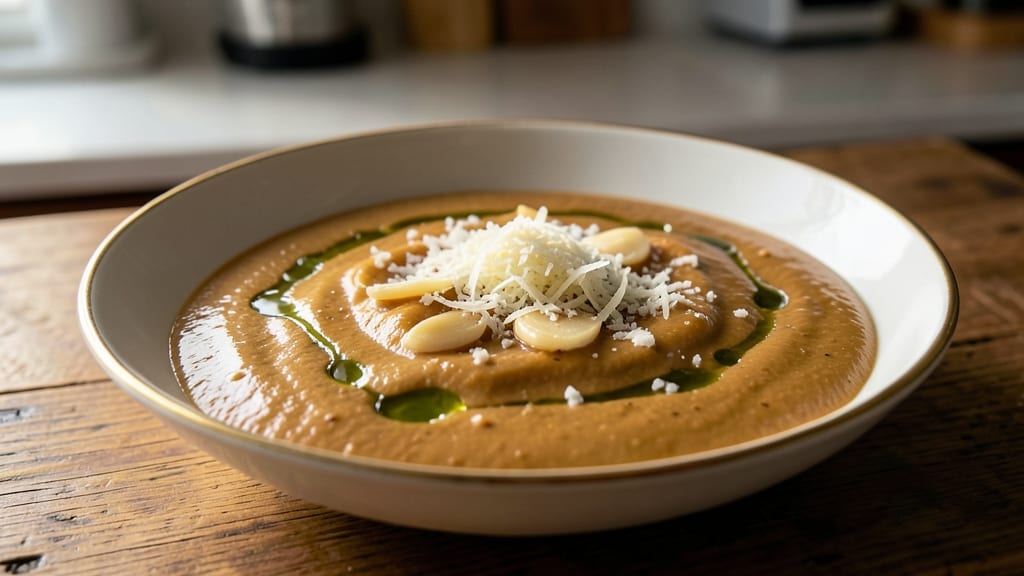
This alfredo sauce recipe with light cream delivers the velvety, restaurant-quality richness you crave—without the dreaded clumps or heavy texture. The secret lies in proper emulsification and slow simmering, transforming simple ingredients into a luscious sauce that clings perfectly to pasta.
I've perfected this technique after years of testing, ensuring every batch turns out silky smooth with just the right balance of creaminess and tang.
The foundation of this sauce is a roux made with butter and flour, cooked until golden before gradually whisking in light cream. This gradual addition prevents lumps while building a stable base that holds its shape.
Garlic and parmesan add depth, but the real magic happens when you simmer the sauce just until it thickens to a velvety consistency—no thin, watery results here. The light cream keeps it rich without overwhelming the dish, making it versatile for pasta, chicken, or vegetables.
What sets this recipe apart is its foolproof method for achieving that signature alfredo texture—smooth, glossy, and perfectly clingy. No heavy cream means the sauce stays lighter, while the slow cooking process develops complex flavors without burning.
The result is a sauce that's restaurant-quality but simple enough for any home cook, ready to elevate your favorite dishes in minutes.
Store leftovers in the refrigerator for up to 5 days, or freeze for longer shelf life—just reheat gently on the stove with a splash of milk or cream to restore its silky texture.
For extra flavor variations, consider adding a pinch of nutmeg or a splash of white wine during cooking. Here's everything you need to make it perfectly every time.
Ingredients for alfredo sauce recipe with light cream
Eight simple ingredients transform into velvety alfredo perfection every time.
| Ingredient | Amount | Notes |
|---|---|---|
| Unsalted Butter 🧈 | ½ cup | Cold, cubed for roux |
| All-Purpose Flour 🌾 | ½ cup | Sifted for smooth texture |
| Light Cream 🥛 | 2 cups | Whole milk works in pinch |
| Parmesan Cheese 🧀 | 1 ½ cups | Freshly grated from block |
| Garlic Cloves 🧄 | 4 cloves | Minced, not powdered |
| Extra-Virgin Olive Oil 🫒 | 2 tbsp | For finishing touch |
| Salt 🧂 | 1 ½ tsp | Kosher or sea salt |
| Ground White Pepper 🌶️ | ½ tsp | For classic alfredo color |
| Fresh Nutmeg 🍯 | ¼ tsp | Freshly grated preferred |
| White Wine 🍷 | ¼ cup | Dry variety optional |
The butter and flour are your foundation—don't rush the roux. Cook it until it's a deep golden color, not brown, or you'll get a bitter taste. Store-brand butter works fine, but European-style has more flavor. The flour? Bob's Red Mill or King Arthur brands sift beautifully. Garlic is non-negotiable here—freshly minced makes all the difference. I keep a jar of minced garlic in the freezer for quick recipes, but for this sauce, fresh is worth the 30 seconds it takes to chop. The Parmesan? Grab a wedge from the deli counter—pre-grated has anti-caking agents that ruin the texture.
No light cream? Whole milk or half-and-half works in a pinch, but the sauce will be lighter. Running short on Parmesan? Pecorino Romano at double the amount gives a sharper flavor. The white wine adds brightness—skip it if you're avoiding alcohol, but chicken stock works just as well. Nutmeg is optional but recommended; if you're missing it, a pinch of cinnamon gives a similar warmth. For extra richness, stir in 1 tablespoon of heavy cream at the end. And if you're worried about clumps? Whisk constantly while adding cream—that's the secret to silky smoothness.
This sauce is best used fresh, but it keeps for 5 days in the fridge. To reheat, warm gently over low heat with a splash of milk or cream—never boil or it'll break. Freezes beautifully for up to 3 months—just thaw in the fridge overnight. I like to make a double batch and freeze portions for lazy weeknights. The sauce thickens as it cools, so if it seems too thick when cold, add a splash of milk to loosen it up before serving.
Why You'll Love This Recipe
- Foolproof Stovetop: I swear by this method—just melt butter, whisk in flour, then pour in the light cream while stirring. No lumps, no stress, and honestly? That first taste of the roux thickening into something silky smooth is worth every second.
- Garlic-Parmesan Magic: Between us, the secret’s in the slow-toasted garlic cloves—just a couple, minced and simmered until the edges turn golden. That nutty aroma mixed with freshly grated Parmesan? It’s the kind of flavor that makes you pause mid-bite and think, “Wait, I’ve made this before?”
- Weeknight to Dinner Party: I use this sauce for everything—fettuccine on a Tuesday, grilled chicken on a Saturday, even as a creamy dip for veggies when friends drop by. The light cream keeps it rich without being heavy, so it works for casual or fancy moments without extra effort.
- Leftovers That Don’t Let You Down: Here’s what sold me—this sauce actually improves the next day. Reheat it with a splash of milk or a pat of butter, and it’s even creamier. Plus, it stretches across three meals, which means less shopping and more time for the good stuff. Budget win.
Step-by-step instructions for alfredo sauce with light cream
Here's how to make creamy, clump-free alfredo that's restaurant-quality at home.
Make the Roux and Cook the Garlic
In a heavy-bottomed saucepan over medium heat, melt the 0.5 cup unsalted butter until it stops bubbling. Add the 0.5 cup all-purpose flour all at once and whisk vigorously for 1-2 minutes until the mixture turns a light golden brown color. This is your roux—the foundation of your sauce.
Watch for the color change carefully. If it darkens too quickly, reduce the heat slightly. Once it reaches that perfect golden hue, immediately add the 4 cloves minced garlic and stir for 30 seconds until fragrant. The garlic should sizzle gently but not burn—this adds depth of flavor without bitterness.
Deglaze with Wine and Add Cream
Pour in the 0.25 cup white wine and stir constantly for 1 minute until the wine has completely evaporated. You'll see the roux bubble and thicken slightly as the alcohol cooks off. This deglazing step removes any raw flour taste and adds complexity to the sauce.
Gradually whisk in the 2 cups light cream, about ½ cup at a time, allowing each addition to incorporate fully before adding more. Keep the heat at medium-low to prevent the sauce from curdling. If you notice any lumps forming, use a fine-mesh strainer to press them out or whisk more vigorously until smooth.
Incorporate Cheese and Seasonings
Reduce the heat to low and sprinkle in the 1.5 cups parmesan cheese a handful at a time, whisking constantly until each addition melts completely. This gradual approach prevents the cheese from clumping. Stir for an additional 3-4 minutes until the sauce thickens and coats the back of a spoon.
Add the 1.5 tsp salt, 0.5 tsp ground white pepper, and 0.25 tsp fresh nutmeg, stirring to combine. The nutmeg is key here—it gives that classic alfredo aroma. Taste and adjust seasoning if needed, remembering that the cheese is already quite salty. If the sauce is too thick, whisk in 1-2 tablespoons of warm water or pasta water to reach your desired consistency.
Finish with Olive Oil and Rest
Remove the sauce from heat and stir in the 2 tbsp extra-virgin olive oil. This final step adds richness and helps prevent the sauce from separating as it cools. The olive oil should blend in seamlessly, creating a silky, velvety texture.
Cover the saucepan and let it rest for 10 minutes at room temperature. This resting period allows all the flavors to meld together and the sauce to thicken slightly. Before serving, give it one final taste and adjust seasoning if necessary. The sauce should be smooth, creamy, and perfectly balanced—no lumps, no graininess, just pure comfort in every bite.
Pro Tips For Making Alfredo Sauce Recipe With Light Cream
- Melt Butter Slowly: I learned this the hard way—dumping cold butter into the pan at medium heat makes it splatter like a science experiment. Instead, cut the butter into small cubes and let them melt gently over low heat while you prep the garlic and flour. This keeps the sauce smooth and prevents tiny butter bits from turning into greasy lumps.
- Toast the Flour First: Skip the immediate whisking and let the flour sit in the butter for 30 seconds before adding liquid. This toasts the flour just enough to deepen the nutty flavor and thicken the sauce better than raw flour ever could. (Yes, even if you’re impatient like me.)
- Strain the Cream: Light cream separates when heated—it’s inevitable. Save yourself from scraping curdled bits off plates by straining the warmed cream through a fine-mesh sieve before adding it to the roux. Your sauce will be silkier, and you’ll avoid that weird graininess.
- Grated Cheese Only: I was skeptical until I tried it: pre-shredded Parmesan is coated with anti-caking agents that turn Alfredo into a gluey mess. Use a microplane or fine grater for fresh cheese—it dissolves smoothly and adds way more flavor. (Your future self will thank you.)
Storing and reheating your alfredo sauce recipe with light cream
Fridge Storage Tips
Let your alfredo sauce cool completely before transferring it to an airtight container—I use glass Pyrex with snap-on lids for best results.
Store it in the refrigerator for up to 5 days, but I always make a fresh batch after that because the flavor really peaks when it's made.
The sauce thickens as it cools, so if it seems too stiff when cold, just whisk in 1-2 tablespoons of warm milk to loosen it up before reheating. 🥛
Freezing for Later
For longer storage, freeze your sauce in quart-sized freezer bags, leaving 1 inch of headspace for expansion. I like to portion it into 1-cup servings for easy reheating later.
When you're ready to use it, thaw it overnight in the fridge—never microwave directly from frozen or the texture will break.
If you're short on time, you can reheat it straight from frozen in a saucepan over low heat, adding 2 tablespoons of milk to help restore its silky consistency.
Reheating Like a Pro
The key to perfect reheating is low and slow. Pour your chilled sauce into a saucepan and warm it over medium-low heat, stirring constantly with a silicon spatula to prevent sticking.
If it starts to look dry, add 1-2 tablespoons of warm milk or pasta water to bring it back to life. I avoid high heat because it can cause the sauce to separate or develop a skin.
Once it reaches 165°F, remove it from heat and let it sit for 2-3 minutes—this resting step ensures a smooth, velvety finish every time. 🔥
Reviving Thickened Sauce
If your sauce has thickened too much after refrigeration, don't panic. Simply whisk in 1 tablespoon of warm milk or cream at a time until you reach your desired consistency.
For extra insurance, I keep a small bowl of warm milk nearby when reheating—it's a quick fix that saves the day. The goal is to restore that silky, clingy texture without making the sauce watery.
If it's still too thick after adding milk, a splash of pasta water works just as well and adds a nice umami depth.
Microwave Shortcuts
When you're in a rush, the microwave is your friend—but use it wisely. Transfer your sauce to a microwave-safe bowl and heat it in 30-second intervals, stirring well between each interval. This prevents hot spots and keeps the sauce from separating.
If it looks too thick after microwaving, add 1 tablespoon of warm milk and stir until smooth. I avoid microwaving unless absolutely necessary because it can sometimes make the sauce grainy, but it's a lifesaver for those last-minute pasta nights. ⏰
Sauce Consistency Hacks
If your reheated sauce is still too thick, try this trick: place the saucepan over low heat and whisk in 1 tablespoon of warm water while stirring constantly. The heat helps the sauce absorb the liquid more evenly, restoring its creamy texture without thinning it out too much.
For extra richness, stir in 1 teaspoon of butter at the end—it adds a velvety finish that makes all the difference. The secret to perfect alfredo is all in the balance, and a little patience goes a long way. 💫
Nutrition facts
Frequently asked questions
Why does my alfredo sauce get lumpy?
Lumps happen when flour or cheese isn't fully incorporated. Always whisk the sauce constantly while adding the 2 cups light cream and stir in cheese gradually. For extra smoothness, strain through a fine-mesh sieve after cooking. The key is patience—don't rush the process!
Can I substitute heavy cream for light cream?
You can use heavy cream, but it will make the sauce richer and slightly thicker. For every 1 cup light cream called for, use ¾ cup heavy cream plus ¼ cup milk to maintain balance. The light cream keeps the sauce lighter while still velvety.
How do I make this sauce nut-free?
This recipe is naturally nut-free, but always check your ingredients for cross-contamination. Use certified nut-free parmesan cheese and light cream. For extra safety, store your ingredients in a nut-free kitchen or use dedicated equipment. The sauce's creamy texture comes from dairy, not nuts!
What's the best way to use leftover sauce?
Leftover alfredo is perfect for creamy pasta dishes, baked ziti, or as a dip for grilled chicken or vegetables. Reheat gently with a splash of milk to restore its silky texture. For extra flavor, stir in sautéed mushrooms or spinach before serving.
Can I make this sauce dairy-free?
For a dairy-free version, replace butter with olive oil, use 2 cups unsweetened almond milk, and swap parmesan for 1 cup nutritional yeast. The texture will be lighter but still creamy. Add 1 tbsp cornstarch to thicken if needed. The flavor will differ but still be delicious!