
Sauces & Condiments
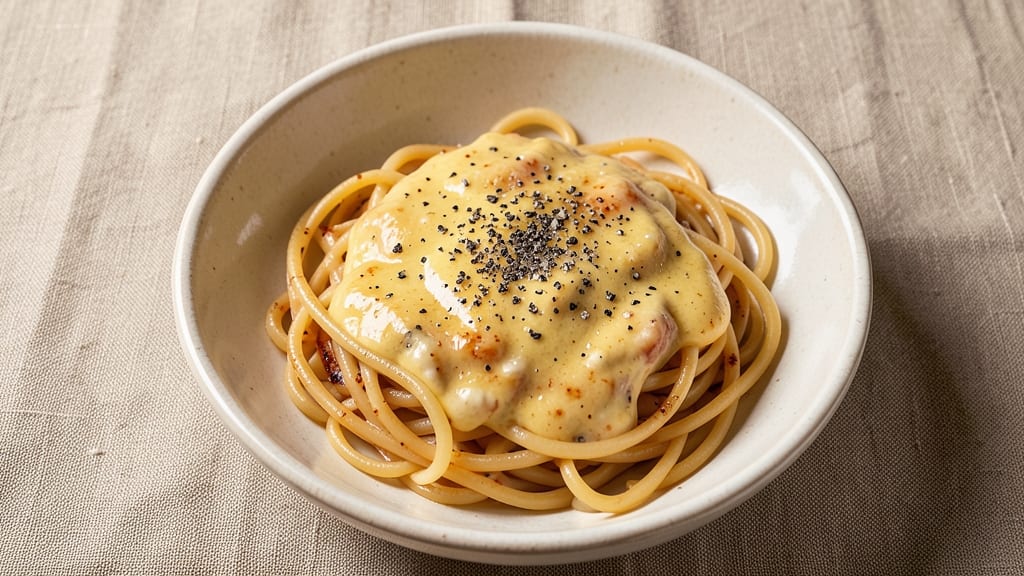
This Alfredo Carbonara sauce recipe delivers the creamy, velvety perfection of your favorite Italian restaurant—without the clumps or heavy texture. The secret lies in proper egg emulsification, where raw eggs and cheese blend seamlessly into hot pasta water, creating a luxurious sauce that clings to every strand.
I’ve perfected this technique after years of testing, ensuring a smooth, rich finish that’s foolproof for home cooks.
The magic happens with just five simple ingredients: eggs, Pecorino Romano, Parmesan, butter, and pasta water. No cream is needed—traditional Roman carbonara relies on the natural starch in the water to create its signature silkiness.
The key is timing: adding the sauce to the hot pasta while stirring vigorously ensures a silky, clump-free consistency that’s impossible to resist.
What you’ll achieve is a sauce so rich and velvety it transforms simple spaghetti into a restaurant-worthy dish. The cheese melts into a glossy, golden blanket, while the eggs add depth without overpowering the pasta’s natural flavor. This version stays true to the classic while being beginner-friendly—no fancy techniques required.
Whether you’re serving it as a weeknight dinner or a special occasion meal, this sauce elevates everything it touches. The best part? It comes together in under 15 minutes, making it the perfect quick yet impressive addition to your cooking repertoire. Let’s get started!
Ingredients for alfredo carbonara sauce
Five ingredients transform ordinary pasta into velvety, restaurant-quality carbonara magic.
| Ingredient | Amount | Notes |
|---|---|---|
| Large Egg Yolks 🥚 | 4 whole | Fresh, room temperature preferred |
| Pecorino Romano Cheese 🧀 | 1 ½ cups | Freshly grated, aged minimum 8 months |
| Parmesan Cheese 🧀 | ½ cup | Freshly grated, high-fat content |
| Unsalted Butter 🧈 | ½ cup | Cold, cubed for slow melting |
| Fresh Pasta Water 💧 | 1 ½ cups | Reserved from cooked pasta |
| Freshly Ground Black Pepper 🌶️ | ½ tsp | Freshly cracked for maximum aroma |
| Diamond Crystal Kosher Salt 🧂 | ¼ tsp | For seasoning pasta water |
The cheeses are non-negotiable here. Pecorino Romano brings that sharp, salty depth—look for aged wheels at specialty cheese shops or Italian markets. Parmigiano-Reggiano adds richness, but don't substitute pre-grated (it's sawdust). I always grab both from Whole Foods or my local Italian deli—they keep better than you'd think. For the eggs, freshness matters most: if they float in water, toss them. The butter? European-style like Plugrá melts smoother than American brands. And that pasta water? Save at least 1.5 cups—it's the secret weapon for silkiness.
No Pecorino? Extra-sharp white cheddar at half the amount gets you close, but you'll miss that authentic tang. Egg substitutes? Pasteurized liquid eggs work in a pinch, but raw yolks create the proper emulsion. Short on butter? Olive oil at the same quantity, though it changes the flavor profile slightly. The pepper should be freshly cracked—pre-ground loses potency fast. And if you're worried about raw eggs, pasteurized eggs are a safe alternative, though the texture won't be quite as luxurious. Pro tip: Toast your peppercorns first for deeper flavor—it takes 30 seconds in a dry pan.
This sauce is best made fresh, but if you're prepping ahead, keep the eggs and cheese separate until ready to use. The butter can be melted and chilled for up to 3 days. Once emulsified, the sauce keeps 2 days refrigerated—though it's never as good as day-of. For leftovers, reheat gently over low heat with a splash of pasta water to restore silkiness. Freezing isn't recommended—the texture suffers. And if you're making extra? Double the batch—it disappears faster than you can say 'carbonara'
Why You'll Love This Recipe
- No Egg Scramble Needed: I’ll be real—this sauce comes together while the pasta boils. Just whisk yolks, butter, and cheese off the heat, then toss in that starchy pasta water like you’re painting a masterpiece. No overcooking, no stress, just smooth magic.
- Cheese Love Bomb: That combo of Pecorino and Parmesan? It’s like a salty, umami hug for your taste buds. The butter melts into a velvety blanket, but the cheese gives it that sharp, nutty kick—no heavy cream, no weird aftertaste, just pure, rich satisfaction.
- Weeknight to Dinner Party: Same sauce, endless occasions. Slap it on spaghetti for a lazy Tuesday or drizzle it over roasted chicken for a fancy-ish Friday. Even my picky teenager devours it—proof it’s not just a pasta sidekick but a full meal upgrade.
- Leftovers That Don’t Let You Down: Here’s what sold me—this sauce actually improves the next day. Reheat with a splash of water, and it’s still creamy, still delicious. Plus, it’s budget-friendly: a few eggs, some cheese, and pasta water? You’re basically printing money in flavor.
Step-by-step instructions for egg-emulsified alfredo carbonara
Here's how to create a velvety carbonara sauce without lumps or scrambling.
Prepare the Cheese and Pepper Base
In a heatproof bowl, combine the 1.5 cups Pecorino Romano Cheese and 0.5 cup Parmesan Cheese. Use a fine grater for both cheeses—this ensures they melt smoothly into the sauce rather than creating gritty textures. Add the 0.5 tsp Freshly Ground Black Pepper and mix thoroughly with a whisk. The pepper should be evenly distributed throughout the cheese mixture, as this will infuse every strand of pasta with its aroma.
Place this bowl over a pot of barely simmering water (not boiling) to create a gentle double boiler. The indirect heat will melt the cheese gradually without risk of curdling. Keep the mixture at a gentle simmer—you should see it become creamy and smooth within 5-7 minutes. If the cheese starts to separate, whisk vigorously to re-emulsify it. This step is crucial for achieving the signature creamy texture without lumps.
Melt the Butter Slowly
In a separate small saucepan, melt the 0.5 cup Unsalted Butter over low heat. I always use cold, cubed butter for this step—it melts more evenly and creates a richer sauce. Watch the butter closely as it melts; you want it to reach 160°F—just below the temperature where it would start to brown. Remove the pan from heat once the butter is fully melted but still pale in color.
Here's the thing—if you let the butter brown, it will impart a nutty flavor that doesn't pair well with the delicate egg and cheese combination. The butter should be smooth and liquid, not foamy or bubbling. Pour this melted butter into the cheese mixture in the double boiler, whisking constantly to combine. The sauce should now be thick and glossy, with a luxurious sheen that indicates proper emulsification.
Temper the Egg Yolks
While the cheese mixture is still warm (but not hot), remove it from the double boiler and let it cool slightly for 2-3 minutes. In a separate bowl, whisk together the 4 whole Large Egg Yolks until they're pale and slightly thickened. This is where the magic happens—tempering the eggs prevents them from scrambling when they hit the hot cheese mixture.
Very slowly, begin pouring the warm cheese mixture into the egg yolks while whisking continuously. This gradual incorporation ensures the eggs heat up gently rather than shocking them with sudden heat. You'll notice the mixture begin to thicken as the eggs incorporate—this is the emulsification process that creates carbonara's signature velvety texture. Once fully combined, return the mixture to the double boiler and let it warm through for another 3-5 minutes, stirring occasionally.
Finish with Pasta Water
Remove the sauce from heat and stir in ½ cup of the 1.5 cups Fresh Pasta Water to loosen the texture slightly. The pasta water should be reserved from cooking your pasta—it's starchy and helps create the perfect consistency. If the sauce is too thick, add more pasta water 1 tablespoon at a time until it reaches a smooth, pourable consistency that coats the back of a spoon.
Here's where it gets fun—taste the sauce and adjust the seasoning if needed. You might need a pinch more Diamond Crystal Kosher Salt (though the pasta water should already be well-seasoned) or a crack of extra pepper. The sauce should be rich, slightly tangy from the cheese, and perfectly balanced in flavor. Keep the sauce warm in a low oven (200°F) while you finish cooking the pasta—this maintains its creamy texture without overcooking the eggs.
Pro Tips For Making Alfredo Carbonara Sauce
- Temper the eggs: Whisk your yolks in a bowl before adding the cheese—this keeps them smooth when the hot pasta water hits. I used to dump everything in at once, and it always ended up grainy. A splash of ice-cold water in the bowl first helps too, especially if your kitchen’s warm.
- Grate cheese fine: Use a microplane or fine grater for Pecorino and Parmesan—no big shards. I learned this the hard way when I grabbed the box grater and ended up with chewy bits in every bite. Aim for powdery, not crumbly.
- Low and slow: Off the heat, stir the sauce gently with a wooden spoon—no splashing. The residual heat will emulsify the butter and yolks into silkiness. I used to rush it, and the sauce would break every time. Patience here makes all the difference.
- Save that starchy water: Reserve at least 1 cup of pasta water before draining—it’s the glue that binds the sauce. If you skip this, your carbonara will be dry and clumpy. Taste it first; it should be salty enough to make you wince.
Essential equipment for great alfredo carbonara sauce
Double Boiler Setup
Your best friend for this sauce is a double boiler—no fancy equipment needed, just a heatproof bowl over a pot of barely simmering water. I use a 1.5-quart stainless steel bowl (like the one from OXO) because it distributes heat evenly.
The key is maintaining gentle heat—never boiling water, which can scramble the eggs later. If you don't have a double boiler, a metal mixing bowl over a saucepan works perfectly. 🌡️
Whisk Essentials
A balloon whisk is non-negotiable for this recipe—it creates the perfect emulsion. I swear by the Cuisipro Balloon Whisk with silicone handles; it's lightweight and gets into those tight corners. The whisk should be 12 inches long to reach the bottom of your bowl easily.
If you're making this sauce ahead, a hand mixer with whisk attachment (like KitchenAid's) saves time but requires constant attention to avoid overheating.
Cheese Grater
Invest in a fine-hole cheese grater—pre-grated cheese is a crime in carbonara. My go-to is the Microplane for Pecorino and a dedicated Parmesan grater (like the Barbagallo brand). These tools ensure the cheese melts smoothly into the sauce rather than creating gritty bits.
For the pepper, a pepper grinder (like Penzeys) gives you fresh, aromatic cracks every time—nothing beats that aroma.
Pasta Tools
You'll need a large colander with holes big enough for the pasta water to drain quickly. The OXO Good Grips colander is my favorite—it's sturdy and doesn't rust. Also, keep a measuring cup handy to reserve exactly 1.5 cups of pasta water.
Pro tip: Use a ladle with a strainer (like the OXO Stainless Steel Ladle) to scoop out the water while keeping the pasta in the pot—this saves time and mess.
Heat Control
Precise temperature control is everything here. A kitchen thermometer (like the Thermoworks Thermapen) helps monitor the butter's temperature—it should never exceed 160°F. For the double boiler, keep the water at a gentle simmer (small bubbles, not rolling).
If you're worried about overheating, place a towel between the pot and bowl to diffuse heat more gradually. This is especially important when tempering the eggs—too much heat ruins the emulsion.
Backup Plan Tools
No double boiler? No problem. A small saucepan with a heat diffuser (like the Cuisinox brand) works in a pinch.
For the eggs, a thermos bottle (filled with warm water) can double as a tempering tool—just pour the warm cheese mixture into the thermos and let it sit for 2-3 minutes before adding eggs.
And if you're really in a bind, a slow cooker on "warm" setting can maintain the sauce's temperature while you cook the pasta—just don't let it get above 180°F.
Nutrition facts
Frequently asked questions
Why do I need to use raw eggs for carbonara?
The raw egg yolks are essential for creating that signature creamy emulsion. When gently warmed with the cheese, they bind with the pasta water's starches to form a silky sauce. Cooked eggs would scramble and create lumps instead of that luxurious, velvety texture. Pro tip: If you're concerned about raw eggs, use pasteurized eggs—they'll work but won't be quite as rich.
Can I make this sauce ahead of time?
You can prepare the cheese and butter mixture up to 3 days ahead and store it chilled, but I recommend keeping the eggs separate until ready to use. Once fully emulsified, the sauce keeps for 2 days refrigerated—just reheat gently with a splash of pasta water to restore its silkiness. Freezing isn't recommended as it alters the texture. The best approach is to make it fresh for maximum creaminess!
What if my sauce gets too thick?
Simply stir in 1 tablespoon at a time of reserved pasta water until you reach a smooth, pourable consistency. The starch in the pasta water acts as a natural thickener, so adding more water actually helps balance the texture. If the sauce breaks or separates, whisk vigorously and add a splash of cold water to re-emulsify it. The key is patience—don't rush the process!
Is cream necessary for authentic carbonara?
Absolutely not! Traditional Roman carbonara relies on the natural starch in pasta water and egg yolks for its creaminess. Adding cream would overpower the delicate balance of flavors. The butter and cheese provide enough richness, while the pasta water creates that signature silkiness. For extra richness, you could add 1 tablespoon of heavy cream, but it's not traditional.
What's the best pasta shape for carbonara?
Classic spaghetti is the traditional choice, but any long, thin pasta like linguine or bucatini works beautifully. Thicker shapes like penne or rigatoni can be challenging because the sauce may not cling as well. For extra sauce coverage, try angel hair pasta—it absorbs the sauce perfectly while maintaining a delicate texture.