
Sauces & Condiments
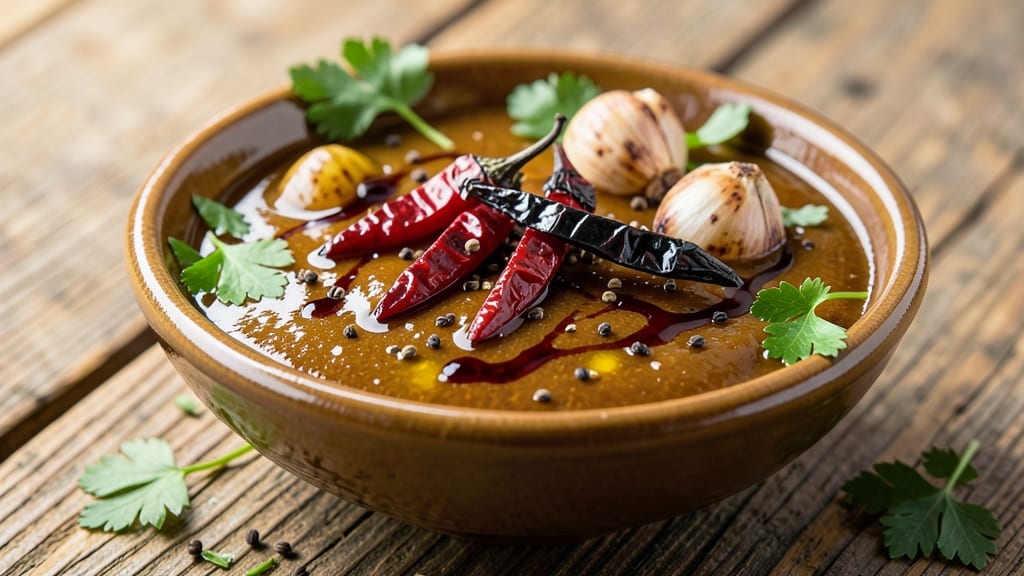
This Aleppo sauce recipe transforms fiery roasted peppers into a versatile, smoky condiment that elevates everything from grilled meats to roasted vegetables. The key lies in slow-roasting Aleppo peppers until their skins blister and deepen in color, unlocking layers of smoky-sweet complexity that define Middle Eastern cuisine.
Unlike store-bought versions, this homemade blend develops a rich, balanced heat that mellows beautifully over time.
The process is straightforward but requires patience: peppers roast in a hot oven until charred, then blend with garlic, olive oil, and a touch of vinegar to create a smooth, paste-like consistency.
What sets this sauce apart is its adaptability—use it as a marinade, drizzle it over hummus, or mix it into dressings for an instant flavor boost. The vinegar brightens the smoky depth while preserving the sauce for up to two weeks in the fridge or months in sterilized jars.
What makes this sauce truly special is how it transforms simple dishes into something extraordinary. The roasted peppers deliver a nuanced heat that lingers without overwhelming, while the garlic and olive oil base ensures each spoonful is silky and aromatic.
For an extra layer of brightness, finish with lemon zest or fresh herbs like parsley or mint—both elevate the sauce’s complexity without altering its core smoky character.
Whether you're prepping for a meal or stocking your pantry, this sauce is a game-changer for home cooks. Its bold flavor profile works in everything from dips to marinades, making it a staple for anyone who loves Middle Eastern flavors. Let’s get started—your taste buds will thank you.
Ingredients for aleppo sauce
Eight ingredients transform roasted peppers into a smoky, aromatic Middle Eastern condiment.
| Ingredient | Amount | Notes |
|---|---|---|
| Aleppo Peppers 🌶️ | 1 lb | Fresh, medium heat variety |
| Extra-Virgin Olive Oil 🫒 | ½ cup | High-quality, fruity variety |
| Garlic Cloves 🧄 | 4 cloves | Fresh, peeled, rough chopped |
| Red Wine Vinegar 🍷 | 2 tbsp | Dry, aged variety preferred |
| Salt 🧂 | 1 tsp | Diamond Crystal kosher salt |
| Ground Cumin 🌿 | ½ tsp | Toasted for deeper flavor |
| Smoked Paprika 🌶️ | ½ tsp | For extra smoky depth |
| Fresh Lemon Juice 🍋 | 1 tbsp | Brightens the sauce |
The Aleppo peppers are the heart of this sauce—look for fresh, vibrant ones at specialty markets or well-stocked grocery stores like Whole Foods or Trader Joe's. If you can't find them, Aleppo pepper flakes work in a pinch, though they lack the roasted depth. Toast the whole peppers in a 450°F oven until charred and blistered, about 20 minutes. The charring unlocks their smoky-sweet potential. For extra authenticity, Penzeys Spices carries high-quality Aleppo pepper flakes if you prefer convenience.
No fresh garlic? Garlic powder at half the amount works, but fresh is ideal—it adds a bright, aromatic punch. Running short on red wine vinegar? Apple cider vinegar keeps the tang but adds a subtle sweetness. The smoked paprika is non-negotiable for that signature smoky flavor, though regular paprika plus a pinch of liquid smoke can mimic it. For a smoother texture, blend the roasted peppers with the garlic first, then strain through a fine-mesh sieve before adding the remaining ingredients. The sauce should be silky, not grainy.
This sauce keeps beautifully—two weeks in the fridge in a sealed jar with a thin layer of olive oil on top to preserve freshness. For long-term storage, sterilize jars and freeze for up to six months. The flavors deepen over time, so it only gets better with age. Double the batch—you’ll want it on hand for everything from grilled meats to roasted veggies. A drizzle over hummus or a spoonful in marinades turns simple dishes into something extraordinary.
Why You'll Love This Recipe
- Five-Ingredient Magic: I swear by this—just peppers, oil, garlic, vinegar, and salt. No blender, no fancy gadgets, just a pan and 15 minutes. Honestly, the hardest part is deciding when to stop tasting.
- Sunshine in a Jar: That first bite of heat with a bright, tangy finish? It’s like summer in your mouth. The Aleppo peppers bring a warm, fruity depth, while the vinegar cuts through it just enough to make you reach for seconds.
- Weeknight Wonder: Drizzle it on grilled chicken, toss it with roasted veggies, or slather it on toast—it’s my go-to for when I’m too tired to think. Between us, it’s the sauce that saves dinner more times than I can count.
- Stays Fresh Forever: Make a big batch (I always do) and keep it in the fridge for weeks. The flavors only get better as it mellows, and a little goes a long way. Budget-friendly? Absolutely—this sauce costs pennies and stretches like crazy.
Step-by-step instructions for Aleppo sauce recipe
Transform simple ingredients into a vibrant, complex sauce that elevates every dish.
Roast the Aleppo Peppers for Depth
Preheat your oven to 425°F and line a baking sheet with parchment paper. Spread the 1 lb Aleppo peppers in a single layer, ensuring they don't overlap. Roast for 15-20 minutes until the skins blister and turn deep red with blackened spots—this is where the smoky, caramelized flavor develops.
Here's the thing—don't rush this step. The peppers should be soft enough to pierce with a fork but still hold their shape. If they're not charred enough, the sauce will lack that signature depth. Transfer the roasted peppers to a bowl and cover with a clean kitchen towel to steam for 10 minutes. This makes peeling effortless.
Blister the Garlic and Toast the Spices
While the peppers steam, heat 0.25 cup of the 0.5 cup extra-virgin olive oil in a dry skillet over medium heat. Add the 4 cloves rough-chopped garlic cloves and cook for 2-3 minutes until they're golden and fragrant, not browned. Remove them with a slotted spoon and set aside.
In the same skillet, add the remaining 0.25 cup extra-virgin olive oil and toast the 0.5 tsp ground cumin and 0.5 tsp smoked paprika for 30 seconds until aromatic. This step unlocks their full flavor potential—don't skip it. The spices should smell warm and earthy, not bitter.
Blend the Sauce to Silky Perfection
Peel the steamed peppers by rubbing them between your palms or using your fingers to remove the charred skins. Transfer them to a food processor along with the toasted garlic, toasted spices, and 2 tbsp red wine vinegar. Pulse until coarsely chopped, then add the 1 tsp salt and 1 tbsp fresh lemon juice.
With the processor running, slowly drizzle in the remaining 0.5 cup extra-virgin olive oil until the mixture becomes smooth and velvety. Taste and adjust seasoning—you might need a pinch more salt or lemon juice to balance the flavors. The sauce should be bright, slightly tangy, and complex with layers of heat.
Rest and Refine the Texture
Transfer the sauce to a clean jar and let it rest at room temperature for 30 minutes. This allows the flavors to meld and the texture to thicken slightly. If the sauce separates, simply stir it vigorously before use—it should come together smoothly.
Your aleppo sauce is now ready to transform dishes. Use it as a marinade, drizzle over grilled meats, or mix into yogurt for a bold dip. The key to its versatility lies in its balance—smoky, tangy, and just sweet enough from the roasted peppers. Store any leftovers in the refrigerator for up to 2 weeks or freeze for 3 months.
Pro Tips For Making Aleppo Sauce
- Toast the Peppers: Heat your dry Aleppo peppers in a skillet over medium-low for 2-3 minutes before grinding—just until they smell fragrant and slightly charred. I learned this the hard way: skipping this step makes the sauce taste flat and one-dimensional. The slight bitterness from toasting balances the sweetness later.
- Use Cold Garlic: Add your minced garlic cloves to the olive oil after the peppers have cooked down and lost their initial bite—about 5 minutes in. Cold garlic releases its flavor more evenly and won’t scorch before the sauce finishes. (Yes, even if you’re impatient like me.)
- Salt in Stages: Taste the raw peppers before grinding and add a pinch of salt—it mellows their sharpness right away. Then, finish with another pinch at the end, after the vinegar. This prevents a harsh, metallic aftertaste that ruins the bright, balanced profile.
- Simmer, Don’t Boil: Keep the sauce at a gentle simmer (tiny bubbles, just breaking the surface) for 10-12 minutes. Boiling burns the olive oil and turns the vinegar harsh. I used to rush this, and the sauce always tasted bitter—now I set a timer and walk away.
Creative variations of this recipe
Smoky-Sweet Variations
For a deeper smoky profile, add 1 tsp liquid smoke to the blended sauce or swap smoked paprika for 1 tsp chipotle powder—this adds a subtle heat and complexity.
I’ve found that 1 tbsp honey or maple syrup (instead of lemon juice) brings out the caramelized sweetness of the roasted peppers, balancing the heat beautifully. 🌶️
Herb-Infused Twists
Fresh herbs elevate this sauce to restaurant-quality. Stir in 1 tbsp finely chopped fresh parsley or mint just before serving for a bright, aromatic finish. For a Mediterranean twist, add 1 tsp dried oregano or thyme during the blending step—these herbs complement the smoky-sweet base without overpowering it.
Store herbs separately to preserve their freshness.
Spicy Heat Levels
Adjust the heat to your preference: for mild heat, reduce the Aleppo peppers to ½ lb and add 1 tsp sweet paprika instead of smoked. For extra heat, blend in 1 tsp cayenne pepper or red pepper flakes during the final blending step.
I like to keep a small jar of the spicy version on hand for grilled meats or spicy dips. 🔥
Global Fusion Adaptations
Transform this sauce into a Middle Eastern-inspired aioli by blending it with ½ cup mayonnaise and 1 tsp Dijon mustard. For a North African twist, stir in 1 tsp ground coriander and ½ tsp cinnamon—this adds warmth and earthiness that pairs perfectly with lamb or grilled vegetables.
The sauce’s versatility makes it a blank canvas for global flavors.
Sweet and Tangy Balance
Brighten the sauce with 1 tbsp pomegranate molasses or orange zest for a sweet-tangy contrast. This works especially well when drizzled over roasted vegetables or grilled halloumi. For a creamy version, mix the sauce with ¼ cup Greek yogurt—this creates a dip perfect for pita chips or fresh veggies.
The tangy-sweet balance makes it irresistible. 💫
Storage Hacks for Versatility
Divide the sauce into small jars or silicone molds for easy portioning. Freeze individual servings in ice cube trays for quick marinades or flavor boosts. To preserve freshness, always store with a thin layer of olive oil on top.
I keep a batch in the fridge at all times—it’s the secret weapon in my cooking arsenal. ✨
Nutrition facts
Frequently asked questions
Can I substitute Aleppo peppers with other types?
Yes, but the flavor will differ. For a similar heat level, use 1 lb red bell peppers (roasted until charred) or 1 lb jalapeños (seeds removed). However, Aleppo peppers have a unique smoky-sweet profile that's hard to replicate. For a milder option, try roasted red peppers from a jar—just add an extra ½ tsp smoked paprika to boost depth.
How do I adjust the heat level?
The recipe balances heat naturally, but you can modify it easily. For milder heat, reduce Aleppo peppers to ½ lb and add 1 tsp sweet paprika. For extra spice, blend in ½ tsp cayenne pepper or red pepper flakes during the final step. Always taste as you go!
Can I make this sauce without a food processor?
Use a mortar and pestle for a rustic texture. Roast and peel the peppers, then mash them with garlic, spices, and vinegar. Gradually whisk in olive oil until smooth. The texture will be slightly chunkier but still delicious. This method works especially well for small batches.
What are the best ways to use leftover sauce?
This sauce is incredibly versatile! Use it as a marinade for grilled meats, stir into hummus or yogurt for dips, or drizzle over roasted vegetables. Mix 1 tbsp into salad dressings or spread it on toast with feta cheese. Even a spoonful in soups or stews adds amazing depth. The possibilities are endless!
Why does my sauce separate?
Separation happens when oil and water-based ingredients aren't properly emulsified. Stir vigorously before using, or blend briefly with a splash of water to recombine. For prevention, ensure all ingredients are at room temperature before blending. The sauce should thicken slightly when rested—this is normal!