
Sauces & Condiments
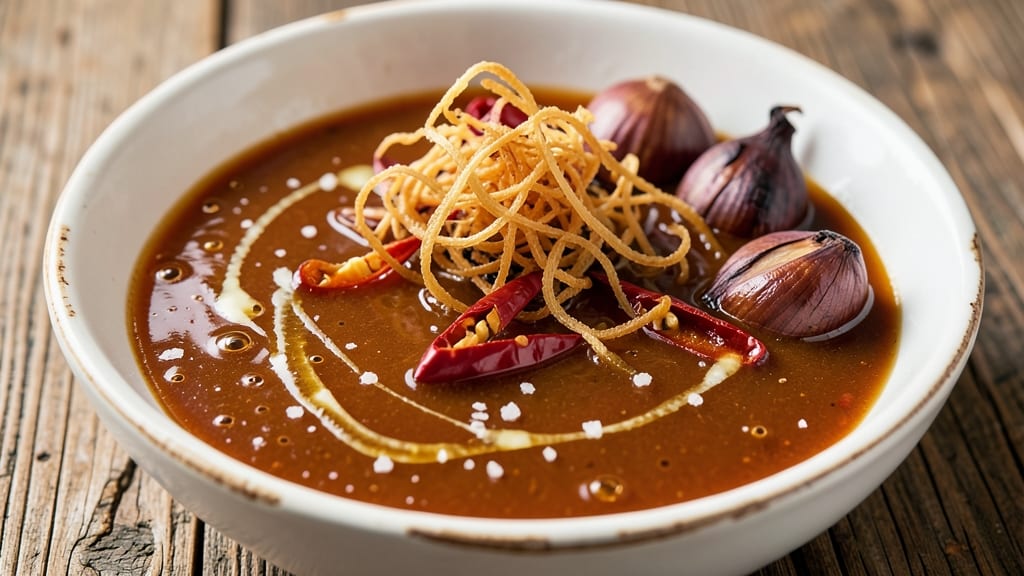
This smoky chipotle-tomato asado siopao sauce transforms simple siopao into irresistible, sticky bites with every bite. 🔥 The secret lies in balancing sweet soy, tangy vinegar, and smoky chipotle—creating a glaze that caramelizes beautifully for dipping or brushing.
I developed this sauce after years of experimenting with Filipino street food flavors, and it’s now my go-to for adding depth to any siopao dish.
The sauce starts with a simple simmer of tomatoes, garlic, and soy sauce, then builds layers of complexity with brown sugar, vinegar, and a touch of heat from chipotle peppers.
Reducing it to a thick, glossy consistency ensures it clings perfectly to crispy siopao, enhancing their texture without overwhelming the dish. What makes this sauce special is its versatility—it works as a dipping sauce, a glaze for roasted meats, or even a marinade for extra flavor.
What you’ll end up with is a sauce that’s rich, slightly sweet, and deeply smoky, with just the right amount of tang to cut through the richness. The caramelized edges on your siopao will be irresistible, and the sauce will keep them juicy and flavorful.
This isn’t just a sauce—it’s the key to turning ordinary siopao into something extraordinary.
Perfect for dipping, glazing, or drizzling, this sauce elevates any dish it touches. Whether you’re serving siopao for a casual gathering or a festive meal, this recipe ensures every bite is packed with flavor. Ready to take your siopao to the next level? Let’s get started.
Ingredients for asado siopao sauce
Nine simple ingredients balance smoky, sweet, and tangy flavors for irresistible siopao sauce.
| Ingredient | Amount | Notes |
|---|---|---|
| Canned Tomato Sauce 🍅 | 1 ½ cups | San Marzano preferred for sweetness |
| Light Soy Sauce 🥢 | ½ cup | Kikkoman or similar brand |
| Brown Sugar 🍚 | ½ cup | Packed lightly, no substitutions |
| White Vinegar 🍶 | ¼ cup | Distilled or apple cider |
| Chipotle Peppers in Adobo 🌶️ | 2 whole | Mild or hot, finely chopped |
| Garlic Cloves 🧄 | 5 cloves | Minced, not powdered |
| Extra-Virgin Olive Oil 🫒 | 2 tbsp | For richness, not cooking |
| Salt 🧂 | 1 tsp | Diamond Crystal preferred |
| Black Pepper 🌶️ | ½ tsp | Freshly ground for heat |
| Water 💧 | ½ cup | For thinning if needed |
The chipotle peppers are the heart of this sauce—look for canned in adobo sauce at any Latin market or the international aisle. Trader Joe's and Whole Foods usually carry them, but if you can't find them, smoked paprika at half the amount works in a pinch. The tomato sauce should be San Marzano if possible—it's sweeter and less acidic, which keeps the sauce from getting too sharp. Brown sugar is non-negotiable here; it caramelizes beautifully and balances the tang. If you're using light soy sauce, Kikkoman is the standard, but any good-quality brand will do.
No chipotle peppers? Smoked paprika or chipotle powder at half the amount gets you close, but you'll lose some of that deep, smoky complexity. Vinegar can be swapped for rice vinegar or lime juice, though white vinegar gives the classic tang. The garlic is essential—freshly minced makes all the difference over powder. If you're making this ahead, reduce it further for a thicker consistency, but keep a little water on hand to thin it out if it gets too stiff. The olive oil adds richness without cooking—just stir it in at the end.
This sauce keeps beautifully for 1 month in the fridge in an airtight container. It actually tastes better the next day once the flavors meld. For long-term storage, freeze in ice cube trays—just thaw and reheat for perfect consistency. If you make extra, use it on grilled meats or roasted veggies—it’s that versatile. Just don’t skip the final taste check; adjust salt or vinegar as needed before serving.
Why You'll Love This Recipe
- Pantry Magic: I swear by this sauce because it’s made with things I already have—no special trips to the store. Open a can of tomatoes, crack open the soy sauce, and boom—you’re halfway there. The chipotle peppers in adobo add that smoky kick without needing fresh peppers or fancy prep.
- Sweet-Savory Bomb: That perfect balance of tangy vinegar, caramelized brown sugar, and smoky chipotle? It’s like a flavor party in your mouth. Drizzle it on siopao, toss it with rice, or even use it as a dipping sauce—it’s always a crowd-pleaser.
- Weeknight Superhero: Between us, this sauce is my secret weapon for busy nights. Simmer it while you prep dinner, and it’s ready when you are. Plus, it doubles easily, so I make extra and stash it in the fridge for lazy days or last-minute takeout cravings.
- Budget-Friendly Flex: Honestly, this recipe won’t break the bank. A few cents’ worth of ingredients stretch into multiple meals, and the leftovers? Even better the next day. It’s the kind of sauce that makes you feel like you’re eating gourmet without the grocery bill.
Step-by-step instructions for asado siopao sauce
Here's how to balance smoky heat with sweet tang for that iconic siopao glaze.
🍳 Step 1: Bloom the Chipotle in Olive Oil
Heat the 2 tablespoons extra-virgin olive oil in a medium saucepan over medium-low heat. Add the 2 whole chipotle peppers in adobo, finely chopped (remove seeds for mild heat), and cook for 2-3 minutes until fragrant. This step develops their smoky depth without burning them—watch for the oil to shimmer but not smoke.
The adobo sauce adds natural acidity that balances the sweetness later. If using hot chipotles, reduce cooking time to 1 minute to preserve their intensity. Keep the heat gentle; charred peppers will make the sauce bitter.
🍳 Step 2: Sauté Garlic Until Golden
Add the 5 minced garlic cloves and cook for 1-2 minutes until they turn golden brown and smell irresistible. Be patient—garlic burns quickly, and you want that nutty aroma, not acrid smoke. If the oil splutters too much, reduce heat slightly but don't walk away.
Here's the thing—this is where the sauce's aromatic foundation builds. The garlic should coat the chipotles completely, creating a paste-like texture. If it sticks, add a splash of the 0.5 cup water to deglaze, but save most for later.
🍳 Step 3: Combine Wet Ingredients
Pour in the 1.5 cups canned tomato sauce, 0.5 cup light soy sauce, 0.5 cup brown sugar, and 0.25 cup white vinegar. Stir well to incorporate, then bring to a gentle simmer over medium heat. Let it cook uncovered for 8-10 minutes, stirring occasionally, until slightly thickened and reduced by about 20%.
You'll notice the sauce darken and develop a glossy sheen—that's the sugar caramelizing and the vinegar cutting through the richness. Taste at this stage: it should be tangy-sweet with a hint of smokiness. If it's too thin, proceed to Step 4; if too thick, add 1 tablespoon water now.
⏰ Step 4: Simmer and Balance Flavors
Add the 1 teaspoon salt and 0.5 teaspoon black pepper, then simmer uncovered for another 5-7 minutes until the sauce reaches your desired consistency. For siopao, it should coat the back of a spoon but still be pourable. If needed, add the remaining 0.5 cup water in 1-tablespoon increments until smooth.
This is the moment that matters: balance is key. The sauce should sing with equal parts sweet, smoky, salty, and tangy. If it tastes too sweet, add a splash more vinegar. Too thin? Simmer longer without water. Too sharp? A pinch of sugar helps. Trust your taste buds—there's no "perfect" ratio, just what works for your palate.
🥘 Step 5: Strain and Cool
Transfer the sauce to a blender or use an immersion blender to purée until smooth. For ultra-silky texture, strain through a fine-mesh sieve to remove any chipotle skins or garlic bits. Return to the saucepan and let cool to room temperature—this thickens it further as it sits.
Real talk: the sauce will continue thickening as it cools, so don't over-thin it now. If you're glazing siopao, you can use it immediately, but for best results, refrigerate for at least 1 hour before using. The flavors meld beautifully overnight, making it even more complex.
Pro Tips For Making Asado Siopao Sauce
- Simmer Slow and Low: I learned this the hard way—boiling this sauce on high heat turns it thin and bitter. Keep it at a gentle simmer (small bubbles, occasional swirls) for at least 20 minutes. The chipotles need time to soften and release their smoky depth without burning.
- Strain the Adobo Oil: That chipotle adobo sauce is where the flavor hides, but the oil can make your sauce greasy. After blending the chipotles, pour the mixture through a fine-mesh strainer to catch the peppers and seeds, then use just the strained liquid. Your sauce will be smoother and less heavy—trust me, it matters.
- Balance the Sweet and Tang: Brown sugar and vinegar are a power couple, but skip measuring them by the spoonful. Start with half the recipe’s called-for amount, taste, then adjust. Too sweet? Add a splash more vinegar. Too sharp? Stir in a pinch more sugar. This sauce needs to dance, not shout.
- Use a Splatter Screen: When you’re stirring in the vinegar, expect a mini explosion. I used to flinch every time—now I just pop a splatter screen on my pot. It’s cheap, saves your cabinets, and keeps you from cursing mid-cook. (Yes, even if you’re impatient like me.)
Pro cooking tips for great asado siopao sauce
Heat Control Mastery
Start with medium-low heat when blooming the chipotle in olive oil—this prevents burning and preserves their deep, smoky flavor. If using hot chipotles, reduce time to 1 minute to avoid bitterness.
The oil should shimmer but never smoke—this is your cue to keep the heat gentle. I’ve ruined sauces before by rushing this step, so take your time here. 🌡️
Garlic Timing Secrets
Golden garlic makes all the difference—cook the 5 minced cloves for 1-2 minutes until fragrant but not browned. If your pan is too hot, the garlic will burn and turn acrid.
A quick fix: lower heat slightly or add 1 tablespoon water to deglaze. The goal is a nutty aroma, not smoke. Trust me, this is where the sauce’s depth comes from.
Reduction Precision
Simmer the sauce uncovered for 8-10 minutes until reduced by 20%. This step caramelizes the sugar and deepens the flavors. If it’s too thin, simmer longer—don’t rush. For extra thickness, reduce to 5-7 minutes after adding salt and pepper.
Taste as you go: the sauce should coat the back of a spoon but still be pourable. Patience here ensures the perfect consistency.
Balancing Act
Taste the sauce at every stage—balance is key. Too sweet? Add 1 tablespoon vinegar. Too sharp? A pinch of sugar helps. The ideal ratio is equal parts sweet, smoky, salty, and tangy.
I’ve learned the hard way that skipping this step leads to an unbalanced sauce. Adjust gradually—you can always add more, but you can’t take it out.
Straining for Smoothness
For a silky texture, strain the sauce through a fine-mesh sieve to remove chipotle skins and garlic bits. If you skip this, you’ll get a slightly grainy texture. Let the sauce cool to room temperature—it thickens further as it sits.
This is why I always make it ahead: the flavors meld overnight, and the consistency improves dramatically. 💫
Storage Hacks
Store in an airtight container in the fridge for up to 1 month. For long-term storage, freeze in ice cube trays—thaw and reheat gently for perfect consistency.
The sauce actually tastes better after resting, so don’t hesitate to make extra. I’ve used leftover sauce on grilled meats and roasted veggies—it’s that versatile.
Nutrition facts
Frequently asked questions
Can I make this sauce without chipotle peppers?
Yes! For a milder version, replace the chipotle with 1 teaspoon smoked paprika or chipotle powder plus ½ teaspoon cayenne for heat. The smoky depth will be less intense but still delicious. For a sweeter alternative, use ½ teaspoon cinnamon instead, though the flavor profile will shift slightly.
How spicy should the sauce be?
The recipe balances smoky heat with sweetness—adjustable to your taste. For mild heat, remove chipotle seeds and reduce cooking time to 1 minute. For extra kick, add ½ teaspoon cayenne pepper or leave seeds in. The sauce should complement, not overpower, the siopao's flavor.
Can I use this sauce for other dishes?
This versatile sauce works as a glaze for grilled meats, a dip for spring rolls, or a marinade for tofu. It’s also fantastic drizzled over roasted vegetables or noodles. The smoky-sweet profile pairs well with almost any savory dish. Just thin with water if needed for dipping.
Why did my sauce turn out too thin?
Sauce consistency depends on simmering time. If it’s too thin, simmer uncovered for 5-10 more minutes to reduce further. Avoid adding flour or cornstarch—it alters the flavor. For next time, taste earlier and reduce longer. The sauce thickens as it cools, so patience is key!
How do I store leftover sauce?
Store in an airtight container in the fridge for up to 1 month. For long-term storage, freeze in ice cube trays—thaw and reheat gently. The sauce tastes even better after resting as flavors meld. Label clearly to avoid freezer burn!