
Sauces & Condiments
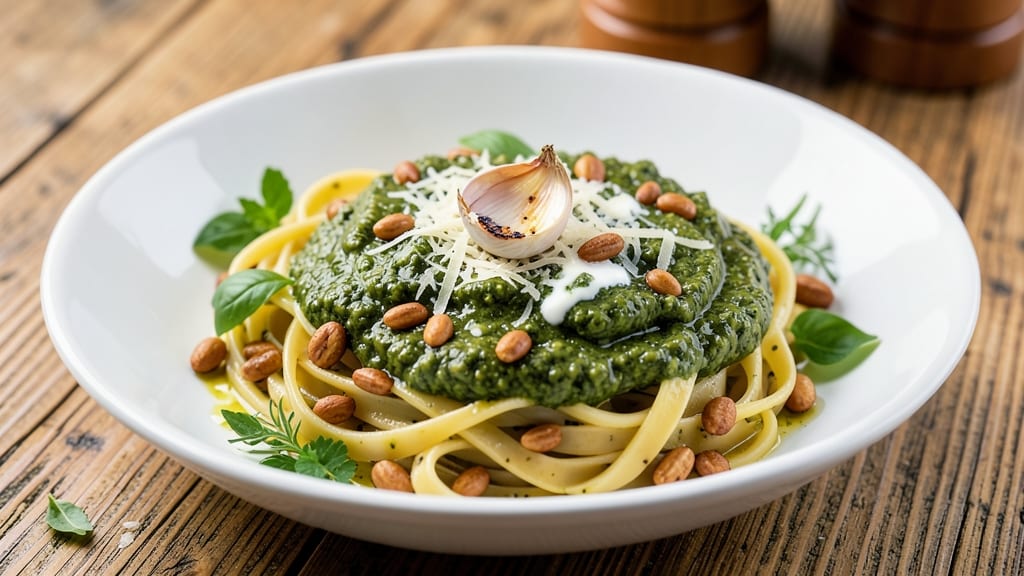
This Aldi pesto sauce recipe delivers restaurant-quality freshness using budget-friendly ingredients you already have. The secret lies in balancing vibrant basil, toasted pine nuts, and sharp Parmesan with just the right amount of olive oil for a silky-smooth texture that clings perfectly to pasta, sandwiches, or even grilled chicken.
I developed this version after realizing store-bought pesto never quite captures that bright, herby freshness—until now.
The beauty of this recipe is its simplicity: just five core ingredients combine in minutes to create a sauce that's richer than traditional pesto but still light enough to dress up salads or drizzle over soups.
What sets it apart is the creamy element—adding a touch of heavy cream or Greek yogurt transforms it from basic pesto to a luxurious sauce that feels special without requiring fancy ingredients.
The pine nuts toast quickly in the food processor, releasing their nutty aroma while keeping the texture delightfully crunchy.
What you'll end up with is a vibrant green sauce that's packed with fresh basil flavor but smooth enough to spread on bruschetta or fold into soups.
The Parmesan adds depth, while the olive oil binds everything together into a velvety consistency that's perfect for tossing with hot pasta or using as a dip for crusty bread.
This sauce stays fresh in the refrigerator for up to five days, or you can freeze it for longer storage—just thaw in the fridge before using.
Use it as a pasta sauce, sandwich spread, or dip for vegetables—each application brings out different qualities of the sauce. The bright acidity cuts through rich dishes, while the nutty pine nuts add satisfying texture.
Whether you're feeding a family or meal prepping for the week, this pesto sauce delivers professional results with simple ingredients and minimal effort.
Ingredients for aldi pesto sauce
Five simple ingredients transform into Aldi's most luxurious pesto in minutes.
| Ingredient | Amount | Notes |
|---|---|---|
| Fresh Basil Leaves 🌿 | 2 cups | Packed, stems removed |
| Pine Nuts 🥜 | ½ cup | Toasted for nutty aroma |
| Parmesan Cheese 🧀 | ¾ cup | Freshly grated from block |
| Extra-Virgin Olive Oil 🫒 | ¾ cup | High-quality, fruity variety |
| Heavy Cream 🥛 | ¼ cup | Full-fat for richness |
| Garlic Cloves 🧄 | 2 cloves | Peeled, roughly chopped |
| Lemon Juice 🍋 | 1 tbsp | Freshly squeezed |
| Salt 🧂 | ½ tsp | Diamond Crystal preferred |
| Black Pepper 🌶️ | ¼ tsp | Freshly ground |
The basil is non-negotiable here—Aldi's fresh basil works perfectly, but if you've got a farmers market nearby, grab the brightest green leaves you can find. Pine nuts are the star of this sauce, so buy them pre-toasted from Aldi if possible—they toast faster and release more flavor. For Parmesan, skip the pre-grated kind—it's full of anti-caking agents that make the sauce grainy. Grab a wedge and grate it yourself. The olive oil should be extra-virgin—Aldi's Simply Nature brand is a great budget-friendly option that still delivers great flavor.
No pine nuts? Walnuts or cashews work in a pinch, but they'll change the texture slightly. Short on basil? Fresh parsley at half the amount keeps the green color while adding a milder flavor. The heavy cream can be swapped for Greek yogurt if you prefer a tangier sauce. For extra richness, add 1 tablespoon of vegan butter if making a dairy-free version. The lemon juice is key for brightness—bottled lemon juice works if fresh isn't available, but you'll lose some of that vibrant pop.
This sauce keeps beautifully in the fridge for 5-7 days if stored in an airtight container with a thin layer of olive oil on top. For longer storage, freeze in ice cube trays and transfer to a bag—thaw overnight in the fridge. The pine nuts stay crunchy when properly stored, but if they soften, just toast them again in a dry pan for 2-3 minutes. This sauce is incredibly versatile—use it on hot pasta within 2 minutes of cooking for the best texture, or let it cool completely before refrigerating for other uses.
Why You'll Love This Recipe
- No-Fuss Freshness: I grab a handful of basil from the garden, toss it in the food processor with pine nuts and parmesan—no wilting, no prepping. The heavy cream and olive oil blend in seconds, and honestly? That first taste makes me forget I skipped lunch.
- Creamy Green Magic: The heavy cream smooths out the bright basil and nutty pine nuts while the parmesan adds a sharp, salty punch. It’s like a hug for your taste buds—rich but not heavy, herby but not overpowering. (Yes, even on a Tuesday night.)
- Pasta Party Starter: This sauce turns spaghetti into a showstopper, but it’s also my secret weapon for chicken, fish, or even grilled veggies. I’ve drizzled it over roasted potatoes and called it a meal—no one ever complains.
- Lasts All Week: A jar in the fridge keeps for days, and the flavors only deepen. I make a big batch on Sundays, freeze half, and still have leftovers for salads or sandwiches by Friday. Budget win? Absolutely. Time win? Even better.
Step-by-step instructions for Aldi pesto sauce recipe
Here's how to make a vibrant, restaurant-quality pesto that's ready in minutes.
Toast the Pine Nuts for Maximum Flavor
Heat a dry skillet over medium heat and add the 0.5 cup pine nuts. Toast them for 3-4 minutes, stirring constantly, until they turn a light golden brown and release their nutty aroma. This step is crucial—raw pine nuts can taste bitter, while properly toasted nuts add depth and richness to the pesto.
Watch them carefully—they burn quickly. As soon as they're fragrant and evenly colored, remove them from the pan and let them cool for 2 minutes. This cooling period prevents the nuts from continuing to cook when you add them to the basil, which could make the pesto taste stale.
Pulse the Basil, Nuts, and Cheese
In a food processor, combine the 2 cups fresh basil leaves, toasted pine nuts, and 0.75 cup Parmesan Cheese. Pulse for 5-6 seconds until the mixture is finely chopped but still slightly textured. Over-processing turns pesto into a paste—you want visible flecks of basil and nuts for texture and visual appeal.
Scrape down the sides of the processor bowl with a spatula to ensure all ingredients are evenly incorporated. This step ensures the basil's vibrant green color is distributed throughout the mixture, giving your pesto that classic, inviting appearance.
Stream in Olive Oil and Garlic
With the food processor running, slowly drizzle in the 0.75 cup extra-virgin olive oil through the feed tube. This gradual addition prevents the mixture from becoming too thick and ensures the oil emulsifies smoothly with the other ingredients. Add the 2 cloves garlic cloves and pulse for 2-3 seconds to combine.
The olive oil is the heart of your pesto—its quality directly impacts the final flavor. Use a high-quality, fruity variety to avoid a flat or bitter taste. The garlic should be just barely noticeable, adding a subtle depth rather than overpowering the basil.
Finish with Cream and Seasonings
Transfer the pesto mixture to a bowl and stir in the 0.25 cup heavy cream, 1 tablespoon lemon juice, 0.5 teaspoon salt, and 0.25 teaspoon black pepper. Taste and adjust seasoning if needed—you might want to add a pinch more salt or lemon juice to balance the flavors. The cream adds a luxurious richness, while the lemon brightens the entire sauce.
This is where the pesto comes together. The cream should blend smoothly, giving the sauce a velvety texture, while the lemon juice cuts through the richness of the cheese and nuts. The seasonings should be perfectly balanced—salty, peppery, and tangy with a touch of garlic.
Adjust Consistency and Serve Immediately
Taste the pesto and adjust the consistency by adding a splash of water or a drizzle of olive oil as needed. It should be thick enough to coat the back of a spoon but still spreadable. If it's too thick, add 1 teaspoon water at a time; if too thin, add 1 teaspoon olive oil.
Serve the pesto immediately over pasta, drizzled on bruschetta, or as a dip for crusty bread. The freshness of the basil and the richness of the cream make this pesto best enjoyed right away, though it can be stored in an airtight container in the refrigerator for up to 3 days. For the best texture and flavor, use it within 24 hours.
Pro Tips For Making Aldi Pesto Sauce
- PULSE THE BASIL: The second you add basil to the food processor, pulse it in 2-second bursts instead of dumping everything in at once. I learned this the hard way—over-processing turns basil into a sad, watery sludge instead of bright, chunky goodness. You want visible flecks, not a green paste.
- TOAST THE PINE NUTS: Skip the raw pine nuts—toss them in a dry pan over medium heat for 2-3 minutes until they’re fragrant and just golden. They’ll add depth to the sauce, and the extra effort prevents that bitter aftertaste that sneaks in when you’re lazy. (Yes, even if you’re impatient like me.)
- GRATE THE PARMESAN FRESH: Pre-shredded Parmesan? Ditch it. Freshly grated cheese melts better and doesn’t clump like a science experiment gone wrong. Use the large holes on a box grater—it’s faster than you’d think, and the texture stays sharp in the sauce. Trust me, your pesto will taste like it came from a Tuscan kitchen, not a can.
- EMULSIFY THE CREAM LAST: Add the heavy cream after you’ve pulsed the basil, nuts, and cheese into a thick paste. Then, drizzle in the olive oil while the motor’s running—this keeps the sauce silky, not broken. I used to mix everything together at once, and half the time, it separated like a sad salad dressing.
Make-ahead tips for aldi pesto sauce
Fridge Storage Secrets
Transfer your freshly made pesto to an airtight glass container—I prefer Mason jars—and press a thin layer of extra-virgin olive oil (about ¼ inch) on top. This oil barrier prevents oxidation and keeps the basil vibrant for up to 5 days in the fridge.
Store it in the coldest part of your refrigerator, not the door, where temperature fluctuations occur. 💫
Freezer Cube Prep
For longer storage, freeze pesto in ice cube trays—each cube equals about 1 tablespoon. Once frozen, transfer cubes to a ziplock freezer bag with all air removed. These thaw perfectly in 2-3 hours in the fridge, ready for immediate use.
The texture remains intact, though pine nuts may lose some crunch. Toast them fresh after thawing for maximum flavor.
Thawing Like a Pro
Never microwave pesto—it destroys the basil's delicate flavor. Instead, move the frozen cubes to the fridge overnight for even thawing. If you're in a hurry, place the sealed bag in a bowl of cool water for 10 minutes, changing the water every 2 minutes.
This method preserves texture while gently warming the sauce. Always stir well after thawing to redistribute any separated oil.
Reviving Stale Pesto
If your pesto tastes dull after storage, revive it by adding 1 teaspoon fresh lemon juice and 1 tablespoon olive oil. Pulse briefly in a food processor to re-emulsify, then taste and adjust seasoning.
The acidity and fat will refresh the flavors, making it taste almost as good as fresh. Store again immediately to prevent further oxidation. ✨
Batch Prep Strategy
Make double batches when you have fresh basil—this sauce is perfect for meal prep. Divide into two airtight containers: one for immediate use, one for freezing. Label containers with the date and "pesto" in bold marker.
I keep one batch in the fridge for weeknight pasta nights and freeze the other for summer BBQs or holiday appetizers. 🌿
Portion Control Tips
Use 1 tablespoon per serving as a pasta topping, 2 tablespoons for sandwich spreads, and 3 tablespoons for dips. For meal prep, portion into small containers (like 4-ounce jars) so you can grab exactly what you need without thawing the whole batch.
This prevents waste and keeps your pesto tasting fresh every time. 💡
Nutrition facts
Frequently asked questions
Can I make this pesto without pine nuts?
Swap pine nuts for walnuts or cashews (toasted first) for a similar texture, though the flavor will be nuttier. For a budget-friendly option, use sunflower seeds—they add crunch without the high cost. Just toast them well to prevent bitterness.
How do I keep my pesto green and fresh longer?
Store it in an airtight glass jar with a thin layer of olive oil on top to prevent oxidation. Keep it in the fridge for up to 5 days or freeze in ice cube trays for longer storage. Avoid metal containers—they can react with the acidity.
Can I use this pesto on non-Italian dishes?
Definitely! This creamy pesto works beautifully on grilled chicken, fish tacos, or as a dip for veggie sticks. Try it in sandwiches (like a pesto panini) or as a marinade for tofu or shrimp. The lemon and garlic add brightness to any dish.
Why did my pesto turn brown or separate?
Brown pesto usually means the basil oxidized—store it with olive oil on top next time. Separation happens when fats and liquids split; stir in 1 tablespoon olive oil and pulse briefly to re-emulsify. Always use fresh ingredients and avoid overheating the nuts.
What’s the best way to reheat leftover pesto?
Never microwave—it kills the basil flavor. Instead, gently warm in a saucepan over low heat for 1-2 minutes while stirring constantly. For frozen pesto, thaw in the fridge overnight. Add a splash of water or olive oil if it thickens too much.