
Sauces & Condiments
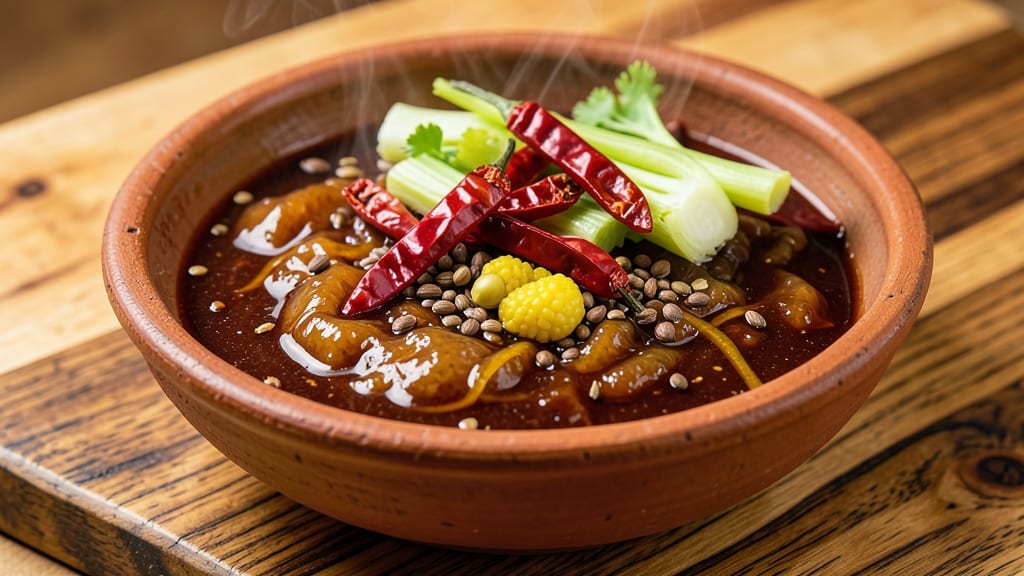
This achari sauce recipe delivers the bold, tangy-sweet-spicy balance that defines South Indian cuisine—where smoky dried chilies and tamarind create a sauce that transforms everything it touches.
The secret lies in slow-cooking the spices until they release their aromatic oils, then blending them into a silky paste that clings to grilled meats, fried vegetables, or even rice.
I've perfected this version to maintain authenticity while making it approachable for home cooks, using simple techniques that yield restaurant-quality results every time.
The foundation begins with dried red chilies and tamarind, which form the sauce's signature tangy backbone. Toasted spices like coriander and cumin add depth, while a touch of vinegar brightens the final blend.
Unlike many shortcut versions, this recipe builds flavor gradually through dry-roasting and simmering—critical steps that create that unmistakable smoky complexity. The celery crown (or shallot) adds a subtle sweetness that balances the heat, while a splash of coconut oil at the end ties everything together into a velvety, clingy sauce.
What makes achari sauce truly versatile is its ability to elevate any dish it touches. Use it as a marinade for grilled chicken or fish, a dip for crispy fritters, or a side sauce for dosas and idlis.
The sauce keeps well in the refrigerator for up to two weeks, with flavors deepening over time—making it perfect for batch cooking. Each spoonful delivers layers of umami, acidity, and heat that transform simple meals into something extraordinary.
For modern cooks, the key is patience. Rushing the spice toasting or blending will dilute the sauce's depth, but taking the time ensures every bite delivers that authentic South Indian punch. Let the flavors meld during simmering, and don't skimp on the tamarind—its tartness is the soul of this sauce.
Once mastered, you'll reach for this recipe anytime you crave bold, complex flavors that cut through rich dishes with precision.
Ingredients for achari sauce
Nine essential ingredients crafting South India's boldest sauce—smoky, tangy, and endlessly versatile.
| Ingredient | Amount | Notes |
|---|---|---|
| Dried Red Chilies 🌶️ | ¼ cup | Whole, medium heat level |
| Tamarind Paste 🍈 | ½ cup | Unrefined, block preferred |
| Celery Crown 🧅 | 1 whole | Or 2 shallots, chopped |
| Coriander Seeds 🌿 | 2 tbsp | Toasted for aroma |
| Cumin Seeds 🌿 | 1 tbsp | Toasted until fragrant |
| Mustard Seeds 🌿 | 1 tsp | Optional for extra depth |
| Medium Tomatoes 🍅 | 2 whole | Ripe, skin-on preferred |
| White Vinegar 💧 | 1 tbsp | For brightness |
| Coconut Oil 🫒 | ¼ cup | For finishing |
| Salt 🧂 | 1 tsp | Adjust to taste |
| Asafoetida Powder 🌶️ | ¼ tsp | Optional for umami |
The dried chilies and tamarind are non-negotiable for authentic flavor. Whole dried chilies from Indian markets or bulk spice shops deliver the best complexity—avoid pre-ground powders. Tamarind blocks (not paste) yield superior texture and tartness. Toast your coriander and cumin seeds in a dry pan until fragrant—this releases their aromatic oils that form the sauce's base. Whole Foods or Indian grocery stores carry the best quality tamarind blocks and whole spices. For celery crown, use the leafy top (about 1 cup chopped) for subtle sweetness—shallots work perfectly if unavailable.
No tamarind blocks? Substitute 3 tbsp tamarind paste plus 1 tsp sugar to mimic depth. Short on tomatoes? 2 tbsp tomato paste works in a pinch. Vinegar can be swapped for lemon juice at half the amount. The asafoetida (hing) is optional but adds that signature South Indian umami—Penzeys sells it in tiny bottles that last forever. For extra smokiness, add 1/4 tsp smoked paprika to the spice mix. Always toast spices until they smell heavenly—this step makes or breaks the sauce's complexity.
Store in a clean glass jar with a tight seal. Keeps 2 weeks in the fridge, with flavors deepening over time. Freezes beautifully for 6 months—portion into ice cube trays before transferring to a bag. The sauce thickens when chilled, so stir before using. This makes about 1.5 cups—double the batch if you're prepping for the week. The celery crown can be prepped ahead and stored in the freezer for 3 months.
Why You'll Love This Recipe
- I use it on everything: scrambled eggs for breakfast, grilled fish for dinner, even as a marinade. It’s the one sauce that turns simple meals into something special without extra effort.
- Pantry Magic: I swear by this sauce because it’s made with things I already have—no last-minute grocery runs. Just dried chilies, tamarind, and a few seeds, and suddenly my rice or dosa tastes like a restaurant’s secret.
- Tangy Heat Balance: That tamarind paste and celery crown give it a bright, sour kick that lingers, while the coriander and cumin ground it out. It’s the kind of flavor that makes you pause mid-bite—wait, is this really homemade?
- Weeknight Workhorse: I use it on everything: scrambled eggs for breakfast, grilled fish for dinner, even as a marinade. It’s the one sauce that turns simple meals into something special without extra effort.
Step-by-step instructions for achari sauce
This smoky, tangy sauce builds layer by layer—each step unlocks deeper flavor complexity.
Toast the Spices for Maximum Aroma
Heat a heavy-bottomed skillet over medium heat and add the 2 tablespoons coriander seeds and 1 tablespoon cumin seeds. Toast them for 2-3 minutes until they release their nutty aroma and begin to darken slightly. You'll see them pop and smell intensely fragrant—this is when they're ready.
Immediately transfer the toasted seeds to a spice grinder or mortar and pestle. Add the 0.25 cup dried red chilies and grind them all together into a coarse powder. The chilies should be broken down but still retain some texture—this prevents the sauce from becoming too powdery. Set this spice blend aside for now.
Bloom the Mustard Seeds and Celery Crown
In the same skillet (no need to clean it—the flavor compounds are valuable), add 0.25 cup coconut oil over medium-low heat. Once the oil is shimmering, add the 1 teaspoon mustard seeds and let them sizzle for 30 seconds until they stop popping. This is the moment they release their signature sharp aroma.
Add the 1 whole celery crown, chopped into ¼-inch pieces, and sauté for 4-5 minutes until the celery softens and releases its earthy sweetness. You'll know it's ready when the pieces are tender but still hold their shape. Remove the celery and set it aside temporarily.
Build the Base with Tomatoes and Tamarind
Return the skillet to medium heat and add the 2 whole medium tomatoes, chopped into ½-inch pieces. Cook them for 5-6 minutes until they soften and begin to break down, releasing their juices. This step develops the sauce's natural sweetness and acidity balance.
Stir in the 0.5 cup tamarind paste and cook for another 3-4 minutes until the mixture thickens slightly and the raw tamarind flavor mellows. Add the 1 tablespoon white vinegar and 1 teaspoon salt now—the vinegar brightens the tamarind's natural tang while the salt enhances all the flavors. Let the mixture simmer for 2 minutes to meld.
Finish with Spices and Asafoetida
Reduce the heat to low and stir in the ground spice blend you prepared earlier. Cook for 3-4 minutes, stirring constantly, until the spices are evenly distributed and the oil begins to separate slightly from the sauce. This is where the flavors truly come together.
Add the 0.25 teaspoon asafoetida powder and the reserved sautéed celery. Simmer for another 2-3 minutes until the sauce reaches your desired consistency—it should coat the back of a spoon but still be pourable. If it thickens too much, add 1-2 tablespoons water to adjust.
Rest and Adjust for Perfect Balance
Remove the skillet from heat and let the sauce rest for 10 minutes. This resting period allows the flavors to fully integrate and the sauce to thicken slightly. Taste and adjust the seasoning—add more salt if needed, or a splash of vinegar for brightness.
The finished sauce should have a deep, smoky aroma with layers of sweetness, tang, and subtle heat. It should be vibrant red with a glossy sheen from the coconut oil. Serve warm over rice, dosas, or any dish that craves bold, complex flavors.
Pro Tips For Making Achari Sauce
- Toast Spices Low: Skip the high-heat blast—cook coriander and cumin seeds on medium-low for 2-3 minutes until they just start to sizzle and smell. I learned this the hard way: burning them turns your sauce bitter, and no amount of tamarind can fix that. Watch the pot like a hawk; they’re done when they’re warm to the touch, not smoking.
- Soak Tamarind Right: Use hot water (not boiling) to dissolve tamarind paste—about ½ cup per 2 tbsp paste—and let it sit for 10 minutes. Cold water leaves gummy bits that won’t blend smooth, and you’ll end up straining or tasting lumps. (Yes, even if you’re impatient like me.)
- Char Chilies First: Dry-toast dried red chilies in a clean, dry pan for 30 seconds per side until fragrant and slightly darkened—this deepens their flavor without burning. I used to skip this and wondered why my sauce tasted flat. Pro move: Add a pinch of salt while toasting; it balances the heat early.
- Strain the Celery: After simmering the celery crown, strain it through a fine-mesh sieve (not a colander) to catch those tiny, flavor-packed seeds. I was skeptical until I tried it—the sauce gets a richer, almost nutty depth without looking like pulp. (Your future self will thank you.)
Pro cooking tips for perfect results
Spice Toasting Mastery
Toast your coriander and cumin seeds until they're deep golden and smell like a spice market—this releases their aromatic oils that form the sauce's soul. Use a heavy-bottomed skillet (I love my Lodge cast iron) and stir constantly over medium heat to prevent burning.
When the seeds start popping audibly, they're ready—this usually takes 2-3 minutes. Immediately grind them with the chilies while still hot for maximum flavor extraction. 🔥
Tamarind Tamers
Tamarind is the sauce's backbone, but its block form can be tricky. Soak the tamarind block in ½ cup warm water for 10 minutes before extracting the pulp—this makes it easier to work with. For a smoother sauce, strain out any fibrous bits after blending.
If using tamarind paste, dissolve it in 2 tablespoons water first to prevent clumping. Remember: too much tamarind makes the sauce overly sour, so start with the full ½ cup and adjust to taste.
Celery Crown Hack
The celery crown (or shallot) adds subtle sweetness that balances the heat. For maximum flavor, blanch the chopped celery in boiling water for 30 seconds before sautéing—this softens it quickly while preserving color.
If using shallots, mince them finely (about ¼ cup) to mimic the celery's texture. Pro tip: Save the celery leaves from your grocery store's crowns—they're free and packed with flavor! 🌿
Oil Temperature Secrets
Coconut oil adds richness, but its smoke point is lower than other oils. Heat it to medium-low (275°F)—when it shimmers but doesn't bubble vigorously. Add mustard seeds only when the oil is hot enough to sizzle (about 30 seconds after adding oil).
If the oil smells burnt, you've gone too far—start over with fresh oil. The right oil temperature makes the mustard seeds pop dramatically, signaling they're ready to release their pungent aroma.
Blending Like a Pro
After simmering, let the sauce cool slightly before blending—hot liquids can damage blender motors. I use an immersion blender for small batches because it's easier to control texture. For a smoother sauce, blend longer; for chunkier texture, pulse briefly.
If the sauce seems too thick after blending, add 1 tablespoon water at a time until it reaches a pourable yet clingy consistency. Strain through a fine-mesh sieve if you prefer an ultra-smooth finish. ✨
Flavor Layering Trick
The sauce's magic happens in the final 5 minutes of simmering. This is when the spices bloom and the tamarind's acidity mellows. Taste as you go: add vinegar for brightness, salt for depth, or a pinch of sugar (½ tsp) to balance tartness.
The sauce should finish with three distinct flavors: smoky (spices), tangy (tamarind), and sweet (celery/tomatoes). If any flavor feels weak, build it up gradually—this sauce rewards patience! 💫
Nutrition facts
Frequently asked questions
What's the best way to store homemade achari sauce?
Transfer your finished sauce to a clean glass jar with a tight seal. It keeps in the refrigerator for 2 weeks, with flavors actually deepening over time. For longer storage, freeze in ice cube trays before transferring to a freezer bag—this makes it easy to use just what you need. Always stir before using as it thickens when chilled.
Can I make achari sauce without tamarind?
While tamarind is essential for authentic flavor, you can substitute 3 tbsp tamarind paste plus 1 tsp sugar to mimic the tart-sweet balance. For a sour alternative, try 2 tbsp lemon juice plus 1 tsp sugar, but the sauce won't have the same depth. The tamarind's unique complexity is hard to replicate—it's worth tracking down at Indian markets or specialty stores.
How spicy should my achari sauce be?
The recipe uses medium heat dried chilies for balanced spice. For milder sauce, reduce chilies to ¼ cup or remove seeds. For extra heat, add 1 tbsp red chili powder at the end. Remember—spice builds during simmering, so taste as you go. The sauce should have a pleasant warmth, not overwhelming heat that masks other flavors.
What are the best dishes to use achari sauce with?
This versatile sauce elevates everything! Use it as a marinade for grilled chicken or fish, a dip for crispy dosas or vadas, or a side sauce for rice dishes. It's especially delicious drizzled over pongal, idli, or fried vegetables. The smoky-tangy profile cuts through richness, making it perfect for balancing fatty dishes like biryani or kebabs.
Why did my achari sauce turn out too thin?
Sauce consistency depends on simmering time and blending technique. If yours is too thin, try simmering uncovered for 5-10 extra minutes to reduce moisture. For future batches, blend until smooth and let it rest 10 minutes before tasting—it thickens as it cools. If needed, mix 1 tsp cornstarch with 1 tbsp water and stir in to thicken immediately.