
Sauces & Condiments
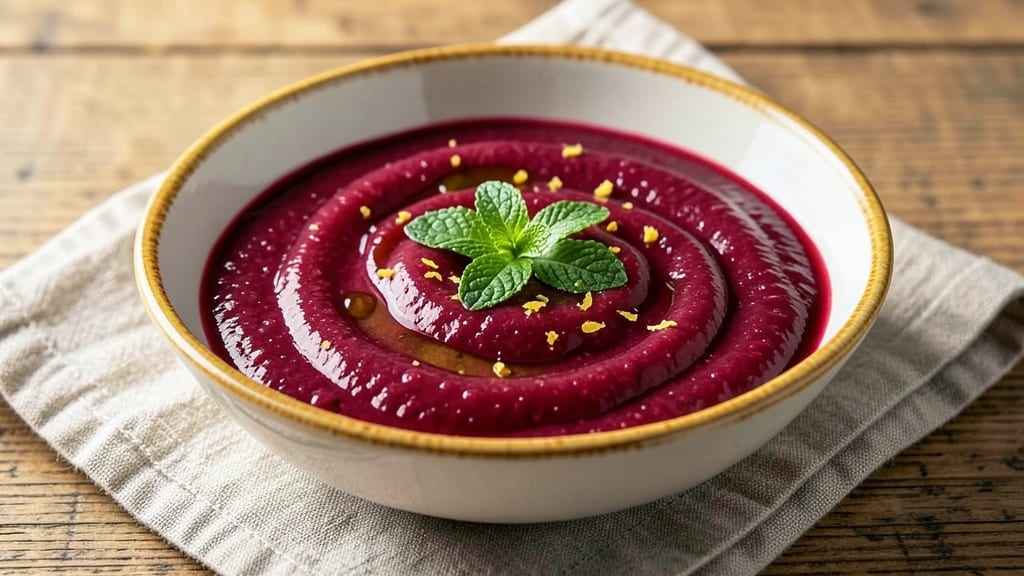
This seedless raspberry sauce recipe transforms ordinary desserts into showstoppers with its velvety, jammy texture and vibrant color—all without a single seed in sight.
The secret lies in using seedless raspberries and a simple straining technique that preserves the fruit's natural sweetness while creating a smooth, luscious consistency perfect for drizzling or dipping. I developed this recipe after years of struggling with traditional raspberry sauces that left behind fibrous bits and uneven textures.
The process is straightforward yet professional: simmering the berries with sugar and lemon juice until they break down, then straining through a fine-mesh sieve to achieve that signature seedless finish.
This method ensures a sauce that's rich enough to stand alone but versatile enough to complement everything from shortcake to savory dishes like pork tenderloin. The addition of cornstarch (optional) helps achieve that ideal jammy thickness without overpowering the delicate raspberry flavor.
What you'll end up with is a sauce so smooth and flavorful it rivals store-bought versions—yet far superior in quality and customization. The bright acidity of lemon juice balances the natural tartness of the raspberries, while the sugar caramelizes just enough to deepen the flavor without making it cloying.
This sauce keeps beautifully in the refrigerator for up to two weeks, making it ideal for meal prep or gifting.
Use it as a glaze for roasted meats, a topping for vanilla ice cream, or a cocktail garnish for a sophisticated touch. The possibilities are endless, and the results are consistently professional. Let's get started on creating this versatile sauce that will elevate any dish it touches.
Ingredients for seedless raspberry sauce
Eight essential ingredients transform tart raspberries into velvety, seedless perfection for desserts and beyond.
| Ingredient | Amount | Notes |
|---|---|---|
| Seedless Raspberries 🍓 | 2 cups | Fresh or frozen, thawed |
| Granulated Sugar 🍚 | 1 ½ cups | White or raw cane preferred |
| Fresh Lemon Juice 🍋 | ¼ cup | From 2-3 lemons, strained |
| Cornstarch 🌾 | 1 tbsp | Optional for thicker texture |
| Water 💧 | 2 tbsp | For cornstarch slurry |
| Extra-Virgin Olive Oil 🫒 | 1 tbsp | For glossy finish |
| Fine-Mesh Sieve 🧹 | 1 whole | For seedless straining |
| Fresh Rosemary 🌿 | 2 sprigs | Optional aromatic touch |
The quality of your raspberries makes all the difference. Seedless varieties are non-negotiable for that signature texture, and fresh is best—frozen works in a pinch but can dilute flavor. I source mine from local farmers markets during summer or Trader Joe's year-round for consistent quality. For sugar, raw cane or turbinado adds subtle molasses notes that white sugar lacks. The lemon juice should be freshly squeezed—bottled juice lacks the bright acidity needed to balance the raspberries' tartness. If you're using frozen raspberries, thaw them completely and drain excess liquid to prevent a watery sauce.
No cornstarch? Tapioca starch at half the amount works equally well for thickening. Short on lemon juice? Lime juice works too, though the flavor profile shifts slightly. The olive oil is optional but adds a luxurious sheen and helps emulsify the sauce for a more professional finish. For a savory twist, swap the rosemary for thyme or tarragon. If you're making this for a crowd, double the batch—the sauce thickens as it cools, so start with slightly less sugar if you prefer a more tart balance. The fine-mesh sieve is critical; a regular strainer leaves behind seeds and fibrous bits that ruin the velvety texture.
This sauce reaches peak flavor after 24 hours in the refrigerator—let it develop overnight for maximum depth. Store in an airtight container with a layer of plastic wrap pressed directly on the surface to prevent skin formation. Keeps for 2 weeks refrigerated or 6 months frozen in ice cube trays for perfect single-serving portions. For gifting, transfer to small jars with a ribbon—it makes an elegant hostess present. Reheat gently in a saucepan over low heat, stirring occasionally, until warmed through. Avoid microwaving to preserve texture.
Why You'll Love This Recipe
- I’ll be real: seedless raspberries make this sauce actually fun to eat—no poking or spitting required. The berries mash down smooth, and the cornstarch slurry (just water + cornstarch, stirred in) thickens it like magic without lumps.
- No Seed Stress: I’ll be real: seedless raspberries make this sauce actually fun to eat—no poking or spitting required. The berries mash down smooth, and the cornstarch slurry (just water + cornstarch, stirred in) thickens it like magic without lumps.
- Bright Tang Twist: That lemon juice isn’t just for flavor—it cuts through the sweetness so the raspberries pop. Honestly, the balance is spot-on: sweet enough to drizzle on pancakes, tart enough to wake up a boring dessert.
- Pantry Powerhouse: Four ingredients, zero specialty tools. I’ve used this to top yogurt, fold into cheesecake, or even glaze chicken—no fancy plating, just pure versatility. The sauce keeps for a week in the fridge, so I make a big batch and forget about it.
Step-by-step instructions for seedless raspberry sauce
Transforming fresh raspberries into a velvety, seedless sauce requires precision and patience—here's exactly how to achieve that jammy perfection.
Prepare the Raspberry Base
In a medium saucepan, combine the 2 cups of seedless raspberries with the 1.5 cups of granulated sugar. Stir gently over medium heat until the sugar dissolves completely, which should take about 5 minutes. You'll notice the mixture begins to bubble softly and the raspberries release their juices, creating a vibrant purple liquid.
At this stage, the sauce should smell intensely sweet and fruity. If you're using fresh rosemary, add the 2 sprigs now and let them infuse for 2 minutes. This aromatic touch adds depth without overpowering the raspberry flavor. Keep the heat at a gentle simmer—too high a temperature will cause the sauce to burn rather than thicken properly.
Strain for a Silky Texture
Line the fine-mesh sieve with a clean kitchen towel or cheesecloth to create a makeshift filter. Pour the raspberry mixture through the sieve into a clean bowl, pressing gently with a wooden spoon to extract every last drop of juice. The seeds and skins will stay behind, leaving you with a smooth, seedless purée.
This straining step is critical—it eliminates the fibrous texture that can make homemade sauces feel gritty. If you're making this sauce ahead of time, now is the perfect moment to transfer it to a sterilized jar and refrigerate until ready to use. The flavor will continue to develop as it cools, deepening that characteristic jammy richness.
Thicken the Sauce with Cornstarch Slurry
In a small bowl, whisk together the 1 tablespoon of cornstarch with the 2 tablespoons of water until completely dissolved. This creates a smooth slurry that will help thicken the sauce without clumping. Return the strained raspberry mixture to the saucepan and bring it to a gentle boil over medium heat.
Slowly pour the cornstarch slurry into the sauce while stirring continuously with a wooden spoon. The sauce will begin to thicken almost immediately, transforming from a thin purée into a glossy, jam-like consistency. Keep stirring for an additional 2-3 minutes until the sauce reaches your desired thickness—it should coat the back of a spoon but still be pourable. If it thickens too quickly, add 1 tablespoon of water to adjust the consistency.
Finish with Olive Oil and Lemon Juice
Remove the sauce from heat and stir in the 0.25 cup of fresh lemon juice and 1 tablespoon of extra-virgin olive oil. The lemon juice brightens the flavor, cutting through the sweetness, while the olive oil adds a subtle richness and helps create that glossy finish. Taste the sauce and adjust the seasoning if needed—you might want to add a pinch more salt or a splash of additional lemon juice to balance the flavors.
Let the sauce cool to room temperature before serving. This resting period allows the flavors to meld and the texture to set perfectly. The final result should be a velvety, seedless raspberry sauce with a jammy thickness that pairs beautifully with cheese boards, desserts, or as a glaze for meats. Store any leftovers in an airtight container in the refrigerator for up to 2 weeks, or freeze for longer storage.
Pro Tips For Making Seedless Raspberry Sauce
- Mash Those Berries: Use a potato masher or fork—not a blender—to crush seedless raspberries. This keeps the sauce naturally textured and prevents a watery mess from over-processing. (Yes, even if you’re impatient like me.)
- Taste Before Thickening: Check the sugar balance before adding cornstarch. Raspberries vary in tartness, and you might need less sugar than the recipe suggests. Adjust now—fixing it later just adds extra slurry.
- Simmer Gently: Keep the heat at a bare simmer, not a rolling boil. High heat breaks down the cornstarch, making the sauce grainy. A slow cook is your friend here—think "gentle bubbles," not "steam explosions."
- Strain for Smoothness: If you want a silky sauce, strain it through a fine-mesh sieve after cooking. Seedless raspberries still have tiny skins that can make the texture uneven. (I learned this the hard way after serving a slightly gritty sauce to picky guests.)
Perfect pairings for this dish
Dessert Showstoppers
This sauce transforms classic desserts into showstoppers. Drizzle it over vanilla bean ice cream or warm chocolate chip cookies for an elegant finish that feels restaurant-quality. I love pairing it with shortcake—the buttery layers contrast beautifully with the jammy raspberry.
For a modern twist, spread it on toasted brioche with whipped cream and a sprinkle of flaky sea salt. The sauce's velvety texture makes it perfect for panna cotta or cheesecake toppings too. 🍰
Savory Surprises
Don't limit this sauce to sweet dishes—it's fantastic with savory flavors too. Use it as a glaze for roasted pork tenderloin or duck breast, where the acidity cuts through the richness.
I've also drizzled it over goat cheese on a charcuterie board, adding a sweet-tart contrast that guests always rave about. For a unique appetizer, mix it with crème fraîche and serve with toasted baguette slices and prosciutto.
The sauce's versatility makes it a pantry staple for both sweet and savory meals.
Cocktail Elevations
Elevate your cocktails with this sauce as a garnish or mixer. Rim champagne flutes with it for a sophisticated touch before serving Prosecco or sparkling wine.
I love adding it to gin-based cocktails like a raspberry gin fizz—just mix 2 oz gin, 1 oz lemon juice, and 1 oz raspberry sauce with soda water and ice. For a non-alcoholic option, stir it into sparkling lemonade with a splash of rosemary-infused syrup.
The sauce's bright acidity balances the sweetness perfectly in any drink. 🍹
Breakfast Brilliance
Start your day with this sauce in unexpected ways. Swirl it into Greek yogurt with granola and honey for a fruity breakfast bowl. I also love spreading it on toasted English muffins with ricotta cheese and a sprinkle of pistachios for a sweet-savory twist.
For a decadent treat, drizzle it over pancakes or waffles alongside maple syrup and whipped cream. The sauce's jammy texture adds depth to breakfast dishes that most people wouldn't expect. 🥞
Cheese Board Magic
Create a showstopping cheese board by pairing this sauce with complementary cheeses. I recommend brie, goat cheese, and aged cheddar—the creamy and sharp flavors balance the sauce's sweetness beautifully.
Arrange the cheeses on a slate board with crackers, nuts, and dried fruit, then add small bowls of the sauce for dipping. The sauce's vibrant color and flavor make it the star of any cheese spread.
For an extra touch, add fresh raspberries alongside the sauce to echo the flavor. 🧀
Gifting & Hosting
This sauce makes an impressive gift for holidays or dinner parties. Transfer it to small amber glass jars with a ribbon and label, and it becomes an elegant hostess present. I've given it as a gift for Christmas, Mother's Day, and even wedding favors—it's always a hit.
At gatherings, set out small bowls of the sauce with spoons for guests to try. It pairs perfectly with fruit tarts, cheese platters, or even as a dipping sauce for strawberries**. The sauce's versatility makes it a crowd-pleaser for any occasion. ✨
Nutrition facts
Frequently asked questions
Can I use frozen raspberries instead of fresh?
Yes, but with one key adjustment: thaw the frozen raspberries completely first and drain any excess liquid to prevent a watery sauce. Frozen berries work perfectly—they're often picked at peak ripeness and frozen immediately, preserving flavor. Just be aware the texture may be slightly softer than fresh, but the taste difference is minimal when cooked properly.
How do I adjust the sweetness level?
Start with the 1.5 cups of sugar as written, then taste after simmering. For a sweeter sauce, add 1-2 tablespoons more sugar at the end. For tartness, increase the lemon juice to 0.375 cup instead. Remember, the sauce will thicken as it cools, so don't overcorrect—it's better to adjust gradually.
What if I don't have cornstarch?
No problem! Use 1 teaspoon of tapioca starch or even 1 tablespoon of unsweetened applesauce for natural thickening. For a thicker consistency without starch, simmer the strained mixture longer (up to 10 extra minutes) while stirring constantly. The sauce will naturally reduce and thicken, though it may be slightly less glossy.
Can I make this sauce without straining?
Technically yes, but you'll lose the signature seedless texture. If you skip straining, blend the cooked raspberries instead for a smoother (though slightly fibrous) consistency. For best results, use a high-speed blender and strain through a nut milk bag for a compromise between texture and convenience. The seeds will still be present but less noticeable.
How do I prevent skin from forming on the surface?
Press plastic wrap directly onto the sauce's surface before sealing the container. For extra insurance, add a thin layer of water between the sauce and the wrap. Store in the fridge for up to 2 weeks or freeze in ice cube trays for single-serving portions. When reheating, warm gently in a saucepan over low heat while stirring continuously to restore the glossy texture.