
Sauces & Condiments
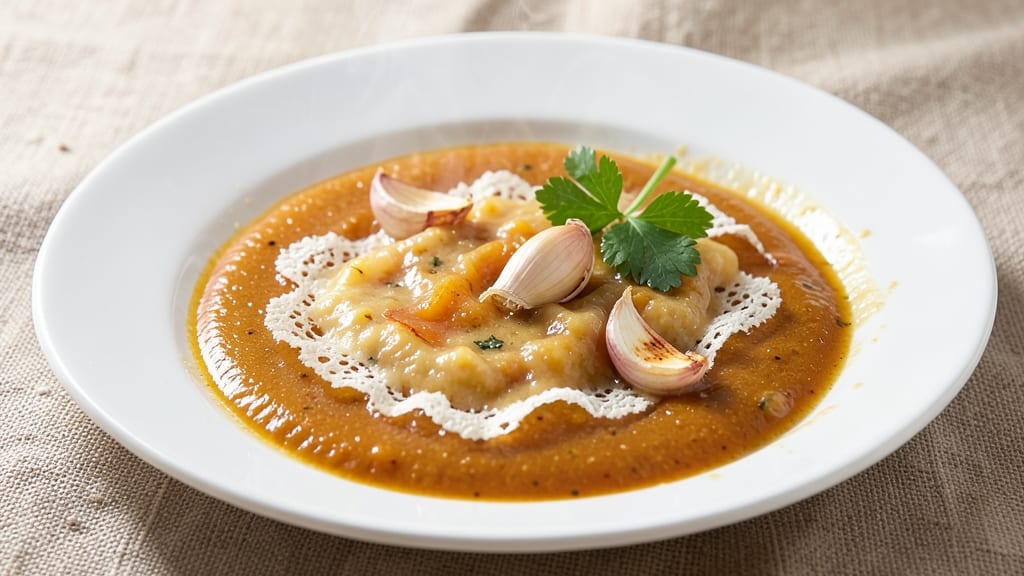
This sauce mornay recipe delivers the velvety, lump-free cheese sauce that elevates baked pasta, casseroles, and grilled fish to restaurant quality. As someone who's burned more cheese sauces than I'd admit, I've perfected a foolproof method that guarantees smooth, creamy results every time.
The secret lies in the roux and gradual cheese incorporation—no clumps, no stress, just rich, golden perfection.
What sets this sauce apart is its balance of butter, flour, and milk, which creates a stable base before the cheese comes in. I use a mix of Gruyère and sharp cheddar for depth, but you can adjust based on what you have.
The key technique? Whisking constantly over low heat until the cheese fully melts into a glossy, silky sauce. This isn't just any cheese sauce—it's the kind that makes people ask for seconds.
Once you've mastered this technique, you'll never buy store-bought sauce again. The sauce keeps beautifully in the fridge for up to 5 days or freezes for months, making it perfect for meal prep.
Whether you're drizzling it over baked mac and cheese or using it as a topping for grilled chicken, this sauce transforms ordinary dishes into something extraordinary.
Confession: I first learned this sauce from my nonna's old recipe card, scribbled in Italian and English. She'd always say, "A good sauce makes everything better"—and she wasn't wrong.
This version stays true to that philosophy while making it accessible for home cooks. Let's get started on creating your own velvety masterpiece.
Ingredients for sauce mornay
Eight ingredients, one perfect sauce. The secret to velvety mornay lies in patience and proper technique.
| Ingredient | Amount | Notes |
|---|---|---|
| Unsalted Butter 🧈 | ½ cup | Cold, cubed for roux |
| All-Purpose Flour 🌾 | ½ cup | Sifted for smooth sauce |
| Whole Milk 🥛 | 2 cups | Room temperature preferred |
| Gruyère Cheese 🧀 | 1 ½ cups | Freshly grated, aged |
| Sharp Cheddar Cheese 🧀 | ½ cup | Freshly grated, sharp flavor |
| Garlic Cloves 🧄 | 2 cloves | Minced for subtle aroma |
| Yellow Onion 🧅 | ¼ cup | Finely diced, mild sweetness |
| Dijon Mustard 🍯 | 1 tbsp | For tangy depth |
| Salt 🧂 | ½ tsp | Kosher or sea salt |
| Ground Black Pepper 🌶️ | ¼ tsp | Freshly ground preferred |
The cheese is non-negotiable here. Gruyère gives that classic French flavor, but don't stress if you can't find it—Emmental or Swiss work in a pinch. The cheddar adds sharpness to balance it out. I always grab pre-shredded from the deli counter—it's fresher and melts better than the bagged stuff. For the butter, European-style brands like Plugrá or Kerrygold have more fat content, which means richer flavor. If you're in a hurry, regular unsalted butter works fine, but those fancy brands make it feel special. The garlic and onion? Freshly minced—no jarred minced garlic here. It's worth the 30 seconds to chop it yourself.
No Gruyère? Parmesan mixed with sharp cheddar gives a similar depth. Running out of milk? Half-and-half or heavy cream works, but it'll be richer—adjust the cheese amount accordingly. Dijon mustard is key for that tangy kick, but yellow mustard in a pinch. The roux is where the magic happens: low heat, constant whisking. If your sauce starts to lump, just keep whisking and adding milk gradually. Pro tip: Microwave the milk for 20 seconds first—it blends better into the roux. And if you're feeling fancy, add a pinch of nutmeg for warmth.
This sauce tastes even better the next day—honestly, it's worth making extra. Keeps for 5 days in the fridge, covered with plastic wrap pressed right on the surface. For freezing, portion into ice cube trays—perfect for adding to dishes later. Once frozen, transfer to a container and it'll last 3 months. The best part? It reheats beautifully. Just warm it gently on the stove with a splash of milk to restore that silky texture. Leftovers? Drizzle over baked potatoes, toss with roasted veggies, or use as a dip for crusty bread.
Why You'll Love This Recipe
- Five-Ingredient Magic: I swear by this—just butter, flour, milk, and two cheeses. That’s it. No fancy techniques, no hidden ingredients, just pure, velvety sauce that tastes like it took hours.
- Cheese Love Bomb: Gruyère’s nutty depth and sharp cheddar’s tang? It’s a match made in sauce heaven. The moment it melts into that creamy roux, your taste buds throw a party.
- Game for Any Dish: Slather it on baked potatoes, toss it with veggies, or drizzle it over pasta. Honestly, I’ve used it in everything from grilled chicken to mac ‘n’ cheese—it never lets me down.
- Leftovers That Still Shine: Make a double batch and refrigerate it—it reheats like a dream. (Yes, even on a Tuesday night.) The texture stays silky, not grainy, so it’s my go-to for lazy days.
Step-by-step instructions for creamy cheese sauce
Here's how to make a perfectly smooth, velvety cheese sauce every time.
Create the Roux Foundation
In a medium saucepan over medium heat, melt the 0.5 cup unsalted butter until it's completely liquid and foaming. Add the 0.5 cup all-purpose flour all at once and whisk vigorously for 1-2 minutes until the mixture forms a smooth, peanut-butter-like consistency. This is your roux, and it's the secret to preventing lumps in your sauce.
Keep whisking constantly—don't let it brown. The roux should be the color of peanut butter, not golden. If it starts to darken, immediately reduce the heat to low and continue whisking. This step is crucial because a properly made roux will create a silky, lump-free sauce when combined with milk later.
Gradually Add Warm Milk
Slowly pour in the 2 cups whole milk while whisking continuously. I like to add it in a thin, steady stream—about ¼ cup at a time—to prevent clumping. The mixture will thicken immediately as you whisk, forming a smooth paste. Keep the heat at medium-low throughout this process.
Once all the milk is incorporated, let the sauce simmer gently for 5-7 minutes until it thickens enough to coat the back of a spoon. You'll notice the raw flour flavor disappear completely—this is when you know you're on the right track. If it thickens too quickly, whisk in a splash of warm milk to adjust the consistency.
Build Flavor with Aromatics
Reduce heat to low and stir in the 0.25 cup finely diced yellow onion and 2 minced garlic cloves. Let them cook for 3-4 minutes until softened and fragrant. You should smell that sweet onion aroma and subtle garlic notes—this is where the sauce starts developing depth of flavor.
Add the 1 tbsp Dijon mustard and stir well. This adds a wonderful tangy depth that balances the richness of the cheese. Let the mixture simmer for another 2 minutes to let all the flavors meld together. This step is what transforms a basic cheese sauce into something truly special.
Melt the Cheese Mixture
In a separate bowl, combine the 1.5 cups Gruyère cheese and 0.5 cup sharp cheddar cheese. I like to grate them fresh for maximum flavor—pre-shredded cheese often contains anti-caking agents that can make your sauce grainy. Add the 0.5 tsp salt and 0.25 tsp ground black pepper to the cheese mixture.
With the sauce still simmering gently on low heat, gradually add the cheese mixture, whisking constantly. Start with small amounts and gradually increase as the cheese begins to melt. This gradual approach prevents the sauce from becoming too thick or developing lumps. The cheese should melt completely within 3-5 minutes of constant whisking.
Adjust and Serve
Taste the sauce and adjust seasoning if needed. You might need a bit more salt or pepper to balance the flavors. If the sauce is too thick, whisk in 1-2 tablespoons of warm milk to reach your desired consistency. The sauce should be smooth, velvety, and coat the back of a spoon without being gluey.
Remove from heat and let it sit for 2-3 minutes to thicken slightly. This resting period allows the sauce to come together perfectly. Serve immediately over pasta, vegetables, or use as a creamy dip. The sauce should be rich, flavorful, and completely lump-free—exactly what makes this classic cheese sauce so special.
Pro Tips For Making Sauce Mornay
- Melt Butter Slowly: I used to rush the butter, and it’d either burn or seize up. Instead, melt 3 tablespoons over medium-low heat—just until it’s liquid but not foaming. This keeps the roux from turning into a greasy mess before the flour even gets a chance to toast.
- Whisk Like You Mean It: The moment you add milk, stop stirring gently—aggressively whisk for 2–3 minutes straight. This breaks down the flour completely and prevents lumps. (Yes, even if it looks like you’re doing a workout.)
- Shred Cheese Fresh: Pre-shredded cheese has anti-caking agents that make the sauce grainy. Grate your own Gruyère and cheddar on the largest holes of a box grater right before adding it to the sauce. The texture difference is night and day.
- Temper the Cheese: Dump cold cheese into hot sauce and it’ll clump like a science experiment gone wrong. Warm the milk and butter mixture to 170°F (77°C) first, then whisk in the cheese a little at a time. The sauce will thicken smoothly—no gummy bits.
Wine and beer pairings for this recipe
White Wine Pairings
For this rich, cheesy sauce, I always reach for a Chardonnay—specifically a California or Burgundy style. The buttery notes of a well-aged Chardonnay (like Louis M. Martini) mirror the sauce’s creaminess, while the acidity cuts through the richness beautifully.
If you prefer something lighter, a Sauvignon Blanc from New Zealand adds a zesty contrast that brightens the dish. 🍷
Crisp Beer Options
A Belgian witbier like Hoegaarden or Stella Artois works surprisingly well with Mornay sauce. The citrusy coriander and light effervescence cleanse your palate between bites of cheesy goodness. For something bolder, try a German Helles lager—its malty sweetness balances the sharp cheddar in the sauce.
Avoid heavy stouts or IPAs, which would overpower the delicate flavors.
Red Wine Risks
While red wine might seem like an obvious choice, most are too bold for this sauce. A light Pinot Noir from Oregon (like Domaine Serene) could work in a pinch, but I’d stick with whites or beers to avoid clashing tannins.
The key is finding a drink that enhances—not competes with—the sauce’s velvety texture and nutty Gruyère notes. Trust me, your taste buds will thank you. 🍺
Unexpected Pairings
Here’s a fun twist: sparkling rosé (like Whispering Angel) adds a festive touch to dinner parties. The bubbles and berry notes create a refreshing contrast to the creamy sauce. For a non-alcoholic option, sparkling apple cider (chilled) works surprisingly well—its slight tartness balances the richness perfectly.
I’ve even used ginger beer for a spicy kick when serving with Asian-inspired dishes.
Serving Temperature Matters
Serve your wine or beer at the right temperature to complement the sauce. Whites should be chilled to 45-50°F, while beers (except lagers) work best at 40-45°F. I keep a small wine cooler in my fridge for quick adjustments.
The goal is to let the drink enhance the sauce’s flavors, not distract from them. A properly chilled glass makes all the difference! ❄️
Nutrition facts
Frequently asked questions
Can I make sauce mornay without Gruyère cheese?
If you can't find Gruyère, use a mix of 1 cup Emmental or Swiss cheese plus 1 cup sharp cheddar for similar flavor. For extra richness, add ¼ cup Parmesan—it adds umami depth that works beautifully in this sauce. The key is using freshly grated cheese to avoid graininess.
Why did my sauce get lumpy?
Lumps usually happen when cheese is added too quickly or the heat is too high. Always whisk constantly over low heat and add cheese gradually. If lumps appear, immediately remove from heat, add 1 tablespoon cold milk or butter, and whisk vigorously until smooth. The roux needs to be fully cooked before adding milk.
How do I make this sauce dairy-free?
Replace butter with ½ cup dairy-free margarine or olive oil, use 2 cups unsweetened almond milk, and melt in 1½ cups dairy-free cheddar/Gruyère alternative. Add 1 teaspoon nutritional yeast for that cheesy flavor. Note: Texture may be slightly thinner but still delicious!
Can I use powdered milk instead of liquid?
No—powdered milk won't work because it lacks the fat and moisture needed for a smooth sauce. The recipe requires whole milk (or half-and-half) for proper emulsification. If you're out of milk, use 1 cup heavy cream + 1 cup water instead, but the sauce will be richer and slightly thicker.
What's the best way to reheat leftover sauce?
Gently reheat on low heat while stirring constantly. Add 1-2 tablespoons warm milk or cream to restore silkiness. Never microwave—it can make the sauce separate. For extra smoothness, whisk in ½ teaspoon lemon juice to prevent clumping. The sauce actually tastes better reheated!