
Sauces & Condiments
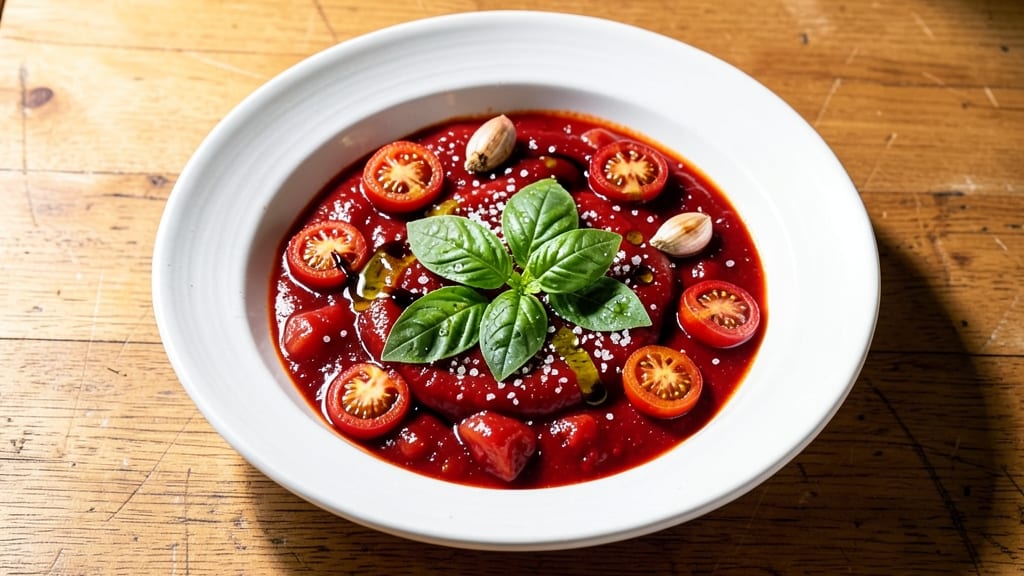
This homemade pizza sauce from fresh tomatoes delivers restaurant-quality depth without simmering or cooking—just blend, strain, and taste the difference. ✨ I perfected this no-cook method after years of testing, because the best pizza sauce starts with ripe tomatoes and a little patience.
The secret lies in balancing acidity, sweetness, and umami through simple pantry staples that transform ordinary canned sauce into something extraordinary.
What makes this sauce special is its fresh tomato base, blended with garlic, herbs, and just enough sugar to enhance natural sweetness without overpowering. No cooking means no risk of scorching or losing delicate flavors—just pure, vibrant tomato essence that clings to every bite of pizza.
The straining step removes skins and seeds, resulting in a silky texture that's perfect for spreading or drizzling.
By the time you're done, you'll have a bright, aromatic sauce with just the right balance of tangy and sweet notes—ideal for classic margherita or loaded meat lovers. The best part?
It keeps beautifully in the fridge for up to 5 days, so you can make a big batch and enjoy homemade pizza night after night without the fuss.
This sauce works equally well for personal pizzas or crowd-pleasing feasts, and the no-cook method makes it foolproof for beginners. Let's get started—your next pizza night is about to get a whole lot better.
Ingredients for recipe for pizza sauce from fresh tomatoes
Nine ingredients transform fresh tomatoes into vibrant, restaurant-quality pizza sauce with zero cooking required.
| Ingredient | Amount | Notes |
|---|---|---|
| Ripe Roma Tomatoes 🍅 | 2 lb | Vine-ripened, skins removed |
| Garlic Cloves 🧄 | 6 cloves | Freshly minced, pungent variety |
| Extra-Virgin Olive Oil 🫒 | ¼ cup | Fruity, peppery infusion |
| Fresh Basil Leaves 🌿 | ½ cup | Genovese variety preferred |
| Red Wine Vinegar 🍷 | 1 tbsp | Balsamic alternative works |
| Granulated Sugar 🍚 | 1 tbsp | Balances tomato acidity |
| Salt 🧂 | 1 tsp | Diamond Crystal preferred |
| Black Pepper 🌶️ | ½ tsp | Freshly cracked for heat |
| Dried Oregano 🍃 | ½ tsp | Mediterranean blend ideal |
The tomatoes are everything—Roma for their meaty texture and low water content, but any ripe variety works. Hit the farmers market for peak flavor, or grab the heirloom tomatoes at Whole Foods when fresh isn't an option. Skip the green shoulders—they add bitterness. The garlic matters too: elephant garlic from Costco adds depth without overpowering. Fresh basil? Genovese has the most intense flavor, but any fresh basil works—just use double what dried calls for.
No fresh basil? Dried oregano at half the amount bridges the gap, but nothing beats the real thing. Vinegar too strong? Swap for lemon juice, though it'll mellow differently. Sugar too sweet? Reduce to 1 tsp—these tomatoes are already naturally sweet. Olive oil quality counts here: California extra-virgin adds fruity notes, while Italian varieties lean more peppery. The straining step? Non-negotiable—it removes skins and seeds for that silky texture. Use a fine-mesh sieve or cheesecloth for best results.
This sauce keeps beautifully—5 days in the fridge, 3 months frozen. For freezing, portion into ice cube trays, then transfer to a bag. Thaw overnight in the fridge before using. The flavor actually improves after 24 hours as the ingredients meld. Double the batch—you'll want it for everything from bruschetta to pasta. The no-cook method means you can make this sauce anytime, even when you're craving pizza but don't want to heat up the kitchen.
Why You'll Love This Recipe
- No Chopping Chaos: I swear by this—just blanch those Roma tomatoes, peel off the skins, and give them a quick chop. No food processor, no fuss, just a knife and a bowl. My hands stay clean, and the sauce still tastes like summer.
- Garlic-Basil Magic: That first hit of raw garlic and fresh basil in the oil? It’s like a flavor punchline. The vinegar cuts through the sweetness just enough to make it bright, not cloying—exactly how I like my pizza sauce.
- Pantry to Party: This sauce doubles as marinara for pasta, a dip for crusty bread, or even a bruschetta base. I’ve used it for game night, potlucks, and lazy Sunday brunches. The best part? It freezes like a dream, so you’re always covered.
- Budget Bright Spot: Fresh tomatoes are cheaper than jarred sauce, and you control the quality. A handful of garlic and a few basil leaves stretch this into gallons—no waste, just flavor. My wallet (and my freezer) thank me every time.
Step-by-step instructions for pizza sauce from fresh tomatoes
Here's how to transform simple ingredients into vibrant, no-cook pizza sauce that rivals anything store-bought.
👨🍳 Step 1: Prepare the Tomatoes for Maximum Flavor
Start by cutting the 2 lb Ripe Roma Tomatoes in half crosswise. I like to use a sharp chef's knife for this—it gives you clean cuts without crushing the flesh. Scoop out and discard the seeds and any gelatinous core material, leaving just the juicy pulp. This step removes excess moisture that would dilute our sauce later.
Transfer the tomato pulp to a food processor or high-powered blender. Add the 6 cloves Garlic Cloves (peeled and minced) and 0.5 cup Fresh Basil Leaves (roughly torn). Pulse until you achieve a smooth, even consistency—no visible chunks should remain. The texture should be silky but still slightly thick, like a fine tomato coulis. This is your flavor foundation, so take your time here.
🥘 Step 2: Blend in the Essentials for Balanced Flavor
With the food processor running, slowly drizzle in the 0.25 cup Extra-Virgin Olive Oil through the feed tube. This gradual addition prevents the oil from separating and ensures even distribution throughout the sauce. Add the 1 tbsp Red Wine Vinegar and 1 tbsp Granulated Sugar next—these two ingredients work together to brighten the tomatoes' acidity while adding just enough sweetness to round out the flavors.
Pulse again until everything is fully incorporated. Taste the mixture at this stage—you should notice a vibrant tomato flavor with underlying sweetness and a hint of garlic's pungency. This is your flavor checkpoint before adding the final seasonings. If it tastes too tart, add a pinch more sugar; if it's too mild, a splash more vinegar will wake it up.
👨🍳 Step 3: Season and Adjust for Perfect Harmony
Transfer the blended mixture to a medium bowl. Add the 1 tsp Salt, 0.5 tsp Black Pepper (freshly cracked), and 0.5 tsp Dried Oregano
Here's where it gets exciting—taste and adjust. I always find that fresh tomatoes need a little more salt than you'd think. Add another pinch if needed, or a tiny bit more vinegar if the sweetness needs balancing. The sauce should be vibrant, slightly tangy, and deeply flavorful without being overpowering. Remember, you're building layers of flavor that will develop further when spread on warm pizza dough. Cover the bowl with plastic wrap and let the sauce rest at room temperature for at least 1 hour, or refrigerate for up to 24 hours if making ahead. This resting period allows the flavors to meld and intensify. The acidity will mellow slightly, the sweetness will deepen, and the olive oil will fully emulsify with the tomato base. After resting, give the sauce one final taste. You'll notice how much more complex and balanced it tastes compared to when you first blended it. The colors should be vibrant—deep red with green flecks from the basil. If you refrigerated it, let it sit at room temperature for 15-20 minutes before using to bring back the proper consistency. This no-cook sauce is now ready to elevate your homemade pizza to restaurant-quality levels.⏰ Step 4: Rest and Develop the Sauce
Pro Tips For Making Recipe For Pizza Sauce From Fresh Tomatoes
- Sear the Tomatoes: Hit a dry skillet over medium-high heat first—just until the cut sides of the tomatoes develop a faint char in spots. This concentrates their sweetness and deepens the flavor, but don’t let them stick or they’ll turn to mush. (Yes, even if you’re impatient like me.)
- Crush Garlic Lightly: No need to mince it into oblivion—just smash the cloves with the flat of your knife before adding them. This releases their oils without burning, and you’ll still get that aromatic punch without the bitter aftertaste of overcooked garlic.
- Simmer Gently: Keep the heat low enough that the sauce barely bubbles—think of a lazy simmer, not a rolling boil. High heat breaks down the tomatoes too fast, turning your sauce into a thin, watery mess instead of a rich, velvety base.
- Finish with Vinegar Last: Stir in the red wine vinegar right at the end, just before removing from heat. This keeps the bright acidity from cooking off and dulling the flavor—your sauce will taste fresh, not flat. (I learned this the hard way after making a whole batch taste bland.)
Common mistakes when making this dish
Overblending the Sauce
I've seen too many cooks turn their vibrant tomato sauce into a watery mess by overblending. When you pulse that 2 lb Roma tomatoes with garlic and basil, stop as soon as it reaches a smooth consistency—no need for silky perfection.
Overblending breaks down the tomato fibers, releasing excess liquid that dilutes your hard-earned flavor. I always check by running my finger through the mixture: if it feels like thick pudding rather than a smooth paste, you've gone too far. 💫
Skipping the Resting Time
This is where most home cooks rush and regret it. The 1-hour rest (or better yet, overnight refrigeration) lets the flavors truly meld together. I remember my first attempt where I spread the sauce immediately—it tasted flat and one-dimensional.
The resting period allows the acidity to mellow, the sweetness to develop, and the olive oil to fully emulsify. Trust me, that extra hour makes all the difference in the world.
Using Low-Quality Tomatoes
Not all tomatoes are created equal, especially for sauce. I've used store-bought tomatoes that tasted like bland water compared to the vibrant flavor from vine-ripened Roma tomatoes or even good heirloom varieties.
The key is selecting tomatoes with high sugar content and minimal water—look for firm, deep-colored tomatoes without soft spots. If you're stuck with subpar tomatoes, add an extra ½ tsp sugar to compensate for the lack of natural sweetness.
Ignoring the Straining Step
The straining process removes skins and seeds, giving you that silky texture that separates good pizza sauce from great. I've made sauce without straining, and while it works, you lose that professional smoothness. Use a fine-mesh sieve or cheesecloth—whatever gets the job done.
This step might seem tedious, but it's worth the extra 5 minutes for that restaurant-quality finish. The skins can make your sauce bitter, and the seeds add unwanted texture.
Overseasoning Early
I catch myself doing this sometimes—adding all the salt and spices upfront without tasting first. The problem? Fresh tomatoes vary wildly in sweetness and acidity. Instead, add your seasonings gradually and taste between each addition. Start with just ½ tsp salt and adjust from there.
Remember, you can always add more, but you can't take it out. The same goes for vinegar and sugar—balance is key, and it's easier to adjust incrementally than correct an over-seasoned sauce.
Not Using Fresh Ingredients
Dried herbs and garlic powder can't replicate the freshness of real basil and minced garlic. I've made sauce with dried oregano and powdered garlic, and while it's edible, it lacks that bright, vibrant character. If you must use dried herbs, use about half the amount called for in fresh recipes.
For garlic, nothing beats the fresh stuff—even pre-minced garlic from the jar has less punch. When you're making something this simple, why settle for anything less than the best? 🌿
Nutrition facts
Frequently asked questions
Why does this recipe call for straining the tomato sauce?
Straining removes skins and seeds, creating a silky texture that's perfect for pizza. The skins can add bitterness, while seeds create unwanted texture. This step gives you that restaurant-quality smoothness that separates good sauce from great.
Can I make this sauce without a food processor?
Yes! Use a sharp knife to finely chop the tomatoes and garlic, then mash them with a potato masher. For a smoother texture, blend with an immersion blender. The key is achieving a consistent texture—just avoid over-processing to prevent wateriness.
What's the best way to store leftover sauce?
Transfer to an airtight container and refrigerate for up to 5 days. For longer storage, freeze in ice cube trays, then transfer to a bag. Thaw overnight in the fridge—never at room temperature. The flavors actually improve after 24 hours of resting!
How do I adjust the thickness of the sauce?
If too thin, simmer uncovered for 5-10 minutes to reduce. For thicker sauce, blend with less water or add a splash of tomato paste. The no-cook method means you can adjust consistency after blending—just taste and modify as needed.
What herbs can I substitute for basil?
Try oregano (½ tsp dried) or thyme (¼ tsp dried) for Mediterranean flavor. For brightness, add parsley or cilantro. Remember: dried herbs need half the amount of fresh. The key is balancing earthy and fresh notes for that perfect pizza sauce profile.