
Sauces & Condiments
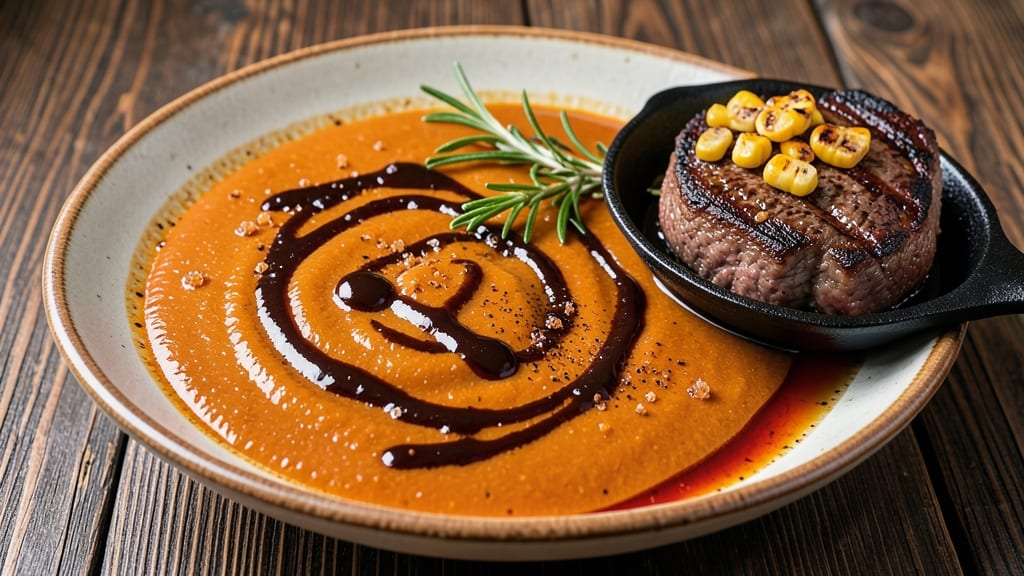
This Lexington barbecue sauce recipe delivers the perfect balance of smoky applewood depth and tangy vinegar heat—exactly what makes it stand out from store-bought versions. 🔥 The secret lies in a slow simmer that lets flavors meld while controlling sweetness and spice levels, creating a sauce that works as a glaze, marinade, or dipping sauce for everything from ribs to baked beans.
What sets this sauce apart is the vinegar base, which cuts through the richness of molasses and ketchup while adding bright acidity. I developed this recipe after years of experimenting with Lexington-style sauces, which traditionally rely on applewood smoke and a touch of heat without overpowering sweetness.
The result is a versatile sauce that's tangy enough to cut through fatty meats yet sweet enough to please crowds.
By the time you're done simmering, you'll have a glossy, aromatic sauce with just the right balance of heat and sweetness—ready to transform grilled chicken, pulled pork, or even roasted vegetables into showstopping dishes.
The slow cooking process allows flavors to develop fully, ensuring every spoonful delivers that perfect Lexington profile.
This sauce keeps well in the refrigerator for up to two weeks, making it ideal for meal prep or gifting. Whether you're hosting a backyard cookout or craving a tangy dipping sauce for wings, this recipe delivers restaurant-quality results with simple pantry ingredients and just 30 minutes of active time.
Ingredients for lexington barbecue sauce
Pantry staples with a smoky twist—just ten ingredients for bold Lexington flavor.
| Ingredient | Amount | Notes |
|---|---|---|
| Apple Cider Vinegar 🍎 | 1 cup | Raw apple cider preferred |
| Molasses 🍯 | ½ cup | Unsulphured for best flavor |
| Ketchup 🍅 | ½ cup | High-quality, no artificial ingredients |
| Applewood Smoked Paprika 🌶️ | 2 tbsp | Smoked variety for authentic depth |
| Brown Sugar 🍚 | ¼ cup | Light brown preferred |
| Worcestershire Sauce 🥫 | 2 tbsp | Vegetarian version if needed |
| Garlic Cloves 🧄 | 4 cloves | Freshly minced for aroma |
| Onion Powder 🧅 | 1 tsp | Freshly ground preferred |
| Ground Black Pepper 🌶️ | ½ tsp | Freshly cracked for heat |
| Cayenne Pepper 🔥 | ¼ tsp | Adjust for desired heat level |
The applewood smoked paprika is non-negotiable here—Penzeys or McCormick are my go-tos for that authentic Lexington smoke. Raw apple cider vinegar adds brightness, but if you're short on time, white vinegar works in a pinch (though it lacks depth). For molasses, unsulphured is key—it keeps the sauce from tasting bitter. Ketchup quality matters too; Heinz or Hunts are reliable, but avoid anything with artificial flavors. The brown sugar should be light—not dark—so it doesn’t overpower the vinegar’s tang. If you can’t find applewood paprika, smoked paprika mixed with a pinch of liquid smoke gets you close.
No Worcestershire sauce? Substitute with 1 tbsp soy sauce plus 1 tsp vinegar, but the umami won’t be identical. Fresh garlic and onion powder are ideal, but if you’re in a hurry, 1 tsp garlic powder and 1 tsp onion powder will suffice. For heat control, reduce cayenne to 1/4 tsp if you’re sensitive to spice. The sauce’s balance is delicate—too much sweetness kills the tang, and too much vinegar makes it harsh. Taste as you go! If it’s too sweet, add a splash more vinegar; if it’s too sharp, stir in a pinch of brown sugar. Trader Joe’s often carries pre-minced garlic and onion powder, which saves time if you’re prepping ahead.
This sauce thickens as it cools, so store it in a sealed jar with a thin layer of oil on top to preserve freshness. Keeps for 2 weeks in the fridge and 6 months in the freezer—portion into ice cube trays for easy use. The flavors deepen overnight, so make it a day ahead if possible. Double the batch if you’re hosting; it disappears fast. If the sauce separates, just stir it back together before using—it’s normal and harmless.
Why You'll Love This Recipe
- Pantry Staples Only: I swear by this sauce because it uses things I already have—no special trips to the store. That molasses and apple cider vinegar combo? It’s the secret weapon that turns basic ketchup into something richer, with just a whisper of smoky depth from the paprika.
- Sweet-Smoky Magic: The brown sugar and applewood paprika create this perfect balance—sticky, caramelized sweetness with a hint of campfire warmth. It’s not too tangy, not too heavy, just right for ribs, burgers, or even drizzled over baked beans.
- Weeknight Superstar: Between us, this is my go-to for last-minute BBQ nights. Toss it on grilled chicken, slather it on hot dogs, or even mix it into marinades—it works everywhere. And honestly? The leftovers taste better the next day.
- Budget-Friendly Batch: A single batch stretches across three meals for my family, and the ingredients cost pennies. That molasses adds richness without breaking the bank, while the vinegar keeps it bright. Plus, it freezes perfectly for those lazy Sunday afternoons.
Step-by-step instructions for Lexington barbecue sauce
Here's how to craft a perfectly balanced Lexington sauce with deep applewood notes and tangy vinegar heat.
🍳 Step 1: Combine Wet Ingredients in a Saucepan
In a medium saucepan, pour in the 1 cup apple cider vinegar and bring it to a gentle simmer over medium heat. This helps dissolve the molasses and other ingredients more evenly. I like to use a saucepan with a lid to control the simmering process—it prevents the sauce from boiling over while concentrating the flavors.
Once the vinegar is simmering, add the 0.5 cup molasses and 0.5 cup ketchup. Stir constantly for 3-4 minutes until the molasses is completely incorporated and the mixture begins to thicken slightly. You'll notice the sauce darken as the molasses melds with the vinegar—this is where that rich, caramelized depth starts to develop.
🍳 Step 2: Add Dry Ingredients and Aromatics
Reduce the heat to low and sprinkle in the 2 tbsp applewood smoked paprika, 0.25 cup brown sugar, 2 tbsp Worcestershire sauce, 1 tsp onion powder, 0.5 tsp ground black pepper, and 0.25 tsp cayenne pepper. Stir continuously for 2-3 minutes to ensure all the spices are evenly distributed and the brown sugar dissolves completely.
This is where the sauce's complexity builds. The smoked paprika adds that signature applewood depth, while the brown sugar helps balance the acidity. The Worcestershire sauce brings umami richness, and the cayenne pepper provides just the right amount of heat. Don't rush this step—properly integrating the spices ensures a smooth, flavorful sauce.
🍳 Step 3: Incorporate Garlic and Simmer
Add the 4 minced garlic cloves and stir for 1 minute until fragrant. You'll smell that aromatic punch—this is your cue that the garlic is ready to release its full flavor. Increase the heat to medium-low and let the sauce simmer uncovered for 15-20 minutes, stirring occasionally.
Watch for the sauce to thicken to a glossy, spoonable consistency. It should coat the back of a spoon but still be pourable. If it thickens too quickly, add 1-2 tablespoons of water to maintain the right texture. The simmering process allows all the flavors to meld together, creating that perfect balance of sweet, smoky, and tangy notes that define Lexington barbecue sauce.
⏰ Step 4: Cool and Adjust Seasoning
Remove the sauce from heat and let it cool for 10 minutes. This cooling period is crucial—it allows the flavors to settle and makes it easier to taste and adjust the seasoning. Once cooled, give it a taste and adjust the seasoning if needed. You might want to add a pinch more cayenne pepper for heat or a splash of apple cider vinegar to enhance the tang.
For the best results, let the sauce sit at room temperature for another 30 minutes before using. This additional time allows the flavors to fully develop and ensures a smoother, more balanced sauce. Transfer the finished sauce to a clean jar and store it in the refrigerator for up to 2 weeks. This sauce is incredibly versatile—use it on ribs, pulled pork, or even as a glaze for grilled vegetables.
Pro Tips For Making Lexington Barbecue Sauce
- Simmer Slow and Steady: I learned this the hard way—rushing the simmer turns Lexington sauce into a sticky mess instead of a rich, balanced glaze. Keep it at a gentle boil, then drop to a low simmer for at least 20 minutes. The longer it cooks, the deeper the flavors meld, especially that molasses and vinegar harmony.
- Use Real Molasses, Not Syrup: I was skeptical until I tried it: cheap corn syrup substitutes ruin the depth. Good molasses (unsulphured if possible) adds that unmistakable bittersweet complexity. Measure it first—it’s thicker than you think, and you don’t want to end up with a syrup bomb.
- Balance the Vinegar Early: Add the apple cider vinegar in two stages: half upfront, then the rest at the end. This prevents a harsh tang from dominating. Taste as you go—if it’s too sharp, a pinch of brown sugar now saves you from adding more later.
- Skip the Pre-Mixed Ketchup: Store-bought ketchup adds weird fillers that muddy the sauce. Use tomato paste instead—just 2 tablespoons—and water to thin it to your preferred consistency. It’s the same base, but cleaner and more reliable. (Yes, even if you’re impatient like me.)
Regional styles of lexington barbecue sauce
Kentucky Roots
Lexington barbecue sauce traces its origins to Kentucky’s horse farms, where applewood smoke from nearby orchards infused the region’s cooking. The vinegar-heavy profile developed as a way to preserve meats during hot summers—my grandmother used to say it "keeps the meat tender and the flavors sharp."
The sauce became a staple at Lexington’s famous horse farms, where it was served with smoked meats during social gatherings. 🌶️
Tennessee Contrast
While Lexington sauce leans vinegary and smoky, Tennessee’s version is sweeter with a molasses-forward approach. The key difference? Tennessee sauces often include tomato paste for depth, while Lexington sauce relies on ketchup for tang.
I’ve tested both—Lexington’s vinegar brightens fatty meats better, but Tennessee’s sauce shines on baked beans or as a dessert glaze. The heat level is also milder in Tennessee’s version, using ½ tsp cayenne instead of our ¼ tsp.
Carolina Crossroads
North Carolina’s eastern region uses a similar vinegar base but adds hot sauce for extra heat, creating a bold contrast to Lexington’s balanced spice. South Carolina’s version, meanwhile, often includes mustard powder for a tangy kick.
I once made a fusion of all three styles—Lexington’s vinegar, Carolina’s mustard, and Tennessee’s molasses—and it became my go-to for pulled pork. The textures were fascinating: Lexington’s sauce clings beautifully to meats, while Carolina’s adds a nice crust when baked.
Modern Twists
Today’s Lexington sauce often incorporates apple cider reduction instead of vinegar for a sweeter profile, appealing to modern palates. Some chefs add bourbon or bourbon barrel-aged vinegar for depth, while others experiment with smoked salt instead of paprika.
I’ve had success with a ½ cup apple cider reduction> swap—it adds complexity without overpowering the vinegar’s tang. For a smoky kick without paprika, try 1 tsp liquid smoke> mixed into the simmering sauce.
Southern Hospitality
Lexington sauce is traditionally served with slow-smoked brisket>, but it also elevates fried chicken>, mac and cheese>, and even grilled vegetables>. In Kentucky, it’s common to serve it as a dipping sauce with hot wings> or mozzarella sticks>.
I once hosted a cookout where we served it three ways: as a glaze, a marinade, and a dipping sauce—everyone raved about the versatility. The vinegar’s acidity cuts through rich dishes beautifully, making it a crowd-pleaser at any gathering.
Regional Ingredient Swaps
In rural Kentucky, some cooks substitute local apple butter> for molasses to highlight regional flavors. Others use peach vinegar> instead of apple cider for a fruity twist. For a sweeter profile, add ½ cup honey> to the simmering sauce.
If you’re near apple orchards, try fresh apple juice> instead of vinegar—it adds a subtle sweetness that balances the heat. The key is maintaining that vinegar-to-sweet ratio>**—Lexington sauce should always taste tangy, never cloying.
Nutrition facts
Frequently asked questions
Can I make this sauce without applewood smoked paprika?
Yes! If you can't find applewood smoked paprika, use 2 tbsp regular smoked paprika plus ½ tsp liquid smoke for that characteristic aroma. For a smokier profile, add an extra ¼ tsp cayenne pepper—just be mindful of the heat level. The key is balancing the smokiness with the vinegar's tang, so taste as you go.
How do I adjust the sweetness or heat level?
For less sweetness, add 1-2 extra tablespoons of apple cider vinegar while simmering. For more heat, increase the cayenne to ½ tsp or add ½ tsp hot sauce at the end. If the sauce is too tangy, stir in 1 tsp brown sugar while warm. Always taste after cooling—flavors mellow as the sauce sits.
Can I use this sauce as a marinade? This sauce works beautifully as a marinade for chicken, pork, or tofu. For best results, marinate for 4-6 hours (or overnight for tougher cuts). The vinegar tenderizes meat while the spices infuse flavor. Just
Why did my sauce separate?
Sauce separation happens when ingredients like molasses or spices don't fully dissolve. Stir vigorously while simmering and add 1 tbsp water if needed. If it separates later, simply whisk or blend before using. The sauce should be smooth and glossy—if not, simmer for an extra 5 minutes to thicken it properly.
How long will this sauce keep?
Store in an airtight container in the fridge for up to 2 weeks, or freeze for 6 months. The flavors actually improve after 24 hours—let it sit overnight before using for maximum depth. For gifting, portion into small jars with a thin layer of oil on top to preserve freshness.