
Sauces & Condiments
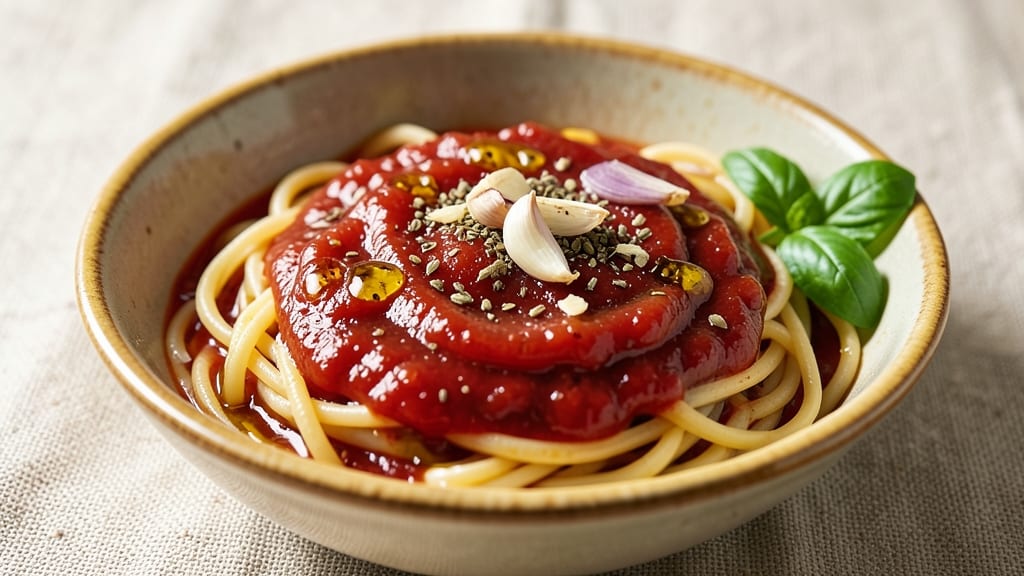
This Hunt's tomato sauce recipe brings that iconic canned sauce flavor to life with simple pantry staples and a slow-simmered approach. Growing up in a Boston triple-decker, I learned how a few key spices—oregano, basil, and a pinch of sugar—transform fresh tomatoes into something restaurant-worthy.
The secret lies in letting it cook down low and slow, concentrating those flavors until every spoonful tastes like nostalgia.
What makes this sauce truly perfect is its versatility—use it as a rich pasta sauce, pizza base, or even a dip for garlic bread. The ingredients are basic (canned tomatoes, olive oil, garlic) but the technique elevates them to something special.
Unlike store-bought versions, this sauce develops depth over time, with caramelized edges and a balance of sweetness and acidity that’s hard to beat.
The process couldn’t be simpler: blend, simmer, and let it work its magic. You’ll end up with a glossy, velvety sauce that clings to noodles or melts over pizza in the best way.
The best part? It keeps beautifully in the fridge for up to a week, so you can make a big batch and enjoy it all week long.
This isn’t just a sauce—it’s a foundation for Italian classics. Whether you’re tossing it with spaghetti or drizzling it over bruschetta, the flavor stays true to the original while feeling fresh and homemade. Let’s get cooking!
Ingredients for hunt's tomato sauce
Simple pantry staples transform into that nostalgic Hunt's sauce flavor—just blend, simmer, and taste the magic.
| Ingredient | Amount | Notes |
|---|---|---|
| Canned San Marzano Tomatoes 🍅 | 28 oz | Crushed or whole, high quality |
| Extra-Virgin Olive Oil 🫒 | ½ cup | For richness and depth |
| Yellow Onion 🧅 | 1 whole | Medium size, finely chopped |
| Garlic Cloves 🧄 | 4 cloves | Freshly minced for aroma |
| Dried Oregano 🍃 | 1 tbsp | Italian variety preferred |
| Dried Basil 🌿 | 1 tbsp | For classic flavor profile |
| Granulated Sugar 🍚 | 1 tsp | Balances acidity naturally |
| Salt 🧂 | 1 tsp | Kosher or sea salt |
| Black Pepper 🌶️ | ½ tsp | Freshly ground for heat |
| Red Wine Vinegar 🍷 | 1 tbsp | Brightens the sauce |
The tomatoes are everything here. San Marzano is ideal—sweet, meaty, and perfect for sauce—but any high-quality canned tomatoes work in a pinch. Trader Joe's and Whole Foods carry great options, but the store brand at Walmart or Publix is fine too. Look for cans with no dents or bulges. Fresh garlic and onion are non-negotiable—they build the flavor base. I always grab extra garlic because it's the first thing to disappear, and nothing beats freshly minced for this sauce. The dried herbs might seem basic, but Penzeys or bulk bins at natural markets have the most vibrant flavors.
No San Marzano? Crushed tomatoes work too—just add an extra pinch of sugar. Short on red wine vinegar? Balsamic glaze at half the amount gives the same tang. The oregano and basil can be swapped for Italian seasoning at the same quantity, but you'll lose that classic Hunt's depth. Want more richness? Add 1 tbsp tomato paste—it caramelizes beautifully. The sugar is key: it balances the acidity, so don't skip it. If you prefer less sweetness, cut it to 0.5 tsp. For the onions, yellow or red work equally well, but avoid sweet onions—they'll throw off the flavor profile.
This sauce tastes even better the next day as the flavors meld. Store it in an airtight container in the fridge for up to 1 week. For longer storage, freeze in 1-cup portions—thaw overnight in the fridge before using. I always make a double batch because it disappears fast. The sauce thickens as it cools, so if it seems too thick, just stir in a splash of water or broth. Perfect for pasta, pizza, or even as a dip—just reheat gently to preserve that velvety texture.
Why You'll Love This Recipe
- Here’s what sold me: $3 worth of canned tomatoes and olive oil becomes a sauce so rich it feels like a splurge. No fancy ingredients, no waste—just pure, reliable flavor that stretches across meals. Even my picky teenager doesn’t complain when it’s in the mix.
- San Marzano Magic: The moment you open that can of San Marzano tomatoes, you know you’ve hit the flavor jackpot. Their natural sweetness and low acidity build layers of depth that store-bought sauce just can’t match—especially when simmered low and slow with just olive oil and garlic.
- One-Pot Miracle: Honestly, this recipe is so unfussy I almost feel guilty calling it a "recipe." Sauté onion, crush garlic, toss in tomatoes—no peeling, no seeding, no stress. By the time the oregano blooms, you’ve spent more time waiting for the water to boil for pasta than you have stirring.
- Pantry Staple Power: Between us, this sauce is my secret weapon for lazy Sundays and last-minute company. Dump it over grilled chicken for dinner, freeze half for next month’s marinara, or drizzle it on toast with a sprinkle of flaky salt. It’s the kind of thing that makes you feel like a home chef without trying too hard.
Step-by-step instructions for classic tomato sauce
This sauce delivers that perfect balance of sweetness, acidity, and aromatic depth—just like Nonna used to make.
Sauté Onion and Garlic Until Translucent
Heat the 0.5 cup extra-virgin olive oil in a medium saucepan over medium heat. Add the finely chopped yellow onion and cook for 5-6 minutes until it becomes soft and translucent. You'll know it's ready when the onion releases its sweet aroma and the edges start to turn golden.
Reduce heat to low and add the 4 minced garlic cloves. Cook for another 30 seconds until fragrant—don't let it brown or it'll turn bitter. Here's the thing: fresh garlic makes all the difference. If you're using dried, add it now with the herbs. The garlic should smell incredible, like you're standing in a Tuscan kitchen.
Add Tomatoes and Simmer for Depth
Pour in the 28 oz canned San Marzano tomatoes (crushed or whole) and stir gently to combine with the onion and garlic. The tomatoes should coat the bottom of the pan. Bring the mixture to a gentle simmer over medium-low heat, then reduce heat to low and let it cook uncovered for 20-25 minutes.
This slow simmer is crucial—it allows the tomatoes to break down naturally, developing that rich, concentrated flavor. Stir occasionally, but not constantly—you don't want to break up the tomatoes too much. You'll see the sauce thicken slightly and the color deepen to a beautiful ruby red. That's when you know the flavors are melding perfectly.
Season and Balance the Flavors
Add the 1 tablespoon dried oregano, 1 tablespoon dried basil, 1 teaspoon granulated sugar, 1 teaspoon salt, 0.5 teaspoon black pepper, and 1 tablespoon red wine vinegar. Stir well to distribute the seasonings evenly throughout the sauce. The sugar balances the acidity of the tomatoes and vinegar, while the herbs add that classic Italian aroma.
Let the sauce simmer uncovered for another 10-15 minutes until it reaches your desired consistency. Taste it now—it should be rich, slightly sweet, and tangy with a perfect balance of salt and acid. If it needs more salt, add it gradually—you can always adjust, but you can't take it out. This is where the magic happens: the flavors come together in perfect harmony.
Finish and Adjust for Perfection
Once the sauce has thickened to your liking, taste it again and make any final adjustments. You might need a pinch more salt or a splash of water to reach the ideal consistency—somewhere between thick and chunky. The sauce should coat the back of a spoon but still be spreadable.
Remove from heat and let it sit for 5 minutes to settle. This resting time allows the flavors to meld even more. Serve immediately over your favorite pasta or save it for later—it actually tastes better the next day as the flavors deepen. This classic tomato sauce is the foundation of so many Italian dishes, and now you've got the perfect, restaurant-quality version right in your kitchen.
Pro Tips For Making Hunt'S Tomato Sauce
- CRUSH THE GARLIC: After mincing, let the garlic sit in the olive oil for 2 full minutes before adding onions—this prevents burning and lets the flavor bloom. I learned this the hard way when my sauce tasted bitter from overcooked garlic.
- PEEL ONIONS LAZY: Skip the knife—blanch whole onions for 30 seconds in boiling water, then plunge into ice water. The skins slide off effortlessly, and you avoid the mess of peeling each clove individually.
- SIMMER NOT BOIL: Keep the sauce at a gentle bubble, not a rolling boil—this concentrates the flavors without breaking down the tomatoes into mush. I used to rush it, and the texture always suffered.
- SALT THE TOMATOES: Sprinkle a pinch of salt directly into the canned tomatoes before crushing them. It balances acidity and preps them for better absorption of other flavors—my grandmother’s trick that actually works.
Troubleshooting this recipe
Sauce Too Thin?
If your sauce is thinner than you'd like, don't panic—this is an easy fix. Simmer uncovered for an extra 10-15 minutes to let the moisture evaporate naturally. For quicker results, mash 1-2 raw potato slices into the sauce (they'll dissolve) or stir in 1 tablespoon tomato paste.
I've even used a cornstarch slurry (1 tsp cornstarch + 1 tbsp water) in a pinch, but it's not traditional. The key is patience—let it reduce slowly for the best texture. 🍲
Sauce Too Thick?
Over-reduced sauce? No problem. Simply stir in 1-2 tablespoons warm water or broth while heating gently. For a more authentic fix, add ¼ cup crushed tomatoes and simmer for 5 minutes to restore balance.
Remember, this sauce should cling to pasta but still be spreadable—not glue-like. If it's too thick after reheating, just add a splash more liquid and adjust as needed.
Flavor Too Bland?
If your sauce tastes flat, it's likely missing acidity or salt. Boost brightness with ½ teaspoon red wine vinegar or lemon juice. For depth, add ½ teaspoon balsamic vinegar or a pinch of smoked paprika.
I've also found that a fresh basil leaf or two, torn in at the end, adds a surprising freshness. Taste as you go—seasoning builds gradually, so don't be shy with adjustments.
Sauce Separated?
This happens when tomatoes break down unevenly. Stir vigorously to recombine, then simmer gently for 5 minutes. For stubborn separation, blend briefly with an immersion blender—just be careful not to over-blend.
To prevent this, avoid stirring too vigorously while simmering. The slow breakdown is what creates that perfect texture, so let it work its magic without constant attention. 💫
Burnt Onions or Garlic?
Browned onions or garlic mean you let them cook too long. Next time, keep heat at medium-low and watch closely—they should be soft and fragrant, not golden. If it happens, remove the pan from heat and scrape out any burnt bits.
For a quick fix, stir in 1 teaspoon tomato paste to mask any bitter flavors. Fresh garlic is worth the extra attention—it's the flavor foundation!
Sauce Too Acidic?
Too much vinegar or underripe tomatoes can make sauce taste sharp. Balance it with ½ teaspoon sugar or honey to mellow the acidity. A pinch of salt also helps round out flavors.
If you're using fresh tomatoes, add ¼ teaspoon baking soda to neutralize excess acid before cooking. The goal is harmony—taste and adjust gradually until it's just right. 🌟
Nutrition facts
Frequently asked questions
Can I use fresh tomatoes instead of canned?
You can, but it requires extra prep work. Use 4-5 large ripe tomatoes (about 2 pounds) and roast them first at 400°F for 20 minutes to concentrate flavors. Peel and crush them before using in the recipe. Fresh tomatoes need more acidity, so add an extra ½ teaspoon red wine vinegar and reduce simmering time to 15 minutes to avoid mushiness.
How do I make this sauce spicier?
For heat lovers, add ½ teaspoon red pepper flakes with the dried herbs or stir in 1 minced chili pepper with the garlic. For smoky depth, add ¼ teaspoon smoked paprika. Taste first—you can always add more, but you can't remove it! For a quick fix, stir in 1 teaspoon hot sauce at the end.
Can I make this sauce in a slow cooker?
Combine all ingredients in your slow cooker and cook on low for 4-5 hours or high for 2-3 hours. The slow cooking enhances flavors beautifully. Stir occasionally and add a splash of water if it gets too thick. The texture will be slightly chunkier, which some people prefer for rustic dishes.
What's the best way to reheat leftover sauce?
Gently reheat on the stovetop over low heat for 5-10 minutes, stirring occasionally. Avoid microwaving as it can make the sauce watery. For best results, add 1 tablespoon water or broth while reheating to restore moisture. If it thickens too much, thin with a splash of warm water or pasta water.
Why does my sauce taste different from Hunt's?
Homemade sauce always tastes different—it's fresher and more complex! Hunt's uses processed tomatoes with added preservatives and artificial flavors. This recipe captures the essence with real ingredients and slow cooking. The key differences are fresh garlic, olive oil, and proper seasoning balance. Taste as you go to recreate that perfect sweet-tangy flavor profile.