
Sauces & Condiments
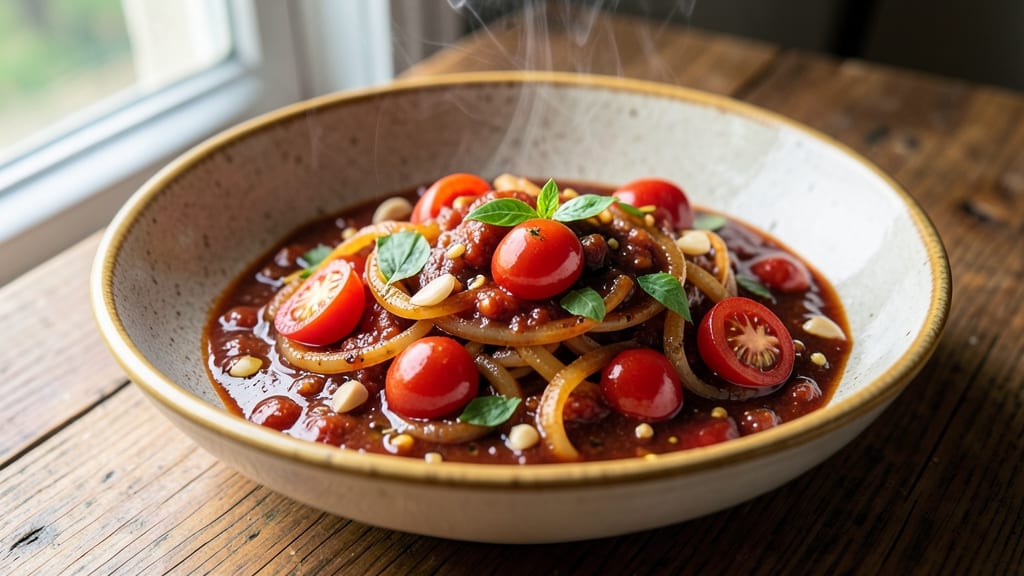
This freezer spaghetti sauce recipe with fresh tomatoes captures summer's bright flavor while lasting months in your freezer. 💛 I developed it after years of burning through grocery-store sauce, determined to create something that tasted homemade without the perishable hassle.
The secret lies in balancing fresh tomatoes with aromatic herbs and a slow simmer that deepens flavors while keeping the sauce vibrant.
What makes this recipe professional-grade is the technique: fresh tomatoes are simmered just until tender, preserving their natural sweetness rather than cooking it out. A splash of red wine and caramelized onions add depth, while a sprinkle of oregano and basil ensures that freezer burn won't dull the flavor.
The sauce thickens beautifully when reheated, making it perfect for everything from spaghetti to lasagna layers.
By following this method, you'll end up with a rich, velvety sauce that's just as delicious after three months in the freezer as it is fresh. The texture remains smooth and the taste vibrant, thanks to the careful balance of acidity and sweetness.
This isn't just a pantry staple—it's a flavor foundation that transforms ordinary meals into restaurant-quality dishes.
Whether you're prepping for winter or simply want to stock your freezer with homemade goodness, this sauce delivers consistent results. The instructions include precise timing for both fresh and frozen storage, plus foolproof reheating techniques. Let's create a sauce that tastes like summer all year round.
Ingredients for freezer spaghetti sauce recipe with fresh tomatoes
Fresh tomatoes and simple pantry staples—this sauce freezes like a dream while tasting like summer.
| Ingredient | Amount | Notes |
|---|---|---|
| Fresh Tomatoes 🍅 | 4 lbs | Roma or vine-ripened, cored and halved |
| Yellow Onion 🧅 | 1 whole | Medium size, chopped |
| Garlic Cloves 🧄 | 6 cloves | Fresh, minced |
| Red Wine 🍷 | 1 cup | Dry variety, like Cabernet Sauvignon |
| Extra-Virgin Olive Oil 🫒 | ½ cup | High quality, fruity |
| Tomato Paste 🍅 | ½ cup | Canned, not squeeze tube |
| Dried Oregano 🌿 | 1 tbsp | Mediterranean blend preferred |
| Fresh Basil Leaves 🌿 | ½ cup | Packed, stems removed |
| Salt 🧂 | 1 ½ tsp | Diamond Crystal preferred |
| Ground Black Pepper 🌶️ | ½ tsp | Freshly ground |
| Sugar 🍚 | 1 tbsp | Balances acidity |
The tomatoes are everything here. Roma or vine-ripened work best—their meaty texture holds up better than slicers. Grab 4 lbs at your local farmers market in peak season (they're sweeter and cheaper then), or stock up at Trader Joe's when they're out of season. Look for tomatoes that smell sweet and give slightly when squeezed—those are the ones packed with flavor. The onions and garlic? Yellow onions add sweetness, while garlic is non-negotiable for depth. Toast your garlic cloves in olive oil for 30 seconds before adding to bring out their flavor—worth the extra minute.
No red wine? Dry white wine or extra vegetable broth works in a pinch, but the tannins in red help balance the acidity. Fresh basil is ideal, but dried basil at half the amount gets you close (though nothing beats the fresh stuff). The tomato paste can be swapped for extra tomato sauce if you're in a hurry, but I prefer the concentrated flavor. For a smokier sauce, add 1/2 tsp smoked paprika. And if your tomatoes are particularly tart, bump the sugar to 2 tbsp. The sugar isn't about sweetness—it's about balancing the acid so your sauce doesn't taste sour after freezing.
This sauce is a freezer MVP—3-4 months in the freezer with zero flavor loss. Portion into ziplock bags or silicone molds for easy use. When reheating, add a splash of water or broth to loosen it up if it's too thick. I always make double batches—one for now, one for later. The sauce actually improves after a week in the freezer as flavors meld. Store any leftovers in the fridge for 5-7 days, but honestly, it won't last that long once you taste it.
Why You'll Love This Recipe
- I swear by this trick: rough-chop the onions and garlic, toss them straight into the pot with the halved tomatoes, and let the simmer do the work. By the time the wine reduces, everything’s soft and flavorful—no knife skills required.
- No-Chop Shortcut: I swear by this trick: rough-chop the onions and garlic, toss them straight into the pot with the halved tomatoes, and let the simmer do the work. By the time the wine reduces, everything’s soft and flavorful—no knife skills required.
- Wine-Infused Depth: That splash of red wine isn’t just for show—it melts into the sauce, leaving behind a velvety richness that cuts through the acidity of fresh tomatoes. Honestly, it’s the secret weapon that turns good sauce into ridiculously good sauce.
- Freezer Hero: Make a double batch on a lazy Sunday, freeze half, and thank me later. Thaw it straight from the freezer for busy nights, or dump it into lasagna for a last-minute dinner. It’s my go-to for when life gets chaotic.
Step-by-step instructions for freezer spaghetti sauce with fresh tomatoes
Here's how to build layers of bright tomato flavor that freezes beautifully.
🍳 Step 1: Sauté Aromatics Until Fragrant
Heat the 0.5 cup extra-virgin olive oil in a large Dutch oven over medium heat. Add the chopped yellow onion and cook for 5 minutes until softened and translucent—you'll see it go from opaque to see-through.
Add the 6 minced garlic cloves and cook for another 30 seconds until fragrant but not browned. Watch closely—garlic burns fast, and you want that sweet, mellow flavor, not bitter notes. Here's the thing—if you smell it burning, immediately reduce heat to low and stir constantly until the smell dissipates.
🍳 Step 2: Build the Tomato Base
Stir in the 0.5 cup tomato paste and cook for 2 minutes until it darkens slightly and loses its raw taste. This step develops deep, caramelized flavors that shine through after freezing.
Add the 1 cup red wine and scrape up any browned bits from the bottom of the pot—those are pure flavor. Let the wine simmer for 3-4 minutes until reduced by half. You'll see the liquid go from ruby red to a deeper amber color as the alcohol cooks off.
🍳 Step 3: Simmer Tomatoes Until Broken Down
Add the 4 lbs halved fresh tomatoes (skins on for texture), 1 tbsp sugar, 1 tbsp dried oregano, 1.5 tsp salt, and 0.5 tsp ground black pepper. Stir gently to combine, then increase heat to medium-high.
Bring to a boil, then reduce heat to low-medium and let it simmer uncovered for 30-40 minutes. You want the tomatoes to break down completely—the sauce should thicken noticeably and coat the back of a spoon. Stir occasionally, especially if it starts to stick to the bottom.
🥘 Step 4: Finish with Fresh Basil and Cool
Remove from heat and stir in the 0.5 cup fresh basil leaves. Let the sauce sit for 10 minutes—this allows the flavors to meld and the basil to release its aromatic oils. Taste and adjust seasoning if needed; you might want to add a pinch more salt or a splash of red wine vinegar to brighten the acidity.
Let the sauce cool completely before transferring to freezer bags or containers. I like to spread it out in a single layer on a tray first to freeze solid, then transfer to bags—this prevents ice crystals that can ruin texture. Once frozen, it'll keep for up to 3 months with no loss of flavor.
Pro Tips For Making Freezer Spaghetti Sauce Recipe With Fresh Tomatoes
- BLISTER THE TOMATOES FIRST: I learned this the hard way—skipping the quick sear in a screaming-hot pan ruins the texture. Halve those tomatoes, toss them cut-side down in olive oil, and let them sit until blackened in spots (about 5-7 minutes). This concentrates their sweetness and prevents a watery sauce later.
- SWEAT THE ONIONS LOW: After burning three batches, I finally figured out: onions need patience. Cook them in olive oil over medium-low heat for 10 minutes until translucent but not browned—this builds flavor without bitterness. If you rush, the wine will taste harsh, and your sauce will lack depth.
- USE DRY WINE: Sounds weird, but it works: pour the wine in after the onions are soft, let it bubble for 2 minutes, then reduce. The alcohol burns off faster when the pan isn’t wet, and you avoid that "cooking wine" aftertaste. (Yes, even if you’re impatient like me.)
- SALT THE SAUCE LATE: I skip this when I’m lazy, but the dish is noticeably better when I don’t: hold off on adding salt until the very end. The acidity in fresh tomatoes and wine throws off seasoning early on—wait until after everything’s reduced and simmered for 20 minutes to taste and adjust. Your future self will thank you.
Troubleshooting perfect results
Sauce Too Thin?
If your sauce ends up watery after simmering, don't panic—this happens when tomatoes release too much liquid. After the initial simmer, increase heat to medium-high and let it reduce uncovered for an extra 15-20 minutes.
For stubbornly thin batches, stir in 1 tbsp tomato paste or 1 tsp cornstarch mixed with 1 tbsp water to thicken. I've also had success adding ½ cup chopped celery during the initial sauté—it adds body without overpowering flavor. 🔥
Sauce Too Thick?
A thick sauce can happen if you simmer too long or use too many tomatoes. Thin it with ¼ cup warm water or broth while stirring constantly over low heat. For a smoother texture, blend ½ cup of the sauce until silky, then stir it back in.
Remember, the sauce will thicken further when reheated, so err on the slightly thinner side when freezing. If you're using this for lasagna, a thicker consistency works better for layers.
Freezer Burn Ruining Flavor?
Freezer burn happens when air reaches the sauce, causing dry spots and dull flavors. To prevent this, use ziplock freezer bags or glass containers with tight lids. Squeeze out as much air as possible before sealing.
I also recommend freezing the sauce in single layers on a tray first, then transferring to bags—this creates a solid block that minimizes air exposure. Once frozen, store in the coldest part of your freezer (0°F or below) and use within 3 months for best quality.
Sauce Tastes Bland After Freezing?
Frozen sauces often lose brightness because the acidity mellows during storage. To revive flavor, add ½ tsp red wine vinegar or lemon juice when reheating. A pinch of salt and ½ tsp sugar can also help balance flavors.
For extra depth, stir in 1 tsp fresh basil or a splash of pasta water while reheating. The sauce should taste vibrant again—this is why I always make a small batch fresh to taste alongside the frozen version for comparison.
Sauce Separates When Thawed?
Separation occurs when fats (like olive oil) and water in the sauce split during freezing. To fix it, gently reheat the sauce over low heat while stirring constantly. For stubborn separation, whisk in 1 tbsp cornstarch mixed with 2 tbsp water to emulsify.
Stirring vigorously while warm helps reintegrate the oils. To prevent this, avoid over-stirring the sauce before freezing—let it cool undisturbed so ingredients settle naturally.
Tomatoes Not Breaking Down?
If your tomatoes aren't softening enough, they likely need more time or acidity. Increase simmering time by 10-15 minutes or add ½ tsp citric acid (found in canning sections) to help break down pectin. For stubborn tomatoes, crush them slightly with your hands before adding to the pot.
I've also found that using ripe but slightly underripe tomatoes (they soften more evenly) makes a difference. If all else fails, blend ½ cup of the sauce until smooth to create a thicker, more cohesive base.
Nutrition facts
Frequently asked questions
Can I use canned tomatoes instead of fresh?
For a 1:1 substitution, use 2 (28 oz) cans crushed tomatoes plus 1 (6 oz) can tomato paste instead of fresh. The sauce will have slightly less texture but still freezes beautifully. For extra richness, add 1 tbsp tomato paste to compensate for the missing tomato skins. The key is balancing acidity—if using canned tomatoes, reduce sugar to ½ tbsp since canned varieties are less acidic.
How do I reheat frozen sauce without making it watery?
Thaw overnight in the fridge first, then reheat on low heat while stirring constantly. For a quick fix, add 2 tbsp water or broth per 2 cups sauce to help restore thickness. If it's still too thick after reheating, blend ½ cup until smooth and stir back in. Never microwave directly from frozen—this creates ice crystals that ruin texture.
What's the best way to store leftovers before freezing?
Let cooled sauce sit at room temperature for no more than 2 hours before refrigerating. For freezing, divide into 1-2 cup portions in ziplock bags or silicone molds—this prevents freezer burn. Remove as much air as possible by pressing bags flat before sealing. Store in the coldest part of your freezer (0°F or below) for up to 3 months with perfect flavor retention.
Can I add meat to this sauce before freezing?
Yes! Brown 1 lb ground beef, Italian sausage, or pancetta separately first, then stir into the sauce during the final 10 minutes of simmering. For chicken, cook 1 lb diced chicken breast until just done (165°F) before adding. The meat will reheat perfectly with the sauce. Just ensure all proteins reach safe temperatures before freezing.
Why does my sauce taste different after thawing?
Freezing mellows acidity and intensifies sweetness—this is normal! To revive brightness, add ½ tsp red wine vinegar or lemon juice while reheating. A pinch of salt and ½ tsp sugar can also help rebalance flavors. The sauce should taste just as rich—it's just adapted to its frozen state. For comparison, always taste a small batch fresh alongside the frozen version.