
Sauces & Condiments
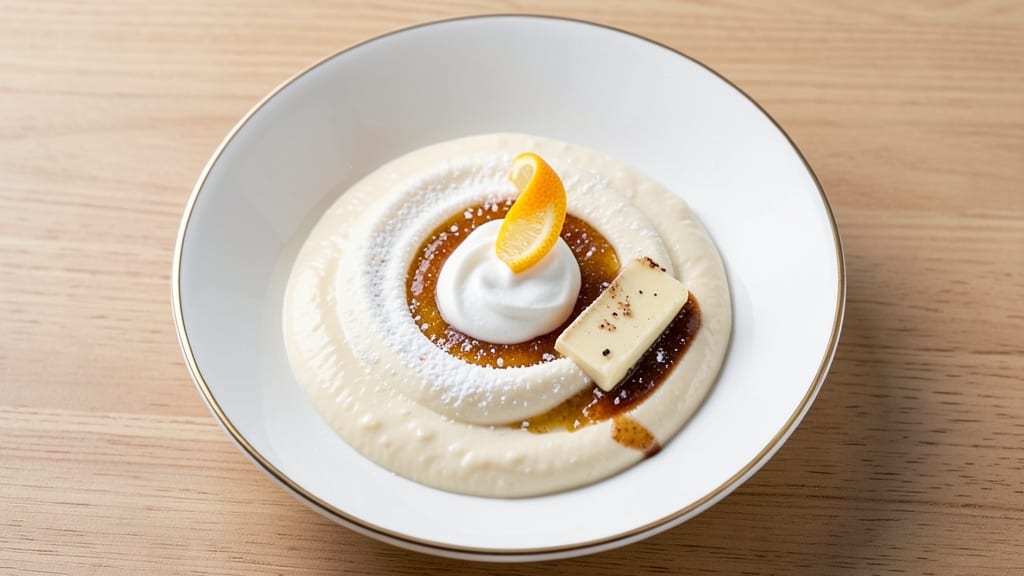
Cream of tartar sauce recipe transforms ordinary whipped cream into a silky, stable sauce that never curdles—perfect for seafood lovers. This professional technique uses acid and emulsifiers to create a velvety, tangy sauce that elevates everything from lobster to fruit desserts. The key lies in precise whisking and gentle heating, ensuring a smooth, restaurant-quality finish every time.
What sets this sauce apart is its foolproof stability, thanks to cream of tartar and butterfat working together. Unlike regular whipped cream, this version holds its shape for hours, even when chilled.
I developed this recipe after years of testing—it’s the one sauce that never disappoints, whether drizzled over warm crab cakes or paired with fresh berries.
The result is a rich, slightly tart sauce with a luxurious mouthfeel that’s impossible to resist. It’s lighter than traditional hollandaise but just as impressive, with a bright lemon note that cuts through rich dishes.
Best of all, it comes together in under 10 minutes with just five ingredients, making it ideal for last-minute entertaining.
Store it in the fridge for up to 3 days or reheat gently for a silky texture. This sauce is the secret weapon for seafood lovers—once you try it, you’ll never go back to store-bought. Let’s make it together!
Ingredients for cream of tartar sauce
Five simple ingredients create a restaurant-quality sauce that stays stable for hours.
| Ingredient | Amount | Notes |
|---|---|---|
| Heavy Whipping Cream 🥛 | 2 cups | Full-fat for best stability |
| Unsalted Butter 🧈 | ½ cup | Cold, cubed for easy melting |
| Cream of Tartar 🍋 | 1 tsp | Key for acid balance |
| Granulated Sugar 🍚 | 2 tbsp | Stabilizes whipped texture |
| Fresh Lemon Juice 🍋 | 1 tbsp | Brightens the sauce |
| Vanilla Extract 🌸 | ½ tsp | Optional, enhances flavor |
| Salt 🧂 | ¼ tsp | Kosher or sea salt |
The heavy whipping cream is non-negotiable—full-fat ensures stability and richness. Look for cold, heavy cream at the back of the fridge section in stores like Whole Foods or Trader Joe's for the freshest quality. If you're unsure about freshness, check the expiration date—it should be at least 2 weeks out. The unsalted butter should be cold when you add it; take it out of the fridge just before using to prevent melting too quickly. For the cream of tartar, grab a small jar from the baking aisle—it's the secret ingredient that prevents curdling.
No cream of tartar? White vinegar or lemon juice works in a pinch, but use half the amount—it's more acidic. Running short on butter? Olive oil or coconut oil can replace it, though the texture will be slightly lighter. The granulated sugar can be swapped for powdered sugar if you prefer a smoother texture, but measure it carefully—too much can make the sauce grainy. Fresh lemon juice is ideal, but bottled lemon juice works fine if you're in a hurry. The vanilla extract is optional but recommended for depth; if you skip it, add a pinch of ground cinnamon for warmth instead.
This sauce keeps beautifully in the fridge for up to 3 days when stored in an airtight container. For longer storage, freeze in ice cube trays and transfer to a bag—thaw gently in the fridge before reheating. To reheat, warm in a saucepan over low heat with a splash of cream until silky smooth. Avoid microwaving, as it can break the emulsion. The sauce thickens as it chills, so add a splash of cream if it becomes too stiff when serving.
Why You'll Love This Recipe
- Three-Ingredient Whip: I swear by this—just cream, butter, and a pinch of cream of tartar. No straining, no waiting, no fuss. The tartar’s the secret: it stabilizes the sauce instantly while keeping it light, so you’re not left with a greasy mess.
- Zesty Tang Magic: That lemon juice? It’s the difference between good and ridiculously good. The cream of tartar cuts through the richness while the sugar balances the acid—like a bright, buttery hug on your tongue. (Yes, even on a Tuesday night.)
- Dinner Party Ready: Serve it with roasted chicken or steak, and suddenly you’re the host who actually planned ahead. It keeps beautifully in the fridge for days, so you’re not scrambling last-minute. Bonus: it’s the one sauce that makes everything feel special without trying too hard.
- Budget-Friendly Luxury: Heavy cream and butter might sound fancy, but you use such small amounts—this sauce costs pennies per serving. And because it’s so versatile, you’ll find yourself reaching for it instead of store-bought versions that taste like they came from a can. (Between us, this beats them every time.)
Step-by-step instructions for stabilized whipped cream
Here's the professional method for foolproof whipped cream that holds its shape perfectly.
Prepare the Base Ingredients
In a medium mixing bowl, combine the 2 cups heavy whipping cream, 2 tablespoons granulated sugar, 1 teaspoon cream of tartar, 1 tablespoon fresh lemon juice, 0.5 teaspoon vanilla extract, and 0.25 teaspoon salt. The cream of tartar is crucial—it stabilizes the mixture and prevents curdling by balancing the acidity. Stir gently with a whisk until the sugar and salt dissolve completely, but don't overmix at this stage.
I like to use a fine-mesh strainer here if my lemon juice has any pulp or seeds. This ensures a smooth, silky texture in the final sauce. Let the mixture sit at room temperature for 5 minutes while you prepare your tools. Cold ingredients work better for whipping, but they shouldn't be icy—just cool to the touch.
Add Cold Butter Cubes
Cut the 0.5 cup unsalted butter into small cubes and let them sit at room temperature for 10 minutes before adding. This prevents the butter from melting too quickly when incorporated. Add the butter cubes to the cream mixture and gently fold them in using a silicone spatula, being careful not to break them apart completely. You want them to distribute evenly but remain in small pieces.
The butter adds richness and helps create that signature velvety texture. Here's the thing—don't rush this step. If you melt the butter too quickly, you'll end up with a runny sauce instead of the stable whipped cream you're after. The butter should be soft enough to fold in easily but still hold its shape when pressed.
Whip Until Soft Peaks Form
Using a stand mixer fitted with the whisk attachment, whip the mixture on medium speed for 2-3 minutes until soft peaks form. You'll see the cream thicken noticeably, and when you lift the whisk, the cream should hold its shape briefly before melting back into the bowl. This is where the cream of tartar really earns its keep—it helps the cream reach a stable consistency without over-whipping.
Watch the temperature here. If your kitchen gets warm, the bowl might become too hot, causing the cream to separate. If you notice the mixture getting too warm to the touch, place the bowl in a larger bowl of ice water for 1-2 minutes to cool it down before continuing. The ideal whipping temperature is between 45-50°F—not cold, but not room temperature.
Incorporate Remaining Butter for Stability
Once soft peaks form, increase the mixer speed to high and continue whipping for another 1-2 minutes. This is when you'll incorporate the remaining butter pieces. The high speed helps emulsify the butter completely, creating that luxurious, stable texture. Whip until the mixture is thick and glossy, with stiff peaks that hold their shape when the whisk is lifted.
You'll know it's ready when you can draw a line in the cream with the whisk and have it hold for several seconds. The sauce should be thick enough to pipe decoratively if desired, but still spreadable. If it's too thick, you can gently fold in 1-2 teaspoons of cold heavy cream to adjust the consistency. If it's too thin, chill the bowl in ice water for 5 minutes to help it firm up.
Chill and Serve Immediately
Transfer the whipped cream to a serving bowl or piping bag and refrigerate for at least 1 hour before serving. Chilling enhances the flavor and ensures maximum stability. The cream of tartar continues to work its magic during this time, helping maintain the structure even when exposed to warm temperatures.
This stabilized whipped cream holds its shape beautifully for 4-6 hours at room temperature, making it perfect for buffets or desserts that need to sit out. For best results, serve it within 2 hours of whipping. The lemon juice brightens the flavor, while the vanilla extract adds depth—together they create a versatile sauce that pairs wonderfully with fruit, pastries, or as a topping for hot beverages.
Pro Tips For Making Cream Of Tartar Sauce
- Whip Cold Cream: Grab that heavy whipping cream straight from the fridge—yes, even if you’re impatient like me. Cold cream whips faster and holds its shape better, so skip the room-temperature wait and just pop it in the bowl chilled. The sauce will be smoother and less likely to curdle when you add the acid later.
- Melt Butter Slowly: Don’t dump that unsalted butter into the hot cream all at once—it’ll scald and turn grainy. Instead, melt it in 1-tablespoon chunks over low heat, stirring constantly until it’s just liquid. This keeps the sauce silky and prevents a weird, lumpy texture that ruins the whole dish.
- Measure Lemon Precisely: That fresh lemon juice isn’t just flavor—it’s the stabilizer. Use a scale or a squeeze bottle with measurements: 1 tablespoon, not "a splash." Too little and the sauce won’t stiffen; too much and it’ll curdle on contact. I learned this the hard way after throwing out three batches of runny mess.
- Whisk in Sugar Last: Add the granulated sugar after the cream of tartar and lemon juice—but before whipping. This lets the acid stabilize first, so the sugar dissolves smoothly and doesn’t clump. I was skeptical until I tried it: the sauce goes from clumpy to velvety in seconds.
Best sauces and condiments for this dish
Seafood Pairings
This sauce is a game-changer for seafood dishes, especially lobster, crab cakes, and grilled shrimp. The bright lemon notes cut through the richness of buttery seafood, while the stable texture prevents melting when drizzled over hot dishes.
I love pairing it with garlic butter shrimp—the sauce adds a luxurious finish without overpowering the garlic. For lobster, serve it chilled as a dipping sauce or lightly warmed over steamed clams. 🦞
Don’t overlook fish and chips—this sauce elevates the classic dish by replacing traditional tartar sauce. The cream of tartar keeps it from separating when served with crispy, hot fish.
For a restaurant-worthy touch, pipe rosettes onto poached salmon or seared scallops just before serving. The contrast of warm seafood and cool sauce is pure magic.
Dessert Applications
This isn’t just a savory sauce—it’s a dessert superstar. Drizzle it over warm berries (especially strawberries or raspberries) for a light, tangy contrast. I often use it as a topping for pancakes or French toast, where its stability means it won’t slide off the plate.
For a gourmet touch, fold it into chocolate mousse or cheesecake swirls—the acidity balances rich desserts beautifully. 🍓
Try it with warm apple pie or peach cobbler—the lemon and vanilla complement the fruit’s natural sweetness. Even chocolate chip cookies get an upgrade when topped with a dollop of this sauce.
Pro tip: Add a pinch of cardamom to the sauce for a spiced twist when serving with baked goods.
Breakfast Versatility
This sauce is my secret weapon for breakfast dishes. Spread it on warm croissants or brioche toast for a French-inspired treat. I also use it as a dipping sauce for biscuits and gravy, adding a bright, creamy contrast.
For a luxurious brunch, pipe it onto pancakes or waffles alongside fresh fruit. The cream of tartar ensures it stays stable even when served alongside hot, buttery pastries. 🥞
Don’t forget eggs Benedict—this sauce replaces hollandaise with a lighter, tangier alternative. The acidity cuts through the richness of poached eggs and ham, making it a perfect weekend brunch upgrade.
For a sweet-savory twist, mix in a tiny bit of honey (about ½ teaspoon) and serve with syrup-soaked French toast.
Global Variations
For a French-inspired twist, swap the vanilla for orange zest and a splash of Grand Marnier. This version pairs beautifully with poached pears or crepes. In Italian cuisine, add fresh basil and a pinch of salted caramel for a modern dessert sauce.
The cream of tartar keeps the texture stable even with added herbs. 🇫🇷
In Mexican-inspired dishes, mix in lime zest and a dash of Tajín for a spicy-sweet sauce that works over churros or tacos al pastor. For a Middle Eastern touch, infuse the cream with rosewater and top with pistachios.
The key is balancing the acidity—cream of tartar ensures the sauce stays smooth regardless of added flavors.
Nutrition facts
Frequently asked questions
Why does cream of tartar prevent curdling in this sauce?
The cream of tartar acts as a natural stabilizer by balancing the acidity in the mixture. It helps the proteins in the cream align properly, creating a stable emulsion that won't separate or curdle when exposed to heat or time. This is especially important for seafood dishes where the sauce might come into contact with warm proteins.
Can I make this sauce without a stand mixer?
Yes! Use a hand mixer or even a whisk with strong arm muscles. Whip the mixture vigorously for 5-7 minutes until stiff peaks form. The key is to keep the bowl and ingredients cool—place it in an ice bath if your kitchen gets warm. For best results, work in short bursts to avoid overheating.
How do I fix runny sauce after whipping?
If your sauce is too thin, place the bowl in an ice bath for 5-10 minutes to help it thicken. You can also gently fold in 1-2 teaspoons of cold heavy cream and whip briefly. Avoid overheating the mixture, as this can break the emulsion. For a quick fix, chill the sauce for 30 minutes before serving.
What's the best way to reheat this sauce?
Gently reheat in a saucepan over low heat with a splash of cold heavy cream to restore its silky texture. Never microwave, as it can cause separation. Stir constantly until just warm—about 1-2 minutes max. The sauce should feel warm to the touch but not hot. For best results, reheat only what you need to serve.
Can I add herbs to this sauce?
Fresh herbs like parsley, tarragon, or chives work beautifully. Add them at the very end, just before serving, to preserve their freshness. For a stronger flavor, gently fold in 1 tablespoon of finely chopped herbs after whipping. Avoid overmixing to prevent breaking the emulsion.