
Sauces & Condiments
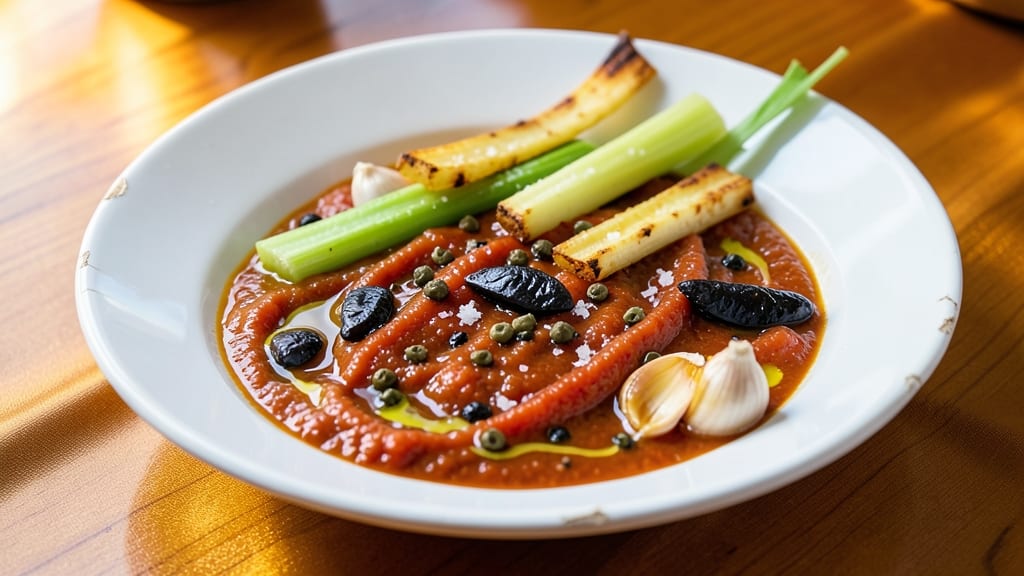
This Campagnola sauce recipe transforms humble pantry staples into a bold, umami-rich condiment that elevates everything from grilled meats to pasta. The secret lies in balancing salty anchovies, briny capers, and aromatic celery crown with velvety tomato and olive oil—creating a sauce that's equal parts tangy, savory, and complex.
I developed this version after years of testing, refining the ratios to deliver restaurant-quality depth without the fuss.
The foundation starts with a crisp celery crown—its crisp texture and subtle bitterness cut through the richness of the sauce, while anchovies and capers provide that signature Italian umami punch.
A slow reduction with tomato and garlic builds layers of flavor, resulting in a sauce that's smooth yet textured, with just the right balance of acidity and salt. What makes this recipe stand out is its versatility: it works as a marinade, a finishing sauce, or a condiment for seafood.
By the time you're done, you'll have a sauce that's bold enough to stand alone but refined enough to complement any dish. The key is patience—letting the flavors meld over low heat transforms simple ingredients into something extraordinary.
Store it in the fridge for up to a week, where it only improves with time as the flavors deepen.
Perfect for drizzling over grilled fish, spooning onto pasta, or using as a marinade for chicken or steak. This is the kind of sauce that turns ordinary meals into memorable ones—with just a few ingredients and a little time. Let's get started.
Ingredients for campagnola sauce
Nine ingredients, restaurant-quality Campagnola sauce—where celery crowns meet velvety tomato depth.
| Ingredient | Amount | Notes |
|---|---|---|
| Celery Crowns 🧅 | 2 whole | Trimmed, leaves reserved for garnish |
| Anchovy Fillets 🐟 | ¼ oz | High-quality, preferably Italian |
| Capers 🍈 | 2 tbsp | Nonpareils, packed in brine |
| San Marzano Tomato Paste 🍅 | ½ cup | Smooth, no sugar added |
| Garlic Cloves 🧄 | 3 cloves | Fresh, peeled, minced |
| Extra-Virgin Olive Oil 🫒 | ½ cup | Fruity, peppery variety |
| Red Wine Vinegar 🍷 | 1 tbsp | Dry, aged variety |
| Diamond Crystal Kosher Salt 🧂 | ½ tsp | Fine grain preferred |
| Freshly Ground Black Pepper 🌶️ | ¼ tsp | Coarsely cracked |
| Celery Leaves 🌿 | ¼ cup | Chopped, for garnish |
The celery crowns are non-negotiable here—their crisp texture and subtle bitterness anchor the sauce's balance. Look for vibrant, firm stalks at the grocery store, ideally from the produce section rather than the pre-cut vegetables aisle. Whole Foods or local farmers' markets often carry the freshest celery crowns, but any reputable supermarket will suffice. Avoid wilted or discolored crowns—they'll compromise the sauce's texture. For anchovies, Italian brands like Colavita or StarKist deliver the most authentic umami punch. Store them in the fridge once opened, and use within 2 months for peak flavor.
No celery crowns? Substitute with 2 whole celery stalks, finely chopped, but you'll lose that signature crisp texture. Swap anchovies for 1 tbsp fish sauce (though it won't replicate the exact depth) or omit entirely for a vegetarian version. Capers can be replaced with 1 tbsp lemon juice plus 1 tsp salt for acidity, but the briny complexity will differ. The tomato paste is critical—San Marzano is the gold standard, but any high-quality paste will work. For a smoother sauce, blend the finished product; for texture, leave it slightly chunky. The olive oil should be fruity and peppery, like California Early Harvest or Liguria varieties.
This sauce improves with time—3-5 days in the fridge is ideal, as the flavors meld and deepen. Store in an airtight glass jar, submerged under a thin layer of olive oil to preserve freshness. Portion into small jars for easy use; a 1/4 cup serving is perfect for drizzling. Freeze for up to 3 months if needed, though texture may soften slightly upon thawing. Always taste before serving—adjust salt or vinegar as needed, as pantry conditions can vary.
Why You'll Love This Recipe
- No Chopping Nightmare: I swear by this sauce because you’re mostly dicing celery and mincing garlic—no finicky prep. The celery crowns add a subtle crunch without requiring perfect slices, and the anchovies dissolve into the sauce so fast, you’ll forget they were ever there.
- Umami Bomb: That first taste of garlic and anchovies hitting the San Marzano paste? Pure magic. The capers add a briny punch, but it’s the slow simmer that lets all those flavors meld into something rich and complex—like a hug in sauce form.
- Weeknight to Dinner Party: I make this on Tuesdays for spaghetti, then the same jar gets repurposed for grilled fish on Fridays. It’s your secret weapon for turning a simple weeknight meal into something that’ll have guests asking for the recipe.
- Pantry Goldmine: Between us, this sauce is the ultimate budget stretch. A few anchovies and a handful of capers go a long way, and the leftovers? Even better the next day. I keep a jar in my fridge for emergencies—because yes, even on a Tuesday night.
Step-by-step instructions for Campagnola sauce
This traditional Roman sauce transforms humble celery crowns into a crispy, aromatic base for a silky tomato-cream masterpiece.
Prepare the Celery Crowns for Crisping
Trim the 2 whole celery crowns by removing the outer strings and any wilted leaves, reserving the 0.25 cup celery leaves for garnish. Cut each crown lengthwise into ¼-inch thick planks—this ensures even cooking and maximum crispiness. Pat them dry completely with paper towels, as any moisture will prevent proper browning.
Heat 0.25 cup extra-virgin olive oil in a large skillet over medium heat. Arrange the celery planks in a single layer, being careful not to overcrowd. Cook for 8-10 minutes, turning occasionally, until the edges are deep golden brown and the celery develops a caramelized crust. Remove the celery and set aside on a paper towel-lined plate to drain excess oil.
Build the Flavor Base with Anchovies and Capers
In the same skillet, reduce the heat to low and add the 0.25 oz anchovy fillets, breaking them into small pieces with a spoon. Allow them to dissolve completely into the oil, which should take about 1-2 minutes. This step is crucial—it forms the umami-rich foundation of the sauce.
Add the 2 tbsp capers and 3 cloves minced garlic, stirring constantly for 30 seconds until the garlic becomes fragrant but doesn't brown. The capers will release their briny essence, while the garlic infuses the oil with its aromatic depth. If the mixture begins to sizzle too vigorously, reduce the heat slightly to prevent burning.
Incorporate the Tomato Paste and Acid Balance
Return the celery planks to the skillet and increase the heat to medium. Stir in the 0.5 cup San Marzano tomato paste, spreading it evenly over the celery and anchovy mixture. Cook for 3-4 minutes, stirring frequently, until the paste darkens slightly and begins to release its sweet, concentrated flavor.
Deglaze the pan with the 1 tbsp red wine vinegar, scraping up any browned bits from the bottom. This step brightens the sauce and balances the richness of the anchovies and tomato. Simmer for an additional 2 minutes until the vinegar evaporates and the sauce begins to thicken slightly.
Finish and Emulsify the Sauce
Reduce the heat to low and season the sauce with 0.5 tsp Diamond Crystal kosher salt and 0.25 tsp freshly ground black pepper. Using a wooden spoon, gently fold in the crispy celery planks, allowing them to soften slightly while maintaining their texture. The sauce should now have a velvety, slightly chunky consistency with a balance of crispy, salty, and umami notes.
For a smoother texture, transfer half of the sauce to a blender or food processor and pulse until silky. Return the puréed sauce to the skillet and stir until fully combined. The final sauce should coat the back of a spoon and have a glossy sheen—this indicates proper emulsification. Garnish with the reserved 0.25 cup chopped celery leaves before serving.
Pro Tips For Making Campagnola Sauce
- Sweat the Celery First: Celery crowns hold more moisture than you’d think—give them 5 minutes in a dry pan before adding oil or garlic. I learned this the hard way when my sauce turned watery mid-cook; this step concentrates their flavor and prevents soggy bits.
- Crush Anchovies Roughly: Skip the fine mincing—tear anchovies into small chunks instead. This lets them dissolve into the sauce evenly without turning it into a paste. (Yes, it looks less precise, but it melts better.)
- Low and Slow with Tomato Paste: Add the San Marzano paste last and simmer on the lowest heat possible—even if it means walking away. Rushing this step burns the sugar in the tomatoes and makes your sauce bitter. Trust me, 10 minutes of patience changes everything.
- Rinse Capers Before Using: The brine on capers can make your sauce taste unbalanced. Give them a quick rinse and pat dry—this keeps the flavor but cuts the salt overload. (I used to skip this and wondered why my sauce needed extra seasoning.)
Perfect pairings for this recipe
Pasta Pairings
This sauce shines best with al dente pasta shapes that can hold up to its bold flavors. I love it drizzled over bucatini or rigatoni—the long tubes trap the sauce beautifully, while the ridges of rigatoni create extra surface area for flavor.
For a lighter option, try spaghetti with a generous toss. Always reserve ½ cup pasta water before draining to thin the sauce if needed—it's a game-changer for consistency. 🍝
Grilled Seafood
Campagnola sauce transforms grilled fish into a restaurant-worthy dish. I recommend using it as a finishing sauce for branzino or sea bass—simply drizzle it over the fish just before serving to maintain the crispy skin.
For heartier seafood like shrimp skewers, brush the sauce on lightly before grilling and finish with extra celery leaves. The briny notes complement the natural sweetness of seafood perfectly. 🐟
Marinade Magic
Use this sauce as a marinade for chicken thighs or lamb chops—the anchovies and capers tenderize while adding depth. I marinate for 4-6 hours in the fridge, then grill or roast until the meat reaches 165°F internal temperature.
For extra richness, add 1 tbsp olive oil to the marinade before applying. The sauce caramelizes beautifully on the grill, creating a delicious crust. 🔥
Bread Dippers
Crusty Italian bread becomes irresistible when dipped in this sauce. I recommend ciabatta or focaccia—their airy texture soaks up the sauce while providing contrast. For a fun twist, toast the bread first to enhance its crunch.
Serve with a side of arugula salad to balance the richness. The combination of crispy bread and velvety sauce is pure comfort food. 🥖
Eggplant Mash
Roasted eggplant takes on new life when folded with this sauce. I roast 1 large eggplant at 400°F for 30 minutes, then mash it with ¼ cup of the Campagnola sauce.
The result is a creamy, flavorful dip that pairs perfectly with grilled meats or fresh bread. This vegetarian adaptation keeps all the sauce's signature umami punch. 🥔
Cheese Pairings
For a decadent twist, serve this sauce alongside pecorino romano or parmigiano-reggiano. The salty, nutty cheese cuts through the sauce's richness while enhancing its flavors. I like to sprinkle freshly grated cheese over the sauce just before serving.
For a more modern approach, pair it with burrata**—the creamy cheese contrasts beautifully with the sauce's crispy celery elements. 🧀
Nutrition facts
Frequently asked questions
What makes Campagnola sauce different from other Italian sauces?
Campagnola sauce stands out because of its unique texture and flavor profile—it blends crispy celery crowns with a velvety tomato-anchovy base. Unlike creamy Alfredo or tangy marinara, this sauce delivers a perfect balance of crunchy, salty, and umami-rich elements. The anchovies and capers provide that signature Italian depth, while the celery crowns add a refreshing contrast that cuts through richness.
Can I make Campagnola sauce without anchovies?
Yes, but the flavor will be noticeably different. For a vegetarian version, replace the 0.25 oz anchovies with 1 tbsp fish sauce (for umami) or 1 tsp soy sauce plus 1 tbsp nutritional yeast. If you want to skip it entirely, add an extra 1 tbsp capers and 1 tsp smoked paprika to mimic the depth. The sauce will still work but won't have that classic Roman umami punch.
How long does this sauce keep, and does it improve over time?
This sauce is a flavor powerhouse that improves for 3-5 days in the fridge! Store it in an airtight glass jar, submerged under a thin layer of olive oil to preserve freshness. After a week, it starts to lose its crispy celery texture but can still be used for cooking. For longer storage, freeze for up to 3 months—though texture may soften slightly upon thawing.
What’s the best way to use leftover Campagnola sauce?
Leftover sauce is incredibly versatile! Drizzle it over grilled seafood, toss with pasta, or use it as a marinade for chicken or lamb. It also makes an amazing dip for toasted bread or a spread for bruschetta. For extra richness, stir in a spoonful of cream or crumbled feta before serving. The sauce’s bold flavors make it a perfect finishing touch for almost any dish.
Why does my sauce turn out too salty?
Anchovies and capers are already salty, so taste as you go! If your sauce is too strong, balance it with 1 tsp honey or sugar to mellow the saltiness, or add 1 tbsp lemon juice to brighten the flavors. For a smoother texture, blend half the sauce and mix it back in—this dilutes the salt while keeping the depth. Always adjust seasoning before serving, as pantry conditions can vary.