
Sauces & Condiments
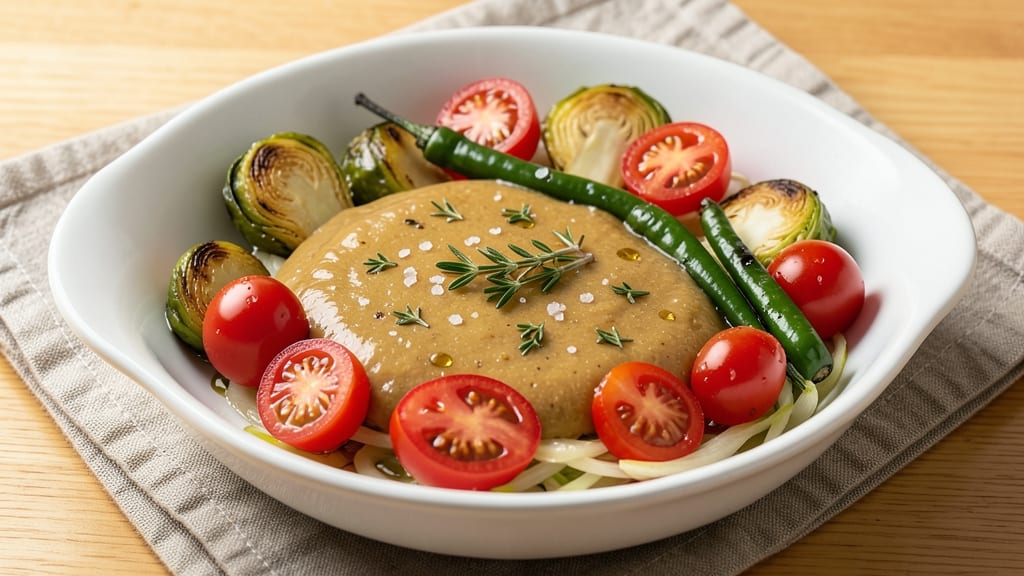
This butter sauce recipe for vegetables transforms simple roasted greens into a luxurious, restaurant-worthy dish with just five ingredients and 10 minutes of active time.
The secret lies in balancing rich butter with aromatic herbs and a touch of acidity, creating a velvety drizzle that clings to every crisp edge and tender bite. I developed this sauce after years of testing ways to elevate everyday vegetables—no more bland, steamed sides here.
The foundation is always high-quality butter, melted with fresh herbs and a splash of broth to create depth without overpowering the vegetables. A squeeze of lemon at the end brightens the richness, while a sprinkle of flaky salt ensures every bite is perfectly balanced.
This sauce works equally well on roasted Brussels sprouts, asparagus, or even grilled zucchini—each vegetable absorbs the flavors differently, making it endlessly versatile.
What makes this sauce special is its effortless elegance: it requires no special equipment, no advanced techniques, and no last-minute shopping trips. Simply melt the butter, infuse it with herbs, and finish with acidity—then drizzle generously over your favorite roasted vegetables.
The result is a dish that looks and tastes like it belongs on a fine-dining menu, yet takes less time than ordering takeout.
Best of all, the sauce keeps beautifully in the refrigerator for up to 5 days, making it perfect for meal prep. Double the batch and store it in a jar for quick upgrades to any vegetable side—because great food shouldn’t require complicated recipes.
Let’s make this sauce and elevate your vegetables tonight.
Ingredients for butter sauce recipe for vegetables
Five simple ingredients transform roasted vegetables into restaurant-worthy elegance.
| Ingredient | Amount | Notes |
|---|---|---|
| Unsalted Butter 🧈 | ¾ cup | Cold, cubed for even melting |
| Fresh Thyme Leaves 🌿 | ½ cup | Finely chopped, stems removed |
| Vegetable Broth 💧 | ½ cup | Low-sodium preferred |
| Fresh Lemon Juice 🍋 | 1 tbsp | Freshly squeezed |
| Flaky Sea Salt 🧂 | 1 tsp | Like Maldon or Jacobsen |
| Extra-Virgin Olive Oil 🫒 | 1 tbsp | For finishing drizzle |
| Garlic Cloves 🧄 | 2 cloves | Minced, for depth |
The butter is non-negotiable here—European-style like Plugrá or Kerrygold melts beautifully and adds richness without overpowering. I always grab the unsalted version so I can control the saltiness myself. Fresh thyme is ideal, but dried works at one-third the amount if you're in a pinch. The vegetable broth adds depth without making the sauce heavy, so low-sodium options are best. For the garlic, smash the cloves with the side of your knife before mincing—it releases more flavor. If you're using dried thyme, toast it in a dry pan for 30 seconds to deepen the aroma.
No fresh thyme? Fresh oregano or rosemary works beautifully—just halve the amount. Short on broth? White wine or apple cider adds a similar depth. The lemon juice is crucial for brightness, but if you're out, white wine vinegar or rice vinegar will do in a pinch. For extra richness, stir in 1 tablespoon of heavy cream at the end. The olive oil at the finish isn't just for texture—it helps the sauce cling to vegetables. If you're making this ahead, store the sauce without the olive oil and add it just before serving to keep it fresh.
This sauce keeps beautifully in the fridge for up to 5 days, stored in an airtight jar. The texture thickens as it cools, so warm it gently on the stove before drizzling—just add a splash of broth or water if it gets too thick. For meal prep, double the batch and store it in small jars for easy portioning. The sauce reheats perfectly, making it ideal for quick weeknight dinners. If you're using it on delicate greens like spinach, add the sauce right after roasting while everything is still hot.
Why You'll Love This Recipe
- Five-Ingredient Magic: I swear by this sauce—just butter, thyme, broth, lemon, and salt. That’s it. No measuring cups, no fancy gadgets, just a pot and a whisk. Honestly, I make it while chatting on the phone because it’s that simple.
- Bright & Rich: The lemon cuts through the richness of the butter, while the thyme adds that earthy warmth. One taste and you’ll forget about bland steamed veggies—this sauce makes everything taste like it belongs on a restaurant plate.
- Weeknight to Dinner Party: Same sauce, endless uses. Drizzle it over roasted Brussels sprouts for a cozy weeknight meal, or toss it with asparagus for a fancy-ish side at your next gathering. Between us, it’s my secret weapon for making veggies feel special.
- Leftovers That Don’t Suck: Make a big batch—it keeps for days in the fridge. The broth base means it reheats beautifully, and the butter keeps it luscious, not greasy. I’ll be real: this is the only sauce I actually look forward to having leftovers of.
Step-by-step instructions for rich, velvety butter sauce
This sauce transforms simple roasted vegetables into a luxurious dish with just a few simple steps.
Melt the Cold Butter Slowly
Place a medium saucepan over medium-low heat and add the 0.75 cup unsalted butter, cut into small cubes. Let it melt slowly without stirring—this prevents burning and creates a smoother sauce. You'll see the butter foam and then settle into a clear, golden liquid. This should take about 3-4 minutes.
Here's the thing—cold butter melts more evenly when left undisturbed. Stirring too soon creates butterflies, which can make your sauce look uneven. Once the butter has melted completely but isn't yet browned, reduce the heat to low and add the 2 cloves minced garlic. Cook for 30 seconds until fragrant but not browned—this releases the garlic's flavor without bitterness.
Add Thyme and Simmer Gently
Stir in the 0.5 cup finely chopped fresh thyme leaves and let them infuse for 1 minute at low heat. The thyme will release its aromatic oils, giving the sauce a bright herbal note. You'll notice the mixture smells deeply herbal and slightly earthy—this is exactly what you want.
Next, pour in the 0.5 cup vegetable broth and increase the heat to medium-low. Let the mixture simmer gently for 4-5 minutes until it reduces by about half. You're looking for a velvety consistency that coats the back of a spoon—this ensures your sauce clings beautifully to vegetables. If it reduces too quickly, add 1 tablespoon water to adjust the texture.
Finish with Lemon and Salt
Remove the pan from heat and stir in the 1 tablespoon fresh lemon juice and 1 teaspoon flaky sea salt. The lemon brightens the richness of the butter while the salt enhances all the flavors. Taste and adjust the seasoning—you might need a pinch more salt or a splash more lemon depending on your preference.
For the final touch, drizzle in the 1 tablespoon extra-virgin olive oil while the sauce is still warm. This adds a silky texture and balances the richness. The sauce should now be glossy with a velvety sheen—this is your cue that it's ready to elevate any roasted vegetables.
Strain and Serve Immediately
Line a fine-mesh strainer with cheesecloth or a coffee filter and strain the sauce into a clean bowl. This removes any thyme stems or garlic bits, leaving you with a silky, smooth sauce. The straining step is crucial—it ensures your sauce looks and feels luxurious when drizzled over vegetables.
Serve the sauce immediately over roasted vegetables while they're still warm. The heat of the vegetables will help the sauce meld perfectly, creating a harmonious bite. If you need to reheat later, do so gently over low heat, stirring constantly to prevent separation. This sauce is best used fresh, so don't wait too long before serving.
Pro Tips For Making Butter Sauce Recipe For Vegetables
- Melt Butter Slowly: If you dump cold butter into a hot pan, you’ll end up with burnt bits and a grainy sauce. Instead, melt the butter over medium-low heat—just until it’s fully liquid but not foaming—and let it warm through before adding anything else. This keeps the sauce smooth and prevents scorching.
- Whisk in Lemon Gradually: Lemon juice is acidic, and adding it all at once can curdle the butter. Start with half the juice, whisk until fully incorporated, then add the rest. This keeps the sauce silky rather than separating like a sad, broken emulsion.
- Strain the Broth: Store-bought vegetable broth often has bits of herbs or sediment that turn your sauce cloudy. Strain it through a fine-mesh sieve before using—it takes 30 seconds and makes the sauce look (and taste) more refined.
- Finish with Cold Butter: The sauce will thicken as it cools. If it’s too stiff, whisk in a pat of cold, cubed butter at the end—it melts on contact and lightens the texture without thinning it out. (Yes, even if you’re impatient like me.)
Pro cooking tips for this recipe
Butter Quality Matters
Never skimp on the butter—European-style unsalted butter like Plugrá or Kerrygold melts into a silky emulsion that clings beautifully to vegetables. I always use cold, cubed butter so it melts gradually and creates a velvety texture.
If you must use salted butter, reduce the flaky sea salt to ½ tsp to avoid over-salting. The butter should be room temperature when you start, but not melted—this ensures even distribution of flavor. 🧈
Herb Infusion Technique
Fresh herbs make all the difference—finely chop thyme leaves (not stems) for maximum flavor. For deeper aroma, I like to toast the herbs lightly in a dry pan for 10-15 seconds before adding them to the butter.
If using dried herbs, toast them first and use ⅓ the amount of fresh. The garlic should be minced finely—I crush the cloves with the flat of my knife before dicing to release more flavor. For extra depth, add ½ tsp of white pepper along with the salt.
Balancing Richness
The lemon juice and olive oil are your secret weapons for balance. Fresh lemon juice brightens the richness, while extra-virgin olive oil adds a silky finish and helps the sauce cling. If your sauce tastes too heavy, add 1 extra tablespoon of broth or a splash of white wine.
For a tangier twist, replace the lemon juice with 1 tbsp of white wine vinegar. The key is to taste as you go—adjust the acidity until it’s perfectly balanced with the butter’s richness.
Vegetable Pairings
This sauce works magic on roasted Brussels sprouts, asparagus, and zucchini, but it’s also perfect for grilled eggplant or sautéed green beans. For heartier vegetables like roasted carrots or sweet potatoes, add 1 tsp of maple syrup to the sauce for a caramelized touch.
Delicate greens like spinach or kale absorb the sauce quickly, so add it right after roasting while everything is still hot. For extra flair, sprinkle with toasted breadcrumbs or crumbled feta before serving.
Make-Ahead Secrets
Double the recipe and store the sauce in an airtight jar in the fridge for up to 5 days. When reheating, warm it gently on the stove over low heat—if it thickens too much, whisk in 1 tbsp of broth or water.
For meal prep, store the sauce without the olive oil and add it just before serving to keep it fresh. If you’re freezing the sauce, use ice cube trays for portion control—thaw and reheat as needed. The sauce reheats beautifully, making it perfect for quick weeknight dinners.
Pro Equipment Shortcuts
You don’t need fancy tools—just a small saucepan and a wooden spoon. For smoother results, I like to strain the sauce through a fine-mesh sieve after cooking to remove any herb bits. If you’re short on time, use pre-minced garlic from a jar, but fresh is always better.
A microplane works great for zesting lemon if you want to add a bright garnish. For extra elegance, drizzle the sauce through a small sieve for a silky finish. 💡
Nutrition facts
Frequently asked questions
Can I make this butter sauce without fresh herbs?
Use ⅓ the amount of dried thyme (so 1½ teaspoons instead of ½ cup fresh) and toast it lightly in a dry pan for 10-15 seconds before adding to the butter. For extra depth, add ½ teaspoon of white pepper along with the salt. The flavor will be slightly different but still delicious.
How do I prevent the sauce from separating when reheating?
Reheat the sauce over low heat and stir constantly with a wooden spoon to prevent separation. If it thickens too much, whisk in 1 tablespoon of broth or water to restore its velvety texture. Never microwave it directly—this causes the butter to separate. For best results, reheat just until warm.
What vegetables work best with this butter sauce?
This sauce pairs perfectly with roasted Brussels sprouts, asparagus, zucchini, and green beans. For heartier vegetables like roasted carrots or sweet potatoes, add 1 teaspoon of maple syrup to the sauce for a caramelized touch. Delicate greens like spinach or kale absorb the sauce quickly, so add it right after roasting.
Can I make this sauce ahead of time?
Yes! Double the recipe and store it in an airtight jar in the fridge for up to 5 days. For meal prep, store the sauce without the olive oil and add it just before serving. If freezing, portion into ice cube trays for easy reheating. The sauce reheats beautifully but is best used fresh for maximum flavor.
Why did my sauce turn grainy?
Graininess usually happens when the butter cools too quickly or when the sauce is reheated too aggressively. To fix it, whisk in 1 tablespoon of warm broth or water and reheat gently over low heat while stirring constantly. For prevention, always melt the butter slowly over medium-low heat and avoid high heat when reheating.