
Sauces & Condiments
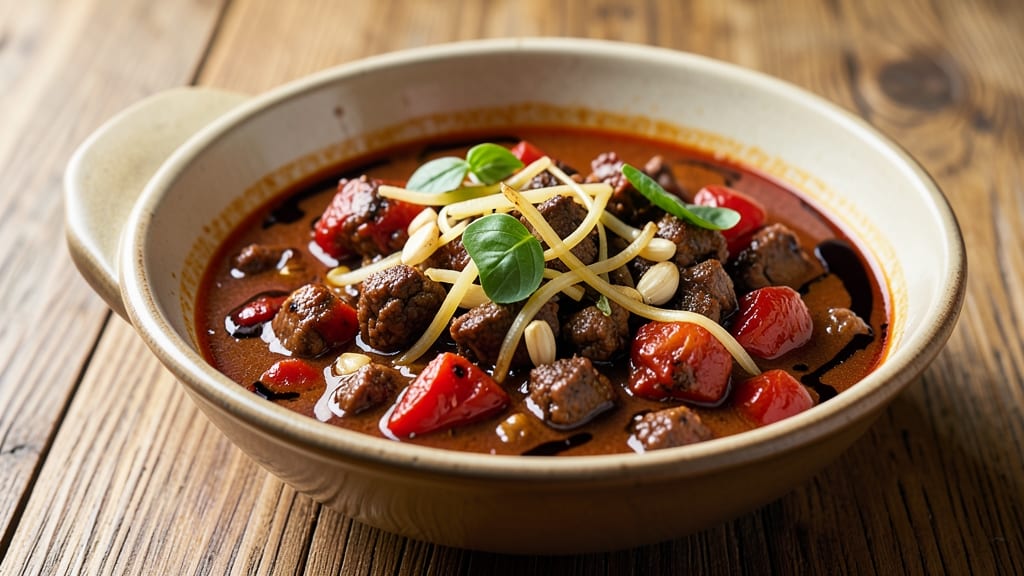
Batali’s Bolognese sauce recipe transforms a classic Italian staple into a smoky, complex masterpiece with chipotle heat and vinegar brightness—no shortcuts, just deep flavor. This isn’t your grandmother’s sauce; it’s a rich, emulsified simmer that balances earthy meat, wine, and tomatoes into velvety perfection.
The secret? Slow reduction and a touch of acidity that cuts through richness while preserving authenticity. What sets this apart is the dual-layer technique: first building a deep, caramelized base with onions and garlic, then layering in meat and wine before introducing tomatoes.
The chipotle powder adds smoky depth without overpowering, while a splash of vinegar at the end brightens the sauce and creates that signature emulsified texture. It’s the kind of sauce that clings to pasta like a second skin.
By the time you’re done, you’ll have a restaurant-quality Bolognese that’s rich, balanced, and packed with layers of flavor. It’s the kind of sauce that makes weeknight dinners feel like a special occasion—deep, complex, and impossible to resist. The best part?
It tastes even better the next day as flavors meld. Whether you’re simmering on the stovetop or adapting for a slow cooker, this recipe delivers authentic Italian roots with a modern twist. Let’s get started—your taste buds will thank you.
Ingredients for bolognese sauce recipe batali
Nine essential ingredients transform classic Bolognese into a smoky, velvety masterpiece—no shortcuts, just deep flavor layers.
| Ingredient | Amount | Notes |
|---|---|---|
| Ground Beef (Chuck Roast) 🥩 | 1 ½ lb | 80/20 fat ratio preferred |
| Yellow Onions 🧅 | 2 whole | Finely diced, about 2 cups |
| Garlic Cloves 🧄 | 6 cloves | Minced, not pressed |
| Chipotle Powder 🌶️ | 1 tbsp | Smoked, not chipotle peppers |
| Dry Red Wine 🍷 | 1 cup | Bold Cabernet Sauvignon |
| Canned San Marzano Tomatoes 🍅 | 28 oz | Crushed, no salt added |
| Tomato Paste 🍅 | 2 tbsp | Squeeze tube preferred |
| White Wine Vinegar 🍋 | 1 tbsp | For brightness, not balsamic |
| Extra-Virgin Olive Oil 🫒 | ½ cup | For richness, fruity variety |
| Dried Oregano 🌿 | 1 tsp | Italian preferred |
| Salt 🧂 | 1 ½ tsp | Diamond Crystal preferred |
| Freshly Ground Black Pepper 🌶️ | ½ tsp | Freshly cracked |
| Fresh Basil Leaves 🌿 | ¼ cup | Chopped, for finishing |
The beef is non-negotiable—chuck roast with that 80/20 fat ratio gives you the rich, melt-in-your-mouth texture. Trader Joe's or Costco usually have it pre-ground, but if you're buying whole, cube it yourself for better texture. For the onions, yellows are ideal—they caramelize beautifully. Skip the sweet onions unless you're going for a sweeter profile. The garlic? Freshly minced (not pressed) makes all the difference—it releases more flavor when simmered. Chipotle powder is your smoky secret weapon here—Penzeys or the bulk section at Whole Foods have the best quality.
No red wine? Dry sherry or beef broth works in a pinch, but the wine's acidity cuts through the richness. The tomatoes? San Marzano is non-negotiable for that sweet, meaty flavor—Mueller brand is my go-to. Tomato paste can be a squeeze tube from Trader Joe's if you hate mess. Fresh basil is ideal, but dried oregano at half the amount gets you close if you're in a bind. The vinegar is crucial—white wine vinegar brightens everything without overpowering. Want more depth? Add a pinch of ground cinnamon (trust me on this).
This sauce gets better with time—24 hours in the fridge lets all the flavors meld perfectly. Portion into containers for easy freezing—6 months in the freezer with no texture loss. The olive oil layer on top keeps it from drying out. For restaurant-quality results, simmer uncovered the first hour to reduce properly. Leftovers? Toss them into pasta or freeze for future meals—it's that good.
Why You'll Love This Recipe
- One-Pot Magic: I swear by this—just brown the beef, toss in the onions and garlic, and let the wine and chipotle work their flavor spell. No extra pots, no extra stress, just deep, smoky richness in one pan.
- Smoky-Sweet Kick: That chipotle powder? It’s the secret weapon. A pinch turns this from ordinary to ridiculously good—earthy, slightly spicy, and balanced by the wine’s bright acidity. My kids fight over seconds, and I don’t even pretend to hide my pride.
- Weeknight to Weekend: Throw it over pasta for a quick dinner, stuff it in lasagna for Sunday supper, or freeze half for when you’re too tired to cook. The chuck roast keeps it hearty, and the onions caramelize while you’re doing everything else.
- Budget-Friendly Feast: Ground chuck stretches forever, onions are cheap, and a splash of wine makes it feel fancy. Honestly, I make this when I’m pinching pennies, and no one ever guesses—until they ask for the recipe. (Then they’re hooked.)
Step-by-step instructions for batalis smoky chipotle Bolognese
Here's how to build a rich, smoky sauce with layers of depth and brightness—just like the pros do.
Sear the Ground Beef for Maximum Flavor
Heat the 0.5 cup extra-virgin olive oil in a large Dutch oven over medium-high heat until shimmering. Add the 1.5 lb ground beef (chuck roast) and break it apart with a wooden spoon, letting the pieces brown in batches to avoid overcrowding. This step is crucial—you want deep, caramelized flavors that form the sauce's foundation.
Cook the beef until it loses its raw color and begins to crisp at the edges, about 8-10 minutes. Use a slotted spoon to transfer the browned beef to a plate, leaving all the rendered fat in the pot. If needed, add another 1 tablespoon olive oil to the pot to help deglaze later. The fat is liquid gold here—it's what carries all those meaty flavors into your sauce.
Build the Aromatic Base with Onions and Garlic
In the same Dutch oven, add the 2 whole yellow onions (finely diced) and cook over medium heat for 8-10 minutes, stirring occasionally, until softened and golden. You'll know they're ready when they release their natural sweetness and begin to caramelize slightly at the edges.
Add the 6 cloves garlic (minced) and the 1 tablespoon chipotle powder, stirring constantly for 30 seconds until fragrant. The chipotle powder will infuse the onions with its signature smoky heat—this is where the sauce gets its signature depth. Be careful not to let the garlic burn; it should just perfume the onions without turning bitter.
Deglaze and Develop the Sauce
Pour in the 1 cup dry red wine (Cabernet Sauvignon) and scrape up any browned bits from the bottom of the pot with a wooden spoon. This deglazing step captures all the meaty flavor that would otherwise stick to the pan. Let the wine simmer for 3-4 minutes until it reduces by about half, deepening its flavor and alcohol content.
Next, stir in the 28 oz canned San Marzano tomatoes (crushed), 2 tablespoons tomato paste, 1 tablespoon white wine vinegar, 1 teaspoon dried oregano, 1.5 teaspoons salt, and 0.5 teaspoon freshly ground black pepper. The vinegar might seem unusual, but it cuts through the richness and adds a bright, almost citrusy note that balances the smoky chipotle. Bring the mixture to a gentle simmer and let it cook uncovered for 30 minutes, stirring occasionally.
Simmer and Refine the Texture
After the initial simmer, reduce the heat to low and let the sauce cook uncovered for another 1.5 to 2 hours. This long, slow cook time is what transforms the ingredients into a rich, velvety sauce. Stir occasionally to prevent sticking, and if the sauce gets too thick, add a splash of water or pasta water to loosen it.
Taste the sauce as it cooks and adjust the seasoning if needed. You're aiming for a balance of smoky, sweet, and slightly tangy flavors. The sauce should coat the back of a spoon and have a thick, almost paste-like consistency. If it's still too thin after the full cooking time, simmer it uncovered for another 15-20 minutes to reduce it further.
Finish with Fresh Basil and Serve
Once the sauce reaches your desired consistency, remove it from the heat and stir in the 0.25 cup fresh basil leaves (chopped). The basil adds a fresh, herbal note that brightens the sauce and cuts through the richness. Let the sauce sit for 5 minutes to allow the flavors to meld together.
Serve the Bolognese immediately over your choice of pasta, or store it in an airtight container in the refrigerator for up to 5 days. The flavors will only deepen over time, making this sauce even more delicious the next day. Each spoonful should deliver a perfect balance of smoky, tangy, and umami-rich flavors—just like a true Italian trattoria would serve.
Pro Tips For Making Bolognese Sauce Recipe Batali
- Brown the Beef Right: Use a skillet or Dutch oven—something heavy—on medium-high heat until the beef is deeply browned, not just pink. I learned this the hard way: undercooked beef in bolognese tastes raw, and no amount of simmering fixes it. Aim for 5-6 minutes of breaking it apart with a spoon, letting the edges crisp.
- Sweat, Don’t Sear, Onions: Chop onions into even ¼-inch dice and cook them in the same pot without oil after browning the beef. The beef’s fat will render, but keep heat low—medium at most—to let them soften into a jammy base, not burn. I skip the extra oil, and the sauce stays rich without greasiness.
- Deglaze with Wine Immediately: As soon as you remove the beef, pour in the red wine hot—straight from the pot—so it sizzles and lifts all those browned bits. Let it reduce by half before adding anything else, or you’ll dilute the depth of flavor. (Yes, even if you’re impatient like me.)
- Toast the Chipotle: Lightly toast the chipotle powder in the dry pot for 10 seconds before adding it to the onions. It deepens the smoky flavor without overpowering. I was skeptical until I tried it—the sauce got this subtle, complex heat that just works with the wine.
Wine and beer pairings for this recipe
Red Wine Pairings
This smoky chipotle Bolognese pairs beautifully with a bold Chianti Classico from Tuscany—its bright acidity and cherry notes complement the sauce’s depth. I love Castello di Volpaia Chianti Classico, which has just enough tannin to stand up to the richness.
For something lighter, a Barbera d'Asti from Piedmont offers juicy dark fruit flavors that cut through the smokiness. 🍷
Beer Pairings
A malty amber ale like Fat Tire from New Belgium works surprisingly well—its caramel sweetness balances the chipotle’s heat while the hop bit adds a refreshing contrast.
For a more robust option, try a dark lager such as St. Pauli Girl or Ayinger Altbairisch, which brings toasty, bready notes that harmonize with the sauce’s umami. 🍺
Italian White Wine
If you prefer white, a crisp Verdicchio dei Castelli di Jesi from the Marche region shines here. Its almond and citrus notes brighten the dish without overpowering the smoky chipotle.
I’ve also had great success with Fiano di Avellino, whose stone fruit flavors echo the tomatoes while keeping the palate clean. 🌟
Unexpected Twist: Rosé
Don’t overlook Provence rosé—its delicate berry and floral notes create an unexpected but delightful contrast to the sauce’s richness. Look for a dry rosé with minimal sweetness, like Whispering Angel or Château d’Esclans. The pale hue won’t clash with the dish’s deep colors. 💫
Non-Alcoholic Options
For a refreshing non-alcoholic match, try San Pellegrino Aranciata—its blood orange and citrus flavors cleanse the palate between bites. Alternatively, a sparkling blood orange soda (like San Pellegrino Aranciata Rossa) adds effervescence that cuts through the sauce’s richness. 🍊
Nutrition facts
Frequently asked questions about batalis smoky Bolognese
Why does this recipe use vinegar when traditional Bolognese doesn't?
The white wine vinegar is Batali's secret weapon—it brightens the sauce and creates that signature emulsified texture while balancing the smoky chipotle. Traditional recipes rely on long simmering alone, but this modern twist adds complexity without overpowering the meaty flavors. Think of it as the Italian equivalent of a splash of lemon in a vinaigrette.
Can I make this sauce in a slow cooker?
Brown the beef first in a skillet, then transfer everything to your slow cooker and cook on low for 6-8 hours. The slow cooker's gentle heat will develop the same deep flavors, though you may need to add 1-2 tablespoons of water if it gets too thick. The vinegar and chipotle will still shine through beautifully.
What's the best pasta to serve with this sauce?
Batali recommends pappardelle or tagliatelle—their wide, flat surfaces create the perfect surface area for sauce clinging. For a rustic touch, try fresh egg pasta or even rigatoni if you prefer more texture. Avoid thin noodles like spaghetti—they'll break under the sauce's weight.
How do I fix a sauce that's too thick or too thin?
For a thick sauce, simmer uncovered for 15-20 extra minutes to reduce further. If it's too thin, stir in 1 tablespoon tomato paste or a splash of pasta water while simmering. Never add cold water—it'll shock the sauce and break the emulsified texture you've worked so hard to create.
Can I make this sauce ahead of time?
This sauce tastes even better the next day! Let it cool completely, then store in an airtight container in the fridge for up to 5 days. For longer storage, freeze portions for up to 6 months. The flavors meld beautifully overnight, making it perfect for meal prep. Just reheat gently on the stove with a splash of water or broth.