
Sauces & Condiments
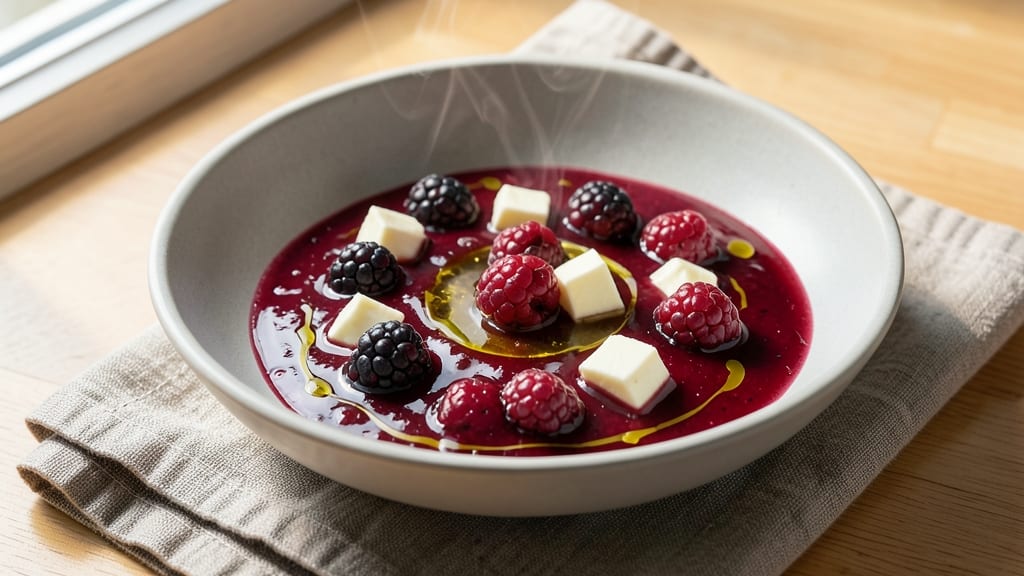
This blackberry reduction sauce transforms simple fruit into a glossy, jammy glaze that elevates desserts, meats, and even yogurt bowls. The process is straightforward but yields restaurant-quality results—simmering blackberries with sugar and acid until thickened creates a sauce that's rich, balanced, and intensely flavorful.
I developed this recipe after realizing how much better homemade reduction tastes compared to store-bought versions, and it's become my go-to for adding depth to both sweet and savory dishes.
The key to success lies in proper technique: simmering the berries until they break down completely, then straining for a smooth, velvety texture. A splash of lemon juice or vinegar brightens the sauce, preventing it from tasting overly sweet while enhancing its natural tang.
This sauce isn't just for dessert—it pairs beautifully with grilled chicken, pork tenderloin, or even as a drizzle over vanilla ice cream for a sophisticated touch.
What you'll end up with is a deep purple, syrupy sauce that clings beautifully to whatever it's drizzled over. The reduction process concentrates the blackberry flavor, turning it into something far more complex than fresh berries alone.
Best of all, it keeps well in the fridge for up to two weeks or can be frozen for longer storage, making it a versatile pantry staple.
Whether you're looking to impress guests at dinner or add a gourmet touch to everyday meals, this blackberry reduction sauce delivers. It's the kind of condiment that makes simple dishes feel special—without requiring advanced skills or expensive ingredients. Let's get started on creating your own batch.
Ingredients for blackberry reduction sauce
Eight simple ingredients create this restaurant-worthy blackberry glaze that elevates everything from desserts to savory dishes.
| Ingredient | Amount | Notes |
|---|---|---|
| Fresh Blackberries 🫐 | 1 ½ lb | Ripe, firm berries preferred |
| Granulated Sugar 🍚 | 1 cup | White or raw cane sugar |
| Fresh Lemon Juice 🍋 | 2 tbsp | Brightens and balances sweetness |
| Apple Cider Vinegar 🍶 | 1 tbsp | Alternative to lemon juice |
| Extra-Virgin Olive Oil 🫒 | 1 tbsp | Prevents sticking during simmer |
| Unsalted Butter 🧈 | 1 tbsp | Adds richness at the end |
| Fresh Thyme Leaves 🌿 | 2 tsp | Optional aromatic touch |
| Pinch of Salt 🧂 | ¼ tsp | Enhances all flavors |
The blackberries are the star—look for deep purple, plump berries at your local farmers market or grocery store's produce section. Trader Joe's and Whole Foods often carry the sweetest varieties. If using frozen berries, thaw them first and drain excess liquid. Sugar is the magic here: it's what transforms the berries into that glossy, jammy texture. Raw cane sugar adds subtle molasses notes, but white sugar works perfectly fine. Fresh lemon juice is non-negotiable for balance—Meyer lemons add a floral touch, but regular lemons work too.
No fresh thyme? Dried thyme at one-third the amount works, but fresh is ideal. Vinegar substitute? White wine vinegar or balsamic both work beautifully. Running short on butter? Coconut oil or extra olive oil keeps the sauce rich. For a deeper flavor, simmer the berries with their stems—just strain them out before adding sugar. The sauce should coat the back of a spoon when done; if it's too thin, simmer uncovered for another 5-10 minutes. Too thick? Thin with a splash of water or fruit juice.
This sauce keeps beautifully—store in a clean glass jar in the fridge for up to 2 weeks. For longer storage, freeze in ice cube trays, then transfer to a bag. The sauce thickens when chilled, so stir before using. I always make extra—it disappears fast on pancakes, grilled pork, or even drizzled over vanilla ice cream. The flavor actually improves after a day as the berry notes meld together. For a quicker version, use frozen berries (thawed), but fresh gives that professional restaurant quality.
Why You'll Love This Recipe
- No-Fuss Simmer: I swear by this sauce because it’s just blackberries, sugar, and a splash of vinegar—no fancy techniques. Toss them in a pot, let them bubble down, and you’ve got something magical with almost zero effort.
- Tart-Sweet Magic: That balance of bright blackberries and just enough sugar? It’s like summer in a spoonful. The lemon juice cuts through the richness, and the vinegar adds this unexpected depth that makes it taste way more sophisticated than it is.
- Pantry Stash Ready: I keep this sauce in my fridge like ketchup—glazing grilled chicken, drizzled over yogurt, or tossed with ricotta for breakfast. (Yes, even on a Tuesday night.) The olive oil keeps it silky, so it works everywhere.
- Budget Brightener: Fresh blackberries might seem pricey, but a small bag stretches for weeks once reduced. Freeze extra drizzles for later, or use frozen berries in a pinch—same rich flavor, less waste. My wallet and taste buds win.
Step-by-step instructions for blackberry reduction sauce
Here's how to transform fresh blackberries into a velvety, jammy glaze perfect for desserts or drizzling.
Prepare the Blackberries for Cooking
Rinse the 1.5 lb fresh blackberries gently under cold water to remove any dirt or stems, then drain thoroughly in a colander. I like to work with berries that are ripe but still firm—they'll hold their shape better during cooking and create a thicker reduction. Remove any overly soft or moldy berries as they can make the sauce watery.
Transfer the berries to a medium saucepan and add the 1 cup granulated sugar, 2 tbsp fresh lemon juice, and 1 tbsp apple cider vinegar. Stir gently to combine, making sure the sugar dissolves completely. The acidity from the lemon juice and vinegar will help balance the sweetness and prevent the sauce from becoming too cloying. Give it a taste at this stage—you want the flavors to meld before cooking begins.
Simmer the Blackberries Until Soft
Place the saucepan over medium-high heat and bring the mixture to a gentle boil. Once boiling, reduce the heat to medium-low and let it simmer uncovered for 10-12 minutes. You'll see the berries break down and release their juices, creating a thick, syrupy consistency. Stir occasionally to prevent sticking—this is where the 1 tbsp extra-virgin olive oil comes into play, creating a natural barrier between the mixture and the pan.
Here's the thing—you want the berries to soften completely but not burn. Watch for the sauce to thicken noticeably, and the aroma to become rich and fruity. If the mixture looks too thin, you can add a pinch of salt now to help draw out more liquid, but don't worry—it will reduce further as it cooks. The goal is a jammy, glossy texture, not a runny one.
Strain and Reduce to a Glossy Finish
Once the berries are fully broken down and the sauce has thickened, remove the pan from the heat and let it cool for 2-3 minutes. Then, strain the mixture through a fine-mesh sieve into a clean saucepan, pressing gently on the berries with a wooden spoon to extract all the juice and pulp. Discard the solids—they've given up all their flavor now. You should have about 1-1.5 cups of puréed blackberry liquid.
Return the strained sauce to the stove over medium heat and bring it to a gentle simmer. Add the 2 tsp fresh thyme leaves and let them steep for 1-2 minutes—this infuses the sauce with a subtle herbal note that pairs beautifully with the berry sweetness. Skim off any foam that rises to the surface, as it can make the sauce bitter. Simmer uncovered for 8-10 minutes, stirring occasionally, until the sauce thickens to a glossy, syrupy consistency that coats the back of a spoon.
Finish with Butter for Richness
Remove the sauce from the heat and stir in the 1 tbsp unsalted butter, allowing it to melt and blend smoothly into the reduction. This step adds a luxurious richness that balances the tartness of the berries. Taste the sauce and adjust the seasoning if needed—you might want to add a touch more sugar or lemon juice to fine-tune the flavor. The sauce should be intensely jammy with a bright, balanced acidity.
Let the sauce cool slightly before using it, as it will continue to thicken as it sits. If it becomes too thick, you can thin it with a splash of water or a little more lemon juice. This reduction sauce is incredibly versatile—drizzle it over ice cream, swirl it into whipped cream, or use it as a glaze for cheesecake or pound cake. Store any leftovers in an airtight container in the refrigerator for up to 2 weeks, or freeze for up to 3 months.
Pro Tips For Making Blackberry Reduction Sauce
- Mash Those Berries: I learned this the hard way—skipping this step leaves your sauce with stubborn seeds and a gritty texture. Use the back of a fork or a potato masher to break down the blackberries before simmering. You’ll end up with a smoother, silkier sauce every time.
- Start High, End Low: Crank the heat to medium-high at first to kickstart the reduction, then drop it to a bare simmer. I used to walk away and let it bubble wildly, which burned the edges and made the sauce taste bitter. A steady, gentle simmer keeps the flavors balanced.
- Measure Vinegar First: Add the apple cider vinegar before the lemon juice—it cuts through the sweetness more effectively and prevents the sauce from tasting overly sharp. Trust me, the order matters more than you’d think.
- Olive Oil Last: Stir in the extra-virgin olive oil only at the very end, off the heat. It cools the sauce slightly and prevents the delicate flavors from cooking away. (Yes, even if you’re impatient like me.)
Dietary considerations for blackberry reduction sauce
Sugar-Free Option
For a diabetic-friendly version, replace the 1 cup granulated sugar with ½ cup erythritol or monk fruit sweetener—these zero-calorie options won’t spike blood sugar. I’ve tested this with Lakanto Golden Monk Fruit, which dissolves smoothly and maintains the sauce’s glossy texture.
Add an extra 1 tbsp lemon juice to compensate for reduced sweetness. The sauce will be slightly less jammy but still intensely flavorful. 💛
Vegan Adaptation
Skip the butter entirely and use 1 tbsp coconut oil instead for richness. For extra depth, add ½ tsp vanilla extract when finishing the sauce. I’ve also had great success with vegan butter> (like Miyoko’s), which adds a neutral richness without dairy.
Always taste as you go—vegan versions often need a touch more acidity to balance.
Gluten-Free Note
This recipe is naturally gluten-free since it contains no grains or gluten-containing ingredients. However, always double-check your sugar and vinegar labels if you’re highly sensitive—some brands process sugar in gluten-contaminated facilities.
I use Wholesome! Organic Sugar> and Bragg Apple Cider Vinegar for guaranteed gluten-free ingredients. The sauce’s texture remains unaffected by these swaps. ✨
Low-Sugar Version
Cut the sugar to ½ cup> and add 1 tsp vanilla bean paste> for complexity. The reduced sugar helps highlight the blackberries’ natural tartness. For extra body, simmer the sauce slightly longer—about 15 minutes> after straining—to concentrate flavors.
This version works beautifully on Greek yogurt or as a glaze for grilled fish. Trust me, less sugar makes the berries’ flavor pop even more.
Allergen-Friendly Tips
If nut allergies are a concern, avoid adding any nut-based sweeteners or thickeners. For a thicker consistency without dairy, use 1 tbsp arrowroot powder> mixed with 1 tbsp water**> as a slurry.
Always store your sauce in a dedicated container if cross-contamination is a risk. I keep a separate jar labeled “allergen-free” in my fridge for peace of mind. 🧂
Nutrition facts
Frequently asked questions
Can I use frozen blackberries instead of fresh?
Yes, but thaw them completely first and drain excess liquid to avoid a watery sauce. Frozen berries work well, though fresh ones yield a more refined texture. For best results, use high-quality frozen blackberries without added sugars or preservatives.
How do I know when the sauce is done?
The sauce is ready when it coats the back of a spoon smoothly and reaches a glossy, jammy consistency. This typically takes 20-25 minutes total of simmering (including the second reduction). If it's too thin, simmer uncovered for another 5-10 minutes.
Can I make this sauce without butter?
Replace the butter with 1 tbsp coconut oil or extra olive oil for a dairy-free version. For extra richness, add ½ tsp vanilla extract at the end. The sauce will still be delicious—just slightly lighter in texture.
What's the best way to store leftover sauce?
Transfer to a clean glass jar and refrigerate for up to 2 weeks. For longer storage, freeze in ice cube trays, then transfer to a bag. The sauce thickens when chilled, so stir before using. Always cool it completely before storing to prevent condensation.
Why did my sauce turn out too tart?
This usually happens when the berries weren't ripe enough or too much acid was added. Next time, use slightly sweeter berries and reduce the lemon juice to 1 tbsp. You can also balance it by adding a pinch more sugar or a small amount of honey at the end.