
Sauces & Condiments
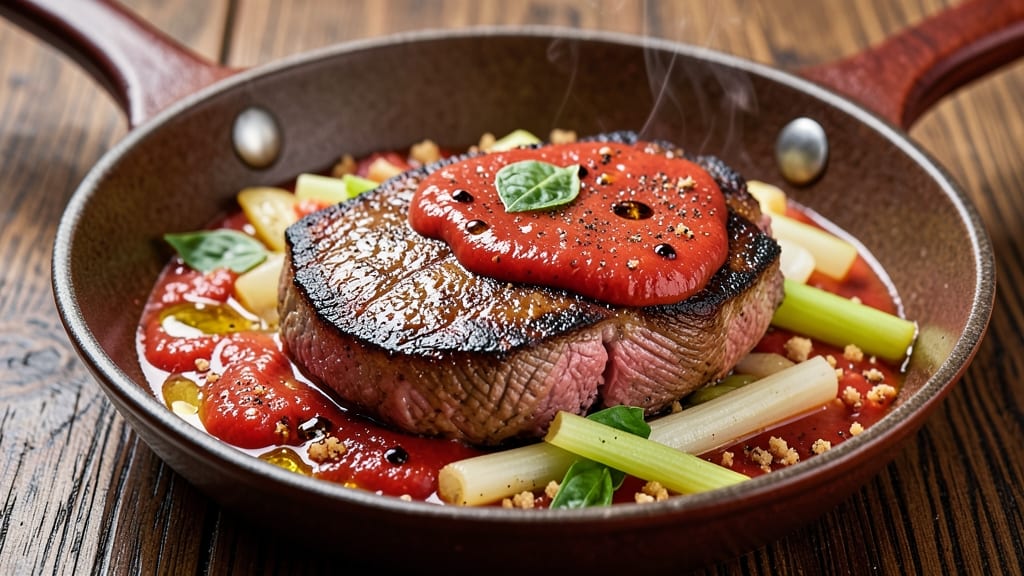
This beefsteak tomato sauce recipe transforms simple ingredients into a rich, smoky masterpiece that elevates any steak dinner. 🔥 The secret lies in slow-simmered tomatoes, chipotle powder for depth, and a touch of brown sugar to balance acidity—creating a sauce that clings beautifully to tender beefsteak while adding layers of complexity.
Perfect for batch cooking, this velvety base builds flavor as it simmers, resulting in a texture that's neither too thick nor too thin, with just the right crunch from toasted spices.
The sauce begins with a simple aromatic base of onion, garlic, and celery—what chefs call a soffritto—cooked until soft to form the foundation. Chipotle powder and smoked paprika infuse that signature smoky heat, while a splash of red wine adds brightness and depth.
The tomatoes, whether fresh or canned, break down into a silky consistency, releasing their natural sweetness as they simmer. This method ensures the sauce develops rich, caramelized notes without requiring fancy techniques.
What you'll end up with is a versatile, restaurant-quality sauce that pairs perfectly with beefsteak, pasta, or even grilled vegetables. The smoky chipotle crunch contrasts beautifully against the velvety tomato base, creating a balance of flavors that's both bold and refined.
Once you taste it, you'll never settle for store-bought again—it's that good. Ready to make it? Here's everything you need to create this game-changing sauce.
This sauce keeps well in the refrigerator for up to 5 days or can be frozen for 3 months, making it ideal for meal prep. The flavors actually improve over time, deepening as it sits, so you can make a big batch and enjoy it throughout the week.
Whether you're serving it over steak or using it as a pasta sauce, this recipe delivers professional results with minimal effort.
Ingredients for beefsteak tomato sauce
Nine simple ingredients crafting a restaurant-worthy sauce that clings perfectly to beefsteak.
| Ingredient | Amount | Notes |
|---|---|---|
| Extra-Virgin Olive Oil 🫒 | ½ cup | High-quality for flavor depth |
| Yellow Onion 🧅 | 1 whole | Diced, medium size preferred |
| Celery Stalks 🥬 | 3 whole | Diced, stringy parts removed |
| Garlic Cloves 🧄 | 6 cloves | Minced, fresh preferred |
| Chipotle Powder 🌶️ | 2 tbsp | Smoked, for authentic depth |
| Smoked Paprika 🌶️ | 1 tbsp | For rich smoky flavor |
| Dried Oregano 🍃 | 1 tsp | Mediterranean variety preferred |
| Ground Black Pepper 🌶️ | ½ tsp | Freshly cracked for intensity |
| Canned San Marzano Tomatoes 🍅 | 28 oz | Crushed, high-quality preferred |
| Dry Red Wine 🍷 | ½ cup | Bold, like Cabernet Sauvignon |
| Brown Sugar 🍯 | 1 tbsp | Light, for subtle sweetness |
| Salt 🧂 | 1 ½ tsp | Kosher or sea salt |
The San Marzano tomatoes are non-negotiable here—their natural sweetness and low acidity create that velvety texture without thinning the sauce. Grab a 28-ounce can from Trader Joe's or Whole Foods for the best quality, and always check the pack date (they spoil faster than you'd think). For the soffritto base, yellow onions and celery should be diced uniformly—aim for 1/4-inch pieces so they soften completely without turning mushy. The garlic? Smash those cloves with the flat side of your knife first to release more flavor, then mince finely. Chipotle powder is the secret weapon—Penzeys or the brand at Latin markets gives you that authentic smoky punch.
No red wine? Dry vermouth or even beef broth works in a pinch, though the alcohol helps deepen the flavor. Running short on San Marzano? Crushed tomatoes in a pinch, but add an extra pinch of sugar to balance the acidity. The brown sugar might seem odd, but it’s key to balancing the acidity from the tomatoes and wine—light brown sugar dissolves better than dark. For the spices, smoked paprika is a must, but if you can’t find it, regular paprika plus a pinch of cayenne gives a similar effect. Pro tip: Toast the spices in the olive oil for 30 seconds before adding the onions—this blooms their flavors and adds that nutty crunch the intro promises.
This sauce tastes even better the next day as the flavors meld. Store it in an airtight container in the fridge for up to 5 days, or freeze in ice cube trays for 3 months—perfect for quick steak nights. The texture thickens as it cools, so thin with a splash of water or wine if needed. I double the batch every time—half goes over steak, the other half freezes for pasta later. Just remember: never skip the wine reduction—that’s where the magic happens.
Why You'll Love This Recipe
- Minimal Chopping Required: I swear by this—just dice one onion, a few celery stalks, and crush three garlic cloves. The chipotle powder adds heat without extra work, and the beefsteak tomatoes? They break down into silky sauce with almost no effort. Honestly, I’ve made this on nights when I forgot to prep anything.
- Smoky Depth in Minutes: That chipotle powder isn’t just for show—it infuses the olive oil with a slow-simmered smokiness that takes other sauces hours to match. The onions and celery soften into a sweet, caramelized base, but the real magic? The tomatoes reduce into a glossy, tangy blanket that clings to pasta or meat like it’s been simmering all day.
- Pantry-to-Table Flexibility: This sauce is my go-to for lazy Sundays or sudden company—dump it over spaghetti, ladle it onto grilled steak, or even spread it on toast with a sprinkle of cheese. I’ve even frozen batches to toss into soups later. Between us, it’s the only sauce I keep on hand when I don’t know what I’m making yet.
- Budget-Friendly Leftovers: A single can of tomatoes and a handful of pantry staples stretch into meals for days. The flavor actually improves after reheating—unlike fancy sauces that turn sad. I’ll be real: I’ve eaten this cold from the fridge when I was too tired to cook, and it still tasted like a restaurant dish. That’s the kind of reliable I trust.
Step-by-step instructions for smoky chipotle tomato sauce
Let's build this rich, smoky sauce layer by layer—each step unlocks deeper flavor.
🍳 Step 1: Sauté the Vegetable Base
Heat the 0.5 cup extra-virgin olive oil in a large, heavy-bottomed saucepan over medium heat. Add the diced yellow onion and diced celery stalks, stirring occasionally for 5-6 minutes until they soften and begin to release moisture. You'll notice the onions turn translucent and the celery loses its crispness—that's your cue they're ready for the next phase.
Here's where it gets good: add the 6 cloves minced garlic and cook for just 30 seconds—garlic burns faster than you think. Immediately stir in the 2 tbsp chipotle powder, 1 tbsp smoked paprika, 1 tsp dried oregano, and 0.5 tsp ground black pepper. The spices will sizzle and release their aromatic oils, filling your kitchen with that smoky, earthy perfume. Let them cook for 1 minute to toast slightly and deepen their flavor.
🍳 Step 2: Deglaze with Wine and Tomatoes
Pour in the 0.5 cup dry red wine and scrape up all those beautiful browned bits from the bottom of the pan with a wooden spoon. This deglazing step captures all the concentrated flavor you've built so far. Let the wine simmer for 2-3 minutes until it reduces by about half and the alcohol cooks off—you'll smell that rich, fruity aroma transforming into something deeper.
Add the 28 oz crushed San Marzano tomatoes and 1 tbsp brown sugar, stirring to combine. Bring the mixture to a gentle boil, then reduce heat to medium-low. Here's the thing—you want the sauce to simmer uncovered for 45-60 minutes, stirring occasionally. This long, slow cook time allows the flavors to meld and develop complexity. The sauce should reduce enough to coat the back of a spoon but still maintain a velvety texture.
⏰ Step 3: Season and Simmer to Perfection
Taste the sauce and adjust the seasoning with the 1.5 tsp salt, adding more if needed. The chipotle powder and smoked paprika should provide a subtle heat and smoky depth, while the brown sugar adds just enough sweetness to balance the acidity of the tomatoes. Let the sauce continue simmering for another 15-20 minutes until it reaches your desired consistency—it should be thick enough to coat the back of a spoon but still smooth and glossy.
For the ultimate texture, use an immersion blender to lightly blend the sauce until smooth, or transfer it to a blender in batches (be careful with the hot liquid). This step ensures a silky, velvety finish without losing any of that rich, smoky depth. If the sauce is too thick after blending, add a splash of water or reserved pasta water to reach your preferred consistency.
🍽️ Step 4: Rest and Serve
Remove the sauce from heat and let it rest for 10 minutes. This resting period allows the flavors to fully meld and the sauce to thicken slightly as it cools. The sauce should be rich, smoky, and deeply flavorful, with a perfect balance of heat, sweetness, and acidity. Serve it warm over pasta, drizzled with a bit of extra-virgin olive oil and fresh basil, or use it as a base for hearty beefsteak dishes.
Pro tip: If you're making this sauce ahead of time, let it cool completely and store it in an airtight container in the refrigerator for up to 5 days. The flavors will only deepen over time, making it even more delicious when you're ready to serve. Reheat gently on the stove, stirring occasionally, until warmed through.
Pro Tips For Making Beefsteak Tomato Sauce
- Sweat, Don’t Burn: The onion and celery should release moisture and soften—not turn to ash. Keep the heat medium-low, stir every 30 seconds, and resist the urge to rush. I learned this the hard way after watching my mirepoix turn into a sad, bitter sludge.
- Mince That Garlic: No, a press won’t cut it here. Finely chop those garlic cloves so they dissolve into the sauce rather than linger as chunks. (Yes, even if you’re impatient like me.) Think "paste," not "confetti."
- Deglaze Aggressively: After browning the beefsteak, don’t just splash in a little liquid—scrape every last bit of fond from the pan with a wooden spoon. That’s where the flavor hides. A splash of red wine or beef stock works, but don’t skip this step.
- Toast the Chipotle: Bloom the chipotle powder in the olive oil for 30 seconds before adding anything else. It deepens the smoky flavor and prevents a bitter aftertaste. (Your future self will notice the difference.)
Serving suggestions for this dish
Steak Night Perfection
This sauce transforms a simple beefsteak into a showstopper. Drizzle 2-3 tablespoons of the warm sauce over a perfectly seared ribeye or New York strip just before serving. The smoky chipotle crunch contrasts beautifully with the charred crust, while the velvety tomato base soaks into the meat's crevices.
For extra drama, finish with fresh basil leaves and a sprinkle of crumbled feta cheese—trust me, your guests will think you spent hours in the kitchen. 🔥
Pasta Pairings
Toss this sauce with fettuccine or pappardelle for an Italian-inspired twist. The wide noodles catch the sauce beautifully, creating a luxurious, saucy bite. I like to add sautéed mushrooms and crispy pancetta for extra depth.
For a lighter option, pair with spaghetti and top with grated Parmesan and a crack of black pepper. The sauce's smoky notes elevate even the simplest pasta dishes to restaurant quality.
Grilled Vegetable Bowls
Use this sauce as a base for hearty grilled vegetable bowls. Toss charred zucchini, eggplant, and bell peppers with the sauce, then top with crumbled goat cheese and toasted pine nuts. The smoky flavors complement the natural sweetness of the vegetables perfectly.
For a protein boost, add grilled shrimp or pan-seared chicken. This makes a fantastic vegetarian-friendly main dish that still feels indulgent.
Breakfast Tacos
Who says tomato sauce is just for dinner? Use this smoky sauce as a breakfast condiment for steak and egg tacos. The chipotle heat pairs perfectly with scrambled eggs, crispy bacon, and avocado slices.
Warm the sauce slightly before serving to enhance its aromatic depth. Serve with corn tortillas and a side of sour cream for a breakfast that feels like a celebration. 🌶️
Dipping Sauce
Thin the sauce slightly with warm beef broth or water to create a dipping sauce for steak fries or mozzarella sticks. The smoky, slightly sweet profile makes it irresistible.
For extra richness, stir in 1 tablespoon of heavy cream before serving. This is a game-changer for appetizers—your guests will reach for seconds without hesitation.
Meal Prep Magic
Double or triple the batch and store it in airtight containers in the fridge for up to 5 days or freeze in ice cube trays for quick portions. Use it as a base for slow-cooker beef stews or one-pot pasta dishes.
The sauce's versatility makes it a pantry staple—once you make it, you'll never buy store-bought again. Freeze extras in silicone molds for easy portion control when reheating. ✨
Nutrition facts
Frequently asked questions
Can I substitute fresh tomatoes for canned in this recipe?
You can use fresh tomatoes, but you'll need about 4-5 large beefsteak tomatoes (peeled, seeded, and chopped) to match the 28 oz canned tomatoes volume. Fresh tomatoes have more water content, so simmer the sauce longer—1-1.5 hours—to achieve the same thick, velvety texture. Add a pinch of sugar if your fresh tomatoes taste tart to balance the acidity.
How do I adjust the heat level in this smoky sauce?
The chipotle powder provides a subtle smoky heat, but you can adjust it easily. For milder heat, reduce to 1 tbsp chipotle powder and add ½ tsp cayenne for depth. For spicier sauce, increase to 2.5 tbsp chipotle or add 1 tsp crushed red pepper flakes. Always taste as you go—you can't overdo the smoky flavors, but heat builds quickly!
Why does my sauce turn out too thick or too thin?
Sauce consistency depends on simmering time and liquid reduction. For a thicker sauce, simmer uncovered for 60-75 minutes or add 1 tbsp cornstarch mixed with water. For a thinner sauce, add ¼ cup water or wine and simmer 15-20 minutes longer. The ideal texture coats the back of a spoon but remains silky—like heavy cream. Pro tip: Blend briefly if you prefer ultra-smooth sauce.
Can I make this sauce in a slow cooker or Instant Pot?
For a slow cooker, combine all ingredients (except wine—add it after cooking) and cook on low for 6-8 hours or high for 3-4 hours, stirring occasionally. For an Instant Pot, sauté the soffritto, add wine, then tomatoes and spices. Cook on high pressure for 10 minutes, then blend and reduce on sauté mode for 10 minutes to thicken. Both methods work, but taste and adjust seasoning at the end.
What’s the best way to reheat this sauce?
Gently reheat on the stove over low heat for 5-10 minutes, stirring often, until warmed through. Avoid microwaving—it can make the sauce watery. If the sauce thickens too much while reheating, thin with 1-2 tbsp water or wine. For frozen sauce, thaw overnight in the fridge, then reheat slowly. The flavors deepen even more after reheating!