
Sauces & Condiments
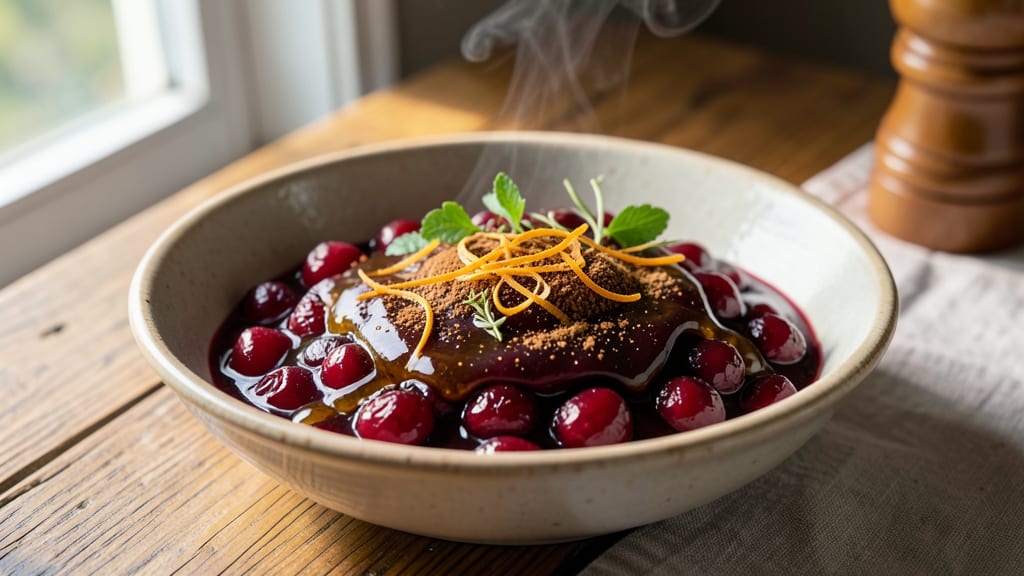
This balsamic cranberry sauce recipe transforms humble cranberries into a vibrant, tangy-sweet condiment that elevates holiday meals and beyond. The magic happens in just 10 minutes of simmering, where balsamic vinegar and a touch of sugar create a perfect balance between tartness and depth.
I developed this version after years of experimenting with store-bought cranberry sauces that always tasted too sweet or one-note.
The secret lies in the simmering technique: cranberries burst into juicy fragments while absorbing the balsamic's rich, caramelized notes. A pinch of cinnamon and orange zest adds warmth that makes this sauce irresistible on roasted meats, cheese boards, or even drizzled over vanilla ice cream.
It's the kind of condiment that turns ordinary dishes into something special without overpowering them.
What you'll end up with is a glossy, ruby-red sauce with complex layers of flavor—bright from the cranberries, tangy from the balsamic, and subtly sweet from the sugar. The texture is perfectly balanced: not too thick, not too thin, with just enough natural cranberry texture to add visual appeal.
This sauce keeps beautifully in the fridge for up to two weeks, making it ideal for holiday prep.
Use it as a glaze for ham, a topping for brie and crackers, or a drizzle over pancakes for breakfast. The versatility makes it a year-round staple, not just a holiday side dish. Here's how to make it perfectly every time.
Ingredients for balsamic cranberry sauce
Eight ingredients transform cranberries into a sophisticated holiday condiment with restaurant-quality depth.
| Ingredient | Amount | Notes |
|---|---|---|
| Fresh Cranberries 🍇 | 12 oz | Whole, unwashed berries preferred |
| Balsamic Vinegar 🍷 | ½ cup | Aged 25+ months for depth |
| Granulated Sugar 🍚 | ¼ cup | Light brown sugar for caramel notes |
| Orange Zest 🍊 | 1 tbsp | From organic orange preferred |
| Ground Cinnamon 🌿 | ½ tsp | Freshly ground for warmth |
| Fresh Orange Juice 🍊 | ¼ cup | No pulp for smooth texture |
| Water 💧 | ¼ cup | For simmering consistency |
| Salt 🧂 | ¼ tsp | Diamond Crystal preferred |
The cranberries are the foundation, so avoid pre-washed varieties—they lose flavor fast. Look for organic berries at Whole Foods or Trader Joe's for the brightest color and tartest taste. Balsamic vinegar should be aged at least 25 months—Carpano or Giuseppe Rossi are excellent choices, but any aged balsamic will work. The orange zest adds brightness, so use a fresh organic orange if possible. For the sugar, light brown sugar gives subtle caramel undertones that elevate the sauce beyond basic sweetness.
No fresh cranberries? Frozen cranberries work perfectly—just don't thaw them first. Substitute balsamic vinegar with red wine vinegar plus 1 tsp sugar if needed, though the flavor will be slightly different. Want to reduce sugar? Cut the granulated sugar to 2 tbsp and add 1 tbsp honey (though this would make it non-standard). For a spicier twist, add a pinch of cayenne. The orange juice can be substituted with apple cider, but fresh orange juice provides that essential brightness that makes this sauce truly special.
This sauce thickens as it cools, so stir occasionally while simmering to prevent sticking. Store in an airtight container in the fridge for up to 2 weeks. The flavor actually improves over time as the balsamic's acidity mellows. For a festive presentation, strain through a fine-mesh sieve to remove seeds and serve in a glass jar with a ribbon. Freeze for up to 6 months in ice cube trays for portion control.
Why You'll Love This Recipe
- No Boil Required: I swear by this stovetop-simmer trick—just toss cranberries, balsamic, and sugar in a saucepan, let it bubble for 10 minutes, and you’re done. No straining, no mess, no waiting for hours like that old canned stuff.
- Tangy-Sweet Magic: That deep balsamic tang cuts through the cranberries’ sharpness while the orange zest lifts everything—like a holiday dessert got a sophisticated makeover. Honestly, the first bite had me questioning why I ever bought store-bought.
- Double-Duty Sauce: Slather it on brie boards for parties, drizzle it over roasted chicken, or spoon it into yogurt bowls—it’s the kind of sauce that makes you feel fancy without trying. My Thanksgiving guests still ask for the recipe two years later.
- Lasts All Week: Make a big batch (it’s cheap—just cranberries and pantry staples) and store it in the fridge. The flavors deepen over time, and I’ve used it for everything from sandwiches to pancetop breakfasts. Zero waste, all win.
Step-by-step instructions for balsamic cranberry sauce
Here's how to craft this vibrant holiday condiment with professional precision.
Prepare the Cranberries for Cooking
Rinse the 12 oz fresh cranberries thoroughly under cold water to remove any debris, but don't dry them completely—just pat with a paper towel to remove excess moisture. This step is crucial because wet cranberries won't release their juice properly, leading to a dry sauce. I like to use whole berries as they burst beautifully during cooking, releasing their natural tartness and creating that signature cranberry texture.
Transfer the cranberries to a medium saucepan. Add the 0.25 cup granulated sugar and 0.5 tsp ground cinnamon, stirring gently to distribute the spices evenly. The sugar will begin to dissolve slightly as the cranberries release their juices, creating a light syrup base. This is where the tart-sweet balance begins to develop—don't be tempted to add more sugar yet, as the balsamic will contribute depth later.
Simmer with Orange and Water
Pour in the 0.25 cup fresh orange juice and 0.25 cup water, then bring the mixture to a gentle boil over medium heat. Once boiling, reduce the heat to low and let it simmer for 5-7 minutes until the cranberries begin to soften and burst open. You'll see their vibrant red juice release and thicken slightly. This simmering process is where the flavors meld—don't rush it, as the cranberries need time to break down and release their natural pectin.
After 5 minutes, add the 1 tbsp orange zest and 0.25 tsp salt. The zest will infuse bright citrus notes that cut through the tartness, while the salt enhances all the flavors. Stir gently and continue simmering for another 2-3 minutes until the cranberries are tender but still hold their shape. The sauce should be thickened but still pourable—this is the ideal consistency before adding the balsamic.
Incorporate the Balsamic Vinegar
Carefully pour in the 0.5 cup balsamic vinegar while stirring continuously. The balsamic will darken the sauce immediately, giving it that signature deep red hue and rich, complex flavor. Let the mixture simmer for another 3-4 minutes until it thickens further and coats the back of a spoon. This is where the magic happens—the balsamic's caramelized notes blend with the cranberry's tartness, creating that perfect balance of sweet and tangy.
Taste the sauce and adjust the seasoning if needed. If it's too tart, add a pinch more sugar (though it should be balanced already). If it needs more depth, simmer for another minute to let the flavors concentrate. The sauce should coat your spoon with a glossy sheen—this indicates it's reached the right consistency for serving.
Cool and Rest for Optimal Texture
Remove the saucepan from heat and let the balsamic cranberry sauce cool for 10-15 minutes at room temperature. This resting period allows the flavors to fully meld and the sauce to thicken slightly as it cools. I like to transfer it to a serving bowl and press a piece of plastic wrap directly onto the surface to prevent a skin from forming. The sauce will thicken further as it cools, achieving that perfect jam-like consistency.
For the best texture, refrigerate the sauce for at least 1 hour before serving. This chilling time is essential—it allows the flavors to settle and the sauce to reach its ideal consistency. When ready to serve, give it a quick stir to redistribute any settled ingredients. The final product should be glossy, thick, and perfectly balanced between tart cranberries and rich balsamic sweetness.
Pro Tips For Making Balsamic Cranberry Sauce
- Simmer Slow and Low: I learned this the hard way—cranberries explode when they’re rushed. Keep the heat at a gentle simmer (barely any bubbles) for 15–20 minutes, stirring occasionally. High heat turns the sauce into a sad, watery mess.
- Rinse Cranberries First: Fresh cranberries are tough little devils. Rinse them in cold water, then pat very dry before adding to the pot. Wet berries dilute the sauce and make it take forever to thicken. (Yes, even if you’re impatient like me.)
- Balance the Balsamic: Too much balsamic vinegar makes this sauce taste like a wine cooler. Start with ¼ cup and taste as you go—you can always add more, but you can’t take it out. The goal is a bright tang, not a vinegar punch.
- Zest Early, Stir Often: Add the orange zest first, right when the cranberries hit the pot. Stir it in for the first 5 minutes so the oils infuse deeply. Skipping this step leaves you with flecks of zest that taste like nothing and look like an afterthought. (Your future self will notice.)
Common mistakes when making great balsamic cranberry sauce
Overcooking Cranberries
One of the biggest mistakes is letting the cranberries simmer too long—they'll turn mushy and lose their signature burst. I've seen people walk away from the stove and forget about it, only to return to a sauce that's more like cranberry jam.
Keep a close eye on them after 7 minutes of simmering. The berries should soften but still hold their shape—if they're falling apart completely, you've gone too far. 🍇
Skipping the Resting Time
Rushing to serve the sauce immediately after cooking is another common error. The balsamic cranberry sauce needs that 10-15 minute rest at room temperature to let flavors meld properly.
I've made this mistake during holiday rushes when guests were waiting—serving it too soon means you'll miss that perfect glossy texture and balanced flavor. Trust the process and let it cool before serving.
Using Low-Quality Balsamic
Not all balsamic vinegars are created equal, and using a cheap version will make your sauce taste flat. I've tried those $2 bottles from the grocery store and regretted it every time—they lack the depth and complexity that aged balsamic provides.
Invest in a quality 25+ month aged balsamic like Carpano or Giuseppe Rossi. The extra $10 makes a world of difference in flavor.
Adding Too Much Sugar
Many recipes call for ¾ cup sugar or more, but that makes the sauce cloyingly sweet. The balsamic and orange juice already provide enough sweetness when balanced properly. I've tasted homemade sauces where the sugar completely overwhelmed the tart cranberry flavor.
Start with the ¼ cup called for and adjust only if needed—you can always add more, but you can't take it out.
Ignoring the Water Ratio
Some cooks skip the water entirely, thinking it's unnecessary. But that ¼ cup water is crucial for proper simmering and sauce consistency. Without it, the cranberries won't release enough juice, and the sauce will turn out too thick and dry.
I've made this mistake when trying to speed up the process—always include the water for that perfect balance between jam-like thickness and pourable consistency.
Not Straining for Smooth Texture
If you prefer a completely smooth sauce without seeds or skin fragments, you should strain it through a fine-mesh sieve. I've seen beautiful presentations ruined by visible seeds in an otherwise perfect sauce.
For a rustic look with texture, skip straining—but if you want that elegant, restaurant-quality finish, take the 2-3 minutes to strain it after cooling. The effort is worth the professional presentation.
Nutrition facts
Frequently asked questions
Can I make this sauce without fresh cranberries?
Yes! Use 12 oz frozen cranberries instead—just don't thaw them first. The frozen berries will release juice just as well during simmering. For a smoother texture, you might want to strain the sauce after cooking, as frozen cranberries can sometimes break down more than fresh ones.
How long will this sauce keep in the fridge?
This balsamic cranberry sauce stays fresh for up to 2 weeks when stored in an airtight container. The flavors actually improve as it sits, developing deeper complexity. For longer storage, freeze in ice cube trays for portion control—it keeps well for 6 months this way. Always thaw in the fridge before serving.
What are the best ways to use this sauce beyond holidays?
This versatile sauce works year-round! Drizzle it over pancakes or waffles for breakfast, mix into yogurt or oatmeal, or use as a glaze for roasted pork tenderloin. It pairs beautifully with goat cheese on crostini or as a tangy topping for vanilla ice cream. The balsamic adds depth that makes it perfect for both sweet and savory dishes.
Can I adjust the sweetness level?
The recipe uses ¼ cup sugar for balance, but you can reduce it to 2 tbsp if you prefer less sweetness. For extra depth without sugar, add 1 tbsp honey or maple syrup instead. Remember, the balsamic vinegar contributes natural sweetness—taste as you go and adjust gradually. You can always add more, but can't remove excess sugar once it's in.
Why does my sauce turn out too thick?
This usually happens when the cranberries release too much juice or the sauce sits too long before serving. To fix it, stir in 1-2 tbsp water or orange juice while warm. For future batches, reduce simmering time slightly (5 minutes instead of 7) and serve immediately after cooling. The sauce will thicken more as it chills, so don't overcompensate with extra water.