
Sauces & Condiments
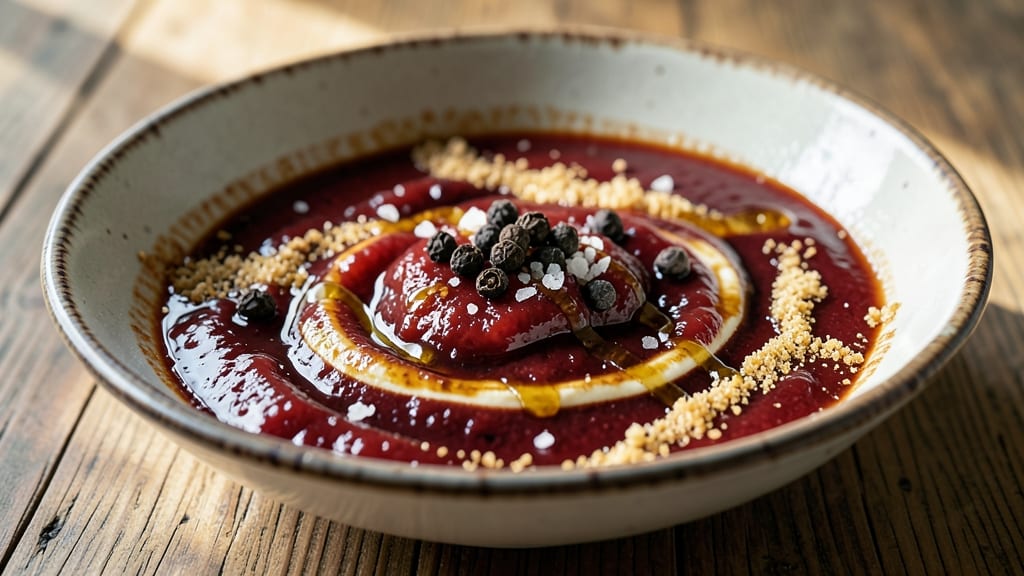
This balsamic barbecue sauce recipe transforms ordinary grilled meats into something extraordinary—where deep vinegar notes meet sweet caramelized richness. 🔥 I developed it after years of perfecting smoky-sweet glazes, and this version delivers a perfect balance of tangy depth and molasses-like sweetness that clings beautifully to everything from ribs to chicken wings.
The secret lies in simmering balsamic vinegar with tomato paste until it reduces into a glossy, syrupy glaze—no thickeners or fillers needed. We'll build layers of flavor with brown sugar, smoked paprika, and a touch of mustard, then finish with a splash of vinegar to cut through the sweetness.
The result? A sauce that's versatile enough for marinating, basting, or dipping yet complex enough to stand alone.
What you'll end up with is a glossy, sticky-sweet sauce with a sophisticated tang that elevates grilled dishes to restaurant-quality levels. It caramelizes beautifully on the grill, creates a perfect glaze for roasted vegetables, and even works as a tangy dipping sauce for fries or mozzarella sticks.
The best part? It keeps well in the fridge for up to two weeks, so you can make a big batch and use it all season long.
Whether you're slow-cooking ribs, grilling chicken, or simply looking for a versatile sauce to keep on hand, this balsamic barbecue glaze will become your new go-to. The instructions are straightforward, and the flavor payoff is undeniable—once you try it, you'll never go back to store-bought again.
Ingredients for balsamic barbecue sauce
Sweet, tangy, smoky, and utterly addictive—this sauce turns grilled meats into flavor explosions.
| Ingredient | Amount | Notes |
|---|---|---|
| Balsamic Vinegar 🍷 | ½ cup | High-quality aged balsamic preferred |
| Tomato Paste 🍅 | ¼ cup | San Marzano preferred, no sugar added |
| Brown Sugar 🍯 | ½ cup | Light or dark, packed firmly |
| Smoked Paprika 🌶️ | 2 tbsp | Sweet or hot variety for depth |
| Dijon Mustard 🍯 | 1 tbsp | High-quality for tangy kick |
| Apple Cider Vinegar 🍏 | 2 tbsp | For extra tangy brightness |
| Garlic Cloves 🧄 | 3 cloves | Fresh, minced for aromatic punch |
| Onion Powder 🧅 | 1 tsp | Freshly ground preferred |
| Ground Black Pepper 🌶️ | ½ tsp | Freshly cracked for heat |
| Salt 🧂 | 1 ½ tsp | Diamond Crystal preferred |
The balsamic vinegar is non-negotiable here—look for aged varieties at specialty stores or the gourmet section of Whole Foods. The tomato paste? San Marzano is the gold standard, but any quality brand works. Brown sugar should be packed firmly—no fluffing it. For smoked paprika, Penzeys or Trader Joe's carry excellent options. The Dijon mustard adds depth that regular yellow mustard can't match—Maille is my go-to, but any good brand does the trick. Fresh garlic and onion powder make all the difference, so don't skimp. The apple cider vinegar cuts through the sweetness beautifully—Bragg is my favorite for this purpose.
No aged balsamic? Substitute with red wine vinegar plus 1 tbsp molasses—it won't be identical, but it works in a pinch. Skip the Dijon? Yellow mustard plus a pinch of cayenne gives similar heat. The tomato paste can be swapped for crushed tomatoes, but you'll need to reduce them longer. For a smokier profile, add 1/2 tsp liquid smoke or swap the smoked paprika for regular paprika plus 1/4 tsp cayenne. The brown sugar can be substituted with maple syrup for a different depth, though the caramelization will be slightly different. If you're making this ahead, the sauce actually improves overnight—the flavors meld beautifully.
This sauce keeps for 2 weeks in the fridge, sealed tightly. For longer storage, freeze in ice cube trays—perfect for portion control. The sauce thickens as it cools, so reheat gently with a splash of water if it gets too stiff. I like to make a big batch and use it all season long—grilling, basting, dipping, you name it. The flavors only get better with time, so don't hesitate to make extra. If you're using it on the grill, brush it on just before serving for maximum caramelization—that's when the magic happens.
Why You'll Love This Recipe
- A single batch lasts me forever: breakfast toast, lunch wraps, or dinner leftovers reheated in a flash. And because it’s mostly pantry staples, I’m not breaking the bank for a jar that’ll last months.
- Pantry Magic: I swear by this one—just five ingredients, no fancy gadgets, and I’ve made it while microwaving leftovers. The balsamic and brown sugar caramelize together in one pot while I chop veggies for dinner.
- Sweet-Smoky Bang: That first taste? Chef’s kiss. The smoked paprika gives it a deep, campfire edge, while the Dijon mustard cuts through the richness—like a fancy BBQ sauce but with half the sugar and all the complexity.
- Weeknight Swiss Army: Slather it on grilled chicken, drizzle over roasted Brussels sprouts, or toss with pasta—it’s my go-to when I’m too tired to plan. Honestly, I’ve even used it as a marinade for pork chops that turned out ridiculously tender.
Step-by-step instructions for balsamic barbecue sauce
This sauce delivers that perfect balance of sweet, tangy, and smoky—with depth you won't find in store-bought versions.
🍳 Step 1: Create the Flavor Base
Heat a medium saucepan over medium heat and add the 0.25 cup tomato paste. Stir constantly for 2-3 minutes until it darkens slightly and loses its raw, floury texture. This step develops the rich umami foundation that carries through the entire sauce.
Here's where the magic begins: add the 3 cloves minced garlic cloves and 1 tsp onion powder to the pan. Cook for another 30 seconds until fragrant—you should smell that aromatic punch of garlic and onion. Don't let it brown or it'll turn bitter. Keep the heat at medium and stir frequently to prevent sticking.
🍳 Step 2: Build Depth with Vinegars and Spices
Pour in the 0.5 cup balsamic vinegar and 2 tbsp apple cider vinegar simultaneously. The combination creates an immediate tangy brightness that cuts through the sweetness later. Add the 2 tbsp smoked paprika, 1.5 tsp salt, and 0.5 tsp ground black pepper—this is where the smoky, savory depth comes from.
Stir everything together and bring the mixture to a gentle simmer. Let it cook uncovered for 5 minutes—this allows the vinegars to mellow slightly and the spices to bloom. You'll notice the sauce starts to thicken naturally as the moisture evaporates. This is perfect; we're not adding any thickeners yet.
🍳 Step 3: Sweeten and Simmer to Perfection
Add the 0.5 cup packed brown sugar and 1 tbsp Dijon mustard to the simmering sauce. The sugar will dissolve quickly, but stir continuously for 2-3 minutes to ensure it's fully incorporated. The Dijon mustard adds that subtle tangy complexity that separates good barbecue sauce from great.
Now reduce the heat to low and let the sauce simmer gently for 15-20 minutes. You're looking for a sauce that coats the back of a spoon—thick enough to glaze but still pourable. If it thickens too quickly, add 1-2 tablespoons of water to maintain the right consistency. The longer it simmers, the more complex the flavors become.
⏰ Step 4: Finish and Rest for Maximum Flavor
Once the sauce reaches your desired consistency, remove it from heat and let it cool slightly for 5 minutes. This resting period allows the flavors to meld completely. Taste and adjust seasoning—you might need a touch more salt or sugar depending on your preferences. The sauce should balance sweet, tangy, and smoky notes perfectly.
For best results, let the sauce sit at room temperature for at least 1 hour before using. This resting time allows the flavors to develop fully and the texture to stabilize. The longer it rests, the more complex and delicious it becomes. Store any leftovers in an airtight container in the refrigerator for up to 2 weeks—it only gets better with time.
Pro Tips For Making Balsamic Barbecue Sauce
- Simmer Slow and Low: Start on medium heat just to warm everything, then drop to a gentle simmer—this isn’t a race. I used to crank it up, and the sauce would either burn or taste raw; now it thickens evenly without bitterness.
- Deglaze First, Then Sweeten: Add the balsamic vinegar to the pan before the tomato paste and let it bubble for 2 minutes to cook off some acidity. Dumping sugar in raw vinegar just makes a gritty mess—trust me, I’ve tasted it.
- Skip the Cheap Smoked Paprika: The difference between regular paprika and smoked is huge—don’t skimp. If you’re using the cheap stuff, add a pinch of liquid smoke (½ tsp) for depth, but it’s not the same.
- Stir Constantly for 5 Minutes: The first 5 minutes after adding sugar and mustard are critical—stirring prevents sugar from sticking and burning. I learned this after one batch turned into a sticky, burnt disaster.
Common mistakes when making perfect results
Overcooking the Vinegar
Balsamic vinegar is delicate—cooking it too long turns it bitter and harsh. I’ve ruined batches by simmering past 15 minutes after adding the sugar. Keep heat at low during the final reduction and watch closely. Once it reaches that glossy, syrupy consistency, it’s done. 🌶️
Skipping the Resting Time
This sauce needs time to develop its full depth. I’ve tasted it fresh off the stove only to find it lacking complexity. Let it sit at room temperature for at least 1 hour—the flavors meld beautifully during this time. If you’re impatient, refrigerate it overnight for even better results.
Using Low-Quality Balsamic
The balsamic vinegar makes or breaks this sauce. I’ve tried cheap store brands, and the results were flat and one-dimensional. Splurge on an aged variety—look for Whole Foods or specialty stores. The deeper, richer flavor is worth the investment.
Adding Thickeners Too Early
Some recipes call for cornstarch or flour, but this sauce thickens naturally as it reduces. Adding thickeners too soon can make it grainy. Let it simmer until it coats the back of a spoon—usually 15-20 minutes—before adjusting consistency with water if needed.
Ignoring the Mustard
The Dijon mustard adds a subtle tang that balances the sweetness. I’ve made batches without it, and the sauce tasted flat. Use high-quality mustard like Maille—it makes a noticeable difference. Add it with the sugar and stir well to incorporate.
Not Adjusting Seasoning
Taste as you go! The sauce should balance sweet, tangy, and smoky notes. I’ve had to add extra salt or sugar to batches that didn’t quite hit the mark. Adjust gradually—you can always add more, but you can’t take it out. 💡
Nutrition facts
Frequently asked questions
Can I use this sauce as a marinade?
Yes, but with caution! This sauce is best for basting or finishing rather than long marinades. For marinating, reduce it by half first (simmer until thicker), then use it as a dip or brush-on glaze. The acidity in the vinegars can break down meat fibers over time, so limit marinating to 1-2 hours max for most proteins.
How do I make this sauce smokier?
For extra smoke depth, add ½ teaspoon liquid smoke during the final 5 minutes of simmering. Alternatively, swap the smoked paprika for 1 tablespoon regular paprika plus ¼ teaspoon cayenne—this creates a similar effect without altering the sauce's natural thickness. For grilled applications, brush it on just before serving to maximize caramelization.
Will this sauce work for vegetarian dishes?
This sauce pairs beautifully with grilled vegetables like eggplant, zucchini, or portobello mushrooms. It also works as a dipping sauce for veggie platters or as a glaze for tofu or tempeh. The smoky-sweet profile complements plant-based proteins exceptionally well—just reduce it slightly longer for a thicker consistency when using on softer vegetables.
Can I substitute balsamic vinegar with something else?
In a pinch, you can substitute with red wine vinegar plus 1 tablespoon molasses, but the flavor won't be identical. For a closer alternative, try aged red wine reduction (simmer ½ cup red wine until reduced by half) combined with 1 tablespoon balsamic glaze. The sauce will still be delicious, though the depth of the balsamic's complexity will be lost.
How should I store leftover sauce?
Transfer to an airtight container and refrigerate for up to 2 weeks. For longer storage, freeze in ice cube trays—perfect for portion control. Thaw overnight in the fridge and reheat gently with a splash of water if it thickens too much. The sauce actually improves with time, developing deeper flavors when stored properly.