
Sauces & Condiments
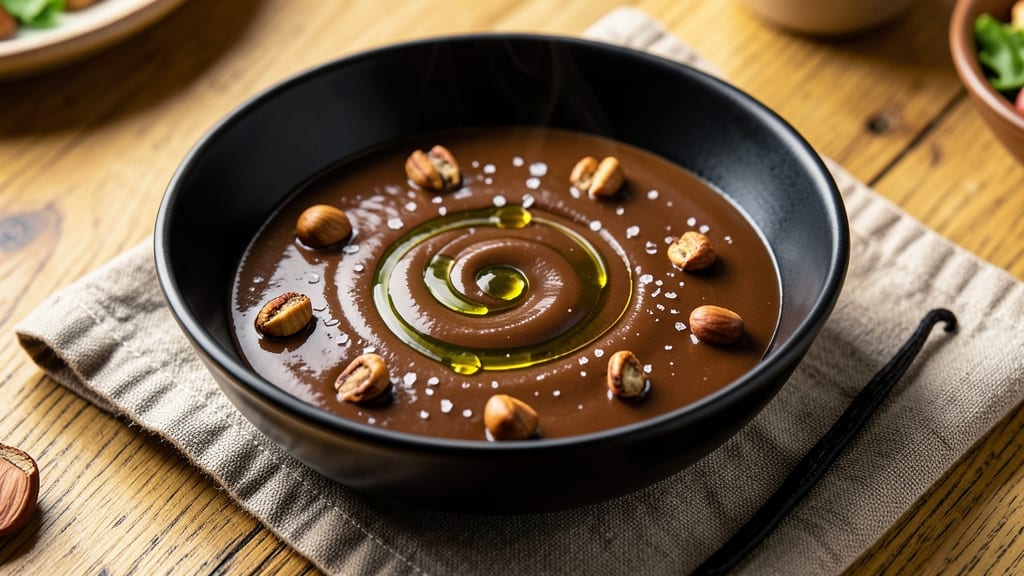
This bakers chocolate sauce recipe transforms simple ingredients into a luxurious, velvety drizzle that elevates every dessert. 💛 The secret lies in perfectly balanced melted chocolate and cream, creating a sauce that's rich yet smooth enough to coat cakes, ice cream, or fruit with effortless elegance.
I've refined this recipe over years of testing—no grainy texture or overly sweet aftertaste here. What sets this sauce apart is its versatility. Use it as a classic chocolate glaze for brownies, a decadent topping for vanilla ice cream, or even a dipping sauce for fresh strawberries.
The addition of vanilla and a pinch of salt enhances the chocolate's natural depth, while optional espresso powder adds complexity for coffee lovers. It comes together in just 10 minutes with basic pantry staples.
The result is a silky-smooth sauce that pours like liquid velvet, with a perfect balance of bittersweet chocolate and creamy richness. Unlike store-bought versions, this recipe delivers a restaurant-quality finish without artificial ingredients. The best part?
It keeps beautifully in the fridge for up to a week, ready to transform ordinary desserts into showstoppers. Whether you're dressing up a slice of cake or adding drama to a fruit platter, this sauce delivers professional results with minimal effort. Let's make it—your desserts will never be the same.
Ingredients for bakers chocolate sauce
Eight essential ingredients create restaurant-quality chocolate sauce in minutes.
| Ingredient | Amount | Notes |
|---|---|---|
| Bakers Unsweetened Chocolate 🍫 | 8 oz | High-quality, bittersweet preferred |
| Heavy Whipping Cream 🥛 | 1 cup | Full-fat for optimal texture |
| Extra-Virgin Olive Oil 🫒 | 2 tbsp | Light, fruity variety recommended |
| Pure Vanilla Extract 🌿 | 1 tsp | High-quality, Madagascar preferred |
| Granulated Sugar 🍚 | 2 tbsp | Adjust to taste for sweetness |
| Fine Sea Salt 🧂 | ¼ tsp | Kosher or Diamond Crystal preferred |
| Instant Espresso Powder ☕ | ½ tsp | Optional, for coffee depth |
| Unsalted Butter 🧈 | 1 tbsp | For silky finish (optional) |
The chocolate is non-negotiable here—Ghirardelli or Guittard are my go-tos for their smooth, bittersweet profiles. Avoid pre-shredded chocolate (it has anti-caking agents that ruin texture). For the cream, full-fat heavy whipping cream (36% or higher) ensures that silky finish. If you're using the optional butter, European-style unsalted butter like Plugrá melts more cleanly. The olive oil might seem unusual, but it prevents graininess and adds a subtle fruity note that balances the richness. Look for extra-virgin with a harvest date within the last year for peak flavor.
No heavy cream? Full-fat coconut milk works in a pinch, though the texture will be slightly lighter. Running out of vanilla extract? Vanilla bean paste at half the amount gives you those little specks. The espresso powder can be swapped for instant coffee granules at the same ratio. If you're avoiding dairy entirely, coconut cream or oat cream will work, though the sauce will have a different mouthfeel. For the sugar, maple syrup or agave nectar can replace granulated sugar one-to-one, though the sauce will be slightly more liquid. The salt is crucial—don't skip it, even if your chocolate is unsalted.
This sauce thickens as it cools, so reheat gently with a splash of warm milk or water to restore its silky consistency. Store in an airtight container in the fridge for up to 1 week, or freeze in ice cube trays for 3 months. For a glossy finish, brush a tiny bit of olive oil on the rim before sealing. Portion into small jars for easy use—perfect for drizzling over desserts or gifting. The sauce thickens further when chilled, so plan to thin with a splash of warm cream if needed before serving.
Why You'll Love This Recipe
- Five-Ingredient Magic: I swear, this sauce comes together with just a saucepan and a whisk—no fancy gadgets, no stress. The chocolate melts into the cream like butter in hot toast, and the olive oil (yes, really) adds this unexpected silkiness that makes it ridiculously smooth.
- Rich Without Guilt: That first bite? Pure, velvety decadence. The unsweetened chocolate delivers deep, bittersweet notes, while the vanilla and sugar balance it just enough to make it feel like a treat—not a heavy dessert. Honestly, I’ve used it over ice cream, stirred into oatmeal, and even drizzled on pancakes, and it never disappoints.
- Dinner Party Hack: Here’s what sold me—this sauce transforms any dish. Drizzle it over grilled peaches for summer, swirl it into mashed sweet potatoes for fall, or serve it warm with crusty bread when unexpected guests show up. It’s my go-to for making simple meals feel special without extra effort.
- Leftovers That Last: Between us, I make a double batch every time because it keeps beautifully in the fridge for up to a week. The texture stays perfect for reheating—just a quick zap in the microwave or gentle warm on the stove. Plus, the olive oil keeps it from seizing, so it’s way more reliable than store-bought versions.
Step-by-step instructions for silky smooth chocolate sauce
This method delivers a velvety, restaurant-quality chocolate sauce every time.
🍳 Step 1: Temper the Chocolate and Cream
Chop the 8 oz Bakers Unsweetened Chocolate into small, even pieces using a sharp knife. Place it in a heatproof bowl set over a saucepan of simmering water (double boiler). This gentle heat will melt the chocolate without scorching it.
In a separate small saucepan, warm the 1 cup Heavy Whipping Cream over medium-low heat until it just begins to steam but doesn't boil—you'll see small bubbles forming at the edges. The cream should reach 160°F on an instant-read thermometer. Remove from heat immediately once it reaches temperature.
🍳 Step 2: Combine and Emulsify
Slowly pour the warmed cream over the chopped chocolate in the bowl, whisking continuously. The heat from the cream will finish melting the chocolate while creating a smooth emulsion. Add the 2 tbsp Extra-Virgin Olive Oil and whisk until fully incorporated—this prevents graininess and adds a subtle fruity depth.
Stir in the 1 tsp Pure Vanilla Extract, 2 tbsp Granulated Sugar, 0.25 tsp Fine Sea Salt, and 0.5 tsp Instant Espresso Powder. The espresso powder enhances chocolate's natural bitterness while adding complexity. Let the mixture sit for 2 minutes to allow the flavors to meld completely.
🔥 Step 3: Refine the Texture
Return the bowl to the double boiler setup and heat gently, stirring constantly with a silicone spatula, until the sauce reaches 170°F. This temperature ensures the sauce is silky smooth without breaking. If you notice any lumps forming, immediately whisk vigorously to dissolve them.
For that final touch of luxury, remove the sauce from heat and whisk in the 1 tbsp Unsalted Butter. This creates an ultra-smooth, satiny finish. The butter also helps stabilize the sauce if you plan to drizzle it over warm desserts later.
⏰ Step 4: Rest and Adjust
Transfer the sauce to a clean jar and let it rest at room temperature for 15-20 minutes. This allows the flavors to fully develop and the texture to thicken slightly. If the sauce is too thick for your preference, thin it with 1-2 teaspoons of hot water or cream, whisking until smooth.
Taste and adjust sweetness—add more granulated sugar if needed, or balance with a pinch more fine sea salt for complexity. The sauce should coat the back of a spoon with a glossy sheen and have a perfect balance of richness and depth.
Pro Tips For Making Bakers Chocolate Sauce
- Whisk Like You Mean It: I learned this the hard way—when the chocolate and cream hit the pan, grab that whisk and go hard. You’re not making soup; you’re emulsifying fat and sugar into a velvety sauce. If you’re half-hearted, you’ll end up with a lumpy mess that’ll separate the second it hits your dessert.
- Chop the Chocolate First: Skip the shaving or grating—just chop that baker’s chocolate into rough, uneven pieces. They’ll melt faster and more evenly than dust or shavings, and you’ll avoid the gritty texture that comes from powdered chocolate. (Yes, even if you’re impatient like me.)
- Heat the Cream Slowly: Pouring cold heavy cream into a hot pan is how you scramble your sauce. Warm the cream first—just until it’s steaming, not boiling—then slowly pour it into the melted chocolate. This keeps the sauce smooth and prevents it from seizing up or turning grainy.
- Olive Oil Fixes Everything: That extra-virgin olive oil isn’t just for drizzling—it’s your secret weapon. If the sauce gets too thick, add a splash of warm oil (about 1 tablespoon) to cut through it. It also adds a subtle richness that vanilla and sugar can’t match. (Sounds weird, but it works.)
Common mistakes when making your bakers chocolate sauce
Overheating the Cream
One of the most common mistakes is letting the cream boil or exceed 160°F. When cream boils, it curdles and creates lumps that turn into graininess in your sauce. I’ve ruined batches by getting impatient and cranking the heat too high—always monitor the temperature with an instant-read thermometer.
If you don’t have one, watch for small bubbles forming around the edges of the pan. Remove the cream from heat immediately at the first sign of steaming. 🌡️
Skipping the Olive Oil
Many recipes omit olive oil, but it’s a game-changer for preventing graininess. The oil acts as an emulsifier, creating a smoother texture. Without it, even high-quality chocolate can separate or develop a slightly gritty consistency.
I recommend using extra-virgin olive oil with a fruity, light profile—it adds a subtle depth that complements the chocolate beautifully. Don’t substitute with butter or other fats; olive oil’s unique properties are key here.
Not Tempering the Chocolate Properly
Chopping chocolate into even, small pieces is critical—uneven chunks can lead to scorching or uneven melting. I’ve seen people use pre-shredded chocolate, which contains anti-caking agents that disrupt the sauce’s silky texture. If you’re in a hurry, use a microplane to create fine shavings instead.
Also, avoid direct heat—always use a double boiler to melt the chocolate gently. Direct heat can cause the chocolate to seize or develop a bitter, burnt flavor.
Adding Butter Too Early
Butter is added at the very end to create that ultra-smooth finish, but adding it too soon can cause the sauce to separate. The high fat content in butter can interfere with the emulsion created by the olive oil and cream.
I’ve learned this the hard way—once, I added butter midway through heating and ended up with a sauce that looked like it had been through a blender. Save the butter for the final step, right after removing the sauce from heat, and whisk it in vigorously.
Ignoring the Resting Time
Rushing the 15-20 minute rest at room temperature is a big mistake. This step allows the flavors to meld and the texture to thicken naturally. Skipping it can result in a sauce that’s either too thin or has an unfinished taste.
During this time, the sauce also develops a glossy sheen that makes it perfect for drizzling. If you’re short on time, at least let it rest for 10 minutes—you’ll notice the difference in both texture and flavor.
Over-Sweetening or Under-Salting
Many people either go heavy on the sugar or forget the salt entirely. The 2 tbsp sugar is just a starting point—taste and adjust, but remember that chocolate is naturally bitter. The ¼ tsp salt is crucial for balancing sweetness and enhancing the chocolate’s depth.
I’ve seen batches where someone added an extra tablespoon of sugar, only to find the sauce tasted cloying and lost its complexity. Trust the recipe’s measurements first, then adjust to taste.
Nutrition facts
Frequently asked questions
Can I make this sauce with semi-sweet chocolate instead of bakers chocolate?
Yes, but the flavor will be sweeter and less complex. Bakers chocolate delivers that deep, bittersweet richness that pairs perfectly with desserts. If you must substitute, use 70% dark chocolate and reduce sugar to 1 tbsp to balance the sweetness. The texture may also be slightly less velvety without the high cocoa content of bakers chocolate.
How do I fix a sauce that's too thick or too thin?
For a thick sauce, thin with 1 tsp hot water or warm cream at a time, whisking constantly. If it's too thin, return to low heat (double boiler) and simmer gently, stirring often, until it thickens slightly. Never boil—this can cause separation. The sauce should coat the back of a spoon but still pour smoothly for drizzling.
What's the best way to store leftover sauce?
Transfer to an airtight container and refrigerate for up to 1 week. For longer storage, freeze in ice cube trays (portion into 1-tbsp servings) and transfer to a freezer bag. Thaw overnight in the fridge—never microwave directly from frozen. If the sauce thickens upon reheating, whisk in 1 tsp warm cream to restore smoothness.
Can I use this sauce for savory dishes?
The rich chocolate pairs beautifully with grilled meats, especially duck or pork tenderloin, or as a glaze for roasted vegetables like Brussels sprouts. Reduce the sugar to 1 tbsp and add ½ tsp smoked paprika for a savory twist. The sauce's depth works surprisingly well in mole-inspired dishes or as a dip for fried plantains.
Why does my sauce have a grainy texture?
Graininess usually means the chocolate wasn't melted smoothly. Always use a double boiler and chop chocolate into even, small pieces. The olive oil is key—it emulsifies the mixture. If graininess appears, whisk in 1 tsp warm cream and strain through a fine-mesh sieve for a silky finish. Avoid pre-shredded chocolate (it contains anti-caking agents that cause texture issues).