
Sauces & Condiments
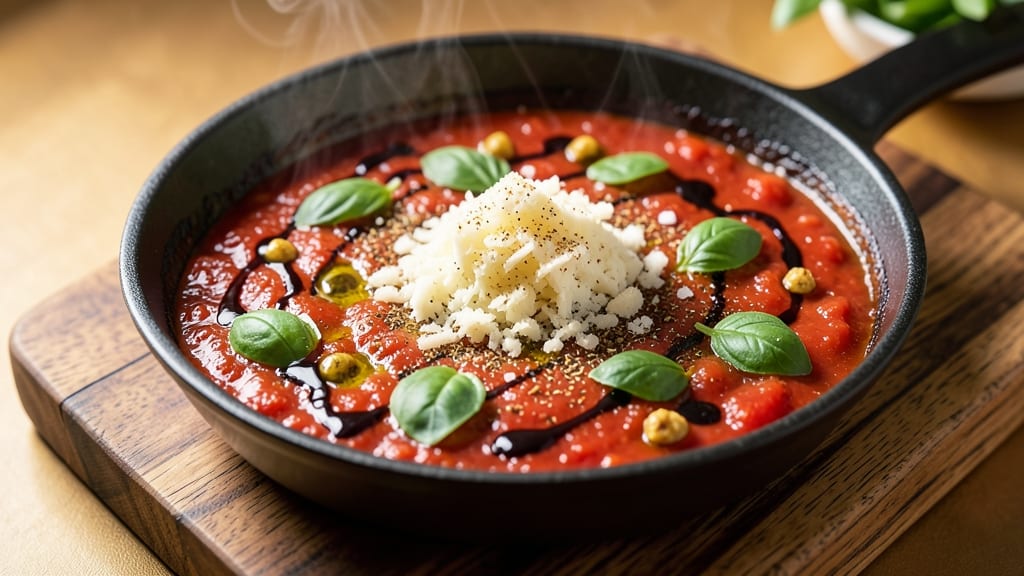
This baked spaghetti sauce recipe transforms weeknight dinners with its rich, deep flavors and one-pot convenience. The secret lies in slow-baking tomatoes, garlic, and herbs until they meld into a velvety, aromatic sauce that's perfect for meal prep.
I've perfected this version to deliver restaurant-quality results without the fuss, using simple pantry staples and a foolproof technique that ensures every batch turns out perfectly.
The beauty of this sauce is its versatility—it works as a stand-alone pasta dish, a lasagna filling, or a hearty topping for grilled meats. What sets it apart is the 30-minute bake time that intensifies flavors without drying out the sauce.
The combination of fresh basil, oregano, and a touch of sugar balances acidity, creating a sauce that's both complex and approachable. It freezes beautifully, too, so you can make a big batch and enjoy it all month.
By the time you're done, you'll have a deeply flavorful, thickened sauce with layers of tomato sweetness and herbaceous notes. The texture is just right—thick enough to cling to pasta but still smooth enough to spoon.
This isn't your basic marinara; it's a savory, umami-rich sauce that elevates any Italian meal. Whether you're feeding a family or prepping for the week, this recipe delivers consistent, professional results every time.
Pair it with al dente spaghetti, crusty bread, or use it as a base for baked ziti. The best part? No chopping, no stirring—just one pot, one bake, and a sauce that tastes like it simmered for hours. Here's how to make it.
Ingredients for baked spaghetti sauce
Pantry staples plus a few fresh touches—this sauce comes together faster than you'd think.
| Ingredient | Amount | Notes |
|---|---|---|
| Canned San Marzano Tomatoes 🍅 | 28 oz | Crushed by hand for texture |
| Extra-Virgin Olive Oil 🫒 | ¼ cup | High-quality, fruity variety |
| Garlic Cloves 🧄 | 4 cloves | Minced for deep flavor |
| Fresh Basil Leaves 🌿 | ½ cup | Packed, stems removed |
| Dried Oregano 🍃 | 1 tbsp | Mexican oregano preferred |
| Granulated Sugar 🍚 | 1 tbsp | Balances acidity |
| Salt 🧂 | 1 tsp | Diamond Crystal preferred |
| Black Pepper 🌶️ | ½ tsp | Freshly ground |
| Red Wine 🍷 | ¼ cup | Bold dry variety |
| Tomato Paste 🍅 | 2 tbsp | Squeeze tube preferred |
San Marzano tomatoes are the MVP here—look for the 28-oz cans at Trader Joe's or Costco for the best flavor. The fresh basil is non-negotiable (the good stuff, not the pre-shredded kind), but if you're out, dried oregano at half the amount works. For the olive oil, anything fruity and peppery will do—none of that cheap cooking oil nonsense. The garlic? Four cloves is perfect, but don't skip mincing it—you want that aromatic punch. Pro tip: Toast the oregano in the oil for 30 seconds before adding everything else—trust me on the full-fat version of this step.
No red wine? Substitute with beef broth plus a splash of balsamic—it's surprisingly close. Short on basil? Fresh parsley or thyme in a pinch (though nothing beats the real deal). The tomato paste can be skipped if you're using high-quality crushed tomatoes, but I find it adds that extra depth of flavor. Sugar might seem odd, but it's what makes this sauce sing—brown sugar works too. For the salt, Diamond Crystal is my go-to, but any kosher salt will do. And if you're making a big batch, double everything—this sauce freezes like a dream.
This sauce is built to last. Store it in an airtight container in the fridge for up to 5 days, or freeze portions in ziplock bags for 3 months. The flavors actually improve after baking, so make extra if you can. I like to portion it into meal-prep containers with cooked pasta—just reheat and serve. And if you're using it for lasagna? Bake it straight from frozen—no thawing needed. The one-pot magic means less cleanup, and the thickened texture means no watery sauce disasters.
Why You'll Love This Recipe
- No-Chop Nightmare: I swear by this sauce because it’s the only time I don’t have to chop anything—just open a can, crush garlic, and toss in basil. The San Marzano tomatoes do all the heavy lifting, and you’re left with a sauce that tastes like it simmered for hours.
- Garlic-Basil Magic: That first whiff of olive oil hitting the garlic? It’s the kind of aroma that makes your kitchen feel like a pizzeria. The fresh basil brightens everything up, and the oregano gives it that deep, slow-cooked warmth—no fancy tricks, just pure flavor.
- Weeknight & Potluck Hero: This sauce is my go-to for both lazy Tuesdays and Sunday gatherings. Bake it once, and you’ve got enough for spaghetti, lasagna, or even stuffed shells. Honestly, I’ve used it in sandwiches too—don’t judge.
- Budget-Friendly Pantry Staple: You’re basically paying for tomatoes and herbs, and that’s it. No specialty ingredients, no waste—just a sauce that keeps for days in the fridge. I make a double batch, freeze half, and thank myself later when I’m too tired to cook.
Step-by-step instructions for baked spaghetti sauce
This one-pot wonder delivers restaurant-quality sauce with minimal cleanup and maximum flavor.
Sauté Aromatics in Olive Oil
Heat the 0.25 cup extra-virgin olive oil in a large Dutch oven or deep oven-safe skillet over medium heat. Add the 4 minced garlic cloves and cook for 1-2 minutes until fragrant but not browned. You'll smell that sweet garlic aroma—this is your cue to move quickly before it burns.
Here's where the magic starts: the olive oil should be shimmering but not smoking. If it smells acrid, you've gone too far. Add the 1 tablespoon dried oregano and 1 tablespoon granulated sugar to the pan, stirring for 30 seconds to toast the spices. This step builds the foundation for your sauce's depth of flavor.
Build the Sauce Base
Pour in the 0.25 cup red wine and scrape up any browned bits from the bottom of the pan—this is called deglazing, and it captures all that concentrated flavor. Let it simmer for 2-3 minutes until reduced by half. You're looking for a syrupy consistency here, not a full evaporation.
Add the 2 tablespoons tomato paste and stir vigorously to distribute it evenly. This creates a thickener that will help your sauce hold its shape during baking. Cook for another 1 minute until the paste loses its raw taste and blends completely with the wine reduction.
Combine with Tomatoes and Season
Pour in the 28 oz canned San Marzano tomatoes, crushing them by hand as you add them to maintain texture. Stir in the 1 teaspoon salt and 0.5 teaspoon black pepper, then bring the mixture to a gentle simmer. Let it cook uncovered for 15-20 minutes until slightly thickened—you'll see the sauce cling more to the spoon.
This is where patience pays off. The sauce should reduce enough to coat the back of a spoon but still remain saucy. If it's too thin, simmer uncovered for another 5 minutes. The acidity from the tomatoes will mellow as it cooks, creating a balanced flavor profile.
Finish with Fresh Basil and Bake
Remove the sauce from heat and stir in the 0.5 cup fresh basil leaves, stems removed. The basil should wilt slightly but still retain some color—this indicates it's been incorporated properly. Taste and adjust seasoning if needed, adding a pinch more salt or pepper as necessary.
Transfer the sauce to a 350°F preheated oven and bake uncovered for 25-30 minutes. This final baking step intensifies the flavors and thickens the sauce further. You'll know it's ready when it's slightly reduced and the edges pull away from the sides of the pan just a bit. The aroma should be rich and inviting.
Rest and Serve
Let the sauce rest for 10 minutes after baking—this allows the flavors to meld completely. The sauce will thicken slightly as it cools, so don't be alarmed if it looks a bit more concentrated than when you took it out of the oven.
Serve immediately over your choice of pasta, or store in an airtight container in the refrigerator for up to 5 days. The flavors actually improve overnight as the sauce continues to develop. This one-pot method means you can make it ahead and have a delicious meal ready in minutes when you're short on time.
Pro Tips For Making Baked Spaghetti Sauce
- CRUSH THE GARLIC: I learned this the hard way—don’t just chop those cloves, smash them first with the flat of your knife. When they’re bruised and exposed, they release flavor faster and deeper into the oil, especially when you’re baking. You’ll taste the difference right away.
- SIMMER THE TOMATOES FIRST: Skip the raw canned tomatoes in the oven—they’ll turn mushy and split like overripe peaches. Instead, break them up in a saucepan over medium heat for 5-7 minutes until they thicken slightly. This builds a better base for the baked finish.
- SAVE THE BASIL LEAVES: Tossing whole basil leaves into the raw sauce? They’ll turn to bitter sludge. Instead, tear them roughly by hand (no need to chop) and add them after baking, just before serving. The heat will preserve their bright flavor instead of cooking it out.
- SALT THE OIL BEFORE GARLIC: This isn’t just about seasoning—it’s about flavor development. Toss a pinch of salt into the olive oil before adding the garlic. The salt breaks down the garlic’s cell walls faster, creating a richer, more complex base for the entire sauce. (Yes, even if you’re impatient like me.)
Dietary considerations for these flavors
Gluten-Free Adaptations
This sauce is naturally gluten-free, but if you're using store-bought ingredients, always check labels—especially for tomato paste and broth. I've made this sauce with gluten-free red wine and certified gluten-free tomato paste (like Muir Glen) without any issues.
The texture remains perfectly smooth, and the flavor stays rich and balanced. 🌱
Dairy-Free Options
While this sauce doesn't contain dairy, you can easily pair it with dairy-free pasta like barley-free penne or chickpea pasta. For extra richness, stir in 1 tablespoon nutritional yeast at the end for a cheesy flavor without the dairy.
It works beautifully in lasagna too—just use dairy-free mozzarella and ricotta.
Low-Carb Versions
For a low-carb twist, reduce the sugar to ½ tablespoon or use erythritol instead. You can also thicken the sauce with 1 tablespoon cornstarch or arrowroot powder mixed with water instead of tomato paste. This version pairs perfectly with zucchini noodles or shirataki noodles for a lighter meal.
Vegetarian Adjustments
This sauce is already vegetarian-friendly, but if you want to boost protein, stir in 1 can of white beans or ½ cup cooked lentils during the final baking stage.
For extra umami, add 1 teaspoon balsamic vinegar or ½ teaspoon smoked paprika when baking. The texture remains velvety smooth while adding depth.
Allergy-Friendly Swaps
If you're avoiding red wine, substitute with ½ cup beef broth plus 1 tablespoon balsamic vinegar. For a nut-free version, skip any added nuts (though this recipe doesn't include them).
If you're sensitive to nightshades, reduce the oregano to ½ teaspoon and omit the tomato paste, using extra crushed tomatoes instead. The flavor stays balanced and delicious.
Meal Prep for Dietary Needs
This sauce freezes beautifully for up to 3 months in airtight containers, making it perfect for meal prep. Portion it into ziplock bags or glass containers to reheat individual servings.
For low-sodium diets, reduce the salt to ½ teaspoon or use a salt-free seasoning blend. The sauce's natural sweetness and acidity balance perfectly even with less salt. ✨
Nutrition facts
Frequently asked questions
Why does this sauce need to bake instead of simmering on the stove?
The baking process creates a deeper, more concentrated flavor by slowly reducing the sauce and allowing the natural sugars in the tomatoes to caramelize. This transforms it from a simple marinara into a rich, complex sauce with layers of sweetness and umami. The oven's gentle heat also helps thicken the sauce naturally without overcooking the aromatics.
Can I make this sauce without red wine?
Replace the 0.25 cup red wine with 0.25 cup beef broth plus 1 tablespoon balsamic vinegar for a similar depth of flavor. The acidity from the vinegar helps balance the tomatoes just like the wine would. For a vegetarian option, use vegetable broth instead.
How do I prevent the sauce from getting too thick or burning in the oven?
Start with 28 oz of crushed tomatoes and bake uncovered for 25-30 minutes at 350°F. If it thickens too much, stir in 1-2 tablespoons water or broth before baking. For even cooking, place the pot on a baking sheet to catch any spills. The sauce should reduce but remain spoonable—not dry or crusty.
What's the best way to reheat this sauce?
For the best texture, reheat gently on the stove over low-medium heat for 5-7 minutes, stirring occasionally. If using frozen portions, thaw overnight in the fridge first. Microwaving can make the sauce watery, so avoid it. Stir in a splash of water or broth if needed to restore thickness. The flavors taste even better after reheating!
Can I add meat to this sauce?
Yes! Brown 1 pound ground beef, Italian sausage, or pancetta first in a separate pan, then stir it into the sauce during the stovetop simmering stage. For extra richness, add it with the tomatoes and cook uncovered for 15-20 minutes before baking. The meat will absorb the flavors beautifully.