
Sauces & Condiments
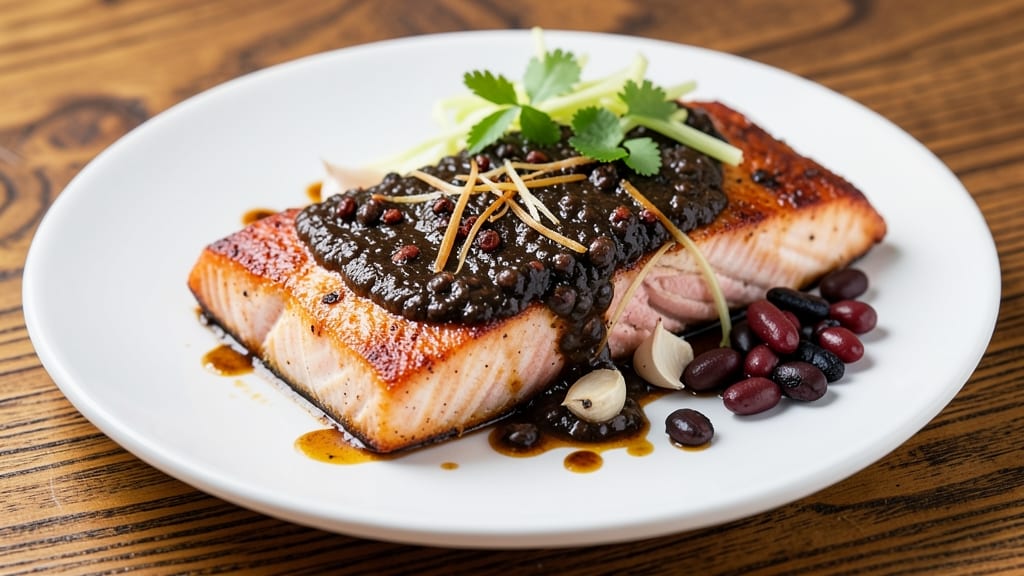
This baked salmon with black bean sauce delivers a perfect balance of smoky, spicy, and creamy flavors that transform simple weeknight dinner into something special.
The secret lies in a velvety black bean sauce infused with chipotle and celery crown, which pairs beautifully with perfectly cooked salmon—juicy inside, crispy on the outside. What makes this recipe stand out is how the sauce's rich texture complements the salmon's delicate flavor without overpowering it.
The salmon bakes at 400°F for just 12-15 minutes, ensuring it reaches 145°F internally for safe, flaky perfection. Meanwhile, the black bean sauce simmers on the stovetop, blending smoky chipotle, earthy black beans, and fresh celery crown into a harmonious blend that's both bold and approachable.
The result is a dish that feels restaurant-worthy but comes together in under 30 minutes with minimal effort.
Serve this dish over jasmine rice or quinoa to soak up every last bit of that luscious sauce, or pair it with roasted asparagus for a complete, balanced meal.
The contrast of the crispy salmon skin against the smooth, smoky sauce creates a visual and textural experience that's as satisfying as it is delicious. This is the kind of recipe that turns a simple dinner into a memorable one.
Don’t worry about complicated techniques—this recipe is designed for foolproof results, whether you're a seasoned home cook or just starting out. The black bean sauce can be made ahead of time, so you can focus on baking the salmon to perfection.
Once you try this combination, it’ll quickly become a go-to for quick yet impressive meals.
Ingredients for baked salmon with black bean sauce
Four flaky salmon fillets and a smoky black bean sauce that transforms weeknight dinner into something special.
| Ingredient | Amount | Notes |
|---|---|---|
| Center-Cut Salmon Fillets 🐟 | 4 pieces | Skin-on, 6-8 oz each |
| Black Beans 🫘 | 1 ½ cups | Canned, drained and rinsed |
| Chipotle Peppers in Adobo 🌶️ | 2 tbsp | Adjusted for heat preference |
| Celery Crown 🧅 | 1 whole | Fresh, chopped fine |
| Garlic Cloves 🧄 | 3 cloves | Fresh, minced |
| Shallots 🧅 | 2 whole | Small, finely diced |
| Lime Juice 🍋 | 2 tbsp | Freshly squeezed |
| Extra-Virgin Olive Oil 🫒 | ¼ cup | For sauce and salmon |
| Coconut Milk 🥥 | ½ cup | Full-fat for creaminess |
| Jasmine Rice 🍚 | 1 cup | Uncooked, for serving |
| Asparagus 🌱 | 1 lb | Trimmed, for roasting |
| Salt 🧂 | 1 ½ tsp | Diamond Crystal preferred |
| Ground Black Pepper 🌶️ | ½ tsp | Freshly cracked |
| Cumin 🌿 | ½ tsp | Ground, toasted |
| Smoked Paprika 🌶️ | ½ tsp | For sauce depth |
The salmon fillets are non-negotiable—center-cut ensures the best texture, with skin-on for that crispy finish. Wild-caught salmon from the seafood counter (or frozen, thawed properly) works best. If you're buying fresh, look for fillets with vibrant color and no fishy odor. The black beans? Canned, drained, and rinsed—the good stuff like Low Sodium Black Beans by Goya or Trader Joe's Organic Black Beans keep well in your pantry. For the chipotle peppers, adjust to taste—some brands are hotter than others, so start with less if you're sensitive to heat. Celery crown is the secret—it adds a subtle crunch that balances the sauce perfectly, but if you can't find it, regular celery works in a pinch (just chop it smaller).
No chipotle peppers in adobo? Substitute with smoked paprika plus a pinch of cayenne—it won’t be identical, but close. Running out of shallots? Extra-fine diced red onion does the trick, though it’ll add a slightly sharper bite. The coconut milk is key for that creamy texture—full-fat is a must (light versions won’t give the same richness). For extra depth, a splash of fish sauce (like Red Boat) can elevate the sauce, but it’s optional. The lime juice? Fresh is non-negotiable—bottled won’t cut it. And if you’re short on time, the sauce can be made ahead and reheated gently on the stove.
Salmon keeps best in the fridge for 1-2 days if uncooked, but once baked, it’s best eaten within 2 days. The black bean sauce reheats beautifully—just warm it gently on the stove or microwave for 30 seconds. For the rice, jasmine rice is ideal, but basmati or long-grain white works too. The asparagus? Roast it at 400°F for 12-15 minutes with olive oil, salt, and pepper—simple but effective. Portion the sauce into small containers if you’re prepping ahead; it freezes well for up to 3 months. The salmon skin? Save it for crispy snacks—it’s too good to waste.
Why You'll Love This Recipe
- One-Pan Magic: I swear by this recipe for lazy nights—just toss the salmon, black beans, and chipotle sauce on a sheet pan, then bake. No chopping, no fuss, and honestly? That smoky chipotle aroma fills the whole house while it cooks.
- Smoky-Sweet Balance: The black bean sauce is where this dish shines—creamy from the beans, bright from the celery, and that chipotle kick ties it all together. Between us, the crispy salmon with that sauce? It’s the kind of flavor that makes you pause mid-bite.
- Lunchbox Hero: This isn’t just dinner. Pack the leftovers for work—salmon stays moist, the sauce clings perfectly, and it’s way more exciting than a sad desk salad. (Yes, even on a Tuesday night.)
- Budget-Friendly Luxury: Salmon feels fancy, but the black beans and chipotle stretch it into a meal that won’t break the bank. I’ll be real: my grocery bill thanks me for this one. Plus, the leftovers taste just as good reheated as they do fresh.
Step-by-step instructions for baked salmon with black bean sauce
Here's how to create a perfectly balanced dish where smoky chipotle meets tender salmon.
Prepare the Black Bean Sauce Foundation
In a medium saucepan, combine the 1.5 cups black beans, 2 tbsp chipotle peppers in adobo (chopped finely), 1 whole celery crown (chopped fine), 3 cloves garlic cloves (minced), and 2 whole shallots (finely diced). I like to toast these aromatics for 2 minutes over medium heat until fragrant—this builds deep flavor before we add liquids.
Add the 0.25 cup extra-virgin olive oil and 0.5 cup coconut milk, then bring to a gentle simmer. Let it cook uncovered for 10-12 minutes until the sauce thickens slightly and the celery becomes tender. You're looking for a consistency that coats the back of a spoon but isn't gluey. Here's the thing—if it's too thick, just add 1-2 tablespoons water to loosen it. Taste and adjust seasoning with 0.5 tsp salt and 0.5 tsp smoked paprika before removing from heat.
Season and Bake the Salmon Perfectly
While the sauce simmers, pat the 4 pieces center-cut salmon fillets dry with paper towels—this ensures maximum crispness. Place them skin-side down on a parchment-lined baking sheet. In a small bowl, whisk together 2 tbsp lime juice, 0.5 tsp cumin, and 0.5 tsp ground black pepper. Generously brush this mixture over each fillet, coating both sides evenly.
Preheat your oven to 400°F. Bake the salmon for 12-15 minutes until the edges are opaque and the internal temperature reaches 145°F. Here's the critical part: don't overcook. The salmon will continue cooking slightly as it rests, and you want it just tender with a delicate texture. When you see the skin begin to crisp slightly at the edges, that's your signal to pull it out.
Roast the Asparagus and Cook the Jasmine Rice
While the salmon bakes, toss the 1 lb asparagus with 1 tbsp extra-virgin olive oil, 0.5 tsp salt, and a pinch of ground black pepper. Spread it out on a separate baking sheet and roast alongside the salmon for 10-12 minutes at 400°F until tender-crisp with slightly charred tips. You'll know it's done when the asparagus snaps easily at the base but still has a slight bite.
In a separate pot, cook the 1 cup jasmine rice according to package instructions, using 1.5 cups water and 0.5 tsp salt. I prefer the rice to be slightly undercooked—it'll finish steaming while everything else rests. Fluff with a fork before serving to ensure each grain is separate and tender.
Assemble and Serve with Perfect Timing
Once the salmon reaches 145°F, remove it from the oven and let it rest for 5 minutes on a wire rack. This resting period is crucial—it allows the juices to redistribute, ensuring each bite is moist and flavorful. While the salmon rests, gently reheat the black bean sauce if needed, adding a splash of water if it thickened too much during storage.
To serve, spoon the warm black bean sauce over each salmon fillet, then arrange the roasted asparagus alongside. Serve with the fluffed jasmine rice on the side. The combination of smoky chipotle, creamy coconut milk, and tender salmon creates a perfect balance of textures and flavors. Each bite delivers the rich, earthy black beans, the subtle heat of chipotle, and the delicate oceanic sweetness of the salmon.
Pro Tips For Making Baked Salmon With Black Bean Sauce
- Pat the Salmon Dry: I learned this the hard way—wet salmon steams instead of browning. Grab paper towels and press firmly on both sides before seasoning. The crust on your salmon will actually form, and that’s where all the flavor lives.
- Blend the Black Beans: Skip the canned beans straight from the jar—blend them first with a splash of the adobo sauce and a pinch of salt. This turns them into a silky, spreadable sauce instead of a chunky mix, and it cuts down on cooking time later.
- Sear the Salmon First: If you’re baking at 375°F, give the salmon a quick 2-minute sear in a hot pan before transferring to the oven. The edges will crisp up, and the center will cook more evenly—no more dry, overdone fish.
- Use Celery for Depth: Don’t just chop the celery crown—blanch it for 2 minutes in boiling water first, then shock it in ice water. This mellows out its bitterness and makes it melt into the sauce instead of adding texture you don’t want.
Perfect pairings for this recipe
Sauce Enhancements
Elevate the black bean sauce by adding 1 tbsp of fish sauce (like Red Boat) for umami depth—it amplifies the chipotle's smokiness while keeping the sauce balanced.
I also love stirring in 1 tsp of honey or agave nectar at the end to soften the heat and add a touch of sweetness. For extra freshness, finish with 2 tbsp chopped cilantro or green onions right before serving. 🌶️
Drink Pairings
A crisp Mexican lager like Modelo Especial or Pacifico complements the smoky chipotle and creamy coconut perfectly. The light, refreshing carbonation cuts through the richness of the sauce. For wine lovers, a medium-bodied Pinot Noir from California or Oregon adds earthy notes that harmonize with the dish. 🍷
Side Dish Harmony
Serve with charred corn on the cob brushed with chili-lime butter for a fun, interactive element. The sweetness of the corn balances the sauce's smokiness. Another great option is coconut rice—cook the jasmine rice in 1 cup coconut milk instead of water for a fragrant, creamy base.
For a lighter touch, avocado slices with lime and salt add a refreshing contrast. 🥑
Garnish Game-Changers
Top the dish with quick-pickled red onions (thinly sliced onions soaked in vinegar, lime juice, and a pinch of sugar for 10 minutes) for a bright, tangy crunch.
A sprinkle of toasted sesame seeds adds nutty texture, while lime zest on the sauce adds a citrusy pop. These small touches make the dish feel restaurant-quality. ✨
Make-Ahead Sauce
Prepare the black bean sauce up to 3 days ahead and store it in an airtight container in the fridge. Reheat gently on the stove with a splash of water or coconut milk to restore its creamy texture.
The flavors deepen overnight, making it even more delicious. I often make a double batch—it’s perfect for tacos or bowls later in the week. 💡
Plating Presentation
Arrange the salmon on a bed of rice with the sauce pooled artfully around it. Scatter the roasted asparagus and garnishes in a diagonal line for visual appeal. A drizzle of extra-virgin olive oil and a final sprinkle of smoked paprika** add a professional touch.
The contrast of colors—salmon pink, black bean brown, and green asparagus—makes the dish as beautiful as it is tasty. 🎨
Nutrition facts
Frequently asked questions
Can I use frozen salmon for this recipe?
Yes, but thaw it properly first! Place the frozen salmon in the refrigerator overnight or use the quick thaw method in cold water (sealed in a leak-proof bag). Never thaw at room temperature as this can promote bacterial growth. Pat it completely dry before baking to ensure that crispy skin.
How do I adjust the heat level in the black bean sauce?
Start with 1 tbsp chipotle peppers in adobo for mild heat, then increase to 2 tbsp for medium, and up to 3 tbsp for spicy. For extra heat, add a pinch of cayenne pepper or a dash of hot sauce at the end. Taste as you go—you can always add more, but you can't remove the heat once it's there!
What if my salmon skin doesn't crisp up? This usually happens if the salmon isn't dry enough or the oven isn't hot enough.
Can I make this recipe without coconut milk?
Substitute with ½ cup heavy cream or ½ cup Greek yogurt for tanginess. For a dairy-free option, use ½ cup cashew cream (blend soaked cashews with water) or an extra ¼ cup water to thin the sauce. The texture will be slightly different but still delicious.
How do I reheat leftovers without drying out the salmon?
Reheat gently in a skillet over low heat for 2-3 minutes with a splash of water or sauce to keep it moist. For the sauce, warm it on the stove with a little water or coconut milk to restore its creamy consistency. Microwaving can dry out the salmon, so avoid it if possible.