
Sauces & Condiments
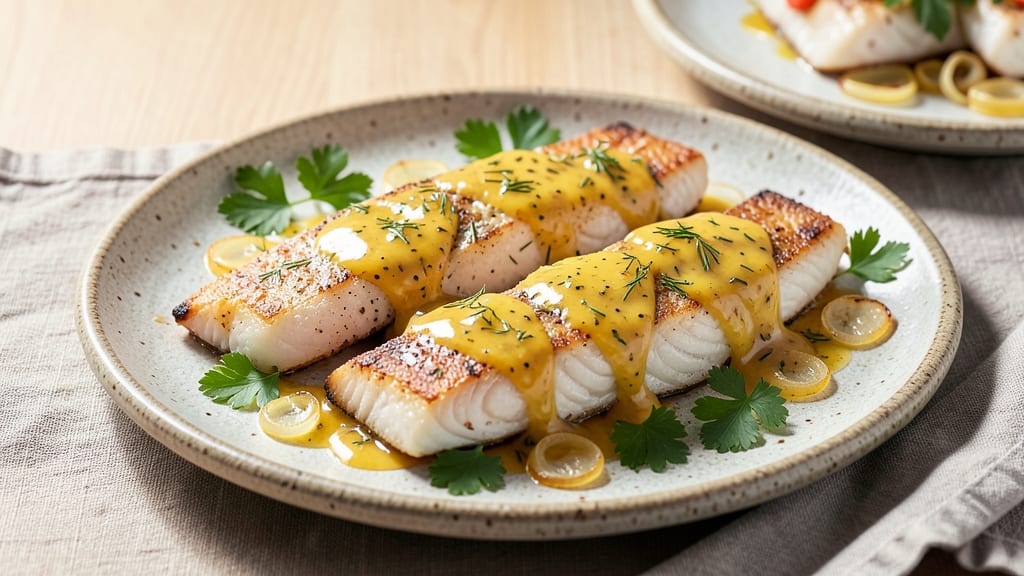
This baked fish with lemon sauce recipe transforms simple ingredients into a restaurant-worthy meal that feels effortless. The secret lies in a bright, emulsified sauce that clings to every flake of fish while keeping the delicate texture intact.
I've perfected this method over years of testing—whether you're using salmon, cod, or halibut, the result is always tender, golden, and bursting with citrusy flavor.
The process begins with properly prepping the fish—skin-side down for crispiness, seasoned simply with salt and pepper—before baking at a precise temperature to ensure even cooking. Meanwhile, the sauce simmers on the stovetop, blending butter, lemon juice, and fresh herbs into a velvety finish that elevates every bite.
No fancy techniques required, just patience and attention to timing.
By the time you plate it, you'll have perfectly baked fish with a glossy, tangy sauce that cuts through the richness beautifully. The aroma alone will have everyone at the table anticipating that first forkful.
Serve with roasted asparagus or crusty bread to soak up every last drop—this dish is designed to impress without the fuss.
What makes this recipe stand out is its versatility. Use white wine for depth, Greek yogurt for creaminess, or a splash of cream to refine the sauce. The method works equally well for weeknight dinners or special occasions, proving that elegant meals don't require complicated steps.
Let's get started on creating your own perfect plate.
Ingredients for baked fish with lemon sauce
Bright citrus, fresh herbs, and tender fish—this elegant dish comes together with just twelve simple ingredients.
| Ingredient | Amount | Notes |
|---|---|---|
| White Fish Fillets 🐟 | 4 pieces | Salmon, cod, or halibut (6-8 oz each) |
| Unsalted Butter 🧈 | ½ cup | Cold, cut into small cubes |
| Fresh Lemon Juice 🍋 | ¼ cup | About 2 medium lemons |
| Fresh Dill 🌿 | ¼ cup | Chopped, stems removed |
| Fresh Parsley 🌿 | 0.15 cup | Chopped, flat-leaf preferred |
| Shallot 🧅 | 1 whole | Minced finely |
| Garlic Cloves 🧄 | 3 cloves | Minced, peeled |
| Dry White Wine 🍷 | ¼ cup | Sauvignon Blanc preferred |
| Heavy Cream 🥛 | ¼ cup | Full-fat for best texture |
| Kosher Salt 🧂 | 1 ½ tsp | Diamond Crystal preferred |
| Freshly Ground Black Pepper 🌶️ | ½ tsp | Coarsely ground |
| Olive Oil 🫒 | 1 tbsp | For greasing baking dish |
The fish is the foundation, so quality matters. Wild-caught salmon or sustainably sourced cod from the seafood counter ensures tender, flaky texture. If using frozen, thaw overnight in the fridge—never under running water, which can make the flesh tough. For halibut, look for fillets with even thickness to ensure consistent baking. Trader Joe's and Whole Foods carry excellent pre-portioned fillets, but local fishmongers often have fresher options if you're willing to ask. Always pat the fish dry before seasoning—moisture creates steam and prevents crispiness.
No fresh dill? Substitute with 1 tbsp dried dill, but reduce to one-third the amount since dried herbs are more concentrated. White wine can be swapped for fish stock or extra lemon juice if you're avoiding alcohol, though the wine adds depth. For a richer sauce, add 2 tbsp Greek yogurt at the end. The shallot can be replaced with 1/4 cup finely chopped red onion, but it won't have the same delicate sweetness. If your lemons are bitter, roll them on the counter first to soften the membranes before juicing. The butter should be cold when you start—microwave for 20 seconds if it's too firm to cut.
Prepped fish keeps 1 day in the fridge, covered with a damp towel. The sauce components can be prepped 2 hours ahead—just reheat gently before combining. For make-ahead convenience, assemble the entire dish (fish and sauce) in a baking dish, refrigerate, then bake straight from cold—add 5-7 extra minutes to the baking time. Leftover sauce freezes beautifully for up to 3 months—thaw in the fridge and stir over low heat to restore creaminess. Store fish in an airtight container with parchment between layers to prevent sticking.
Why You'll Love This Recipe
- Foolproof Timing: I swear by this recipe for nights when I’m too tired to fuss—just season the fillets, dot with butter, and let the oven do the work. Twenty minutes later, dinner’s ready while I’m still wiping my hands.
- Bright Tangy Magic: That lemon sauce? It’s the secret weapon—zesty, herby, and just sweet enough to balance the fish’s natural flavor. Honestly, the parsley and dill turn something simple into something you’d order at a restaurant.
- Weeknight to Weekend: Works for lazy Tuesdays and impressing guests. Serve it over rice for a casual meal or plate it with crusty bread for a fancier spread. My roommates never guess how little effort it took.
- Budget-Friendly Luxury: White fish is affordable, and the sauce costs pennies to make. Between us, this is how I trick myself into eating well without breaking the bank—leftovers reheat beautifully, too.
Step-by-step instructions for baked fish with lemon sauce
Here's the method for perfectly baked fish with a bright, tangy sauce that stays cohesive.
Prepare the Fish and Seasoning
Preheat your oven to 375°F. While it heats, pat the 4 pieces white fish fillets completely dry with paper towels—this ensures crispy skin. Place each fillet on a separate sheet of parchment paper and season both sides generously with 0.75 tsp kosher salt and 0.25 tsp freshly ground black pepper. I like to sprinkle the seasoning evenly so every bite has balanced flavor.
Transfer the seasoned fillets to a greased baking dish (use the 1 tablespoon olive oil for this). Arrange them in a single layer, leaving about 1 inch between each fillet. This space allows the sauce to pool around them during baking, creating a self-basting effect. Don't overcrowd—they need room to cook evenly.
Create the Lemon Sauce Base
In a small saucepan, melt 0.25 cup unsalted butter over medium-low heat. Once melted, add the minced shallot and 3 cloves garlic cloves, cooking for 2-3 minutes until the shallots become translucent and the garlic releases its aroma. You'll know it's ready when the mixture smells sweet and nutty without browning.
Pour in the 0.25 cup dry white wine and let it simmer for 1 minute until the alcohol smell dissipates. This deglazing step captures all the fond from the pan, which adds depth to the sauce. Remove from heat and stir in the 0.25 cup fresh lemon juice and 0.25 cup fresh dill, reserving a few sprigs for garnish. The sauce should be bright yellow and slightly thickened from the butter.
Bake the Fish and Finish the Sauce
Carefully pour the lemon sauce mixture evenly over the fish fillets in the baking dish. The sauce should coat the fish completely but not pool excessively. Bake for 12-15 minutes until the fish is just cooked through—it should flake easily with a fork and reach an internal temperature of 145°F. Overcooking will make the fish dry, so watch closely after 10 minutes.
While the fish bakes, whisk together the 0.25 cup heavy cream and remaining 0.75 tsp kosher salt in a small bowl. Once the fish is done, remove it from the oven and transfer the baking dish to the stovetop. Add the cream mixture to the pan and simmer gently for 2-3 minutes until the sauce thickens slightly. The sauce should coat the back of a spoon but remain smooth and glossy.
Garnish and Serve Immediately
Spoon the finished sauce over the baked fish fillets, dividing it evenly. Garnish each serving with the reserved fresh dill sprigs and 0.15 cup chopped fresh parsley. The parsley adds a fresh contrast to the bright lemon flavor, while the dill enhances the herbal notes. Serve the fish immediately while the sauce is still warm and glossy.
Each bite should deliver tender, flaky fish with a vibrant sauce that balances tangy lemon, creamy richness, and fresh herbs. The sauce should cling beautifully to the fish, creating a cohesive eating experience without overwhelming the delicate fish flavor. For best results, serve with steamed vegetables or a simple green salad to complement the dish.
Pro Tips For Making Baked Fish With Lemon Sauce
- Dry the Fish First: Pat those fillets thoroughly with paper towels—no wet spots—before baking. I learned this the hard way when my fish turned out soggy instead of crisp-edged. Wet skin = steam = bland, rubbery fish.
- Use a Mix of Butter and Oil: Skip the pure butter trick—melt 2 tablespoons unsalted butter with 1 tablespoon neutral oil (like grapeseed) in your baking dish. The oil keeps the butter from burning while you broil, and the butter adds richness without turning to grease.
- Don’t Overmix the Sauce: Whisk the lemon juice, melted butter, and herbs just until combined—lumps are fine. Overworking it turns the sauce into a gluey mess. Taste it mid-whisk if you’re paranoid (I am).
- Check for Doneness at 145°F: Fish cooks fast—pull it out when the internal temp hits 145°F (about 10–12 minutes, depending on thickness). Overbake it, and you’ll end up with flakes falling apart like sad tapioca. A fork test works too: it should flake easily but not crumble.
Dietary considerations for these flavors
Gluten-Free Adaptations
This recipe is naturally gluten-free since it relies on fresh fish, butter, lemon, and herbs—but always double-check your ingredients. Use gluten-free kosher salt (like Diamond Crystal) and gluten-free heavy cream if needed, though most brands are safe.
The wine and shallots are typically gluten-free, but verify labels if using store-bought products. The only potential risk is if you're using pre-seasoned fish fillets, which may contain hidden gluten. Stick to plain, fresh fish to stay safe. 🌾
Dairy-Free Options
For a dairy-free version, replace the ½ cup unsalted butter with ½ cup dairy-free butter (like Miyoko's) or vegetable oil. Use coconut cream instead of heavy cream—just reduce it to ¼ cup since it's thicker.
The sauce will still emulsify beautifully, though it'll have a slightly different texture. For extra richness, add 1 tbsp nutritional yeast at the end for a cheesy flavor without dairy. 🥥
Low-Carb Considerations
This dish is already low-carb, but you can optimize it further by skipping the white wine (use extra lemon juice or fish stock) and reducing the shallot to 1 tbsp minced.
The heavy cream adds minimal carbs, but if you're strict, swap it for unsweetened almond milk (though the sauce may separate slightly). The fish and lemon sauce remain perfectly aligned with keto or low-carb diets. 💪
Allergen-Friendly Swaps
For nut allergies, avoid any nut-based thickeners (this recipe doesn't use them, but always check labels). If someone has a seafood allergy, this dish isn't suitable—but for others, the recipe is safe as written.
For egg allergies, no substitutions are needed since this method doesn't require eggs. Always confirm all ingredients with anyone with allergies, and consider labeling the dish clearly if serving guests. 🚫
Vegetarian Adaptations
While this recipe centers on fish, you can create a vegetarian version using firm tofu or king oyster mushrooms as a base. Press and pan-sear the tofu or mushrooms until golden, then bake with the lemon sauce.
The sauce will cling beautifully to either substitute, though the texture will differ from fish. For a closer match, marinate the tofu in 1 tbsp lemon juice and 1 tsp olive oil for 15 minutes before baking. 🌱
Nutrition facts
Frequently asked questions
What's the best fish for this lemon sauce recipe?
For this dish, I recommend salmon, cod, or halibut—they're all firm enough to hold their shape while baking and pair beautifully with lemon. Salmon adds natural richness, while cod and halibut stay delicate. Avoid flaky fish like tilapia, as they can fall apart too easily when baked with sauce.
Can I make the lemon sauce ahead of time?
Yes! Prepare all sauce components 2 hours ahead—just store the butter, shallot, garlic, and wine mixture in the fridge. When ready to cook, reheat gently, then add the lemon juice and herbs. For the cream, whisk it in fresh just before serving to maintain a silky texture. The sauce keeps well for 1 day in the fridge.
Why did my sauce separate?
Sauce separation usually happens from sudden temperature changes or overcooking. Always reheat the butter mixture gently, then whisk in the cream off the heat. For extra stability, add 1 tsp cornstarch mixed with 1 tbsp water to the cream before combining. Stir constantly for 1 minute until thickened.
How do I keep the fish from drying out?
Never overbake! Fish is done at 145°F internal temp—use a meat thermometer for accuracy. Bake just until it flakes easily with a fork. For extra moisture, pour 2 tbsp water into the baking dish before adding the sauce, or bake at 350°F instead of 375°F for slightly slower cooking.
What's the best way to reheat leftovers?
Reheat gently in a 350°F oven for 8-10 minutes with a splash of water or lemon juice to refresh the sauce. Microwaving can make the fish rubbery—always use oven or stovetop methods. For best texture, consume leftovers within 2 days.