
Sauces & Condiments
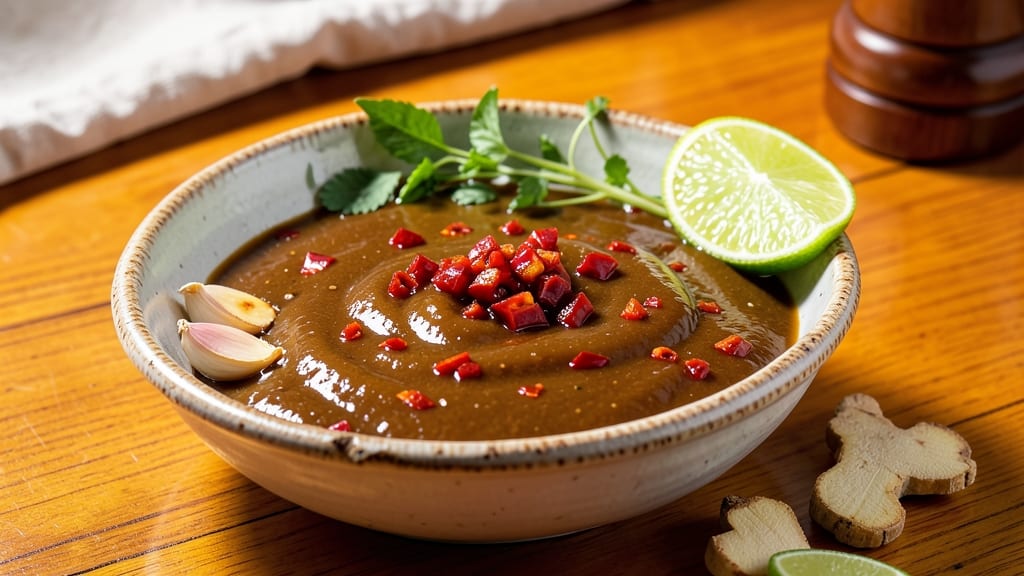
This Bahamian tamarind sauce recipe transforms simple ingredients into a tangy-sweet drizzle that elevates jerk chicken, grilled fish, and even roasted vegetables. The key lies in balancing tamarind pulp with citrus and spices, creating a sauce that's both complex and effortlessly versatile.
I developed this recipe after years of perfecting Caribbean flavors, and it never fails to add depth to any dish.
The sauce begins with tamarind pulp—its natural tartness forms the foundation, while brown sugar and lime juice bring the perfect sweet-tart harmony. A touch of garlic, ginger, and scotch bonnet pepper adds warmth and a subtle kick, ensuring every drizzle packs flavor.
The result is a smooth, glossy sauce that clings beautifully to grilled meats or dips like a dream.
What makes this sauce special is its dual-purpose nature: use it as a marinade for jerk dishes, a tangy dip for fried plantains, or a finishing drizzle over grilled fish.
The recipe yields about 1½ cups, and it keeps well in the fridge for up to two weeks—ideal for meal prep or gifting. Each batch delivers that authentic Bahamian tang that turns ordinary meals into something extraordinary.
For best results, simmer the sauce until it thickens slightly, then let it cool before using. The flavors deepen as it sits, so making a batch ahead ensures you’re always ready to elevate your dishes.
Whether you're hosting a Caribbean feast or simply craving bold flavors, this sauce is your secret weapon.
Ingredients for bahamian tamarind sauce
Eight simple ingredients transform into a tangy-sweet Bahamian sauce that elevates everything from jerk chicken to grilled fish.
| Ingredient | Amount | Notes |
|---|---|---|
| Tamarind Pulp 🍈 | ½ cup | Unrefined, block form preferred |
| Brown Sugar 🍚 | ½ cup | Light or dark variety |
| Fresh Lime Juice 🍋 | ¼ cup | About 2-3 limes |
| Scotch Bonnet Pepper 🌶️ | 1 whole | Seeded for mild heat |
| Garlic Cloves 🧄 | 3 cloves | Minced or grated |
| Fresh Ginger 🌿 | 1 tbsp | Grated, peeled |
| Apple Cider Vinegar 🍶 | 1 tbsp | For tangy depth |
| Ground Allspice 🌶️ | ½ tsp | Freshly ground preferred |
| Ground Cinnamon 🌿 | ¼ tsp | For warmth |
| Salt 🧂 | ½ tsp | Kosher or sea salt |
| Water 💧 | ½ cup | For thinning if needed |
Tamarind pulp is the heart of this sauce—block form (like the kind at Caribbean markets) has the best texture and flavor. Whole Foods or Asian grocery stores usually carry it, and it keeps for months in a sealed container. If you can't find it, tamarind paste works too, but it's thicker. The scotch bonnet pepper is non-negotiable for that authentic Bahamian kick—Trader Joe's sells them fresh or frozen. For the ginger, freshly grated makes all the difference, but powdered works in a pinch if you're short on time.
No tamarind? Lemon juice plus a pinch of sugar can mimic the tang, but it won't be identical. Swap scotch bonnet for habanero if you want more heat, or jalapeño for mild heat. The brown sugar can be light or dark—muscovado adds depth if you're feeling fancy. Fresh lime juice is ideal, but bottled works in a bind. For the spices, ground allspice and cinnamon are key—if you don't have allspice, nutmeg plus cloves gets you close. The apple cider vinegar adds that signature tang, but white vinegar in a pinch won't ruin it.
This sauce thickens as it cools, so simmer until slightly glossy—about 15-20 minutes. Store in a glass jar in the fridge for up to 2 weeks, or freeze for 3 months. I double the batch and give it away—it's the perfect gift for Caribbean food lovers. The flavors deepen overnight, so make it ahead if you can. Perfect for marinades, dips, or drizzling over grilled meats.
Why You'll Love This Recipe
- Pantry Magic: I swear by this sauce because it’s made with stuff I already have—no last-minute grocery runs. Tamarind pulp, brown sugar, and a Scotch bonnet (or less if you’re not brave) turn into something vibrant with just a quick simmer. The garlic cloves? You crush them right in the pot, no mincing required.
- Tangy Heat Balance: Here’s what sold me—the way the tamarind’s deep sourness plays off the brown sugar’s caramel edge, then boom—lime juice cuts through it like a citrus wake-up call. Add a tiny slice of Scotch bonnet, and suddenly your dish has this smoky-spicy kiss that lingers. (Yes, even on a Tuesday night.)
- Dips, Glazes, Everything: Between us, this sauce is my secret weapon for grilled fish, fried plantains, or even drizzled over roasted sweet potatoes. I’ve used it as a marinade, a dipping sauce, and once—don’t judge—glazed chicken thighs with it. The versatility is next-level, and it never feels like a stretch.
- Makes More Than You Think: Honestly, I double the batch because it keeps for weeks in the fridge. The flavors actually deepens over time, so that first jar you open later? Even better. Plus, tamarind pulp is cheap, and brown sugar stretches further than you’d expect. Budget-friendly, and it turns one ingredient into a whole flavor party.
Step-by-step instructions for Bahamian tamarind sauce
This tangy-sweet sauce comes together fast—just blend, simmer, and taste as you go.
Prepare the Tamarind Base
Start by soaking the 0.5 cup tamarind pulp in 0.5 cup water for 10 minutes to soften. If using block tamarind, scrape out the fibrous pulp carefully—it should look like a thick, dark paste. I like to strain it through a fine-mesh sieve to remove any tough fibers, but if you're in a hurry, just mash it well with your fingers.
Transfer the tamarind mixture to a saucepan and bring it to a gentle simmer over medium heat. Add the 0.5 cup brown sugar and stir until fully dissolved—this should take about 2-3 minutes. The sugar will help balance the tamarind's natural tartness, creating that signature Bahamian sweet-tangy flavor. Keep an eye on it; you don’t want it to burn, just melt smoothly.
Build the Spiced Foundation
While the tamarind simmers, finely mince the 3 cloves garlic and 1 tbsp fresh ginger—the smaller the pieces, the better they’ll blend into the sauce. Add them to the pan along with the 1 whole seeded Scotch bonnet pepper (remove seeds if you prefer milder heat). Cook for 3-4 minutes until the garlic turns golden and fragrant, but don’t let it brown or it’ll turn bitter.
Next, stir in the 1 tbsp apple cider vinegar, 0.5 tsp ground allspice, 0.25 tsp ground cinnamon, and 0.5 tsp salt. The vinegar adds a bright tang that cuts through the sweetness, while the spices give it that warm, aromatic depth. Let everything simmer together for 5 minutes to let the flavors meld—you’ll smell the sauce transforming into something rich and complex.
Finish with Lime and Adjust
Remove the pan from heat and let it cool slightly for 2 minutes. Then, stir in the 0.25 cup fresh lime juice—this is where the sauce really comes alive. The acidity brightens everything, balancing the sweetness and tamarind’s tang. Taste it now: it should be bold, with a mix of sweet, spicy, and sour notes. If it’s too thick, thin it with a splash of water (though it should be perfect as is).
For the final touch, transfer the sauce to a blender or food processor and blend until smooth. If you prefer a slightly textured sauce, give it just a quick pulse. Strain it through a fine-mesh sieve if you want an ultra-smooth drizzle. This sauce is best used fresh, but it’ll keep in the fridge for up to 1 week—just give it a quick stir before using.
Pro Tips For Making Bahamian Tamarind Sauce
- STRAIN IT TWICE: Tamarind pulp is sneaky—it hides gritty bits that ruin texture. After simmering, strain through a fine-mesh sieve first, then a cheesecloth-lined colander. I learned this the hard way when I skipped it and ended up with a sauce that felt like eating sandpaper.
- CHAR THE GARLIC: Don’t just sauté those garlic cloves—char them until they’re deep golden and smell like a Bahamian street vendor’s stall. This adds a smoky depth that raw garlic can’t match. Use a dry pan and keep an eye on it; burned garlic turns bitter faster than you’d think.
- SWEAT THE PEPPER: Toss the Scotch bonnet in the pot before adding liquid and let it sweat for 2-3 minutes. This softens the flesh and mellows the heat without losing any of that bright, fruity punch. Skipping this step means you’ll end up with a sauce that’s more spicy than flavorful.
- BALANCE THE SWEET: Taste as you go, but don’t rush the brown sugar. Start with half the amount called for—Bahamian tamarind sauce should taste sour-sweet, not like dessert. If it’s too cloying, add a splash more lime juice. I used to overdo the sugar, and the sauce lost its tangy edge every time.
Dietary considerations for these flavors
Gluten-Free Friendly
This sauce is naturally gluten-free since it relies on tamarind, citrus, spices, and sugar—none of which contain gluten. Always double-check your brown sugar and apple cider vinegar labels, as some brands may process them in gluten-containing facilities.
I use Wholesome! Sweeteners organic brown sugar and Bragg Organic apple cider vinegar, both certified gluten-free. The scotch bonnet pepper and spices are also gluten-free, making this sauce safe for anyone avoiding gluten. 🌾
Vegan Adaptations
The original recipe is already vegan-friendly—no animal products are used. For extra richness, I sometimes add 1 tablespoon coconut oil to the simmering tamarind mixture, which enhances the sauce’s glossy texture.
If you want to boost protein, blend in 1 tablespoon tahini at the end for a nutty depth. The sauce pairs perfectly with vegan jerk dishes or grilled tofu. 🌱
Low-Sugar Options
To reduce sugar, cut the brown sugar to 0.25 cup and add 1 tablespoon maple syrup for natural sweetness. Alternatively, use 0.5 cup monk fruit sweetener (like Lakanto) for a zero-calorie option that doesn’t alter the sauce’s tang.
The tamarind’s natural sweetness will still shine, but the overall profile will be lighter. Taste as you go—you might need an extra splash of lime juice to balance the reduced sugar. 🍯
Allergen Considerations
This sauce contains no common allergens except for potential traces in spices or sugar. If you’re sensitive to sulfites, opt for organic tamarind pulp and certified organic spices, as conventional versions may contain preservatives.
For nut-free kitchens, avoid cross-contamination by using clean utensils and surfaces. The scotch bonnet pepper is the only ingredient requiring caution—wear gloves if handling raw peppers to avoid skin irritation. 🧤
Nut-Free & Seed-Free
The recipe is naturally nut-free and seed-free, making it safe for those with allergies. However, if you’re using ground spices from bulk bins, check for cross-contamination warnings.
For extra caution, I toast my spices lightly in a dry pan before adding them to the sauce—this enhances flavor while reducing potential allergen risks. The sauce’s tangy-sweet profile remains unchanged, so it’s a great addition to nut-free Caribbean meals. 🌿
Nutrition facts
Frequently asked questions
Can I substitute tamarind pulp with something else?
Yes! If you can't find tamarind pulp, mix ¼ cup lemon juice with 1 tbsp honey to mimic the tangy-sweet balance. For a closer match, use 2 tbsp tamarind paste (adjust liquid as needed). The sauce will still work, though the texture may vary slightly.
How spicy should the scotch bonnet make this sauce?
The sauce should have a mild to moderate heat from the scotch bonnet—remove seeds and membranes for a gentler kick. If you prefer no heat, swap it for 1 tbsp bell pepper or skip it entirely. The lime juice and spices will still provide depth without the burn.
Can I make this sauce ahead of time?
This sauce tastes even better after 24 hours as flavors meld. Store it in an airtight container in the fridge for up to 2 weeks. For longer storage, freeze for 3 months. Stir well before using—it thickens as it cools. Perfect for meal prep!
What are the best ways to use this sauce?
Drizzle it over grilled fish, jerk chicken, or roasted veggies for instant flavor. Use it as a marinade for 1-2 hours before cooking, or serve as a tangy dip for fried plantains or conch fritters. The glossy texture makes it ideal for finishing dishes too.
Why did my sauce turn out too thick?
Simmering reduces the liquid naturally, but if it's too thick, stir in 1-2 tbsp water while warm. For a smoother texture, blend again after cooling. If you prefer a thicker consistency, reduce the water in the tamarind soaking step.