
Sauces & Condiments
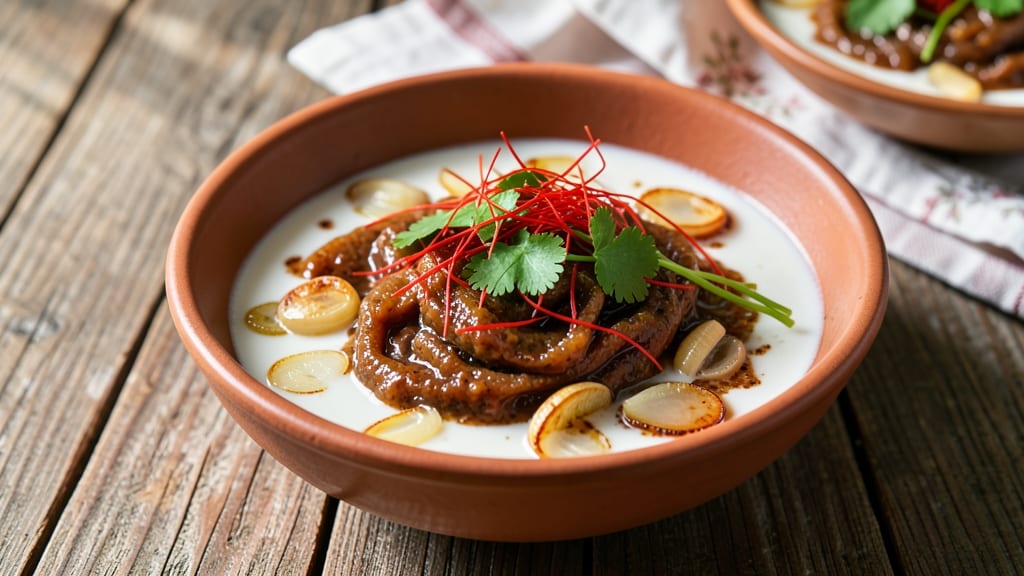
This ayamase sauce recipe unlocks the velvety, umami-rich secret behind Indonesia's most beloved condiment. The magic lies in fermented fish paste (terasi) and aromatic spices that simmer into a smooth, tangy-sweet sauce with just a hint of vinegar's bright zing.
What makes this sauce extraordinary is its dual nature—silky enough to coat noodles yet bold enough to stand up to grilled meats. The process begins with a simple blend of fermented fish, salt, and spices that develop depth over time.
Unlike store-bought versions, homemade ayamase builds layers of complexity as it cooks down, creating a sauce that's both restaurant-quality and deeply personal. The key? Patience in the simmering and balancing the vinegar for that signature tang without overpowering the rich fish flavor.
By the end, you'll have a sauce that transforms ordinary dishes into extraordinary meals—think crispy fried rice, grilled satay, or steaming noodles—all elevated by this velvety, aromatic condiment. The best part? It keeps well in the fridge for up to a week, ready to enhance your next Indonesian-inspired feast.
For those new to fermented fish, don't worry—the sauce's smooth texture masks any initial unfamiliarity, delivering only pure, addictive flavor. Let's create this versatile sauce that's as much about technique as it is about taste.
Ingredients for ayamase sauce
Nine essential ingredients blend into Indonesia's velvety sauce masterpiece—rich, tangy, and deeply aromatic.
| Ingredient | Amount | Notes |
|---|---|---|
| Fermented Fish Paste (Terasi) 🐟 | ½ cup | Indonesian brand preferred, packed in oil |
| White Vinegar 🍶 | ½ cup | Distilled for clean tang |
| Coconut Milk 🥥 | 1 cup | Full-fat for rich texture |
| Shallots 🧅 | ¼ cup | Finely minced, not chopped |
| Garlic Cloves 🧄 | 6 cloves | Peeled and crushed |
| Ginger Root 🌿 | 1 tbsp | Freshly grated, no zest |
| Sugar 🍚 | 2 tbsp | White granulated preferred |
| Salt 🧂 | 1 tsp | Diamond Crystal preferred |
| Dried Shrimp 🦐 | 2 tbsp | Crushed for umami depth |
| Kaffir Lime Leaves 🌿 | 2 whole | Torn, not chopped |
The fermented fish paste (terasi) is non-negotiable for authentic flavor, and Indonesian brands like ABC or local Asian markets carry the best quality. Look for paste packed in oil—this preserves freshness and prevents drying. If unavailable, shrimp paste (belacan) can substitute at half the amount, though the texture will differ slightly. The kaffir lime leaves add that signature citrusy aroma; frozen works in a pinch, but fresh delivers superior depth. For the dried shrimp, Thai or Indonesian brands from specialty stores ensure maximum umami without fishy overtones.
No terasi? A blend of anchovy paste and miso paste (1:1 ratio) mimics the fermented profile, though it lacks the same complexity. Apple cider vinegar can replace white vinegar, but the flavor will be milder. The coconut milk must be full-fat—light versions thin the sauce and dilute flavor. Shallots and garlic should be minced finely to dissolve completely during simmering, avoiding any graininess. For a vegetarian adaptation, omit the terasi and dried shrimp, replacing with soy sauce and mushrooms for umami, though the sauce will lose its signature depth.
Store the sauce in an airtight glass jar in the fridge for up to 7 days, where flavors meld beautifully. For longer storage, freeze in ice cube trays—thawed portions work perfectly for quick meals. The sauce thickens upon cooling, so stir before use and add a splash of water if needed. This sauce is a versatile condiment: drizzle over fried rice, toss with grilled satay, or use as a dipping sauce for noodles. The vinegar's tang develops over time, so rebalance flavors if storing longer than 3 days.
Why You'll Love This Recipe
- Five-Ingredient Magic: I swear, this sauce comes together with just a pan, a spoon, and zero stress. The terasi and vinegar do all the work—no blenders, no fancy techniques, just stir and simmer until it smells like home.
- Umami Bomb: That fermented fish paste? It’s the secret weapon—deep, salty, funky in the best way. Pair it with coconut milk, and suddenly you’ve got a sauce that’s rich but still bright, like a hug in liquid form.
- Weeknight Wonder: Dinner with the kids? Date night? Last-minute guests? This sauce works for all of it. Slather it on grilled chicken, toss it with noodles, or drizzle it over rice—it’s the chameleon of sauces, and it never lets you down.
- Budget Hero: A jar of terasi and a can of coconut milk stretch farther than you’d think. I’ve made this for a family of four for under $3, and the leftovers? Even better the next day—if they last that long.
Step-by-step instructions for ayamase sauce
Mastering this velvety Indonesian sauce requires precision with aromatic bases and careful balancing.
Bloom the Aromatics in Coconut Oil
In a medium saucepan over medium-low heat, combine the 0.5 cup Fermented Fish Paste (Terasi) and let it cook for 3-4 minutes until the oil begins to separate and the paste releases its deep umami aroma. This step develops the sauce's signature complexity - don't rush it or the flavors won't meld properly.
Add the 0.25 cup finely minced shallots, 6 cloves crushed garlic, and 1 tbsp freshly grated ginger root. Cook for 5-6 minutes until the shallots soften and become translucent, but don't let them brown. The garlic should be fragrant but not colored - this prevents bitterness that would overpower the delicate balance of the sauce.
Deglaze and Incorporate Liquids
Pour in the 0.5 cup white vinegar immediately after removing from heat - the sudden temperature change helps extract maximum flavor from the aromatics. Return to medium heat and let the mixture simmer gently for 3-4 minutes until the vinegar's sharpness begins to mellow and integrate with the fish paste.
Add the 1 cup full-fat coconut milk and stir gently to combine. The sauce should begin to thicken slightly as the coconut milk emulsifies with the fish oil. If you notice any oil separation at this stage, whisk vigorously to re-emulsify - this is normal with fermented fish paste and can be corrected by adding 1 tablespoon water if needed.
Build Depth with Umami Components
Stir in the 2 tbsp crushed dried shrimp and 2 whole torn kaffir lime leaves. Simmer the sauce for 8-10 minutes over low heat, stirring occasionally, until the mixture reduces by about 25% and becomes noticeably thicker. The kaffir lime leaves will infuse their citrusy aroma without imparting texture.
Add the 2 tbsp sugar and 1 tsp salt now - the sugar helps balance the acidity while the salt enhances all the umami flavors. Taste the sauce at this point and adjust the seasoning if needed. The sauce should be sweet, tangy, umami-rich, and slightly acidic with no single flavor dominating.
Refine and Finish the Sauce
Remove the sauce from heat and strain through a fine-mesh sieve to eliminate any fibrous bits from the lime leaves or shrimp. Press gently on the solids to extract maximum flavor. Return the strained sauce to the pan and simmer for an additional 3-4 minutes to allow the flavors to fully meld.
For the final touch, I recommend passing the sauce through a fine-mesh strainer again into a clean saucepan. This ensures silky smoothness that's characteristic of professional ayamase. The sauce should coat the back of a spoon and have a glossy sheen. If it's too thick, thin with 1 tablespoon water at a time until you reach the perfect consistency for your application.
Pro Tips For Making Ayamase Sauce
- Bloom the Aromatics: Sauté your minced shallots and garlic in coconut milk on medium-low heat until they’re soft but not brown—just fragrant. I learned this the hard way: burning them turns the sauce bitter, and you’ll taste it in every bite. Keep the heat gentle until the terasi is added.
- Toast the Terasi: Dry-toast your terasi in a pan for 30 seconds before adding liquid—it deepens the umami without overpowering. Skip this, and the sauce will taste raw and fishy. (Yes, even if you’re impatient like me.)
- Strain the Vinegar: Mix white vinegar with a splash of water first, then strain it through a fine sieve before adding to the sauce. This removes sediment that can make the sauce cloudy or gritty—trust me, your mouth will notice the difference.
- Simmer, Don’t Boil: Let the sauce bubble gently for 10–12 minutes, stirring often, until it thickens but doesn’t split. Boiling it too hard turns the coconut milk greasy, and the texture goes wrong. (Your future self will thank you for this one.)
Best sauces and condiments for this dish
Grilled Satay Perfection
This sauce transforms ordinary grilled satay into a restaurant-worthy dish. I like to marinate 1 lb chicken thighs in a mix of 2 tbsp soy sauce, 1 tbsp lime juice, and 1 tsp turmeric for 2 hours before skewering.
After grilling, brush the hot skewers with ayamase sauce and let it caramelize slightly for 1-2 minutes—the sauce's richness clings beautifully to the charred meat. 🔥
Fried Rice Upgrade
For crispy fried rice, use 2 cups day-old jasmine rice stir-fried with 1 tbsp coconut oil until golden. Push the rice to one side, add 1 egg scrambled in the pan, then mix everything together.
Drizzle 2-3 tbsp ayamase sauce and toss until the rice is evenly coated. Garnish with crushed peanuts and sliced green onions for texture contrast.
Noodle Dipping Sauce
Thin the sauce with 1-2 tbsp warm water for a perfect dipping sauce. I serve it with vermicelli noodles cooked al dente and tossed with 1 tbsp toasted sesame oil.
The sauce's tangy-sweet profile cuts through the noodles' softness while the umami depth makes every bite satisfying. Add 1 tsp chili flakes for heat lovers.
Seafood Pairings
Ayamase sauce shines with grilled shrimp skewers or steamed fish fillets. For shrimp, marinate 1 lb shrimp in 1 tbsp soy sauce and 1 tsp lemongrass paste for 30 minutes before grilling.
Serve with sauce drizzled over the top, or use it as a dipping sauce for steamed snapper with kaffir lime leaves tucked into the fish. The sauce's acidity balances seafood's natural sweetness beautifully. 🦐
Vegetarian Adaptation
For a plant-based version, replace the terasi with 2 tbsp soy sauce and 1 tbsp miso paste. Add 1 cup mushrooms (shiitake or oyster) sautéed with the aromatics for umami depth.
The sauce works perfectly with tofu stir-fries or grilled eggplant. The kaffir lime leaves remain essential for that signature citrus aroma.
Storage and Flavor Boost
Store leftovers in an airtight glass jar in the fridge for up to 7 days. The sauce actually improves with time as flavors meld. For a quick flavor boost, add ½ tsp fish sauce or 1 tsp lime juice when reheating.
If the sauce thickens too much, thin with 1 tbsp water while warm. The sauce's versatility makes it a pantry staple worth making in batches. ✨
Nutrition facts
Frequently asked questions
What makes ayamase sauce different from regular Indonesian sauces?
Ayamase sauce stands out with its unique balance of fermented fish richness and bright vinegar tang, creating a velvety texture that's both smooth and complex. Unlike simpler soy-based sauces, it includes kaffir lime leaves and dried shrimp for authentic depth, while the coconut milk adds a luxurious creaminess. The fermentation process develops layers of umami that store-bought versions often lack.
Can I use shrimp paste instead of terasi?
Yes, but with adjustments! Shrimp paste (belacan) works in a pinch at half the amount (¼ cup instead of ½ cup terasi), but the texture will be slightly different. For best results, add 1 tsp miso paste to mimic the fermented complexity. The sauce will still be delicious, though the authentic terasi flavor won't be fully replicated.
How do I fix if my sauce is too thick or too thin?
For a thick sauce, thin with 1 tbsp water at a time while warm. If too thin, simmer uncovered for 2-3 extra minutes to reduce. The ideal consistency coats the back of a spoon but still drizzles smoothly. For extra richness, whisk in 1 tsp coconut cream instead of water.
Is this sauce gluten-free?
Yes, this ayamase sauce is naturally gluten-free! The key ingredients—fermented fish, vinegar, coconut milk, and spices—contain no gluten. Always check your terasi brand for potential cross-contamination warnings, and use certified gluten-free dried shrimp if needed. It's a great sauce for gluten-sensitive diets.
Can I make this sauce without kaffir lime leaves?
You can substitute with ½ tsp lime zest + 1 tsp lime juice for the citrus aroma, though the flavor won't be identical. For depth, add 1 tsp lemongrass paste or 1 bay leaf during simmering. The sauce will still be delicious but lose its signature citrus complexity.